What are Indexable Carbide Inserts?
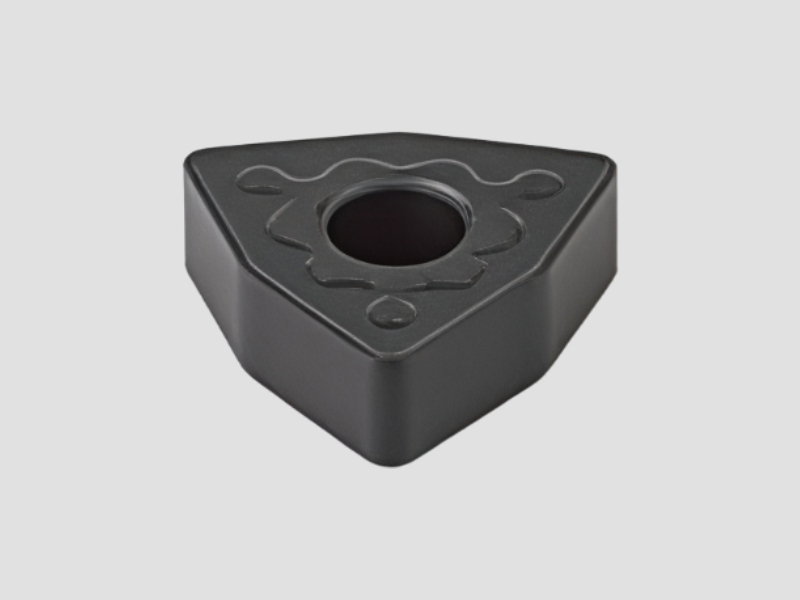
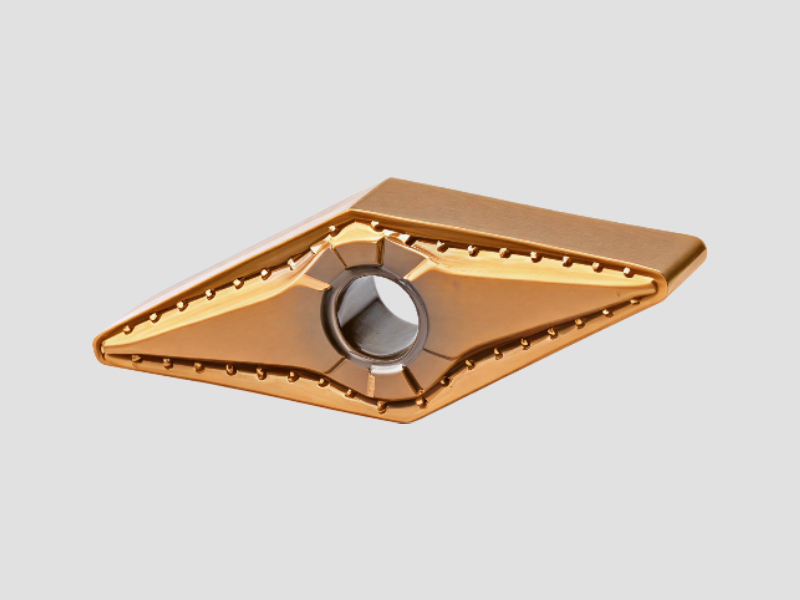
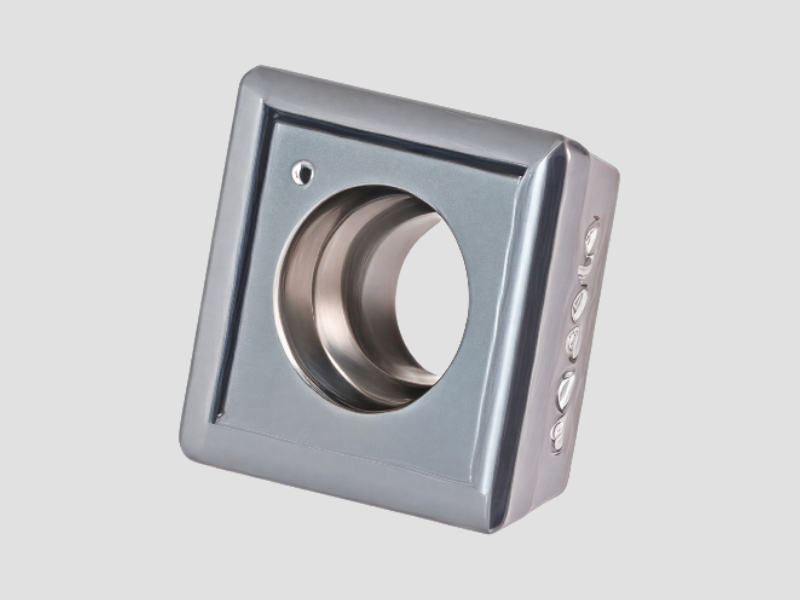
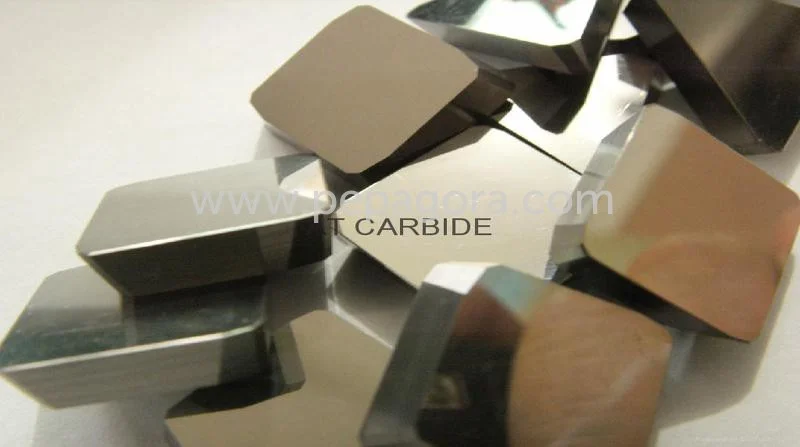
Indexable carbide inserts are cutting tools made from a hard material known as carbide. These inserts are designed to be mounted onto a tool holder and can be easily replaced or rotated when they become worn. This feature significantly reduces downtime and keeps production processes efficient. The hardness of carbide allows these inserts to maintain their cutting edges for longer periods, making them ideal for various machining operations.
These inserts are primarily used in industries such as manufacturing, automotive, aerospace, and metalworking. Their versatility makes them suitable for turning, milling, and drilling applications. Businesses rely on indexable carbide inserts to enhance productivity and achieve high-quality finishes on machined parts. With the rise of advanced manufacturing techniques, these inserts play a critical role in maintaining competitive advantages in the marketplace.
The relevance of indexable carbide inserts in the industry is underscored by their widespread adoption across various sectors. As manufacturers strive for precision and efficiency, the demand for high-performance tooling solutions continues to grow. The indexable nature of these inserts allows for quick changes and adjustments, which is essential in fast-paced production environments.
Key Features and Specifications
Indexable carbide inserts come with several key features that enhance their performance and usability. These features include durability, ease of use, and the ability to be optimized for different materials and applications. Understanding the specifications of these inserts is crucial for selecting the right product for specific machining needs.
Key specifications include:
1. Material Composition
- Made primarily of carbide, often with cobalt or titanium mixed in
- Provides high wear resistance and toughness
2. Insert Geometry
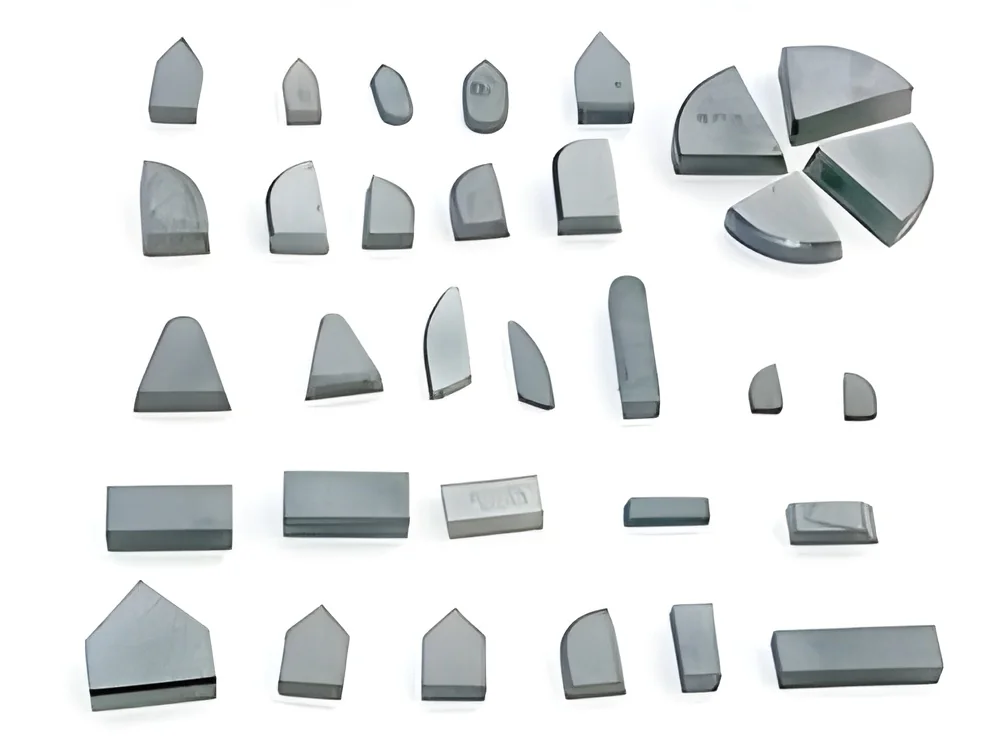
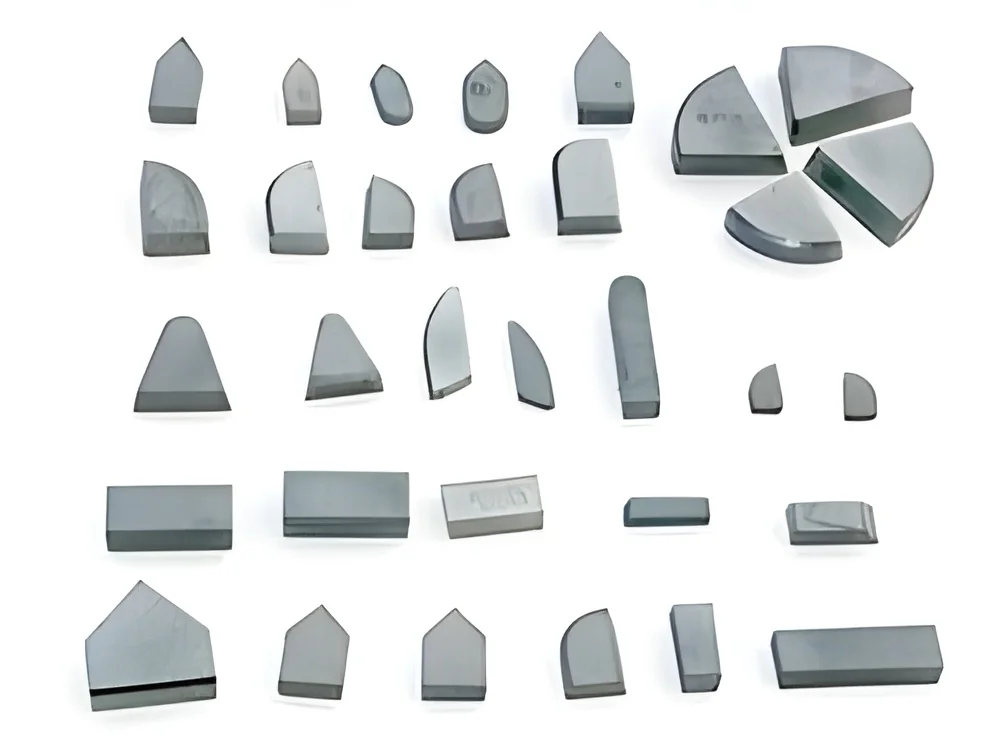
- Available in various shapes such as square, triangular, and round
- Different geometries are suited for specific cutting applications
3. Coating Options
- Inserts may be coated with materials like TiN, TiAlN, or AlTiN
- Coatings enhance performance by reducing friction and increasing tool life
4. Cutting Edge Design
- Features can include sharp edges or honed edges
- Specific designs enhance cutting efficiency and surface finish
5. Tolerance Levels
- Inserts are manufactured to precise tolerances
- Ensures compatibility with tool holders and consistent performance
6. Chip Control Features
- Many inserts have designs that help manage chip flow
- Proper chip control improves machining efficiency and safety
7. Application Versatility
- Suitable for a range of materials including steel, aluminum, and composites
- Allows for use in diverse machining operations
In summary, indexable carbide inserts are engineered with a variety of features to meet the demands of modern machining processes. Understanding these specifications aids in selecting the appropriate inserts for specific applications.
Common Applications and Use Cases
Indexable carbide inserts serve a broad spectrum of industries, helping improve machining efficiency and product quality.
1. Automotive Industry: Indexable carbide inserts are used for machining engine components, transmission parts, and other critical components. Their durability and precision enhance the manufacturing of high-performance vehicles.
2. Aerospace Industry: In aerospace, these inserts are essential for machining lightweight materials and complex geometries. They help in producing components that require high strength-to-weight ratios.
3. Metalworking Industry: General metalworking relies on indexable carbide inserts for tasks such as turning, milling, and drilling. Their versatility allows for efficient processing of various metals.
4. Manufacturing Sector: In manufacturing, these inserts are crucial for mass production of consumer goods. They contribute to maintaining high production rates and quality standards.
5. Tool and Die Making: Indexable carbide inserts are often used in the creation of molds and dies. Their precision is vital for producing intricate designs and maintaining tight tolerances.
6. Energy Sector: In the energy industry, these inserts are used for machining parts in turbines and generators. Their ability to withstand extreme conditions is essential for reliability.
7. Construction Industry: Indexable carbide inserts find applications in manufacturing construction equipment and tools. Their durability ensures long-lasting performance in demanding environments.
Product Variants and Subcategories
Indexable carbide inserts are available in various configurations to cater to different machining needs. This diversity allows users to select the most suitable option for their specific applications.
Square Inserts: These inserts are commonly used for face milling and turning operations. Their design provides excellent stability and cutting performance across a range of materials.
Triangular Inserts: Ideal for grooving and turning applications, triangular inserts offer three cutting edges. This feature allows for longer tool life and reduced changeover time.
Round Inserts: Round inserts are favored for finishing operations due to their smooth cutting action. They are particularly effective in achieving high surface finishes on machined parts.
Specialty Inserts: Some manufacturers offer inserts designed for specific materials or machining challenges. These specialty inserts can enhance performance in unique applications.
Benefits and Advantages
Indexable carbide inserts provide numerous advantages that make them a preferred choice in many industrial applications.
1. Increased Tool Life: The durability of carbide allows these inserts to last longer than traditional cutting tools, reducing the frequency of replacements.
2. Cost Efficiency: With the ability to index and rotate, users can maximize the use of each insert, leading to lower overall tooling costs.
3. Versatility: Indexable carbide inserts can be used on various materials and for multiple machining operations, making them suitable for diverse industrial applications.
4. Improved Surface Finish: The precision design of these inserts enables high-quality finishes, which is critical in industries where aesthetics and precision are paramount.
5. Reduced Downtime: Quick-change capabilities mean less time is spent on tool changes, allowing for increased productivity in manufacturing processes.
6. Enhanced Performance: Coatings and geometries designed for specific applications improve cutting efficiency and reduce wear, further extending tool life.
Buying Guide for B2B Buyers
When sourcing indexable carbide inserts, B2B buyers should consider several key factors to ensure they make informed decisions.
1. Quality Assessment: Evaluate the quality of inserts by checking for material composition, manufacturing processes, and adherence to industry standards. High-quality inserts will have a noticeable impact on machining performance.
2. Supplier Verification: It is essential to vet suppliers by reviewing their certifications, customer feedback, and industry reputation. A reliable supplier will provide consistent quality and support.
3. Pricing and MOQ: Understand the pricing structure and minimum order quantities. Compare different suppliers to ensure competitive pricing while balancing quality.
4. Delivery and Lead Times: Consider the logistics involved in acquiring inserts. Reliable delivery timelines are crucial to maintaining production schedules and minimizing disruptions.
5. Compliance Requirements: Be aware of any regulatory and safety standards that apply to the inserts. Compliance with industry regulations ensures that the products are safe to use and meet necessary performance criteria.
Compliance and Certifications
Compliance with industry standards and certifications is essential for indexable carbide inserts. Many manufacturers adhere to ISO 9001 quality management standards, ensuring consistent product quality and customer satisfaction. This certification indicates that the manufacturer has implemented a robust quality management system.
In addition, industry certifications such as CE demonstrate that the products meet European safety, health, and environmental protection requirements. These certifications are vital for companies operating in regions where compliance is mandatory.
Safety testing is another critical aspect, as it ensures that the inserts meet specific performance criteria under various working conditions. This testing helps prevent failures during machining operations, which can lead to costly downtimes and safety hazards.
Regional compliance considerations may also come into play, as different countries have varying regulations regarding tool safety and performance. Buyers should ensure that the products they source align with the regulations of their respective regions.
Why Source Indexable Carbide Inserts from Pepagora?
Pepagora provides a trusted platform for sourcing indexable carbide inserts, offering several key advantages to B2B buyers.
Verified Supplier Network: Pepagora ensures that all suppliers in its network are thoroughly vetted. This verification process guarantees that buyers receive high-quality products from reputable manufacturers.
Streamlined RFQ Process: The platform features a user-friendly Request for Quotation (RFQ) system, simplifying the process of obtaining quotes. Buyers can easily compare prices and specifications from multiple suppliers.
Trade Assurance and Support: Buying through Pepagora offers trade assurance, protecting buyers from potential issues with product quality and delivery. The platform also provides support to resolve any disputes that may arise.
Regional Coverage: Pepagora has a broad geographic reach, serving clients in India, the GCC, and Southeast Asia. This extensive coverage enables buyers to access quality products regardless of their location, making it easier to find the right indexable carbide inserts for their needs.

 IN
IN

 India
India