What are Guar Gum?
Guar gum is a natural thickening agent derived from the seeds of the guar plant, also known as Cyamopsis tetragonoloba. It is a polysaccharide composed of galactomannan, which makes it highly soluble in cold water. Guar gum has a unique ability to form a gel-like consistency, making it valuable in various industrial and commercial applications. Its versatility and effectiveness as a thickener, stabilizer, and emulsifier set it apart from other similar products.
The primary uses of guar gum span multiple industries, including food, pharmaceuticals, cosmetics, and oil drilling. In the food industry, it is commonly used to improve texture, enhance shelf life, and stabilize emulsions in products like sauces, dressings, and dairy items. In pharmaceuticals, guar gum acts as a binding agent in tablet formulations and as a thickener in liquid medicines. Its importance in the oil industry is notable as well, where it is employed in hydraulic fracturing to increase the viscosity of fluids, aiding in efficient extraction.
The relevance of guar gum in the industrial market continues to grow, driven by increasing demand for natural and organic products. Its ability to meet consumers' desire for clean-label ingredients aligns with current market trends, making it a crucial component in product formulations across various sectors. As industries prioritize sustainability and efficiency, guar gum remains a preferred choice, ensuring its place in the global market.
Key Features and Specifications
Guar gum is distinguished by its unique properties and specifications that cater to diverse industrial needs. Its effectiveness as a thickening and stabilizing agent is complemented by various technical specifications that ensure optimal performance across applications.
Key specifications include:
1. Viscosity
- Viscosity levels can vary depending on the grade and concentration.
- Typical viscosity ranges from 200 to 100,000 cP.
2. Solubility
- Guar gum is highly soluble in cold water, leading to rapid hydration.
- It forms a gel-like consistency within minutes of mixing.
3. Ash Content
- Ash content indicates the level of impurities present.
- Typical ash content is around 4% or less.
4. Gel Strength
- Gel strength is crucial for applications requiring stability.
- Varies based on concentration and formulation.
5. Moisture Content
- Moisture content affects product shelf life and performance.
- Generally kept below 12% for optimal results.
6. Particle Size
- Available in various particle sizes to suit different applications.
- Fine to coarse grades can be produced based on specifications.
7. pH Range
- Guar gum typically exhibits a neutral pH.
- pH range is generally between 6 to 8.
8. Compliance Certifications
- Guar gum often meets industry standards for food safety, such as CE certification.
Overall, the diverse specifications of guar gum make it suitable for a wide range of applications, ensuring its importance in various industries.
Common Applications and Use Cases
Guar gum is widely utilized across several industries due to its versatile properties.
1. Food Industry: Guar gum serves as a thickener and stabilizer in various food products, such as sauces, dressings, and baked goods. It enhances the texture and consistency of these items, improving the overall consumer experience.
2. Pharmaceutical Industry: In pharmaceuticals, guar gum is used as a binding agent in tablets and as a thickening agent in syrups and suspensions. Its natural origin makes it a preferred choice for formulations requiring clean-label ingredients.
3. Cosmetic Industry: Guar gum is incorporated into personal care products like lotions and creams for its thickening and emulsifying properties. It helps maintain the stability and texture of these formulations.
4. Oil and Gas Industry: In hydraulic fracturing, guar gum is used to increase the viscosity of drilling fluids, facilitating the extraction of oil and gas from underground wells. Its effectiveness in high-pressure environments is crucial for operational success.
5. Textile Industry: Guar gum is applied in textile processing as a thickening agent for printing pastes. It helps achieve better color adhesion and clarity during the printing process.
6. Agriculture: In agriculture, guar gum is used as a soil stabilizer and in seed coating formulations. It improves water retention and ensures better seed germination rates.
7. Paper and Pulp Industry: Guar gum is utilized in the paper industry to enhance the strength and finish of paper products. It plays a significant role in improving the final quality of paper.
Product Variants and Subcategories
Guar gum is available in various forms to meet specific industry needs. Each variant offers unique properties that cater to different applications.
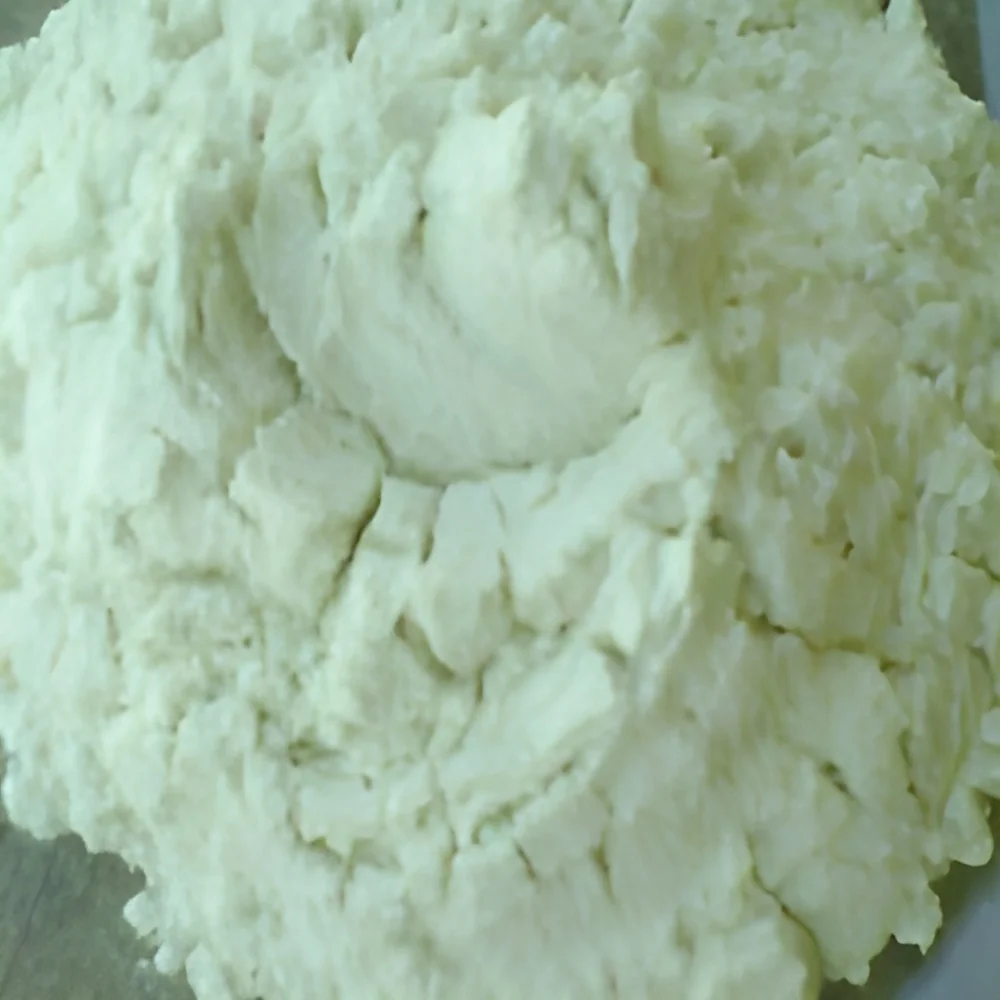
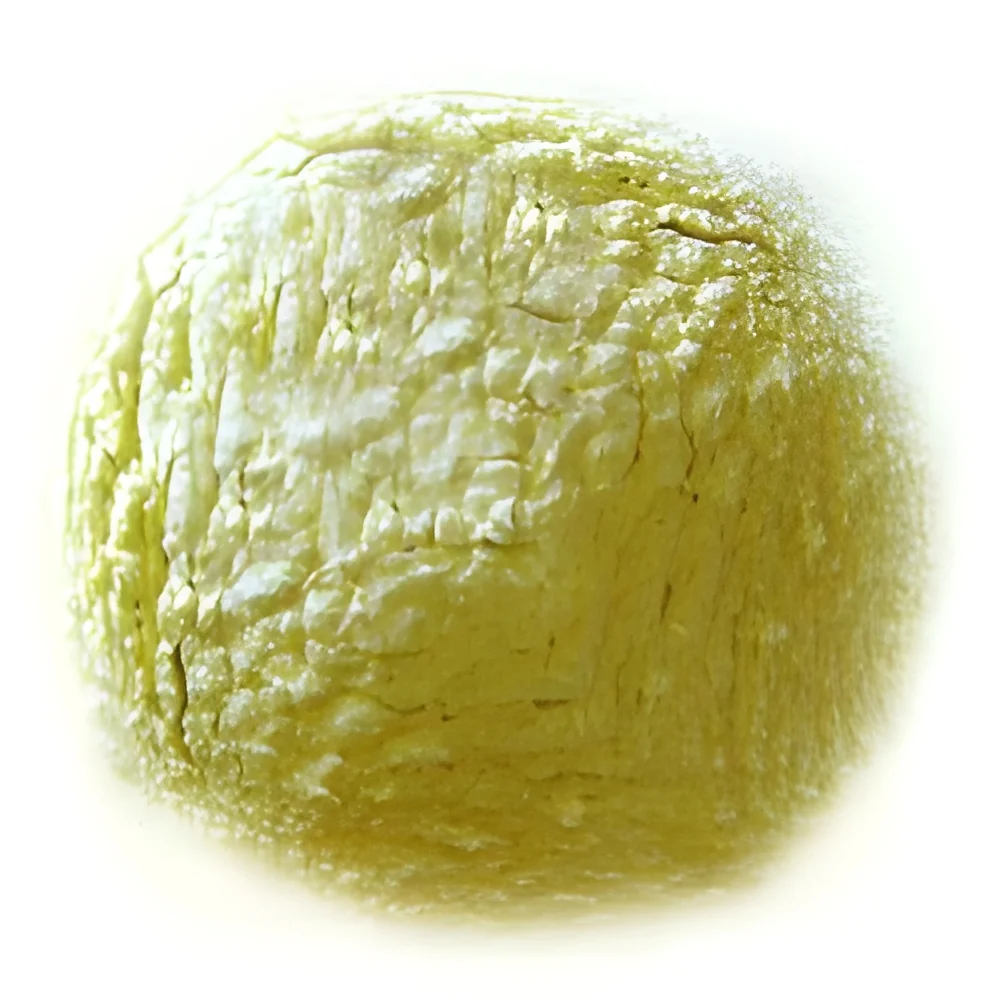
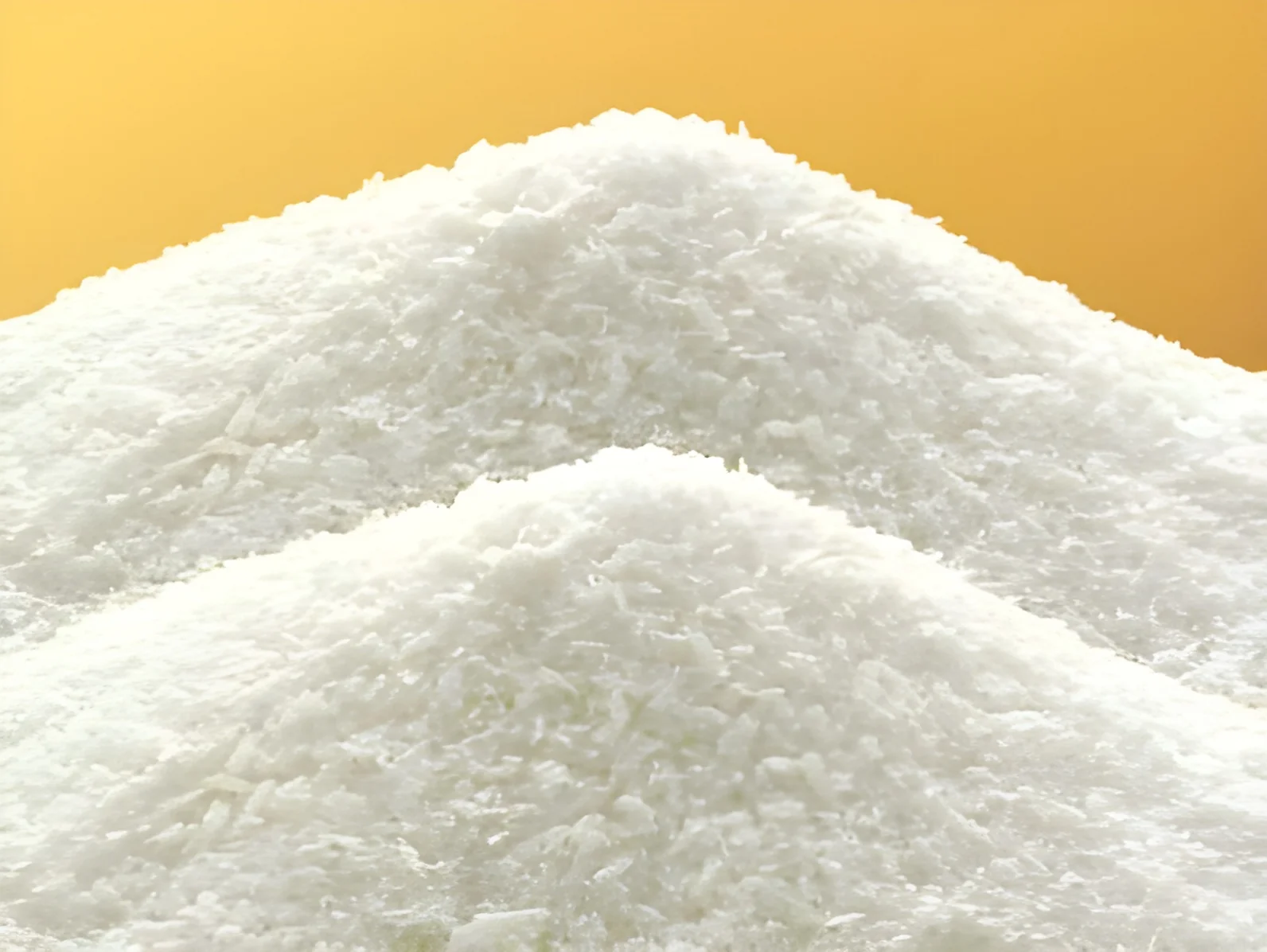
Guar Gum Powder
This is the most common form of guar gum, available in various grades. It is used primarily in food, pharmaceutical, and cosmetic applications due to its thickening and stabilizing properties.
Hydroxypropyl Guar Gum
This modified variant of guar gum is chemically altered to enhance its solubility and performance in high-temperature applications. It is widely used in the oil drilling and textile industries.
Guar Gum Granules
These granules provide a coarser texture, making them suitable for applications requiring slower hydration. They are often used in agricultural formulations and soil stabilization.
Benefits and Advantages
Guar gum offers numerous benefits that make it a valuable ingredient across various industries.
Key benefits include:
1. Natural and Safe: Guar gum is derived from a natural source, making it a safe alternative to synthetic thickeners.
2. Versatile Applications: Its diverse properties allow it to be used in multiple industries, from food to pharmaceuticals.
3. Clean Labeling: Guar gum aligns with the growing demand for clean-label ingredients, appealing to health-conscious consumers.
4. Improved Texture: It enhances the texture and consistency of products, leading to better consumer satisfaction.
5. Cost-Effective: Guar gum is often more economical compared to other thickening agents, offering great value for manufacturers.
6. Environmentally Friendly: Being a plant-based product, guar gum supports sustainability initiatives in various industries.
Buying Guide for B2B Buyers
When sourcing guar gum, businesses must consider several factors to ensure they select the right product for their needs.
1. Quality Assessment: Evaluate the quality of guar gum based on viscosity, purity, and compliance with industry standards. Look for certifications that confirm product integrity.
2. Supplier Verification: Vet suppliers to ensure they have a proven track record of reliability and quality. Assess their production capabilities and customer feedback.
3. Pricing and MOQ: Understand the pricing structure and minimum order quantities (MOQ) set by suppliers. This helps in budgeting and negotiating better terms.
4. Delivery and Lead Times: Consider the logistics involved in the supply chain. Clarify delivery schedules and lead times to ensure timely availability of the product.
5. Compliance Requirements: Confirm that the guar gum meets all necessary regulatory and safety standards for your industry. This includes certifications such as CE.
Compliance and Certifications
Guar gum is subject to various quality standards and certifications to ensure its safety and efficacy in industrial applications.
Relevant quality standards include ISO 9001, which ensures consistent quality management systems among suppliers. Additionally, the Hazard Analysis and Critical Control Points (HACCP) certification is vital for products used in food applications, ensuring that safety is prioritized throughout production.
Industry certifications such as CE indicate compliance with European health, safety, and environmental protection standards, adding credibility to the product.
Safety and testing requirements are essential for guaranteeing that the guar gum is free from contaminants and suitable for its intended applications. Furthermore, businesses must be aware of regional compliance considerations, as regulations may vary from one market to another.
Why Source Guar Gum from Pepagora?
Pepagora provides a trusted platform for sourcing guar gum with several key advantages.
Verified Supplier Network: Pepagora connects buyers with a carefully vetted network of suppliers, ensuring that only reputable companies are listed. This minimizes the risk of sourcing inferior products and promotes reliability.
Streamlined RFQ Process: The platform offers an efficient Request for Quotation (RFQ) process, allowing buyers to quickly obtain quotes from multiple suppliers. This simplifies the procurement process and saves valuable time.
Trade Assurance and Support: Pepagora prioritizes buyer protection through trade assurance measures. Buyers can engage with suppliers confidently, knowing that their interests are safeguarded throughout the transaction.
Regional Coverage: With a strong presence in India, the GCC, and Southeast Asia, Pepagora offers extensive geographic reach. This allows businesses to easily connect with local suppliers and streamline their sourcing needs across regions.

 IN
IN

 India
India