What are Food Grade Glycerin?
Food Grade Glycerin, also known as glycerol, is a colorless, odorless, and viscous liquid that is widely used in various industrial applications. It is derived from both natural and synthetic sources and is recognized for its non-toxic and safe properties, making it suitable for use in food and pharmaceutical products. Food Grade Glycerin is hygroscopic, meaning it has the ability to absorb moisture from the air, which contributes to its versatility in different formulations.
This ingredient is primarily utilized in the food and beverage industry as a sweetener, humectant, and preservative. It plays a crucial role in maintaining moisture levels in products like baked goods, confections, and dairy items. Businesses also leverage Food Grade Glycerin in personal care products, cosmetics, and pharmaceuticals due to its emollient and solvent properties. The growing demand for natural and safe ingredients has further enhanced its relevance across multiple sectors, driving market growth.
Key Features and Specifications
Food Grade Glycerin is characterized by several features and specifications that make it a valuable ingredient in various applications. Understanding these specifications is essential for B2B buyers to ensure they meet their specific requirements.
Key specifications include:
1. Purity Level
- Food Grade Glycerin typically has a purity level of 99.5% or higher.
- This ensures it meets safety standards for consumption and use in food products.
2. Viscosity
- The viscosity of Food Grade Glycerin ranges from 1,000 to 1,500 mPa.s at 20 degrees Celsius.
- This property affects its flow and mixing capabilities in formulations.
3. Moisture Content
- Moisture content is usually less than 0.5% for Food Grade Glycerin.
- Low moisture content is crucial for maintaining product stability.
4. pH Level
- The pH level typically ranges from 6 to 8, making it neutral and safe for food applications.
- This is important for product compatibility in various formulations.
5. Appearance
- Food Grade Glycerin is a clear, colorless liquid with a sweet taste.
- Its visual and taste characteristics contribute to its use in food products.
6. Solubility
- It is highly soluble in water, alcohol, and other organic solvents.
- This solubility enhances its effectiveness as an ingredient in various formulations.
7. Shelf Life
- The shelf life of Food Grade Glycerin is generally around 24 months when stored properly.
- Proper storage conditions help maintain its quality over time.
8. Safety Standards
- It complies with relevant food safety regulations such as FDA and EFSA.
- Adherence to these standards ensures its safety for consumer use.
In summary, the key features and specifications of Food Grade Glycerin highlight its importance in various industries, emphasizing the need for quality assurance and compliance for effective applications.
Common Applications and Use Cases
Food Grade Glycerin serves diverse industries due to its multifunctional properties. Its applications extend beyond food, making it a key ingredient in several sectors.
1. Food and Beverage Industry: Food Grade Glycerin is widely used as a sweetener, humectant, and preservative in products like baked goods, soft drinks, and confections. Its ability to retain moisture enhances the texture and shelf life of food items.
2. Pharmaceutical Industry: In pharmaceuticals, Food Grade Glycerin acts as a solvent and excipient in the formulation of syrups, ointments, and capsules. Its non-toxic nature makes it suitable for use in medicinal products.
3. Cosmetics and Personal Care: This ingredient is commonly found in lotions, creams, and shampoos due to its moisturizing properties. It helps to maintain skin hydration and improve product consistency.
4. Tobacco Industry: Food Grade Glycerin is used in the production of e-liquids for vaping. Its sweet taste and ability to produce vapor enhance the overall user experience.
5. Nutraceuticals: In dietary supplements, Food Grade Glycerin serves as a carrier for active ingredients, improving the stability and absorption of nutrients.
6. Paints and Coatings: Glycerin is utilized in the formulation of paints and coatings as a plasticizer, enhancing the flexibility and durability of the products.
7. Animal Feed: It is also used as an ingredient in animal feed formulations, providing energy and moisture to enhance feed quality.
Product Variants and Subcategories
Food Grade Glycerin comes in various forms, catering to different industrial needs. Though specific subcategories are not available, several variants are noteworthy.
Bulk Food Grade Glycerin
This variant is suitable for large-scale industrial use. It is ideal for manufacturers seeking a cost-effective solution for high-volume applications across food, cosmetic, and pharmaceutical sectors.
Pharmaceutical Grade Glycerin
Designed specifically for the pharmaceutical industry, this variant meets stringent quality and safety standards. It is used primarily in medicinal formulations and requires higher purity levels.
Vegetable-Based Glycerin
Derived from natural vegetable sources, this variant appeals to businesses focusing on organic and natural products. It is commonly used in food and personal care applications.
Benefits and Advantages
Food Grade Glycerin offers numerous benefits that make it a preferred choice across various industries. Understanding these advantages helps businesses make informed decisions.
1. Non-toxic and Safe: Food Grade Glycerin is safe for consumption and use in food products, aligning with consumer safety standards.
2. Versatile Applications: Its multifunctional properties allow for a wide range of applications in food, pharmaceuticals, cosmetics, and more.
3. Moisture Retention: Glycerin’s hygroscopic nature enhances moisture retention in products, improving texture and shelf life.
4. Cost-Effective: Available in bulk, Food Grade Glycerin provides a cost-effective solution for manufacturers requiring large quantities.
5. Improved Solubility: Its high solubility in water and other solvents enhances its effectiveness in various formulations.
6. Natural Source Options: Vegetable-based variants cater to the growing demand for natural and organic ingredients.
Buying Guide for B2B Buyers
When sourcing Food Grade Glycerin, it is essential for B2B buyers to consider several critical factors to ensure they make informed purchasing decisions.
1. Quality Assessment: Evaluate the purity and quality standards of the glycerin. Ensure that it meets the necessary safety regulations for food and pharmaceutical use.
2. Supplier Verification: Conduct thorough vetting of suppliers to confirm their reliability and adherence to quality standards. Look for certifications and industry experience.
3. Pricing and MOQ: Consider the pricing structure and minimum order quantities. Ensure that pricing aligns with budget constraints while maintaining quality.
4. Delivery and Lead Times: Review logistics and delivery timelines to ensure timely supply, especially for production schedules that depend on consistent ingredient availability.
5. Compliance Requirements: Confirm that the product complies with relevant regulatory requirements in your region, including food safety and quality control standards.
Compliance and Certifications
Food Grade Glycerin must adhere to several compliance and certification standards to ensure its safety and quality in various applications. Key quality standards include ISO 9001, which emphasizes quality management systems, and HACCP, which focuses on food safety management.
Additionally, industry certifications such as CE are critical for products intended for use in the European market. These certifications demonstrate compliance with safety and environmental regulations, ensuring that the product meets necessary safety standards.
Safety and testing requirements also play a significant role in the compliance process. Regular testing for purity, contaminants, and overall quality ensures that Food Grade Glycerin remains suitable for its intended applications.
Regional compliance considerations may vary, so it is essential to stay informed about local regulations and standards governing the use of Food Grade Glycerin in specific markets.
Why Source Food Grade Glycerin from Pepagora?
Pepagora offers a trusted platform for sourcing Food Grade Glycerin, providing several key advantages for B2B buyers.
The verified supplier network ensures that businesses can connect with reputable providers who meet rigorous quality standards. Each supplier undergoes a thorough vetting process to guarantee reliability and safety.
The streamlined RFQ process simplifies the procurement of Food Grade Glycerin. Buyers can easily request quotes from multiple suppliers, making it easier to compare options and secure the best pricing and quality.
Trade assurance and support are integral features of Pepagora’s service. This protection gives buyers confidence in their purchases, ensuring that they receive the products as specified.
Finally, Pepagora’s regional coverage extends to key markets such as India, the GCC, and Southeast Asia. This geographic reach allows businesses to access Food Grade Glycerin suppliers in areas that are strategic for their operations, ensuring efficient sourcing and logistics.

 IN
IN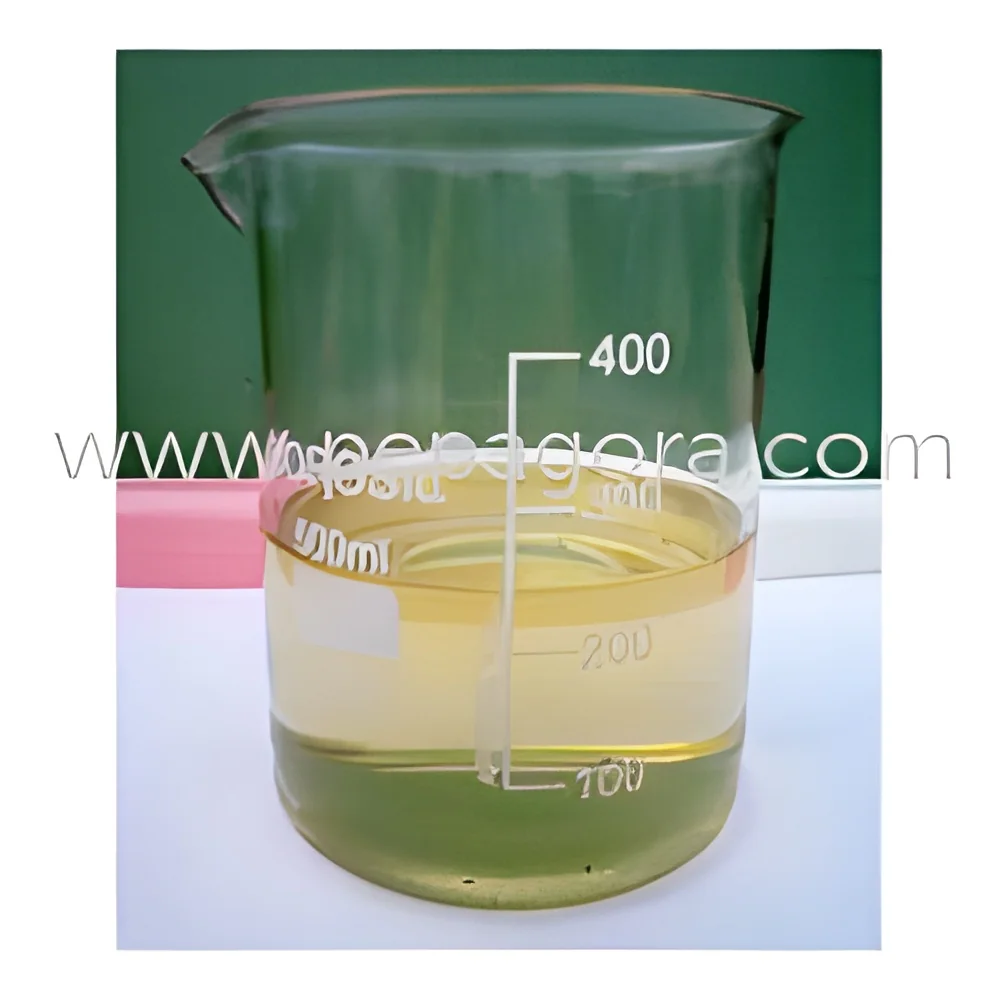


 India
India