
 IN
Food Grade Containers
1 products available
What are Food Grade Containers?
Food Grade Containers are specially designed storage solutions that meet stringent safety and hygiene standards for the storage and transportation of food products. These containers are constructed from materials that are safe for food contact, ensuring that no harmful substances leach into the stored items. They are essential for maintaining food quality, safety, and compliance with health regulations.
These containers find primary use in various sectors, including food processing, catering, and logistics. They are employed to store ingredients, finished products, and even waste materials in a manner that prevents contamination. Businesses rely on food grade containers to enhance operational efficiency and ensure the safe delivery of food products to consumers, thus playing a critical role in the supply chain.
In the context of the food industry, the relevance of food grade containers cannot be overstated. As food safety regulations become increasingly stringent, the demand for these containers continues to grow. The market for food grade containers is expanding, driven by innovations in materials and design that improve functionality while adhering to safety standards.
Key Features and Specifications
Food Grade Containers come with a variety of features and specifications that enhance their usability and safety. These specifications are critical for businesses to ensure that they meet regulatory standards and operational needs.
Key specifications include:
1. Material Composition
- Made from food-safe plastics, metals, or glass
- Must comply with FDA or similar regulatory standards
2. Size and Capacity
- Available in various sizes to accommodate different volumes
- Common capacities range from small containers (1 liter) to large bulk containers (100 liters or more)
3. Temperature Resistance
- Designed to withstand a range of temperatures, suitable for refrigeration or freezing
- Typically rated for temperatures between -20°C to 100°C
4. Seal Type
- Equipped with airtight seals to prevent contamination
- Options for screw tops, snap-on lids, or locking mechanisms
5. Stackability
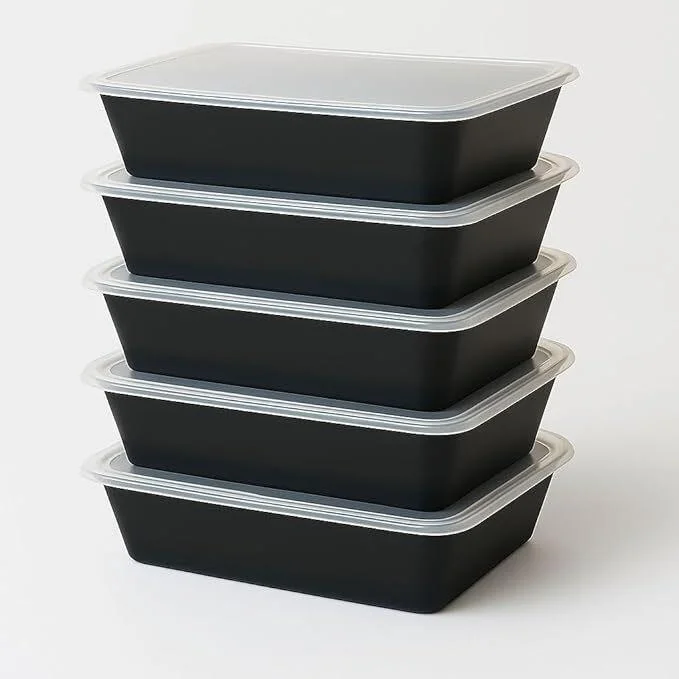
- Designed to be stackable for efficient storage
- Helps maximize space during transportation and storage
6. Durability
- Resistant to impacts, chemicals, and UV exposure
- Built for long-term use in harsh environments
7. Ease of Cleaning
- Non-porous surfaces that facilitate easy cleaning
- Dishwasher safe options available
8. Compliance Certifications
- Must have relevant certifications such as CE marking
- Compliance with international safety standards is essential
In summary, the specifications of food grade containers are vital for ensuring food safety and operational efficiency. Businesses should carefully consider these features when selecting containers for their specific applications.
Common Applications and Use Cases
Food Grade Containers are versatile and serve numerous industries with specific needs.
1. Food Processing: Used to store ingredients and raw materials, ensuring they remain uncontaminated during processing and preparation.
2. Catering Services: Ideal for transporting prepared meals and ingredients to events, maintaining freshness and safety during transit.
3. Food Retail: Commonly found in supermarkets and grocery stores for packaging bulk food items, allowing for safe display and sale.
4. Pharmaceuticals: Employed to store medical supplies and ingredients that require stringent hygiene controls similar to food items.
5. Agriculture: Used for storing harvested produce and ensuring safe transport to markets or processing facilities.
6. Logistics: Essential for transporting food products across long distances while maintaining temperature and safety standards.
7. Restaurants: Utilized in kitchens for storing bulk ingredients and finished dishes, ensuring compliance with health regulations.
Product Variants and Subcategories
Food Grade Containers come in a variety of types to meet different operational needs.
Plastic Food Grade Containers
These containers are lightweight and versatile, suitable for both storage and transport. They are often used in food service and catering industries due to their durability and ease of cleaning.
Metal Food Grade Containers
Constructed from stainless steel or aluminum, these containers offer superior durability and resistance to corrosion. They are commonly used in industrial food processing settings.
Glass Food Grade Containers
Ideal for storage of sensitive food items, glass containers do not leach chemicals and offer excellent visibility for contents. They are popular in retail and kitchen environments.
Benefits and Advantages
Food Grade Containers offer several key benefits that enhance operational efficiency and compliance.
1. Enhanced Food Safety: These containers are designed to prevent contamination, ensuring that food products remain safe for consumption.
2. Regulatory Compliance: Meeting industry standards and regulations is easier with certified food grade containers, reducing the risk of legal issues.
3. Versatility: Available in various sizes and materials, they can be used across multiple sectors, from restaurants to food processing.
4. Cost-Effectiveness: Durable materials mean less frequent replacement, reducing long-term costs for businesses.
5. Improved Shelf Life: Proper storage conditions in food grade containers help extend the shelf life of food products, minimizing waste.
6. Ease of Use: Features such as stackability and airtight seals enhance usability, making them convenient for staff to handle.
Buying Guide for B2B Buyers
When sourcing Food Grade Containers, businesses should consider several important factors to ensure they make informed decisions.
1. Quality Assessment: Evaluate the quality of materials and construction to ensure they meet safety standards. Look for certifications that verify compliance with necessary regulations.
2. Supplier Verification: Research potential suppliers to ensure they have a solid reputation and history of reliability. Check reviews and ask for references if necessary.
3. Pricing and MOQ: Understand pricing structures and minimum order quantities. Inquire about bulk discounts to optimize costs.
4. Delivery and Lead Times: Confirm delivery schedules and lead times to ensure that containers arrive when needed to maintain operational efficiency.
5. Compliance Requirements: Verify that the containers meet local and international compliance requirements relevant to your industry to avoid potential issues.
Compliance and Certifications
Food Grade Containers must adhere to specific quality standards to ensure safety and reliability. Common standards include ISO 9001, which focuses on quality management systems, and HACCP, which addresses food safety management.
Industry certifications, such as the CE marking, indicate that the containers meet European safety, health, and environmental protection standards. These certifications are essential for businesses operating in regions where compliance is mandated.
Additionally, safety and testing requirements ensure that containers can withstand various conditions without compromising food safety. Regional compliance considerations may vary, so it is crucial for businesses to understand the regulations specific to their operating areas.
Why Source Food Grade Containers from Pepagora?
Pepagora offers a trusted platform for sourcing Food Grade Containers, providing several key advantages for B2B buyers.
Verified Supplier Network: Pepagora connects buyers with a network of verified suppliers who meet stringent quality and safety standards. This ensures that businesses can source reliable products with confidence.
Streamlined RFQ Process: The platform simplifies the request for quotation process, allowing businesses to efficiently compare prices and specifications from multiple suppliers in one place.
Trade Assurance and Support: Pepagora provides trade assurance, protecting buyers from potential disputes and ensuring a smoother transaction experience. Their support team is available to assist with any queries or issues that may arise.
Regional Coverage: With a focus on India, the GCC, and Southeast Asia, Pepagora offers extensive regional coverage, making it easier for businesses in these areas to find suitable food grade containers tailored to their specific needs.

 India
Frequently Asked Questions
What are Food Grade Containers?
<p>Food Grade Containers are specially designed storage solutions that are safe for holding food and beverages. They are made from materials that meet safety standards for food contact, ensuring that they do not leach harmful substances into the contents.</p>
What are the different types of Food Grade Containers?
<p>Food Grade Containers come in various types, including plastic containers, glass jars, metal tins, and vacuum-sealed bags. Each type has unique properties, such as durability, transparency, and resistance to moisture, catering to different food storage needs.</p>
How do I choose the right Food Grade Containers?
<p>Choosing the right Food Grade Containers involves considering factors such as the type of food being stored, the container's size, and the material used. It is also essential to check for certifications that confirm the container's suitability for food storage.</p>
What are the standard specifications for Food Grade Containers?
<p>Standard specifications for Food Grade Containers typically include compliance with food safety regulations, such as FDA or FSSAI standards. They should be BPA-free, non-toxic, and resistant to heat and cold, depending on the intended use.</p>
What is the price range for Food Grade Containers?
<p>The price of Food Grade Containers can vary widely based on material, size, and brand. Generally, you can expect to pay anywhere from ₹50 to ₹2000 or more, depending on the features and quality of the container.</p>
What quality standards apply to Food Grade Containers?
<p>Food Grade Containers must adhere to stringent quality standards set by regulatory bodies such as the FDA, FSSAI, and ISO. These standards ensure that the containers are safe for food contact and do not release harmful chemicals.</p>
Where can I find Food Grade Containers suppliers in India?
<p>You can find Food Grade Containers suppliers in India through online B2B marketplaces like Pepagora, trade shows, and industry directories. It's advisable to compare multiple suppliers to ensure quality and reliability.</p>
Can Food Grade Containers be customized?
<p>Yes, many manufacturers offer customization options for Food Grade Containers, allowing businesses to specify sizes, colors, and branding. Customization can help in enhancing brand identity and catering to specific storage needs.</p>
What is the typical minimum order quantity for Food Grade Containers?
<p>The typical minimum order quantity (MOQ) for Food Grade Containers can range from 50 to 100 units, depending on the supplier and type of container. Larger orders may qualify for discounts or better pricing structures.</p>
What is the typical lead time for Food Grade Containers?
<p>The lead time for Food Grade Containers can vary based on the supplier, order size, and customization. Generally, it can take anywhere from 1 to 4 weeks for standard orders, while customized orders may take longer.</p>
Why Businesses Trust Pepagora
Thousands of companies trust Pepagora to source smarter and sell faster
Expand Your Sales Globally

Source Smarter,Grow Faster
