𝗪𝗵𝗮𝘁 𝗮𝗿𝗲 𝗙𝗶𝗻𝗲 𝗖𝗵𝗲𝗺𝗶𝗰𝗮𝗹𝘀?
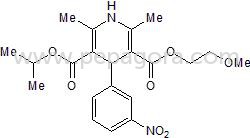
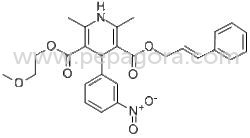
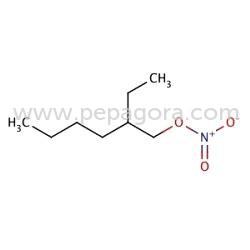
Fine chemicals are pure chemical substances produced in limited quantities for specific applications. Unlike bulk chemicals, which are produced in large volumes for general use, fine chemicals are characterized by their high degree of purity and complexity. These substances are typically synthesized through multi-step processes and are tailored for specific functions, such as active pharmaceutical ingredients, agrochemicals, or specialty chemicals.
Fine chemicals play a crucial role across various industries, including pharmaceuticals, agriculture, and electronics. They are essential for the development of advanced materials, drug formulations, and specialized agricultural products. The fine chemicals market is continually evolving, driven by technological advancements and increasing demand for customized solutions. As industries strive for innovation and efficiency, fine chemicals remain a fundamental component of many manufacturing processes, underscoring their significance in the global market.
𝗞𝗲𝘆 𝗙𝗲𝗮𝘁𝘂𝗿𝗲𝘀 𝗮𝗻𝗱 𝗦𝗽𝗲𝗰𝗶𝗳𝗶𝗰𝗮𝘁𝗶𝗼𝗻𝘀
Fine chemicals are distinguished by several critical features and specifications that define their utility in various applications. Understanding these specifications is essential for businesses seeking to incorporate fine chemicals into their processes.
Key specifications include:
1. Purity Level
- Typically above 95% for most fine chemicals.
- High purity is essential for pharmaceutical and specialty applications.
2. Chemical Composition
- Specific molecular structures tailored to intended applications.
- Often includes complex organic and inorganic compounds.
3. Formulation Type
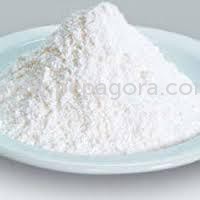
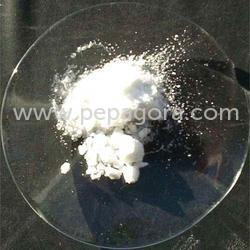
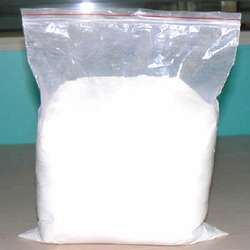
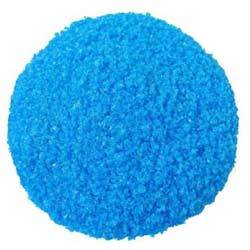
- Available in various forms such as powders, liquids, or crystals.
- The form can affect solubility and reactivity.
4. Production Scale
- Usually produced in smaller batches compared to bulk chemicals.
- Flexibility in production allows for customization.
5. Shelf Life
- Varies depending on chemical stability and storage conditions.
- Important for inventory management and usage.
6. Regulatory Compliance
- Must adhere to industry standards and regulations.
- Compliance with safety and quality guidelines is critical.
7. Packaging Options
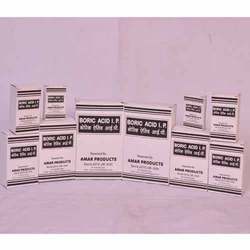
- Available in different packaging sizes and materials.
- Packaging must ensure product integrity and safety.
8. Traceability
- Products should come with certificates of analysis and batch records.
- Essential for quality assurance and regulatory requirements.
Fine chemicals provide tailored solutions, making them indispensable in many industrial applications.
𝗖𝗼𝗺𝗺𝗼𝗻 𝗔𝗽𝗽𝗹𝗶𝗰𝗮𝘁𝗶𝗼𝗻𝘀 𝗮𝗻𝗱 𝗨𝘀𝗲 𝗖𝗮𝘀𝗲𝘀
Fine chemicals are utilized across multiple industries due to their specialized properties.
1. Pharmaceuticals: Fine chemicals serve as active pharmaceutical ingredients (APIs) in drug formulations, ensuring efficacy and safety.
2. Agriculture: These chemicals are used in the production of agrochemicals, such as herbicides and insecticides, aiding in pest control and crop management.
3. Electronics: Fine chemicals are integral in manufacturing semiconductors and electronic components, enhancing performance and reliability.
4. Personal Care: They are common in the formulation of cosmetics and personal care products, providing specific benefits such as fragrance or preservation.
5. Food Industry: Fine chemicals are used as food additives and preservatives, ensuring product safety and extending shelf life.
6. Specialty Chemicals: These are essential in the production of a wide range of industrial products, including coatings, adhesives, and plastics.
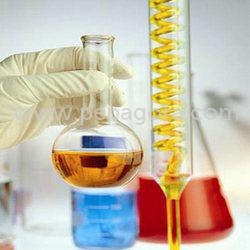
7. Research and Development: Fine chemicals are critical in laboratory settings for chemical research and development, supporting innovation across various fields.
𝗣𝗿𝗼𝗱𝘂𝗰𝘁 𝗩𝗮𝗿𝗶𝗮𝗻𝘁𝘀 𝗮𝗻𝗱 𝗦𝘂𝗯𝗰𝗮𝘁𝗲𝗴𝗼𝗿𝗶𝗲𝘀
Fine chemicals come in various forms to meet specific industry requirements. While specific subcategories are not available, we can highlight a few notable variants that exemplify the diversity in this product category.
Pharmaceutical Grade Fine Chemicals: These variants are produced under stringent quality standards and are used in the development of medicinal products. They must meet regulatory requirements for safety and efficacy.
Industrial Fine Chemicals: Designed for use in manufacturing processes across various industries, these chemicals often have unique properties suited for specific applications, such as catalysts or specialty solvents.
Custom Fine Chemicals: These chemicals are tailored to meet the unique specifications of a client. Customization allows for flexibility in production and application, accommodating specific industry needs.
𝗕𝗲𝗻𝗲𝗳𝗶𝘁𝘀 𝗮𝗻𝗱 𝗔𝗱𝘃𝗮𝗻𝘁𝗮𝗴𝗲𝘀
Sourcing fine chemicals offers numerous advantages for businesses across various sectors.
Key benefits include:
1. High Purity: Fine chemicals provide superior quality, reducing impurities that can affect product performance.
2. Customization: The ability to tailor chemical properties allows for specific applications, enhancing functionality.
3. Regulatory Compliance: Sourcing from reputable suppliers ensures adherence to safety and quality standards, mitigating risks.
4. Innovation Support: Fine chemicals enable the development of new products and solutions, driving advancements in technology and industry.
5. Versatility: They can be used across multiple industries, making them a valuable resource for diverse applications.
6. Efficiency: High-quality fine chemicals can improve production processes, leading to cost savings and better product outcomes.
𝗕𝘂𝘆𝗶𝗻𝗴 𝗚𝘂𝗶𝗱𝗲 𝗳𝗼𝗿 𝗕𝟮𝗕 𝗕𝘂𝘆𝗲𝗿𝘀
When sourcing fine chemicals, it is essential to consider several key factors that can impact your purchasing decision.
1. Quality Assessment: Evaluate the purity and consistency of the chemicals. Request certificates of analysis and conduct necessary testing to ensure quality.
2. Supplier Verification: Vet potential suppliers by checking their credentials, industry reputation, and compliance with relevant regulations. A trusted supplier network can enhance reliability.
3. Pricing and MOQ: Understand the pricing structure and minimum order quantities (MOQ) that suppliers offer. Compare quotes to ensure you are getting competitive pricing.
4. Delivery and Lead Times: Assess logistics capabilities and delivery timelines. Reliable suppliers should provide clear information on lead times and shipping options.
5. Compliance Requirements: Ensure that the products meet all necessary regulatory standards for your industry. This includes safety, handling, and environmental regulations.
𝗖𝗼𝗺𝗽𝗹𝗶𝗮𝗻𝗰𝗲 𝗮𝗻𝗱 𝗖𝗲𝗿𝘁𝗶𝗳𝗶𝗰𝗮𝘁𝗶𝗼𝗻𝘀
Compliance and certifications are critical in the fine chemicals industry, ensuring product safety and quality. Relevant quality standards such as ISO 9001 and HACCP help organizations maintain consistent quality management practices.
CE certification indicates that a product meets European safety, health, and environmental protection standards, which is crucial for companies exporting to Europe. These certifications are often required by regulatory bodies to ensure that fine chemicals are safe for use in various applications.
Additionally, safety and testing requirements must be met to minimize risks associated with chemical handling and usage. Companies must be aware of regional compliance considerations that may impact their operations, including local regulations that govern chemical production and distribution.
𝗪𝗵𝘆 𝗦𝗼𝘂𝗿𝗰𝗲 𝗙𝗶𝗻𝗲 𝗖𝗵𝗲𝗺𝗶𝗰𝗮𝗹𝘀 𝗳𝗿𝗼𝗺 𝗣𝗲𝗽𝗮𝗴𝗼𝗿𝗮?
Pepagora offers a trusted platform for sourcing fine chemicals, providing several key advantages for businesses.
Verified Supplier Network: Pepagora has a robust network of verified suppliers, ensuring that buyers can connect with reputable manufacturers. This network helps mitigate risks associated with sourcing from unverified sources.
Streamlined RFQ Process: The request for quotation (RFQ) process is designed to be efficient, allowing buyers to quickly obtain quotes from multiple suppliers. This process simplifies procurement and helps businesses make informed decisions.
Trade Assurance and Support: Pepagora provides trade assurance to protect buyers from potential disputes. The platform supports buyers throughout the sourcing process, ensuring a smooth experience.
Regional Coverage: With extensive geographic reach across India, the GCC, and Southeast Asia, Pepagora connects buyers with suppliers in key markets. This regional coverage enhances accessibility and convenience for businesses seeking fine chemicals.
In summary, sourcing fine chemicals through Pepagora can lead to improved quality, efficiency, and support for businesses across various industries.

 IN
IN
 India
India