
 IN
EPDM Rubber
14 products available
What are EPDM Rubber?
EPDM rubber, or ethylene propylene diene monomer rubber, is a synthetic elastomer known for its exceptional durability and resistance to various environmental factors. This versatile rubber is composed of ethylene, propylene, and a diene component, which contributes to its unique properties. EPDM is characterized by its excellent weather resistance, ozone stability, and low-temperature flexibility, making it suitable for a wide range of applications.
Primary uses of EPDM rubber include automotive weather seals, roofing membranes, and various industrial applications. Its ability to withstand extreme temperatures and harsh weather conditions makes it a preferred choice in outdoor applications. The industrial sector commonly utilizes EPDM in manufacturing hoses, gaskets, and seals due to its reliable performance and longevity. With growing demand for resilient materials in various industries, EPDM rubber remains a relevant choice in the market.
Key Features and Specifications
EPDM rubber boasts several key features that make it suitable for various applications. Its unique composition provides excellent resistance to heat, oxygen, and ozone, ensuring longevity and reliability. Additionally, it exhibits low moisture absorption and can maintain flexibility even at low temperatures.
Key specifications include:
1. Weather Resistance
- Exceptional resistance to UV rays, ozone, and extreme temperatures
- Maintains integrity in outdoor applications
2. Temperature Range
- Effective performance in temperatures ranging from -40°C to 120°C
- Suitable for both hot and cold environments
3. Chemical Resistance
- Resistant to a variety of chemicals, including acids and alkalis
- Ideal for use in harsh chemical environments
4. Low Compression Set
- Maintains shape and elasticity under compression
- Suitable for applications requiring enduring seals
5. Electrical Insulation Properties
- Excellent dielectric properties
- Commonly used in electrical insulation applications
6. Non-Toxicity
- Safe for use in food and medical applications
- Complies with various health standards
7. Easy to Process
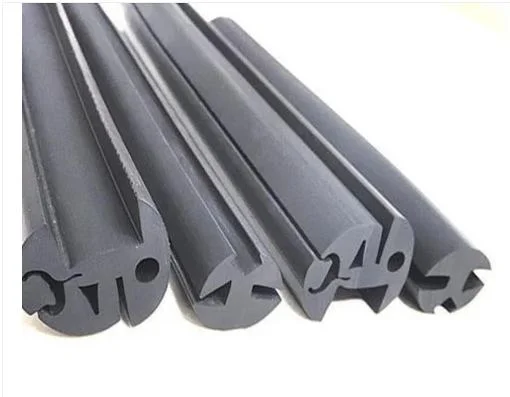
- Can be easily molded and extruded
- Versatile for different manufacturing processes
EPDM rubber's diverse specifications contribute to its wide usage across industries.
Common Applications and Use Cases
EPDM rubber serves various industries due to its unique properties and resilience.
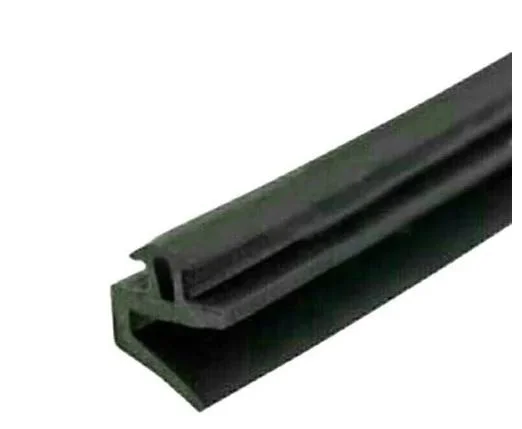
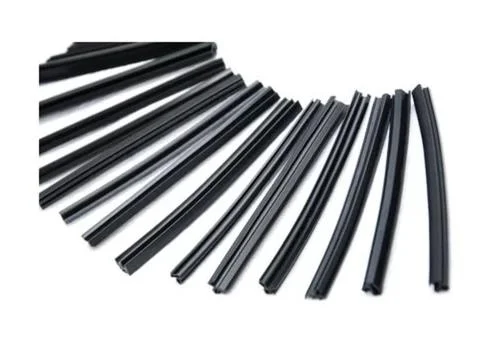
1. Automotive: Used for weather stripping, seals, and hoses, ensuring protection against moisture and air infiltration.
2. Construction: Commonly utilized in roofing membranes and sealants, providing long-lasting protection against harsh weather conditions.
3. Electrical: Employed as insulators and sheathing for wires, EPDM ensures safe electrical applications.
4. HVAC: Used in gaskets and seals for heating and cooling systems, contributing to energy efficiency.
5. Agriculture: Useful in manufacturing hoses and belts, EPDM’s durability withstands outdoor elements.
6. Medical: Sometimes applied in medical devices and products due to its non-toxic properties.
7. Marine: Utilized in boat seals and gaskets, EPDM's water resistance is crucial in marine environments.
Product Variants and Subcategories
EPDM rubber products come in various forms to cater to different applications and industry needs.
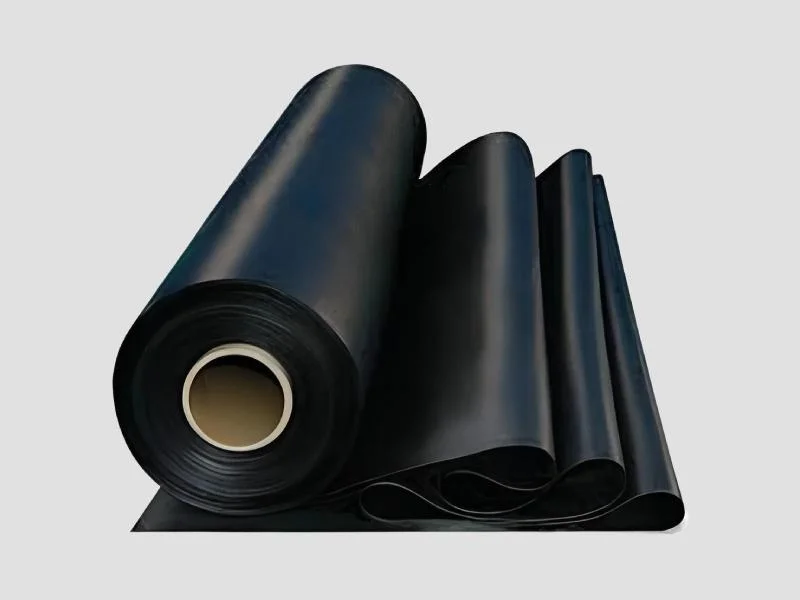
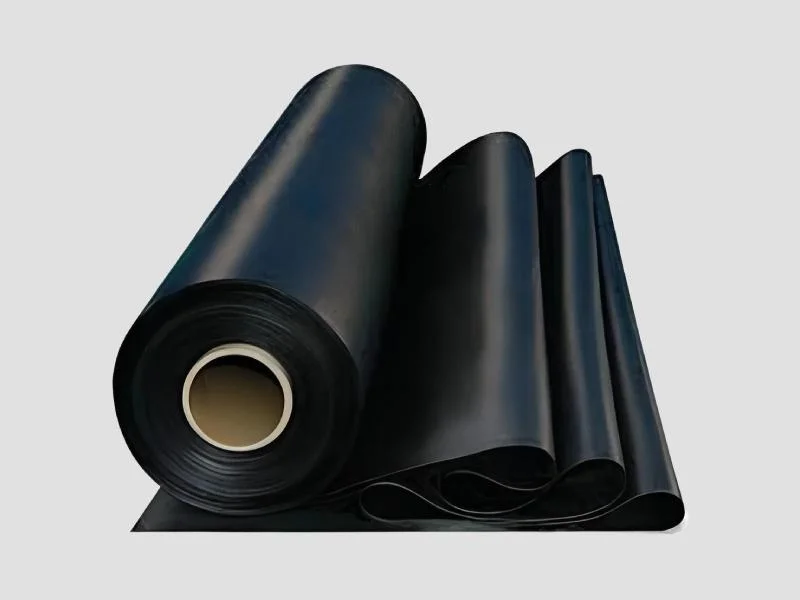
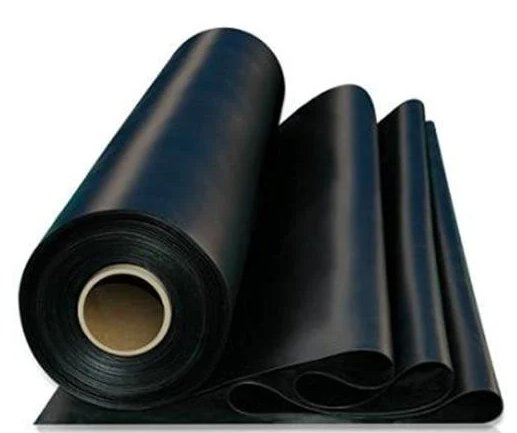
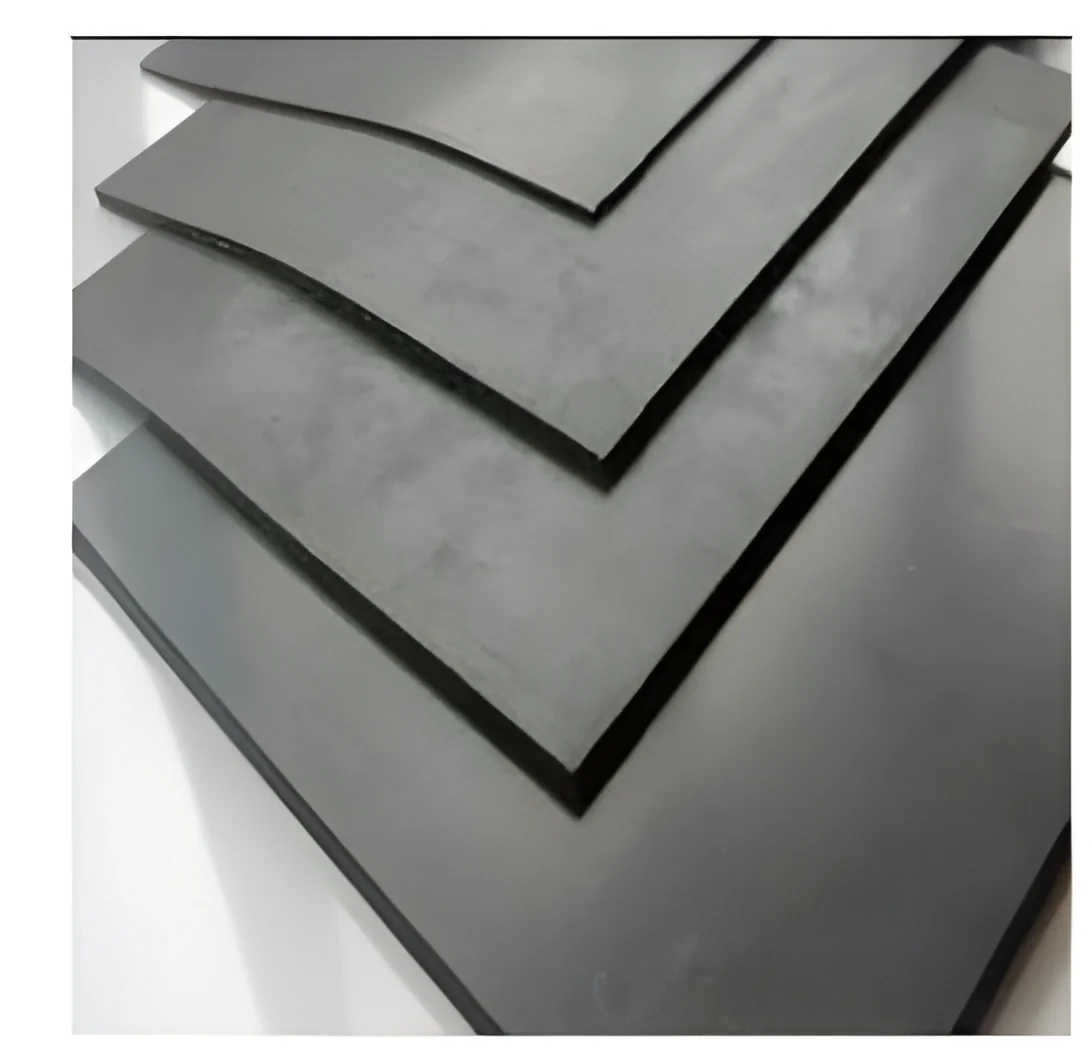
Sheet EPDM
This variant is often used for roofing membranes and flooring. It offers excellent weather resistance and is easy to install.
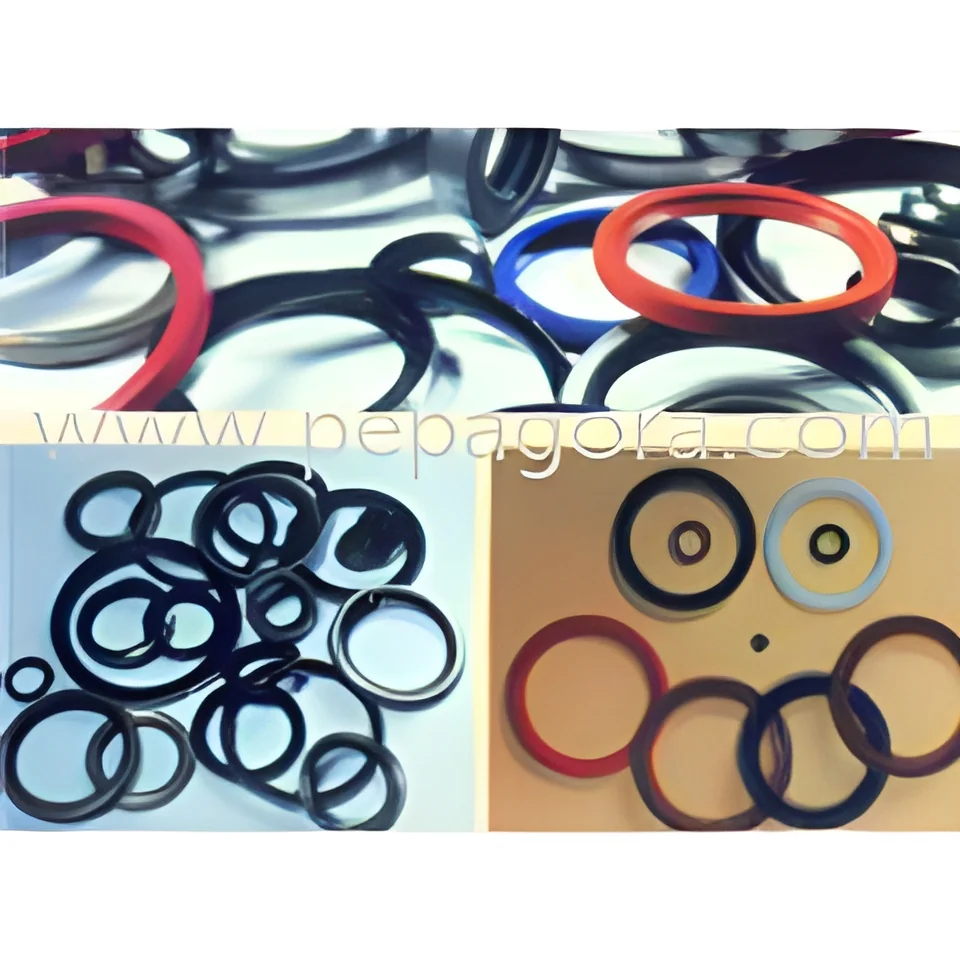
EPDM Gaskets
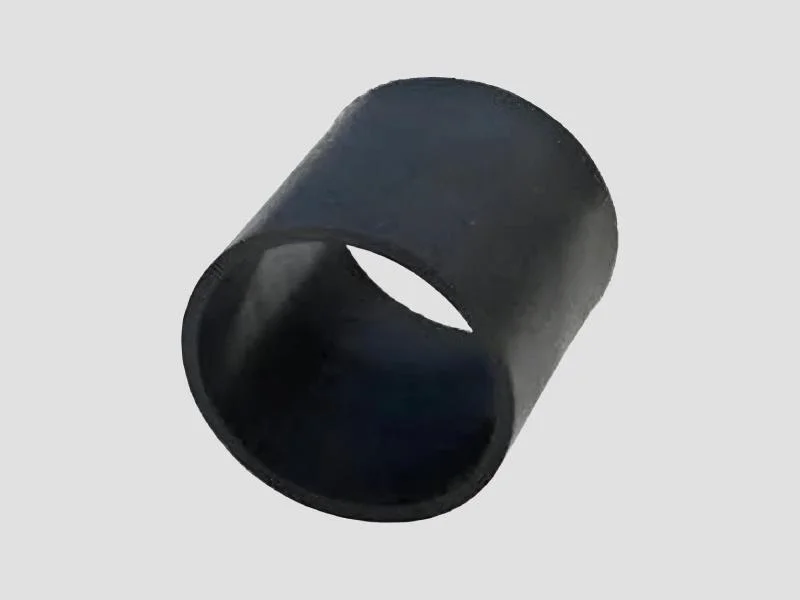
These are custom-cut to fit specific applications, providing reliable seals in automotive and industrial uses.
EPDM Hoses
Designed for fluid transfer in various industries, these hoses maintain flexibility and strength under pressure.
Benefits and Advantages
EPDM rubber presents numerous benefits that make it an advantageous choice for businesses.
1. Durability: EPDM's resistance to environmental factors ensures long-lasting performance, reducing the need for frequent replacements.
2. Versatility: Its ability to be molded into various shapes allows for use in a wide range of applications across multiple industries.
3. Cost-Effectiveness: The longevity and reduced maintenance needs of EPDM make it a cost-effective solution for businesses.
4. Environmentally Friendly: EPDM can be recycled and reused, aligning with sustainability goals.
5. Enhanced Safety: Its non-toxic nature makes it safe for applications in food and medical industries.
6. Performance Stability: EPDM maintains its properties under extreme conditions, providing reliable performance.
Buying Guide for B2B Buyers
When sourcing EPDM rubber, it is essential to consider several factors to ensure the best choice for your business needs.
1. Quality Assessment: Evaluate the quality of EPDM rubber by checking for certifications and compliance with relevant industry standards.
2. Supplier Verification: It is crucial to vet suppliers, ensuring they have a track record of reliability and quality in their products.
3. Pricing and MOQ: Understand the pricing structures and minimum order quantities to manage costs effectively.
4. Delivery and Lead Times: Discuss logistics and estimated lead times to ensure timely delivery of products.
5. Compliance Requirements: Verify that the EPDM rubber meets necessary regulatory and safety requirements specific to your industry.
Compliance and Certifications
EPDM rubber is subject to various quality standards and certifications to ensure its reliability and safety in use. ISO 9001 is a relevant quality standard that focuses on effective quality management systems. Additionally, CE certification is essential for products entering the European market, indicating compliance with health, safety, and environmental protection standards.
Safety and testing requirements are critical to ensure that EPDM rubber products perform as expected in various applications. Regional compliance considerations may vary, so it is important for buyers to be aware of local regulations that might affect the use of EPDM rubber in specific industries.
Why Source EPDM Rubber from Pepagora?
Pepagora provides a trusted platform for sourcing EPDM rubber, ensuring that businesses can find reliable products with ease.
Verified Supplier Network: Pepagora connects buyers with a network of verified suppliers, ensuring quality and reliability in sourcing materials.
Streamlined RFQ Process: The platform offers a straightforward request for quotation system, enabling buyers to receive competitive pricing and options quickly.
Trade Assurance and Support: Users benefit from trade assurance programs that protect buyers against potential risks during transactions.
Regional Coverage: Pepagora has a significant geographic reach, serving markets in India, the GCC, and Southeast Asia, making it convenient for businesses in these regions to source EPDM rubber effectively.

 India

 India
 India
 India
 India
 India
 India
 India
Frequently Asked Questions
What are EPDM Rubber?
EPDM Rubber, or Ethylene Propylene Diene Monomer, is a type of synthetic rubber known for its excellent resistance to heat, ozone, and weathering. It is commonly used in various applications including roofing, automotive seals, and electrical insulation due to its durability and flexibility.
What are the different types of EPDM Rubber?
There are several types of EPDM Rubber, including standard grades, high-temperature grades, and those with enhanced UV resistance. Each type is formulated to meet specific performance criteria based on the intended application, such as automotive, industrial, or construction use.
How do I choose the right EPDM Rubber?
Choosing the right EPDM Rubber involves considering factors such as the intended application, environmental exposure, and specific performance requirements. It is also advisable to consult with suppliers or manufacturers to ensure that the selected grade meets the necessary standards for your project.
What are the standard specifications for EPDM Rubber?
Standard specifications for EPDM Rubber typically include hardness, tensile strength, elongation, and compression set. These specifications can vary based on the grade and manufacturer, and it is important to refer to technical datasheets for precise information.
What is the price range for EPDM Rubber?
The price range for EPDM Rubber can vary significantly based on factors such as quality, grade, and quantity purchased. Generally, prices may range from INR 150 to INR 300 per kg, but it is best to check with suppliers for current pricing.
What quality standards apply to EPDM Rubber?
EPDM Rubber is often manufactured in accordance with industry standards such as ASTM, ISO, and SAE. These standards ensure that the material meets specific performance and safety criteria, which are critical for applications in automotive, construction, and other sectors.
Where can I find EPDM Rubber suppliers in India?
You can find EPDM Rubber suppliers in India through various online B2B marketplaces like Pepagora.com, trade shows, and industry directories. It is advisable to compare several suppliers to evaluate their product offerings and reliability.
Can EPDM Rubber be customized?
Yes, EPDM Rubber can be customized in terms of formulation, color, and physical properties to meet specific application requirements. Manufacturers often provide customization options based on client specifications, ensuring optimal performance for various uses.
What is the typical minimum order quantity for EPDM Rubber?
The typical minimum order quantity (MOQ) for EPDM Rubber can vary by supplier and product type, but it generally ranges from 100 kg to 500 kg. It's best to check with individual suppliers for their specific MOQs.
What is the typical lead time for EPDM Rubber?
The typical lead time for EPDM Rubber orders can range from 2 to 6 weeks, depending on the supplier's inventory and the order size. Custom orders may take longer, so it is advisable to confirm lead times during the ordering process.
Why Businesses Trust Pepagora
Thousands of companies trust Pepagora to source smarter and sell faster
Expand Your Sales Globally

Source Smarter,Grow Faster
