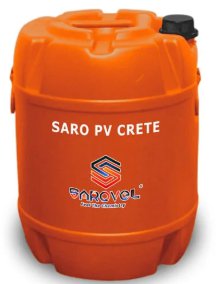
What are Rubber Processing Oils?
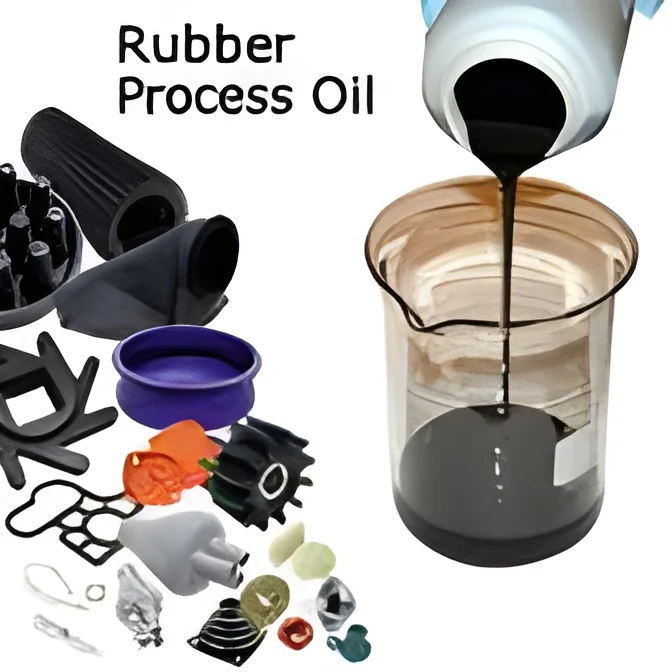
Rubber processing oils are specialized additives used in the rubber manufacturing industry. These oils enhance the processing characteristics of rubber compounds, improving their workability and performance. They act as plasticizers, reducing viscosity and promoting uniform dispersion of other ingredients in the rubber mix. Additionally, rubber processing oils help in optimizing the mechanical properties of the final rubber products.
These oils are primarily used in the production of tires, footwear, conveyor belts, and various rubber goods. They find applications in both natural and synthetic rubber formulations, allowing manufacturers to achieve desired product qualities. In a competitive market, the right rubber processing oils can significantly impact production efficiency, product durability, and overall performance.
The relevance of rubber processing oils in the industry cannot be overstated. As global demand for rubber products continues to rise, manufacturers are increasingly focused on selecting high-quality oils that meet specific processing requirements. This has led to a growing market for rubber processing oils, driven by innovations in formulations and an emphasis on sustainability.
Key Features and Specifications
Rubber processing oils are characterized by several key features that define their performance and suitability for various applications. Understanding these specifications is crucial for manufacturers looking to optimize their rubber formulations.
Key specifications include:
1. Viscosity
- Indicates the oil's resistance to flow.
- Typically measured in centistokes (cSt) at 40°C.
2. Flash Point
- The temperature at which the oil emits enough vapor to ignite.
- Generally categorized as low, medium, or high flash point.
3. Density
- The mass per unit volume of the oil.
- Usually expressed in grams per cubic centimeter (g/cm³).
4. Aromatic Content
- Refers to the percentage of aromatic hydrocarbons present.
- Affects the compatibility with different rubber types.
5. Color and Appearance
- Visual characteristics that can indicate quality.
- Generally assessed using standard color scales.
6. Toxicity Levels
- Important for safety and regulatory compliance.
- Must adhere to specified limits for safe handling.
7. Compatibility
- The ability of the oil to blend well with various rubber types.
- Essential for achieving optimal performance in formulations.
8. Stability
- Refers to the oil's ability to maintain properties over time.
- Influences the shelf life and performance consistency.
In summary, the specifications of rubber processing oils play a vital role in determining their effectiveness in various applications. Manufacturers must carefully consider these features to select the most suitable oils for their production needs.
Common Applications and Use Cases
Rubber processing oils are utilized across multiple industries due to their versatility and performance-enhancing properties.
1. Automotive Industry: These oils are essential in tire manufacturing, where they improve the elasticity and durability of rubber compounds, ensuring better performance and safety on the road.
2. Footwear Manufacturing: Rubber processing oils enhance the flexibility and comfort of shoe soles, contributing to overall product quality and consumer satisfaction.
3. Industrial Rubber Goods: In the production of conveyor belts and hoses, these oils improve the strength and longevity of rubber products, making them suitable for demanding applications.
4. Construction Materials: Rubber processing oils are used in sealants and coatings, providing enhanced adhesion and weather resistance.
5. Consumer Products: Items such as rubber bands and gaskets benefit from improved processing and performance when using suitable rubber processing oils.
6. Medical Devices: The biocompatibility of certain rubber processing oils makes them suitable for applications in medical gloves and other healthcare-related products.
7. Sports Equipment: Rubber processing oils are integral in manufacturing high-performance sports balls and equipment, enhancing durability and playability.
Product Variants and Subcategories
Rubber processing oils come in various formulations, each designed to meet specific processing needs and applications.
Variant 1: Low Aromatic Processing Oils
These oils are characterized by lower aromatic content, making them safer for use in consumer products. They provide excellent processing characteristics while minimizing health risks.
Variant 2: High Performance Processing Oils
Designed for demanding applications, these oils offer superior stability and compatibility with synthetic rubbers. They enhance the mechanical properties of rubber products, making them ideal for automotive and industrial uses.
Variant 3: Environmentally Friendly Oils
These oils are formulated to reduce environmental impact. They are biodegradable and comply with stringent regulations, making them suitable for use in sustainable product lines.
Benefits and Advantages
Rubber processing oils offer numerous benefits that enhance the manufacturing process and product quality.
1. Improved Processability: These oils reduce viscosity, making rubber easier to handle during mixing and processing.
2. Enhanced Product Performance: By optimizing the mechanical properties of rubber, processing oils lead to longer-lasting and more durable products.
3. Cost Efficiency: The right formulation can reduce material costs by allowing for lower usage rates of other ingredients.
4. Better Compatibility: Rubber processing oils can enhance the compatibility of various additives, promoting uniform dispersion in rubber compounds.
5. Regulatory Compliance: Many processing oils meet industry standards, ensuring products are safe and compliant with regulations.
6. Sustainability: Environmentally friendly options are available, allowing companies to meet sustainability goals without compromising performance.
Buying Guide for B2B Buyers
When sourcing rubber processing oils, it is essential for B2B buyers to consider several critical factors to ensure the best fit for their production needs.
1. Quality Assessment: Buyers should evaluate the quality of rubber processing oils through lab tests and certifications. Look for suppliers who provide detailed product specifications and testing results.
2. Supplier Verification: It is vital to vet suppliers thoroughly. Check for industry certifications, customer reviews, and reputation to ensure reliability and quality.
3. Pricing and MOQ: Understand the pricing structure and minimum order quantities (MOQ) from potential suppliers. This can impact budgeting and inventory management.
4. Delivery and Lead Times: Assess the logistics capabilities of suppliers, including their delivery timelines. Timely delivery is crucial for maintaining production schedules.
5. Compliance Requirements: Ensure that the oils meet all relevant regulatory and safety standards. This includes checking for certifications such as CE and adherence to local regulations.
Compliance and Certifications
Rubber processing oils must adhere to several quality standards and certifications to ensure safety and reliability in various applications.
ISO 9001 is a widely recognized quality management standard that ensures consistent product quality and customer satisfaction. Compliance with this standard indicates that the supplier has effective processes in place for production and quality control.
HACCP and GDP standards may also apply, particularly for oils used in consumer-facing products. These standards focus on hazard analysis and critical control points, ensuring that products are safe throughout the supply chain.
In addition, industry certifications such as CE are essential for compliance in the European market. This certification demonstrates that products meet EU safety, health, and environmental protection standards.
Safety and testing requirements are crucial in the handling and usage of rubber processing oils. Regular testing ensures that products meet the required safety thresholds for toxicity and environmental impact.
Finally, regional compliance considerations should not be overlooked. Different markets may have specific regulations regarding the use and labeling of rubber processing oils, which manufacturers must comply with to operate legally.
Why Source Rubber Processing Oils from Pepagora?
Pepagora offers a trusted platform for sourcing rubber processing oils, providing several key advantages that make it a preferred choice for businesses.
Verified Supplier Network: Pepagora ensures that all suppliers are thoroughly vetted for quality and reliability. This verification process helps buyers find reputable sources with confidence.
Streamlined RFQ Process: The platform offers a streamlined request for quotation (RFQ) system, allowing buyers to receive competitive quotes efficiently. This simplifies the sourcing process and saves time.
Trade Assurance and Support: Pepagora provides trade assurance to protect buyers during transactions. This support includes assistance with disputes and guarantees that suppliers meet their commitments.
Regional Coverage: With a strong presence in regions such as India, GCC, and Southeast Asia, Pepagora connects buyers with suppliers across diverse markets. This geographic reach facilitates access to a wide range of rubber processing oils tailored to specific industry needs.

 IN
IN