Key Features and Specifications
Nitrile Rubber is valued for its specific characteristics that enhance its performance in various applications. It is essential to understand the technical specifications that define NBR’s capabilities.
Key specifications include:
1. Oil Resistance
- NBR exhibits excellent resistance to petroleum-based oils and fuels.
- Suitable for applications where exposure to oils is prevalent.
2. Temperature Range
- NBR can operate effectively in a wide temperature range.
- Typically, it withstands temperatures from -30°C to 100°C.
3. Tensile Strength
- NBR has high tensile strength, providing durability and resistance to wear.
- Typically ranges from 10 to 25 MPa.
4. Elongation at Break
- This specification measures the material's ability to stretch before breaking.
- Average elongation can range from 200% to 700%.
5. Hardness
- NBR hardness is measured on the Shore A scale, influencing flexibility and rigidity.
- Common hardness ranges from 40 to 90 Shore A.
6. Compression Set
- NBR maintains its shape under compressive loads.
- Typical values are around 15% to 40% at 70°C for 24 hours.
7. Aging Resistance
- NBR shows good resistance to oxidation and aging.
- This property prolongs the lifespan of seals and gaskets.
8. Water Resistance
- While primarily resistant to oils, NBR has limited resistance to water.
- Not recommended for long-term water exposure.
In summary, Nitrile Rubber’s unique features make it a suitable choice for various demanding industrial applications.
Common Applications and Use Cases
Nitrile Rubber serves a broad spectrum of industries, each with specific applications that leverage its properties.
1. Automotive: NBR is widely used for manufacturing fuel hoses, gaskets, and seals, ensuring optimal performance in vehicles exposed to oils and fuels.
2. Oil and Gas: The oil and gas industry utilizes NBR in seals and gaskets for pumps and valves due to its resistance to petroleum products.
3. Manufacturing: NBR is often used in conveyor belts and rollers where durability against wear and tear is essential.
4. Aerospace: In aerospace applications, NBR is utilized for sealing components in fuel systems, providing reliability under extreme conditions.
5. Medical: NBR is employed in medical devices and equipment due to its resistance to various chemicals and sterilization processes.
6. Food Processing: NBR is sometimes used in food-grade applications where oil and fat resistance is necessary, although it must meet certain compliance standards.
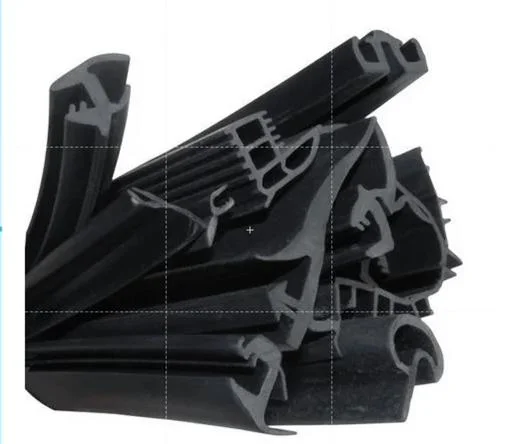
7. Construction: In construction, NBR is utilized in expansion joints and seals, providing flexibility and durability.
Product Variants and Subcategories
Nitrile Rubber offers a variety of product forms to meet diverse needs across industries. Each variant has unique properties suited for specific applications.
NBR Foam
NBR foam is a lightweight and flexible variant ideal for insulation and cushioning applications. Its closed-cell structure provides excellent thermal insulation and sound absorption, making it suitable for automotive and industrial uses.
NBR Sheet
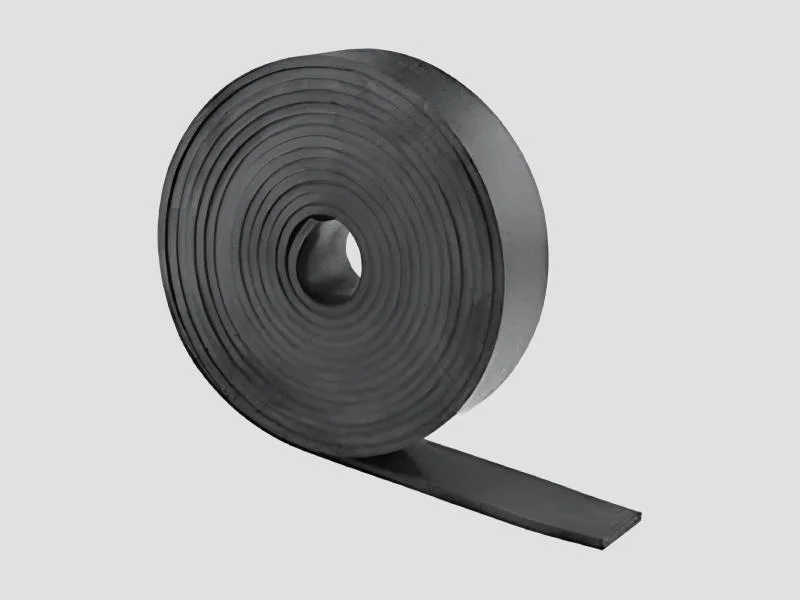
NBR sheets are versatile and can be cut into various shapes for use in seals and gaskets. They provide good mechanical strength and are often used in applications where custom solutions are required.
NBR Coated Fabrics
NBR coated fabrics combine the durability of rubber with the flexibility of textiles. These fabrics are often used in protective clothing and industrial applications requiring resistance to oils and chemicals.
Benefits and Advantages
Nitrile Rubber offers numerous advantages that make it an attractive choice for industrial applications.
Key benefits include:
1. Chemical Resistance: NBR is highly resistant to oils, fuels, and many solvents, making it ideal for demanding environments.
2. Durability: The material's high tensile strength ensures longevity, reducing the frequency of replacements.
3. Versatility: NBR can be formulated to meet specific requirements, making it suitable for a wide range of applications.
4. Cost-Effectiveness: Due to its durability and performance, NBR provides a cost-effective solution for manufacturers.
5. Ease of Processing: NBR can be easily molded and shaped, enabling manufacturers to create complex designs.
6. Temperature Resistance: NBR can function effectively across a broad temperature range, ensuring reliability in various conditions.
Buying Guide for B2B Buyers
When sourcing Nitrile Rubber (NBR), several important factors should be considered to ensure quality and suitability for specific applications.
1. Quality Assessment: Evaluate the quality of NBR based on its specifications such as tensile strength, elongation, and hardness to ensure it meets the needs of your application.
2. Supplier Verification: Vet potential suppliers by checking their credentials, certifications, and customer reviews to ensure they provide reliable products.
3. Pricing and MOQ: Understand the pricing structure and minimum order quantities to align with your budget and purchasing needs.
4. Delivery and Lead Times: Discuss logistics with suppliers to confirm delivery schedules and lead times to avoid delays in your projects.
5. Compliance Requirements: Ensure that the NBR meets relevant industry standards and regulations, particularly for applications in sectors like food processing and medical.
Compliance and Certifications
Nitrile Rubber is subject to various quality standards and certifications that ensure its safety and reliability for industrial use. Compliance with ISO 9001 ensures that manufacturers maintain a consistent quality management system.
Additionally, NBR products often adhere to HACCP and GDP standards, particularly when used in food processing and medical applications. These certifications demonstrate a commitment to safety and quality.
Testing requirements for NBR may include assessments for tensile strength, elongation, and aging resistance. Regional compliance considerations are also crucial, as different areas may have specific regulations governing materials used in industrial applications.
Why Source Nitrile Rubber (NBR) from Pepagora?
Pepagora provides a trusted platform for sourcing Nitrile Rubber (NBR) with several key advantages.
Verified Supplier Network: Pepagora connects buyers with verified suppliers who meet stringent quality and compliance standards, ensuring access to reliable NBR products.
Streamlined RFQ Process: The platform features a user-friendly request for quotation (RFQ) system that simplifies the procurement process, allowing buyers to obtain competitive pricing efficiently.
Trade Assurance and Support: Buyers benefit from trade assurance, providing protection and support throughout the purchasing process, giving added peace of mind.
Regional Coverage: Pepagora has a strong presence in key markets such as India, the GCC, and Southeast Asia, allowing for easy access to NBR suppliers across diverse regions.

 IN
IN