What are Rubber Fillers (Carbon Black, Clay)?
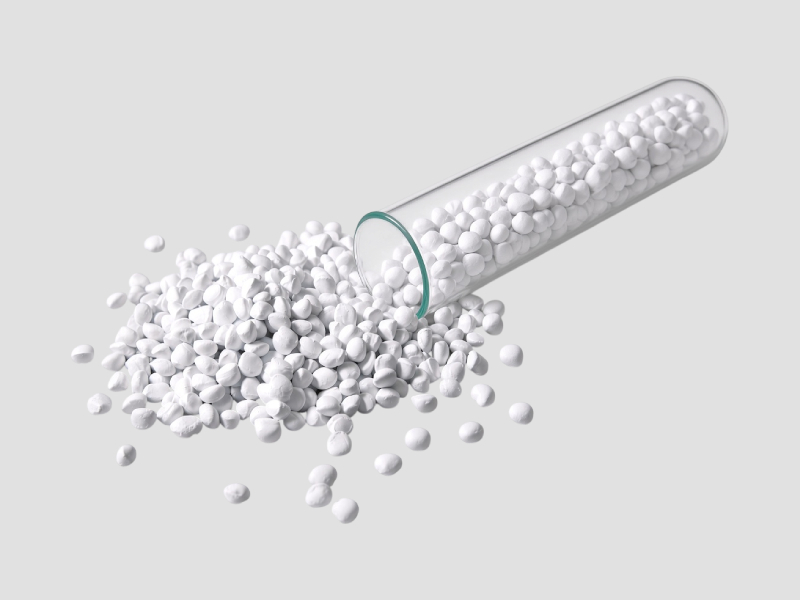
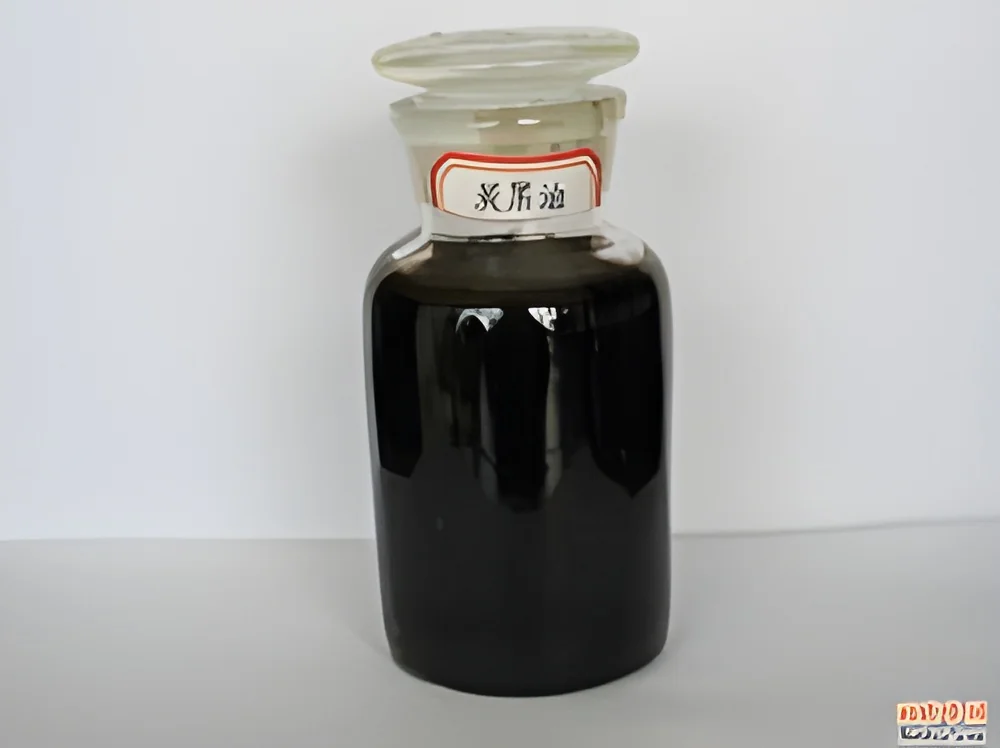
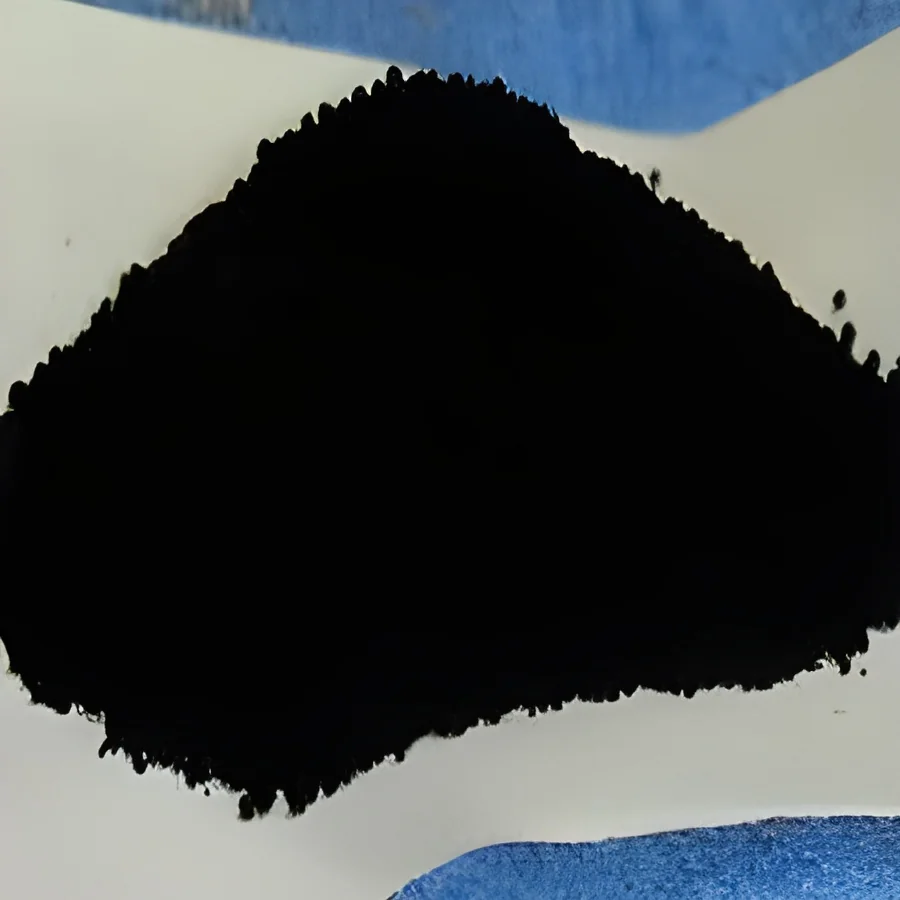
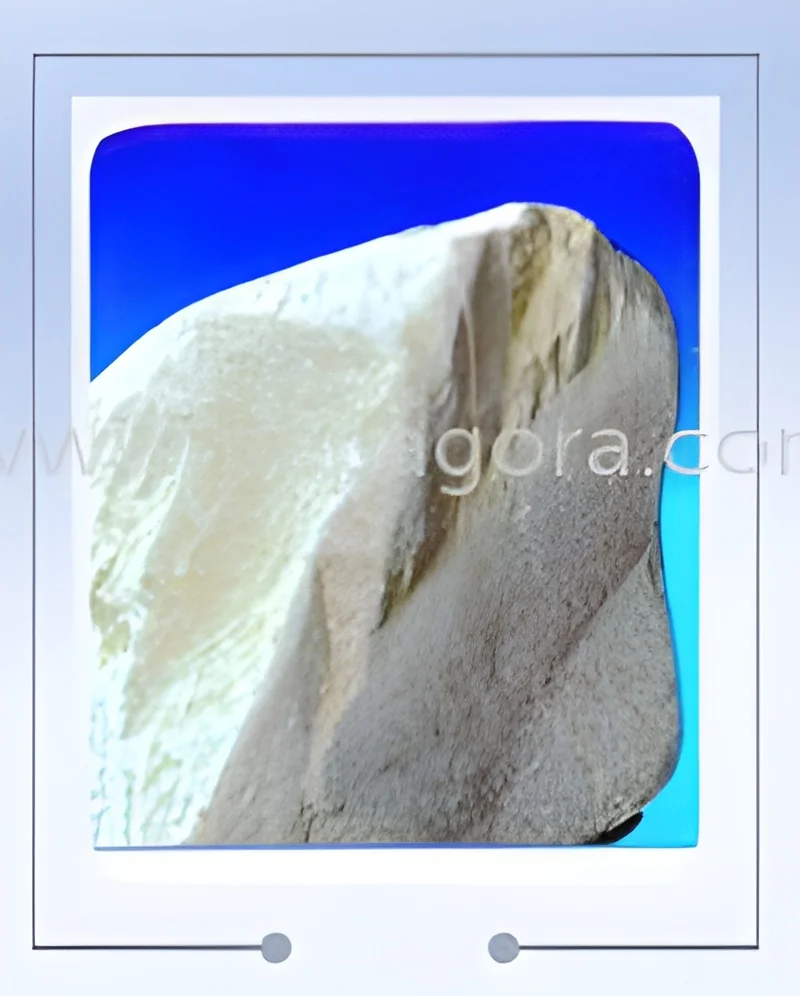
Rubber fillers, primarily carbon black and clay, are essential materials used in the rubber manufacturing industry. Carbon black is a fine black powder made from burning hydrocarbons in insufficient air. It enhances rubber's mechanical properties and durability. Clay, on the other hand, is a naturally occurring mineral that serves as a filler to improve the processing and performance characteristics of rubber compounds. Together, these fillers contribute to the overall quality and performance of rubber products.
The primary applications of rubber fillers include the production of tires, gaskets, seals, and various industrial rubber goods. In the tire industry, carbon black is critical for increasing strength and wear resistance. Clay is often used in lower-cost rubber applications, where it helps to reduce production costs while maintaining acceptable performance. The demand for rubber fillers is closely tied to the growth of the automotive, construction, and consumer goods sectors, making them a vital component in many industrial processes.
๐๐ฒ๐ ๐๐ฒ๐ฎ๐๐๐ฟ๐ฒ๐ ๐ฎ๐ป๐ฑ ๐ฆ๐ฝ๐ฒ๐ฐ๐ถ๐ณ๐ถ๐ฐ๐ฎ๐๐ถ๐ผ๐ป๐
Rubber fillers exhibit several key features and specifications that are critical for industrial applications. Understanding these specifications can help manufacturers select the right fillers for their specific needs.
Key specifications include:
1. Particle Size Distribution
- Fine particle sizes enhance dispersion in rubber compounds.
- Typical ranges from 10 nm to 100 ยตm.
2. Reinforcement Properties
- Carbon black offers varying levels of reinforcement based on its structure.
- Different grades provide options for high-performance or cost-effective applications.
3. Oil Absorption
- Affects the compatibility of fillers with rubber matrices.
- Typically measured in terms of oil absorption index.
4. Purity Level
- High purity ensures minimal contamination and better performance.
- Standard purity levels are over 99% for industrial-grade fillers.
5. pH Levels
- Important for compatibility with other materials in rubber compounds.
- Typically maintained within a neutral range of 6 to 8.
6. Moisture Content
- Affects the storage and processing characteristics of fillers.
- Ideally kept below 2% for optimal performance.
7. Bulk Density
- Influences the overall weight and volume of material needed.
- Common bulk densities range from 0.4 to 1.0 g/cmยณ.
8. Thermal Stability
- Determines the performance of fillers under high temperatures.
- Essential for applications in tires and other heat-sensitive products.
These specifications highlight the importance of selecting the right type of rubber filler to ensure optimal performance in various applications.
๐๐ผ๐บ๐บ๐ผ๐ป ๐๐ฝ๐ฝ๐น๐ถ๐ฐ๐ฎ๐๐ถ๐ผ๐ป๐ ๐ฎ๐ป๐ฑ ๐จ๐๐ฒ ๐๐ฎ๐๐ฒ๐
Rubber fillers are utilized across diverse industries, each benefiting from their unique properties.
1. Automotive Industry: Rubber fillers are integral in tire production, enhancing durability and wear resistance. They help reduce rolling resistance, improving fuel efficiency.
2. Construction Industry: In construction, rubber fillers are used in sealants and gaskets, providing weather resistance and durability in building materials.
3. Consumer Goods: Rubber products like footwear and household items utilize fillers to improve flexibility and reduce costs while maintaining quality.
4. Industrial Manufacturing: In industrial applications, fillers are used in conveyor belts and hoses, where strength and heat resistance are crucial.
5. Electronics: Rubber fillers contribute to the insulation properties of rubber components in electronic devices, ensuring safety and performance.
6. Sports Equipment: In sports goods, fillers are used to create durable and flexible rubber products, such as gym mats and balls.
7. Medical Devices: Rubber fillers enhance the performance of medical products, ensuring safety and reliability in various healthcare applications.
๐ฃ๐ฟ๐ผ๐ฑ๐๐ฐ๐ ๐ฉ๐ฎ๐ฟ๐ถ๐ฎ๐ป๐๐ ๐ฎ๐ป๐ฑ ๐ฆ๐๐ฏ๐ฐ๐ฎ๐๐ฒ๐ด๐ผ๐ฟ๐ถ๐ฒ๐
Rubber fillers come in various forms, each tailored for specific applications and performance needs.
Carbon Black
Carbon black is available in several grades, each offering distinct properties. For example, N220 grade is widely used for high-performance tires due to its superior reinforcement capabilities, while N550 serves well in general rubber goods with moderate performance requirements.
Clay Fillers
Clay fillers vary by type, such as kaolin and bentonite, each providing different benefits. Kaolin is often used for its cost-effectiveness and ability to improve the processing of rubber compounds, while bentonite offers excellent swelling properties, making it suitable for specific industrial applications.
๐๐ฒ๐ป๐ฒ๐ณ๐ถ๐๐ ๐ฎ๐ป๐ฑ ๐๐ฑ๐๐ฎ๐ป๐๐ฎ๐ด๐ฒ๐
Rubber fillers offer a range of benefits that enhance the performance of rubber products.
1. Improved Mechanical Properties: Fillers like carbon black significantly enhance tensile strength and abrasion resistance in rubber.
2. Cost Efficiency: The use of clay as a filler can reduce material costs without compromising quality, making products more affordable.
3. Enhanced Processability: Fillers improve the mixing and processing characteristics of rubber compounds, facilitating easier manufacturing.
4. Versatility: Rubber fillers can be tailored for various applications, from automotive to consumer goods, offering flexibility in product design.
5. Increased Durability: Fillers contribute to the longevity of rubber products, ensuring they perform well under stress and in various environmental conditions.
6. Customization Potential: Many rubber fillers can be modified to meet specific performance criteria, allowing manufacturers to tailor products to their needs.
๐๐๐๐ถ๐ป๐ด ๐๐๐ถ๐ฑ๐ฒ ๐ณ๐ผ๐ฟ ๐๐ฎ๐ ๐๐๐๐ฒ๐ฟ๐
When sourcing rubber fillers, it is essential to consider several key factors to ensure the right selection for your applications.
1. Quality Assessment: Evaluate the quality of fillers based on their specifications, including particle size and purity. Request samples to assess performance in your specific applications.
2. Supplier Verification: Vet potential suppliers for their reliability and reputation. Look for certifications and customer testimonials to ensure they meet industry standards.
3. Pricing and MOQ: Understand the pricing structure and minimum order quantities. Compare costs across suppliers to find competitive rates without sacrificing quality.
4. Delivery and Lead Times: Consider logistics and ensure suppliers can meet your required delivery schedules. Timely delivery is crucial for maintaining production timelines.
5. Compliance Requirements: Ensure that the fillers meet relevant regulatory standards, such as CE certification, to avoid potential compliance issues in your market.
๐๐ผ๐บ๐ฝ๐น๐ถ๐ฎ๐ป๐ฐ๐ฒ ๐ฎ๐ป๐ฑ ๐๐ฒ๐ฟ๐๐ถ๐ณ๐ถ๐ฐ๐ฎ๐๐ถ๐ผ๐ป๐
Rubber fillers must adhere to various quality standards and certifications to ensure safety and performance.
ISO 9001 is a widely recognized quality management standard that many suppliers of rubber fillers comply with. This certification ensures that manufacturers follow consistent quality control processes.
CE certification is also critical, particularly for products used in the European market. It indicates that the product meets safety, health, and environmental protection requirements.
In addition to these certifications, rubber fillers should undergo safety testing to assess their performance under different conditions. This includes evaluating thermal stability and mechanical properties.
Regional compliance considerations may also come into play, depending on where the products will be used. It is important to stay updated on local regulations to ensure full compliance throughout the supply chain.
Why Source Rubber Fillers (Carbon Black, Clay) from Pepagora?
Pepagora offers a trusted platform for sourcing rubber fillers, providing numerous advantages for B2B buyers.
Verified Supplier Network: Pepagora connects buyers with a network of verified suppliers, ensuring that all listed products meet high standards of quality and performance. This reduces the risk of sourcing inferior materials.
Streamlined RFQ Process: The platform features an efficient request for quotation (RFQ) system that simplifies the procurement process. Buyers can easily compare prices and specifications from multiple suppliers, enabling informed decision-making.
Trade Assurance and Support: Pepagora provides trade assurance to protect buyers throughout the transaction process. This includes support for resolving disputes and ensuring that all products meet agreed-upon specifications.
Regional Coverage: With a strong presence in India, the GCC, and Southeast Asia, Pepagora enables buyers to access a wide range of suppliers across different regions. This geographic reach ensures that businesses can find the right materials to meet their local demands.