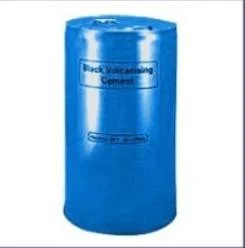
What are Rubber Vulcanizing Agents?
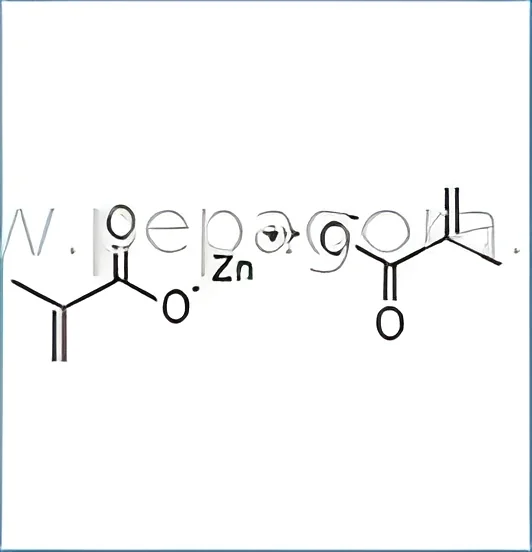
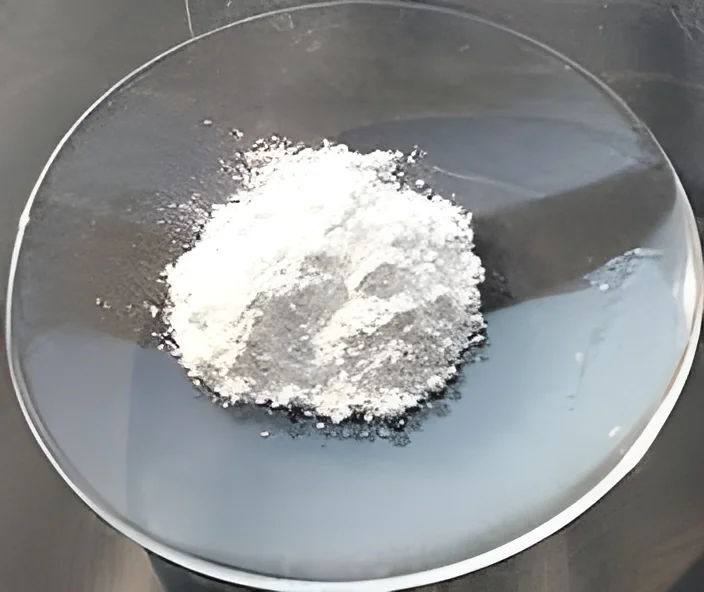
Rubber vulcanizing agents are chemical compounds utilized in the rubber manufacturing process to enhance the material's properties. This process, known as vulcanization, involves the cross-linking of rubber molecules, which transforms raw rubber into a durable and elastic material. Common vulcanizing agents include sulfur, peroxides, and various accelerators that facilitate the curing process.
These agents are predominantly used in the production of tires, seals, gaskets, and various industrial rubber products. By improving heat resistance, tensile strength, and overall durability, vulcanizing agents play a critical role in ensuring that rubber products meet the demands of various applications. Industries ranging from automotive to construction rely heavily on these agents to enhance product performance and longevity.
With increasing demand for high-performance rubber materials, the market for rubber vulcanizing agents is expanding. Companies are focused on developing innovative formulations that cater to specific industry needs. The growth of the automotive sector and the rising demand for durable rubber products are driving this market's relevance and competitiveness.
Key Features and Specifications
Rubber vulcanizing agents come with a range of features and specifications that make them suitable for various applications. Understanding these specifications is crucial for businesses that aim to select the right agent for their manufacturing processes.
Key specifications include:
1. Chemical Composition
- Generally includes sulfur, accelerators, and fillers.
- Varies based on the desired properties of the final rubber product.
2. Curing Temperature
- Typically ranges from 140°C to 180°C.
- Affects the speed and efficiency of the vulcanization process.
3. Processing Time
- Can range from a few minutes to several hours.
- Depends on the specific formulation and application.
4. Mooney Viscosity
- Indicates the viscosity of rubber compounds.
- Essential for assessing processability.
5. Tensile Strength
- Measured in MPa (Megapascals).
- Indicates the strength of the cured rubber.
6. Hardness
- Measured in Shore A or Shore D.
- Affects the flexibility and durability of the final product.
7. Shelf Life
- Usually ranges from 6 months to 2 years.
- Important for inventory management and usage planning.
8. Environmental Stability
- Resistance to aging, heat, and environmental factors.
- Critical for applications exposed to harsh conditions.
In summary, selecting the appropriate rubber vulcanizing agent requires an understanding of these specifications to ensure optimal performance and product quality.
Common Applications and Use Cases
Rubber vulcanizing agents find applications across various industries due to their enhancing properties.
1. Automotive: Used in tire manufacturing for improved durability and performance under different driving conditions.
2. Construction: Essential for creating seals and gaskets that resist environmental wear and maintain structural integrity.
3. Aerospace: Applied in manufacturing components that require high strength and resistance to extreme temperatures.
4. Medical: Utilized in producing rubber products that need to meet strict hygiene and performance standards.
5. Consumer Goods: Found in everyday products like footwear and household items where flexibility and durability are important.
6. Industrial Machinery: Used in parts that need to withstand significant wear and tear while maintaining performance.
7. Electrical: Applied in insulating materials that require high resistance to heat and electrical currents.
Product Variants and Subcategories
While specific subcategories of rubber vulcanizing agents may not be available, there are several notable variants within the product range that serve various needs.
Sulfur-Based Vulcanizing Agents
These agents are widely used due to their effectiveness in providing excellent elasticity and strength. They are common in tire manufacturing and other high-demand rubber products.
Peroxide Vulcanizing Agents
Preferred in applications requiring heat-resistance and chemical stability. They are often used in automotive and industrial applications where high-performance is critical.
Accelerator Systems
These formulations enhance the efficiency of the vulcanization process, allowing for faster curing times and improved product quality. They are essential in high-volume manufacturing settings.
Benefits and Advantages
The use of rubber vulcanizing agents brings several advantages to manufacturers and end-users.
1. Enhanced Durability: Increases the lifespan of rubber products by improving resistance to wear and environmental factors.
2. Improved Elasticity: Provides better flexibility, allowing rubber products to maintain their shape and performance under stress.
3. Greater Heat Resistance: Essential for applications exposed to high temperatures, ensuring consistent performance over time.
4. Customizable Properties: Different formulations allow manufacturers to tailor the rubber characteristics to meet specific application requirements.
5. Cost-Effective Production: Optimizes the manufacturing process by reducing curing times and improving efficiency.
6. Compliance with Standards: Many vulcanizing agents meet industry-specific regulations, making them suitable for use in regulated environments.
Buying Guide for B2B Buyers
When sourcing rubber vulcanizing agents, several key factors should be considered to ensure the right choice for your business needs.
1. Quality Assessment: Evaluate the quality of the vulcanizing agents based on their chemical composition and performance characteristics. Ensure that they meet relevant industry standards.
2. Supplier Verification: Conduct thorough research on potential suppliers. Look for certifications and industry reputation to ensure reliability and product quality.
3. Pricing and MOQ: Understand the pricing structure and minimum order quantities. Compare multiple suppliers to find the best value.
4. Delivery and Lead Times: Consider the logistics involved in sourcing. Confirm lead times to ensure that production schedules are met without delays.
5. Compliance Requirements: Familiarize yourself with any regulatory requirements specific to your industry. Ensure that the agents comply with necessary safety and environmental standards.
Compliance and Certifications
Rubber vulcanizing agents must adhere to various quality and safety standards to ensure they perform effectively and safely in their intended applications.
Relevant quality standards such as ISO 9001 ensure that manufacturers maintain consistent quality management practices. Meeting these standards demonstrates a commitment to product quality and customer satisfaction.
Industry certifications such as UL and CE are essential for products that require compliance with safety regulations. These certifications indicate that the agents have been tested and meet specific safety and performance criteria.
Safety and testing requirements are critical for ensuring that vulcanizing agents do not pose risks during handling and use. Manufacturers should conduct thorough testing to verify the safety of their products.
Regional compliance considerations may vary, and it is essential for manufacturers and suppliers to be aware of local regulations governing chemical products. Ensuring compliance with these regulations helps avoid legal issues and enhances marketability.
Why Source Rubber Vulcanizing Agents from Pepagora?
Pepagora offers a reliable platform for sourcing rubber vulcanizing agents, providing several key advantages to buyers.
Verified Supplier Network: Pepagora connects businesses with a network of verified suppliers, ensuring that buyers can trust the quality of the products they purchase. This network is built on transparency and reliability.
Streamlined RFQ Process: The request for quotation (RFQ) process is designed to be efficient, allowing buyers to quickly obtain pricing and product information from multiple suppliers. This saves time and facilitates better decision-making.
Trade Assurance and Support: Pepagora provides trade assurance to protect buyers' investments. This support includes assistance with negotiations and conflict resolution, ensuring a smooth purchasing experience.
Regional Coverage: Pepagora has a broad geographic reach that includes India, the GCC, and Southeast Asia. This regional coverage allows buyers to access a wide range of products and suppliers, enhancing sourcing opportunities.
In conclusion, Pepagora stands out as a trusted partner for businesses seeking rubber vulcanizing agents, providing a comprehensive platform for quality sourcing and supplier engagement.

 IN
IN