What are Synthetic Rubber Sheets?
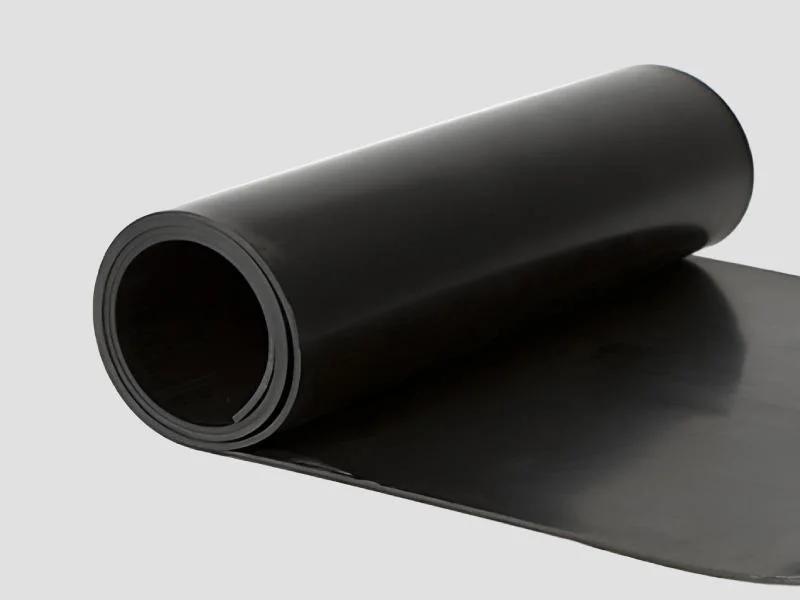
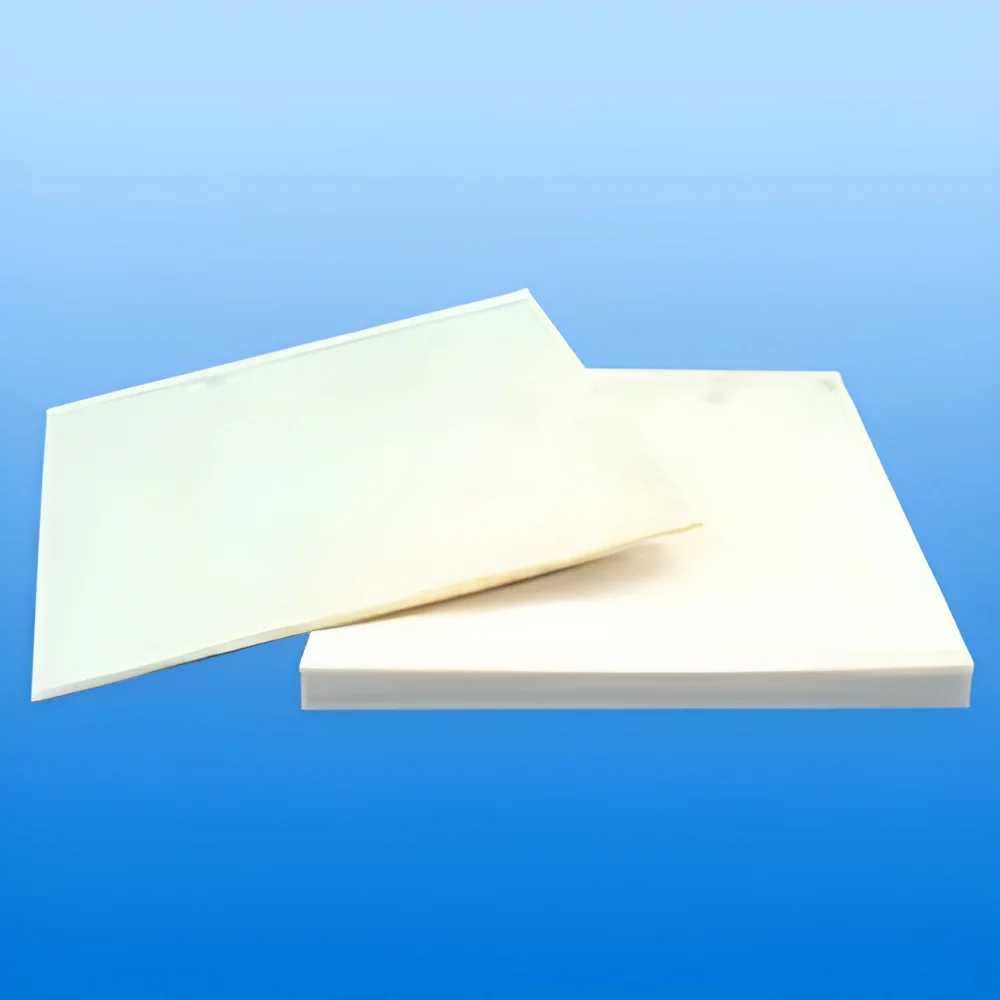
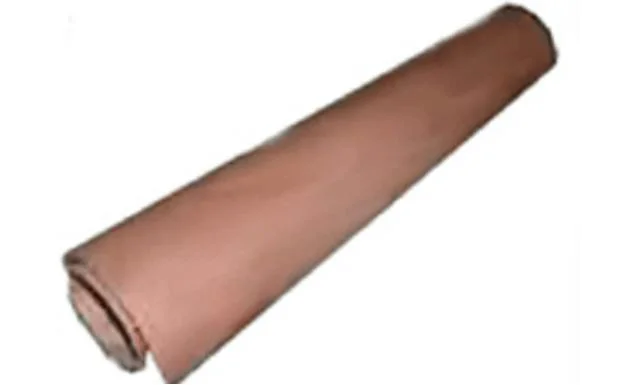
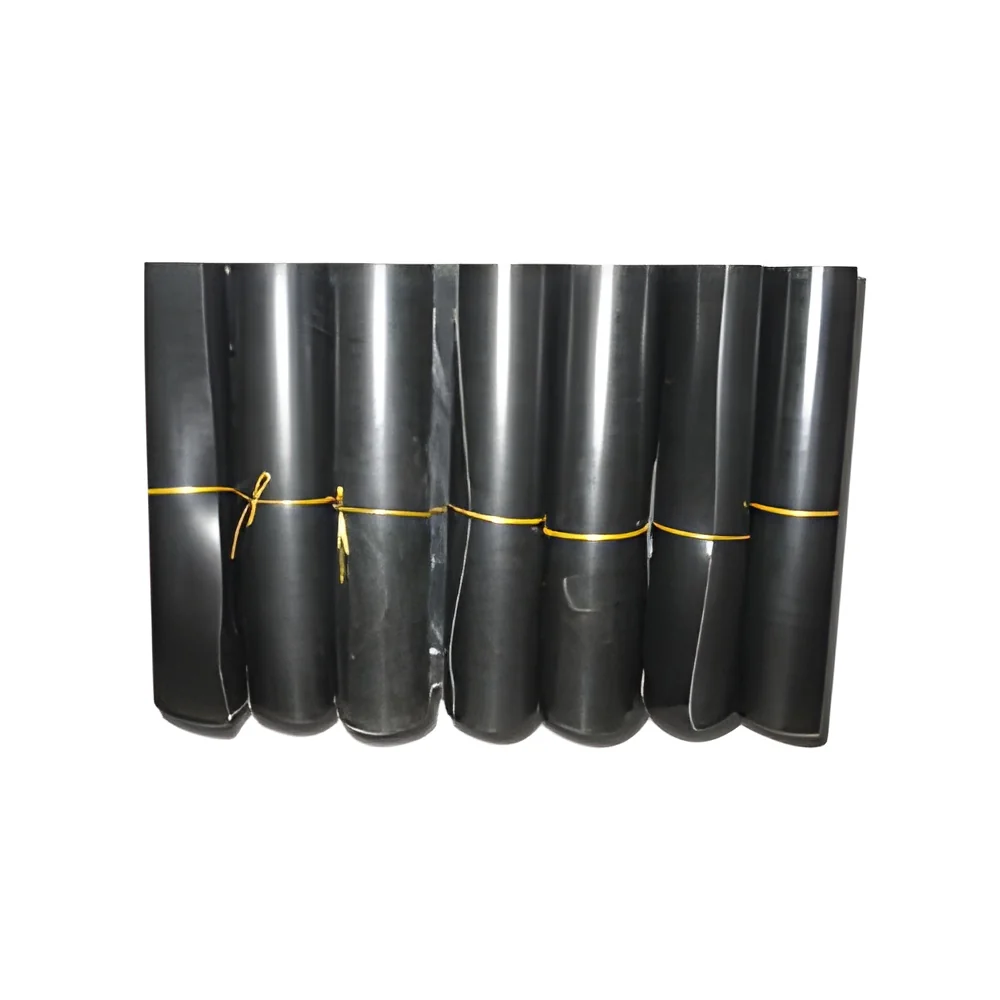
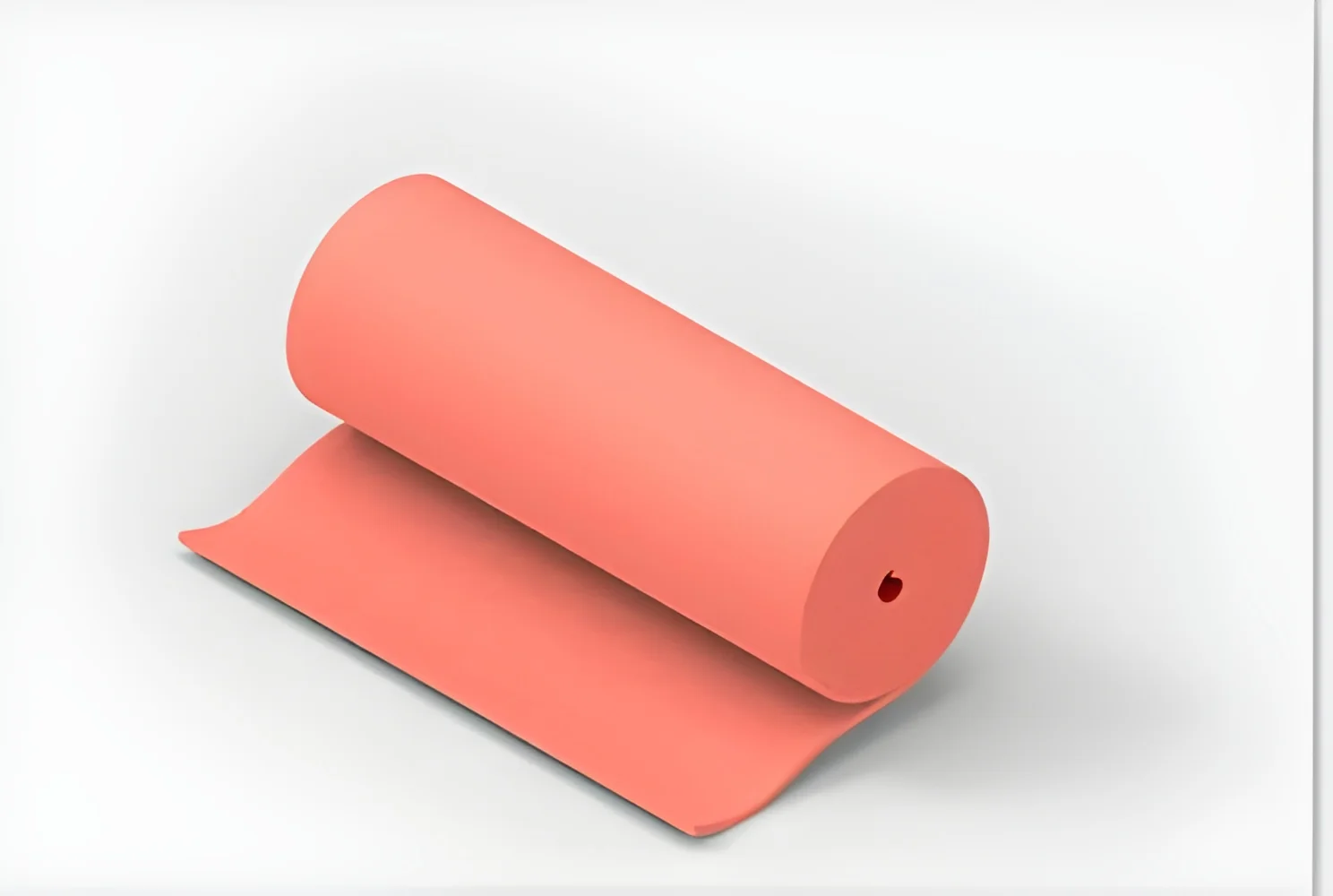
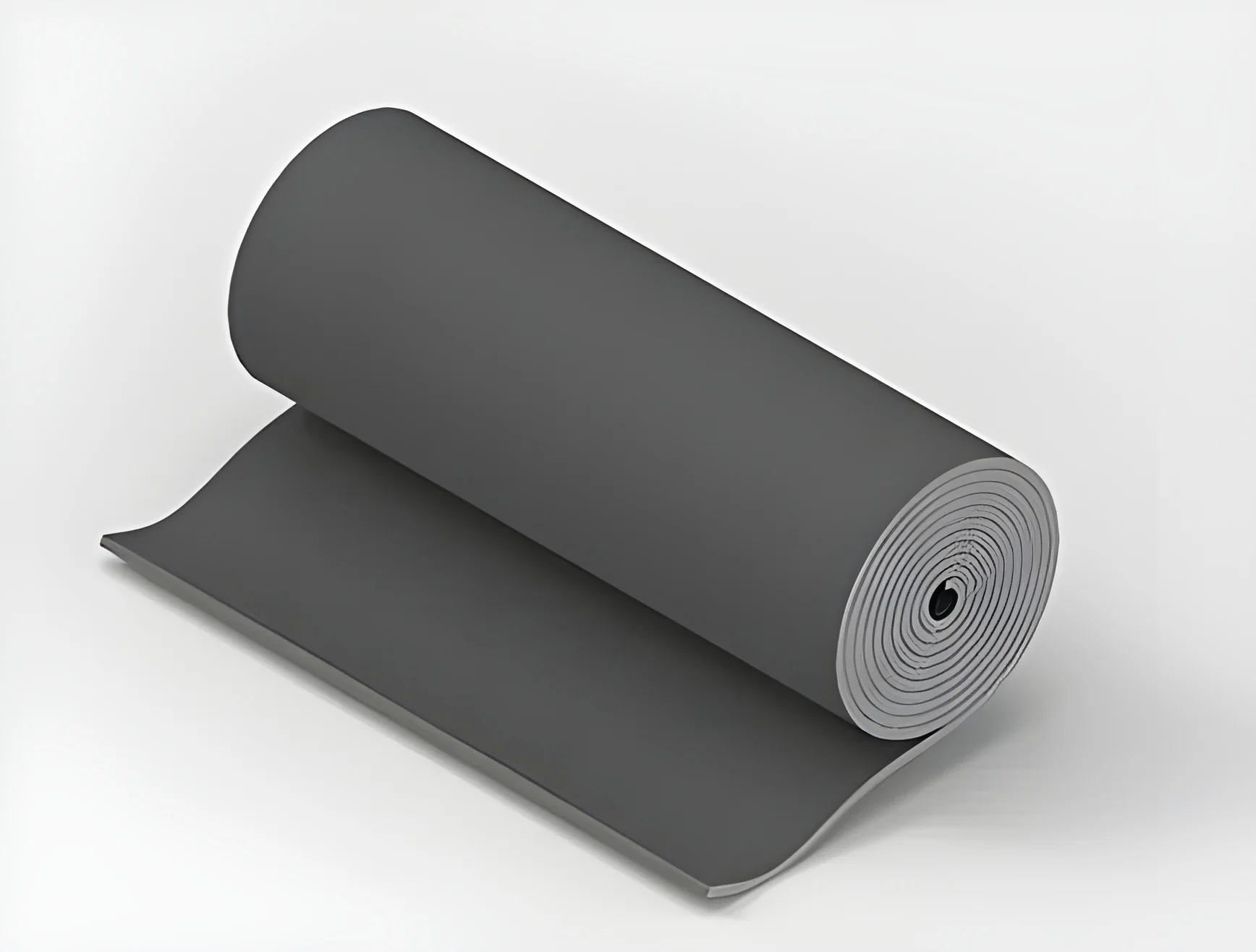
Synthetic rubber sheets are flexible, durable materials manufactured from synthetic elastomers. These sheets are engineered to mimic the properties of natural rubber while offering enhanced resistance to chemicals, weather, and wear. They are produced through a variety of processes and can be tailored to specific applications based on their formulation and thickness.
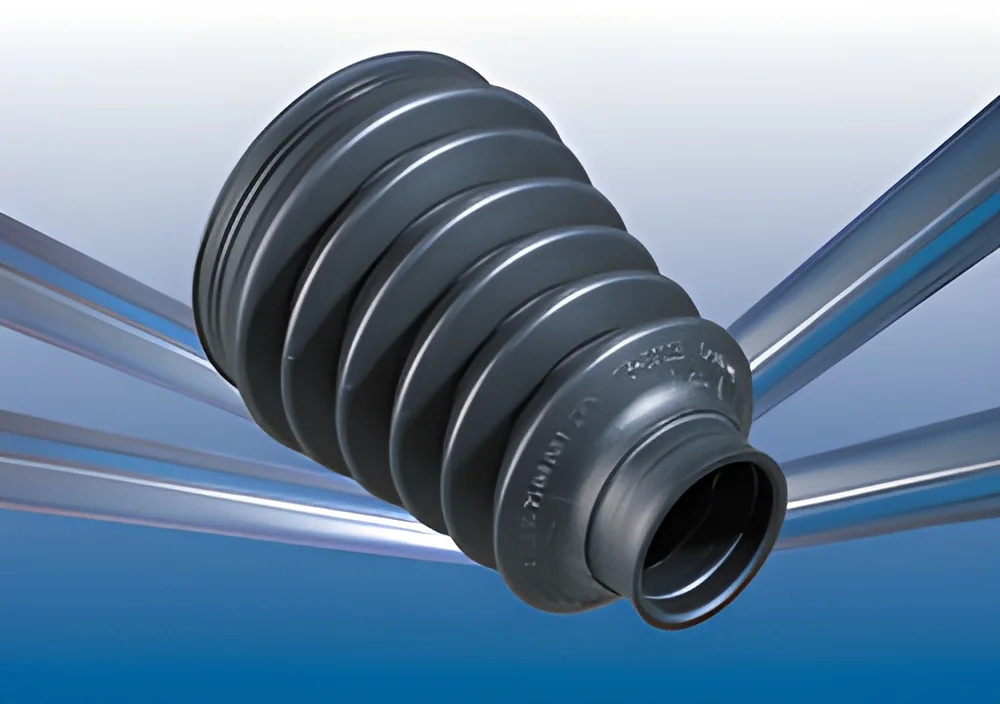
Synthetic rubber sheets find widespread use across multiple industries, including automotive, construction, and manufacturing. Their versatility makes them suitable for gaskets, seals, flooring, and protective coverings. Businesses rely on these sheets to provide effective solutions for both functional and aesthetic applications, making them indispensable in various operational contexts.
The market for synthetic rubber sheets has grown significantly, driven by the increasing demand for high-performance materials in industrial applications. With advancements in manufacturing technologies, these sheets now offer improved characteristics such as temperature resistance and flexibility, further solidifying their relevance in industries that prioritize durability and functionality.
Key Features and Specifications
Synthetic rubber sheets come with a range of features and specifications that cater to diverse industrial needs. These attributes not only enhance their performance but also determine their suitability for specific applications.
Key specifications include:
1. Material Composition
- High-quality synthetic elastomers
- Varying formulations for specific needs
2. Thickness Range
- Typically available from 1 mm to 25 mm
- Custom thickness options may be available
3. Temperature Resistance
- Capable of withstanding temperatures from -40°C to 100°C
- Certain variants may offer enhanced thermal stability
4. Chemical Resistance
- Resistant to a variety of chemicals including oils, acids, and alkalis
- Ideal for use in industrial environments where exposure is common
5. Hardness Levels
- Available in durometers ranging from 30 to 90 Shore A
- Provides options for both soft and hard applications
6. Surface Finish
- Smooth and textured finishes available
- Custom finishes can enhance grip or aesthetic appeal
7. Color Options
- Variety of colors to choose from for branding or visual needs
- Custom color matching available upon request
8. Compliance Standards
- CE certified for safety and performance standards
- Meets various industry-specific requirements
In summary, synthetic rubber sheets are characterized by their diverse specifications, making them adaptable to a wide range of industrial applications while ensuring compliance with necessary standards.
Common Applications and Use Cases
Synthetic rubber sheets are utilized across various sectors, showcasing their versatility and functionality.
1. Automotive Industry: These sheets are commonly used for seals, gaskets, and soundproofing materials in vehicles, providing durability and noise reduction.
2. Construction Industry: In construction, synthetic rubber sheets serve as protective barriers, flooring materials, and waterproofing membranes, contributing to building longevity and safety.
3. Manufacturing Sector: Manufacturing processes often incorporate these sheets for insulation, vibration dampening, and as protective covers for machinery, enhancing operational efficiency.
4. Food Processing: Synthetic rubber sheets are employed in food processing plants, where they serve as conveyor belts and protection against contamination, complying with hygiene standards.
5. Aerospace Industry: In aerospace applications, these sheets are used for seals and insulation, providing resilience in extreme conditions.
6. Medical Equipment: Synthetic rubber sheets are utilized in medical devices and equipment, where biocompatibility and durability are critical.
7. Electronics: In electronics, they provide insulation and protection for sensitive components, ensuring optimal performance.
Product Variants and Subcategories
Synthetic rubber sheets come in various forms, designed to meet specific industry requirements.
General Purpose Sheets: These sheets are suitable for a wide array of applications, offering a balanced mix of durability and flexibility. They are ideal for general industrial use.
High-Temperature Sheets: Specifically engineered to withstand elevated temperatures, these sheets are used in applications where heat resistance is essential, such as automotive and aerospace industries.
Oil-Resistant Sheets: Designed to endure exposure to oils and fuels, these sheets are essential for applications in the automotive and manufacturing sectors, where chemical exposure is common.
Electrically Conductive Sheets: These sheets are formulated to dissipate static electricity, making them ideal for use in electronics and sensitive environments.
Benefits and Advantages
Choosing synthetic rubber sheets comes with several significant benefits.
1. Durability: Synthetic rubber sheets are engineered to withstand wear and tear, ensuring longevity in demanding applications.
2. Versatility: These sheets can be customized for various industries, allowing businesses to find the right solution for their specific needs.
3. Cost-Effectiveness: Synthetic rubber sheets offer a balance of performance and affordability, making them a practical choice for budget-conscious businesses.
4. Chemical Resistance: Their ability to resist chemicals enhances their usability in industrial settings, minimizing the risk of damage.
5. Temperature Tolerance: Many variants can resist extreme temperatures, making them suitable for applications in challenging environments.
6. Ease of Installation: Synthetic rubber sheets are lightweight and easy to handle, simplifying the installation process and reducing labor costs.
Buying Guide for B2B Buyers
When sourcing synthetic rubber sheets, it is important to consider several key factors to ensure a successful purchase.
1. Quality Assessment: Look for suppliers that provide detailed information on material quality and performance standards. Verify certifications and test reports to ensure compliance with relevant industry standards.
2. Supplier Verification: Conduct thorough research on potential suppliers. Check their reputation, customer reviews, and history of delivery performance to ensure reliability.
3. Pricing and MOQ: Understand the pricing structure and minimum order quantities (MOQ) that suppliers offer. This will help in budgeting and determining the feasibility of procurement.
4. Delivery and Lead Times: Clarify delivery schedules and lead times with suppliers. Timely delivery is crucial to maintain operational continuity and avoid production delays.
5. Compliance Requirements: Ensure that the synthetic rubber sheets meet all necessary regulatory requirements specific to your industry, such as safety and environmental standards.
Compliance and Certifications
Synthetic rubber sheets are subject to various compliance and certification requirements that ensure their safety and performance.
Relevant quality standards such as ISO 9001 focus on ensuring consistent quality management systems in manufacturing processes. Compliance with these standards is crucial for reliability and customer satisfaction.
Industry certifications such as CE indicate that the products meet European safety standards, providing assurance to users about their safety and efficacy in applications.
Safety and testing requirements are essential in confirming that synthetic rubber sheets can withstand the conditions they are used in. This includes assessments for temperature tolerance, chemical exposure, and physical durability.
Regional compliance considerations should also be taken into account, as different markets may have specific regulatory frameworks that affect the use and sourcing of synthetic rubber sheets.
Why Source Synthetic Rubber Sheets from Pepagora?
Pepagora provides an exceptional platform for sourcing synthetic rubber sheets with numerous advantages for B2B buyers.
Verified Supplier Network: Pepagora has a comprehensive network of verified suppliers, ensuring that buyers are connected with reliable and quality manufacturers. This reduces the risk of sourcing from untrustworthy sources.
Streamlined RFQ Process: The platform offers a simplified request for quotation (RFQ) process, making it easy for buyers to obtain quotes from multiple suppliers efficiently. This streamlining saves time and aids in making informed purchasing decisions.
Trade Assurance and Support: Pepagora offers trade assurance, protecting buyers against potential issues during transactions. This support ensures a smooth purchasing experience, providing peace of mind.
Regional Coverage: With a strong presence in regions such as India, the Gulf Cooperation Council (GCC), and Southeast Asia, Pepagora caters to a wide geographic area. This regional coverage helps buyers find local suppliers and reduces shipping times and costs.

 IN
IN