What are Reclaimed Rubber?
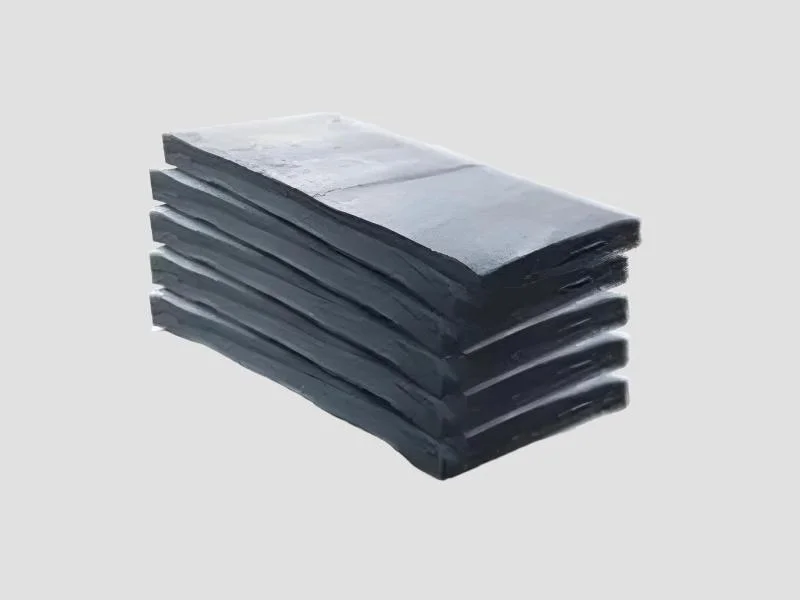
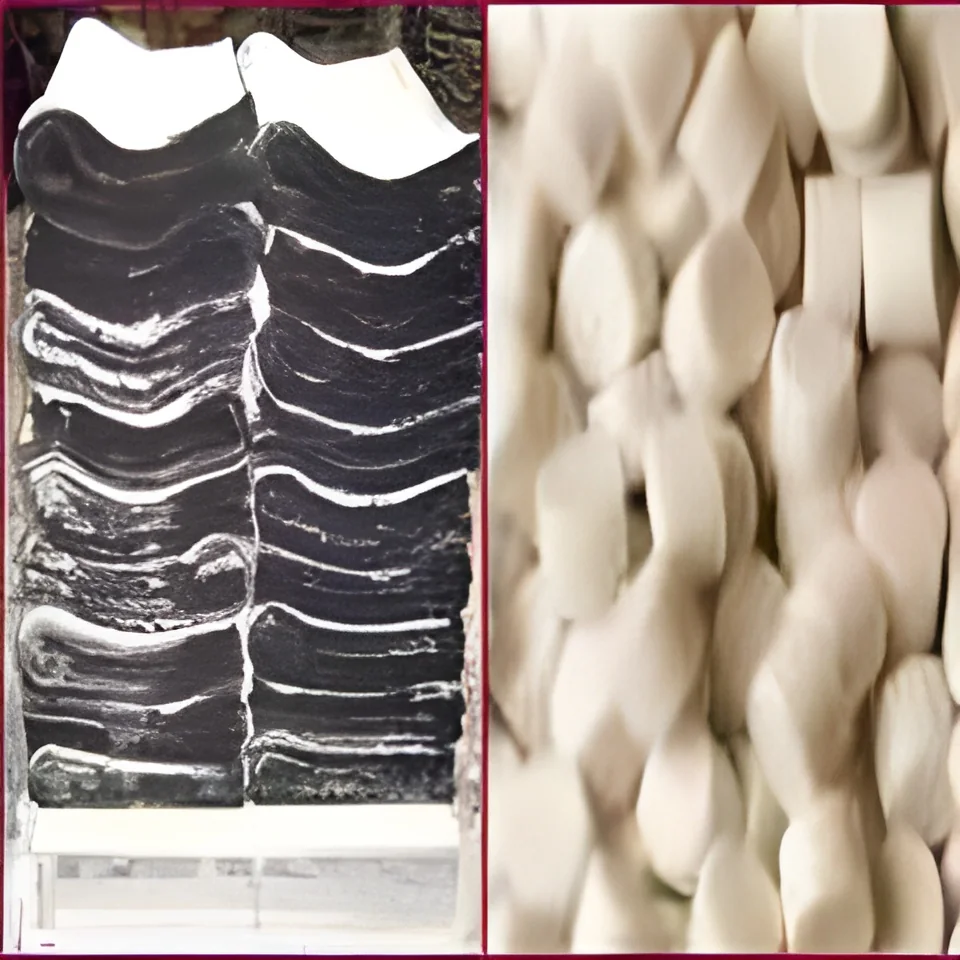
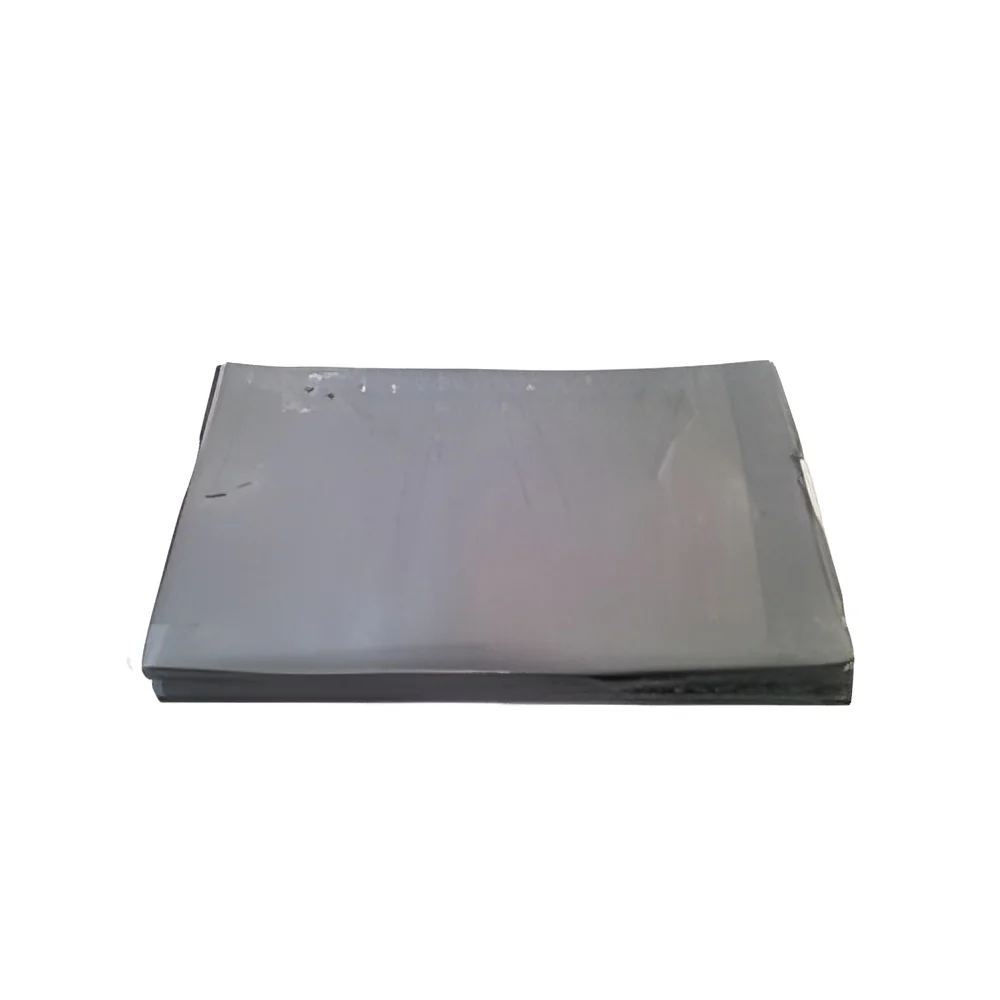
Reclaimed rubber is a material produced from recycled rubber products, typically derived from used tires and various rubber goods. The process involves mechanical and chemical treatment to break down the rubber and remove impurities. This sustainable approach not only reduces waste but also offers a cost-effective alternative to virgin rubber. Reclaimed rubber retains many of the properties of original rubber, making it suitable for various applications.
The primary uses of reclaimed rubber span across multiple industries, including automotive, construction, and manufacturing. Businesses utilize reclaimed rubber for products like mats, flooring, seals, and gaskets. Its versatility and eco-friendly nature have made it increasingly popular in the industrial sector. As sustainability becomes a priority for many companies, reclaimed rubber represents a viable solution that meets both economic and environmental goals.
In the current market context, reclaimed rubber is gaining traction as industries seek to lower their carbon footprint. With rising awareness of environmental issues, more companies are turning to recycled materials to fulfill their production needs. The reclaimed rubber market is expected to grow, driven by increasing regulations on waste management and a push for sustainable raw materials.
Key Features and Specifications
Reclaimed rubber offers several notable features that enhance its appeal for industrial applications. Its production involves stringent processes that ensure quality and performance. Businesses looking to integrate reclaimed rubber into their operations should be aware of key specifications that define its characteristics.
Key specifications include:
1. Material Composition
- Typically consists of recycled tire rubber and other rubber products.
- Contains a mix of natural and synthetic rubber components.
2. Hardness
- Usually measured on the Shore A scale.
- Ranges from 40 to 100 Shore A, depending on the application.
3. Tensile Strength
- Indicates the rubber's resistance to stretching.
- Typical values range from 5 to 20 MPa.
4. Elongation at Break
- Measures how much the rubber can stretch before breaking.
- Generally falls between 100% and 500%.
5. Aging Resistance
- Evaluates the rubber's ability to withstand environmental factors.
- Performance varies based on formulation and treatment.
6. Processing Temperature
- Recommended ranges for processing and molding.
- Typically between 150°C to 180°C.
7. Odor Control
- Newer formulations may include features for odor reduction.
- Essential for applications in enclosed spaces.
In summary, reclaimed rubber's specifications highlight its adaptability and performance in various industrial applications. Businesses can leverage these features to meet specific operational needs while promoting sustainability.
Common Applications and Use Cases
Reclaimed rubber serves a diverse range of industries, showcasing its versatility and functionality.
1. Automotive Industry: Reclaimed rubber is used in the manufacturing of seals, gaskets, and various automotive components. Its durability makes it ideal for parts that require flexibility and resistance to wear.
2. Construction Industry: In construction, reclaimed rubber is utilized for flooring materials, soundproofing, and insulation. Its shock-absorbing properties enhance comfort and safety in commercial and residential buildings.
3. Manufacturing Industry: Many manufacturers incorporate reclaimed rubber in the production of mats, conveyor belts, and industrial components. Its cost-effectiveness and reliability make it a preferred choice for many applications.
4. Sports and Recreational Facilities: Reclaimed rubber is increasingly used in sports surfaces, playgrounds, and gym flooring. Its cushioning effect provides safety for users while offering excellent traction.
5. Agriculture: In agricultural settings, reclaimed rubber is used in mats and liners. Its resistance to moisture and wear makes it suitable for various farming applications.
6. Consumer Products: Reclaimed rubber finds its way into consumer goods like footwear and accessories. Its eco-friendly nature appeals to environmentally conscious consumers.
7. Marine Applications: The marine industry utilizes reclaimed rubber for seals and protective coverings due to its resistance to water and other harsh conditions.
Product Variants and Subcategories
Reclaimed rubber exhibits a range of characteristics that can be tailored to specific applications. The diversity in formulation leads to different product variants.
Standard Reclaimed Rubber
This variant is suitable for general applications where durability and cost-effectiveness are required. It is commonly used in automotive parts and industrial products.
Specialty Reclaimed Rubber
Designed for specific applications, this variant may include additives that enhance properties such as flexibility, weather resistance, or chemical stability. It is often used in niche markets like aerospace or medical devices.
Benefits and Advantages
Reclaimed rubber offers numerous benefits that make it an attractive option for businesses.
1. Cost-Effectiveness: Utilizing reclaimed rubber can significantly lower material costs compared to virgin rubber. This makes it a budget-friendly choice for manufacturers.
2. Environmental Sustainability: By recycling used rubber, companies contribute to waste reduction and environmental conservation, aligning with global sustainability goals.
3. Versatility: Reclaimed rubber can be tailored to meet various performance requirements, making it suitable for a wide range of applications across different industries.
4. Durability: The properties of reclaimed rubber ensure long-lasting performance, which helps reduce replacement and maintenance costs for businesses.
5. Reduced Carbon Footprint: Sourcing reclaimed rubber helps minimize the carbon footprint associated with production, supporting eco-friendly initiatives.
6. Compliance with Regulations: Many reclaimed rubber products meet industry standards and regulations, ensuring safety and performance in their applications.
Buying Guide for B2B Buyers
When sourcing reclaimed rubber, businesses should consider several key factors to ensure they make informed purchasing decisions.
1. Quality Assessment: Evaluate the quality of reclaimed rubber by reviewing certifications and specifications. Look for third-party testing results that demonstrate performance and safety.
2. Supplier Verification: Vet potential suppliers by checking their reputation, customer reviews, and industry experience. Establishing a reliable supplier relationship is crucial for consistent quality.
3. Pricing and MOQ: Understand the pricing structure and minimum order quantities (MOQ) associated with reclaimed rubber. Compare quotes from multiple suppliers to find the best deal.
4. Delivery and Lead Times: Assess the logistics involved in delivery, including lead times and shipping options. Timely delivery is essential for maintaining production schedules.
5. Compliance Requirements: Ensure that the reclaimed rubber meets regulatory standards relevant to your industry. Familiarize yourself with certifications such as CE to ensure compliance with safety regulations.
Compliance and Certifications
Reclaimed rubber is subject to various quality standards and certifications that ensure its safety and performance across industries.
ISO 9001 is a crucial quality management standard applicable to manufacturers of reclaimed rubber. It outlines best practices for quality control and continuous improvement, ensuring that products meet customer expectations.
Industry certifications like CE indicate compliance with European safety standards, making reclaimed rubber suitable for use in various applications. This certification assures buyers of the product's safety and reliability.
Additionally, reclaimed rubber must adhere to safety and testing requirements that vary by region. Depending on the intended application, businesses should be aware of specific compliance considerations that may affect their sourcing decisions.
Why Source Reclaimed Rubber from Pepagora?
Pepagora offers a trusted platform for sourcing reclaimed rubber, providing several key advantages for businesses.
Verified Supplier Network: Pepagora connects buyers with a network of verified suppliers, ensuring quality and reliability in sourcing reclaimed rubber. This helps businesses find trustworthy partners for their needs.
Streamlined RFQ Process: The platform simplifies the request for quotation (RFQ) process, allowing buyers to easily compare offers from multiple suppliers. This efficiency helps stakeholders make informed decisions quickly.
Trade Assurance and Support: Pepagora provides trade assurance and buyer protection features. This support reduces risks associated with transactions and fosters confidence in sourcing reclaimed rubber.
Regional Coverage: With a focus on markets in India, the GCC, and Southeast Asia, Pepagora ensures comprehensive regional coverage. This geographic reach allows businesses to tap into local suppliers and benefit from competitive pricing and timely delivery.
Overall, sourcing reclaimed rubber from Pepagora provides a reliable solution for businesses seeking high-quality materials while promoting sustainable practices.

 IN
IN