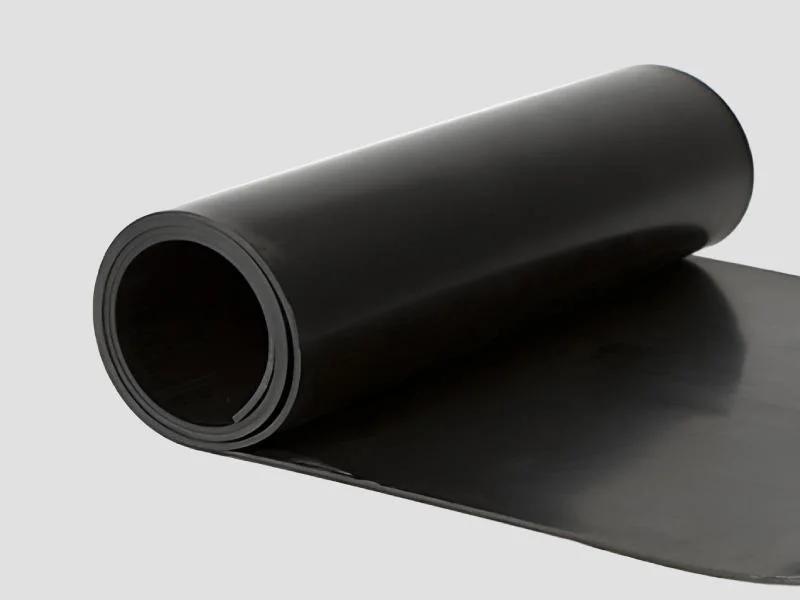
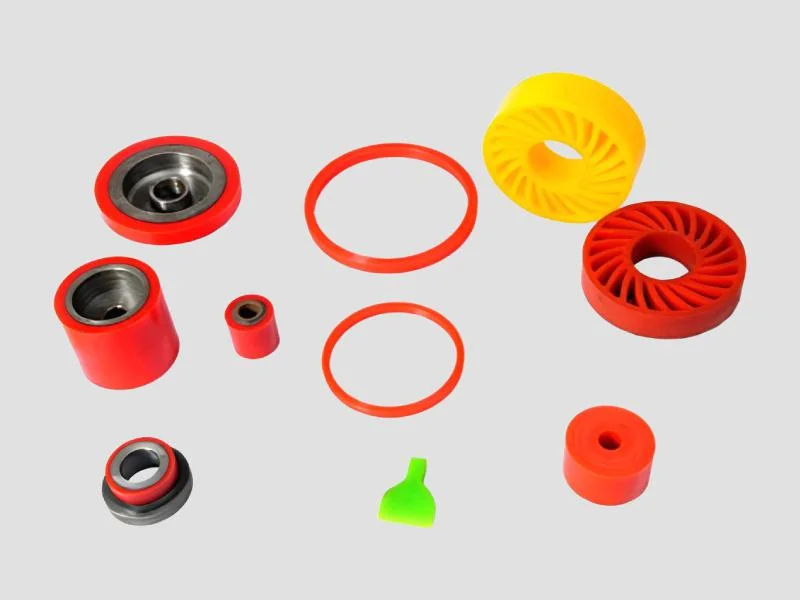
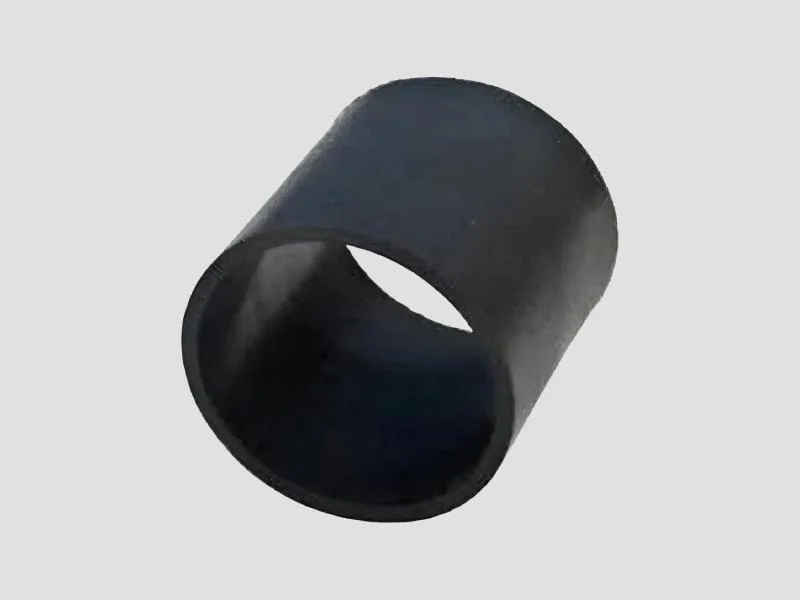
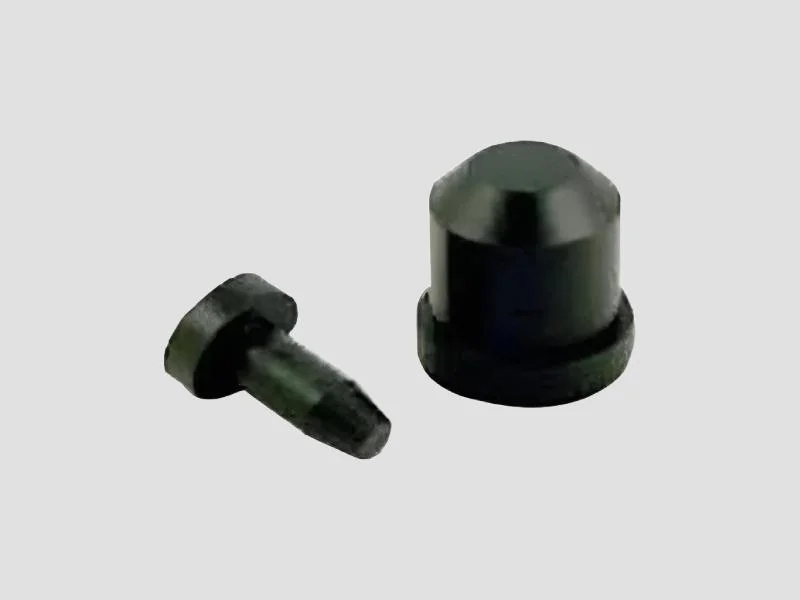
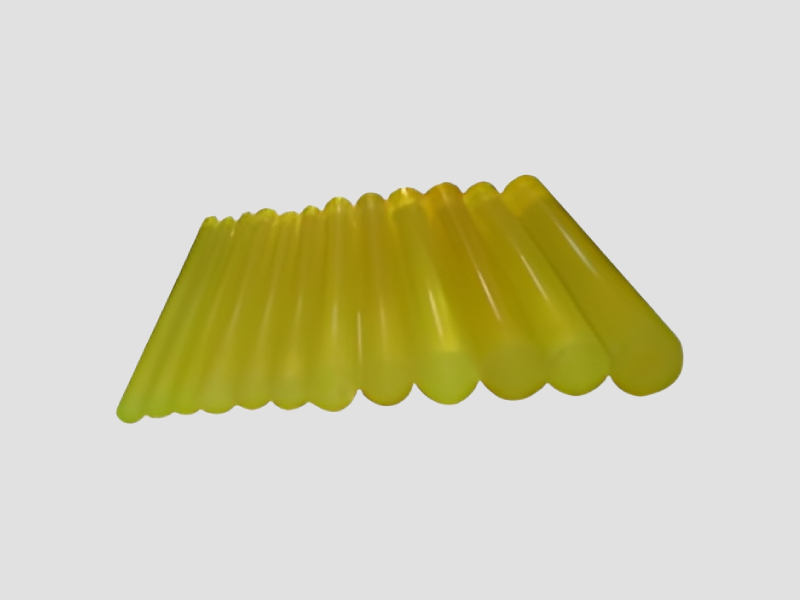
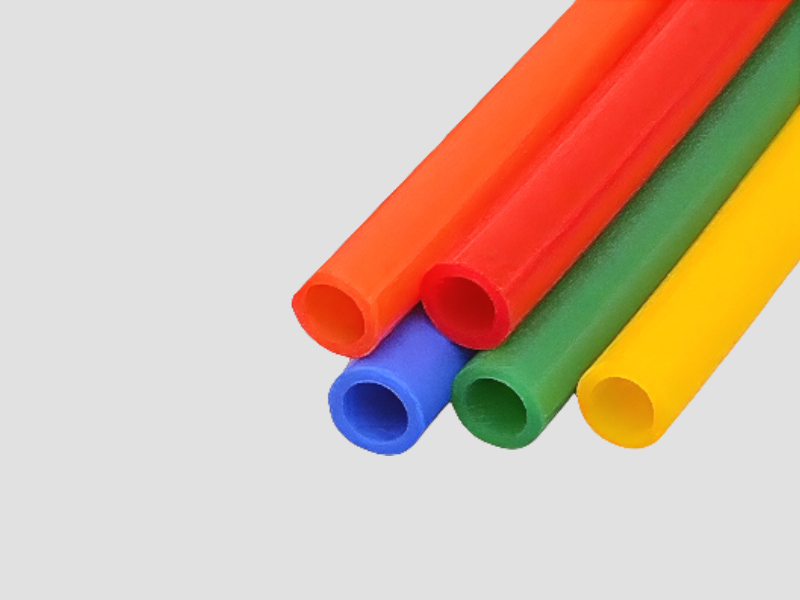
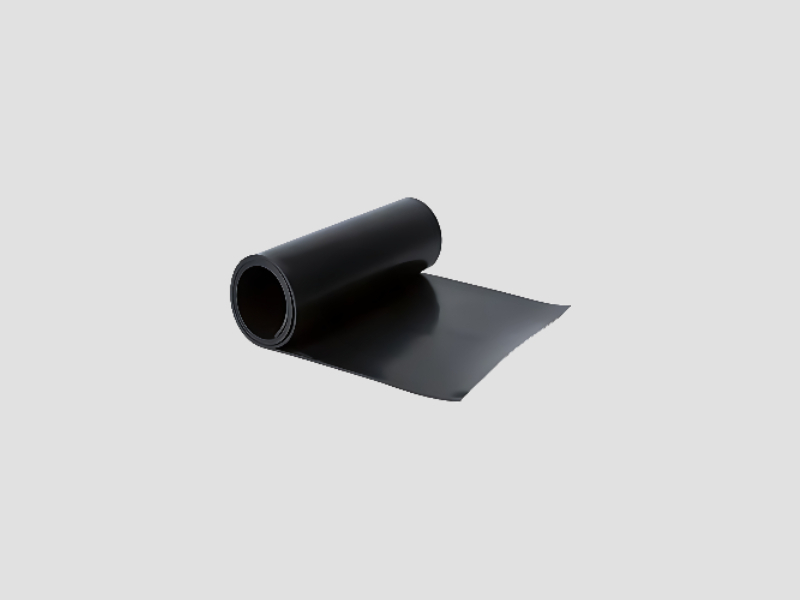
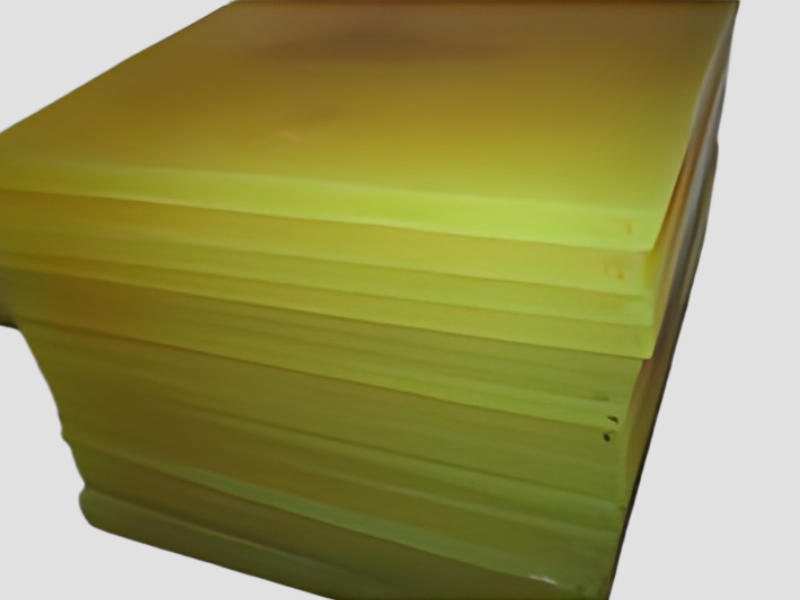
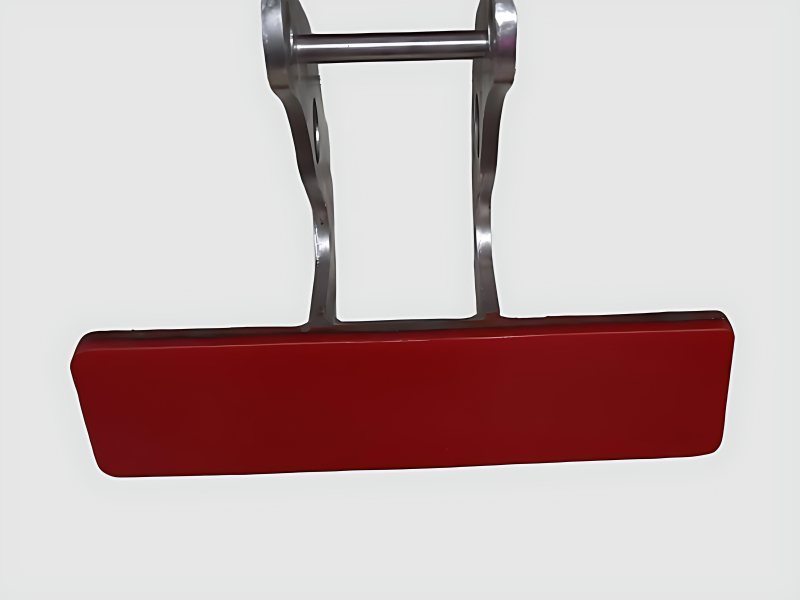
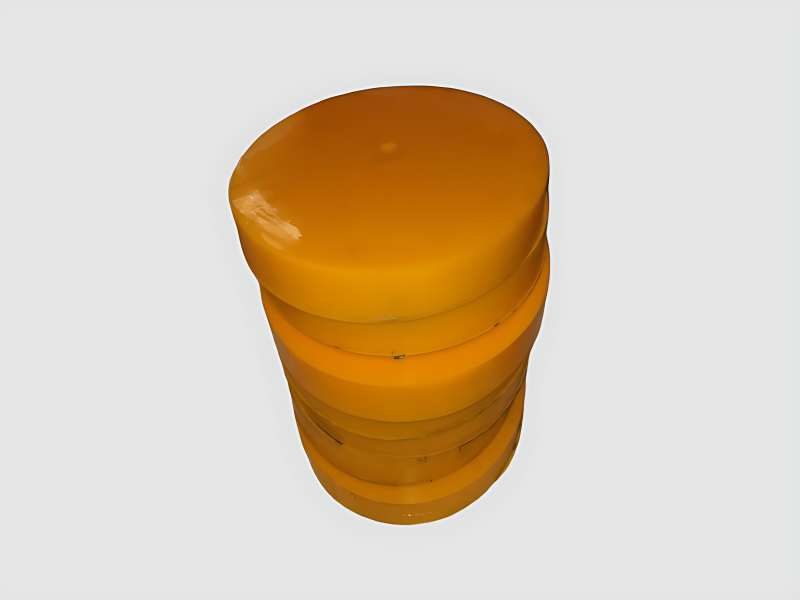
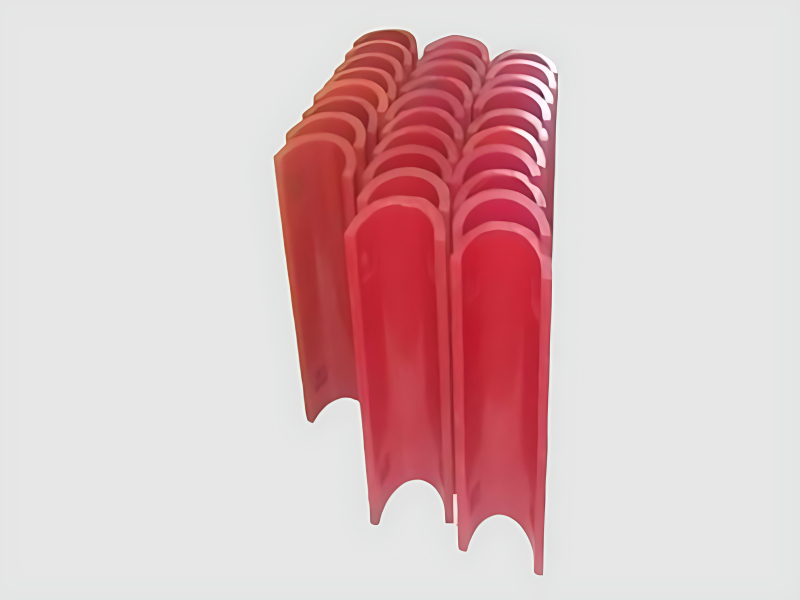
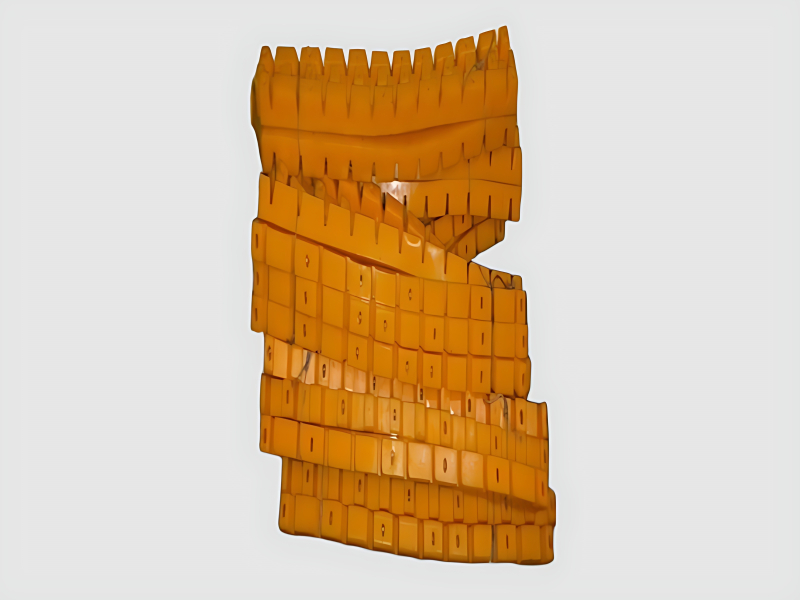
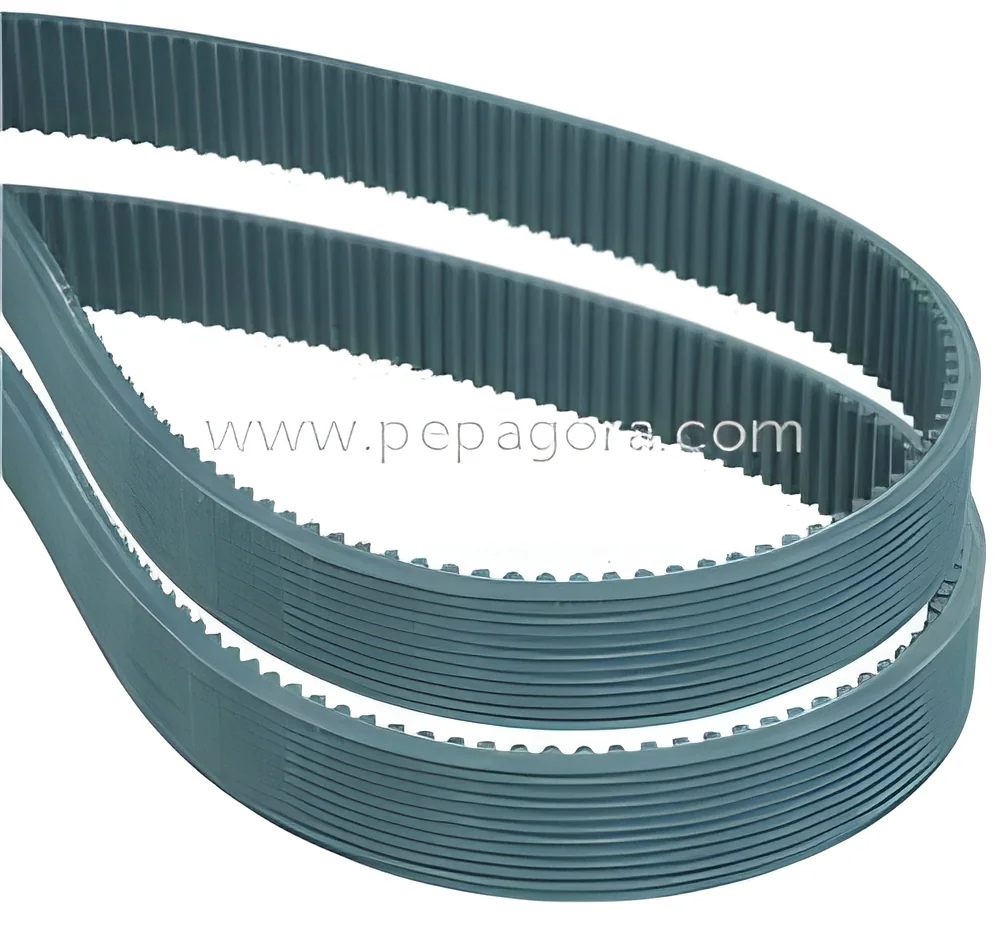
𝗪𝗵𝗮𝘁 𝗮𝗿𝗲 𝗥𝘂𝗯𝗯𝗲𝗿 𝗥𝗮𝘄 𝗠𝗮𝘁𝗲𝗿𝗶𝗮𝗹𝘀?
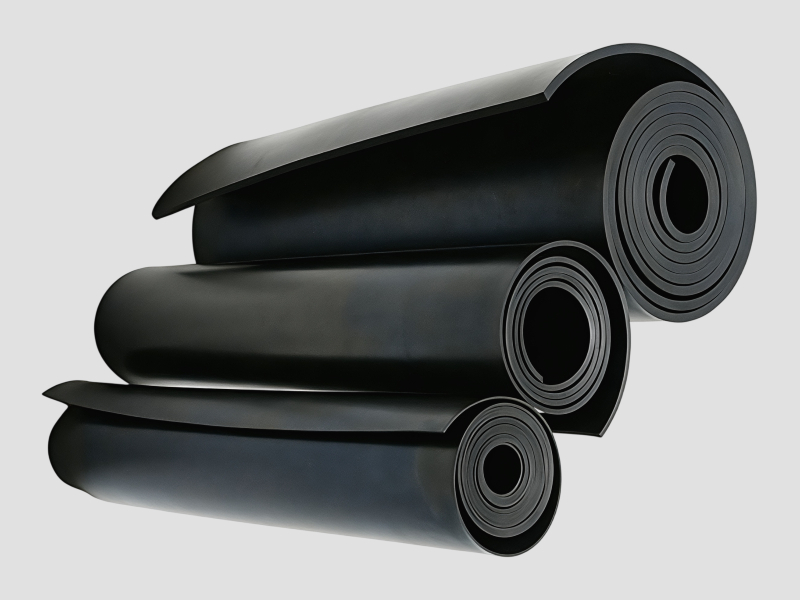
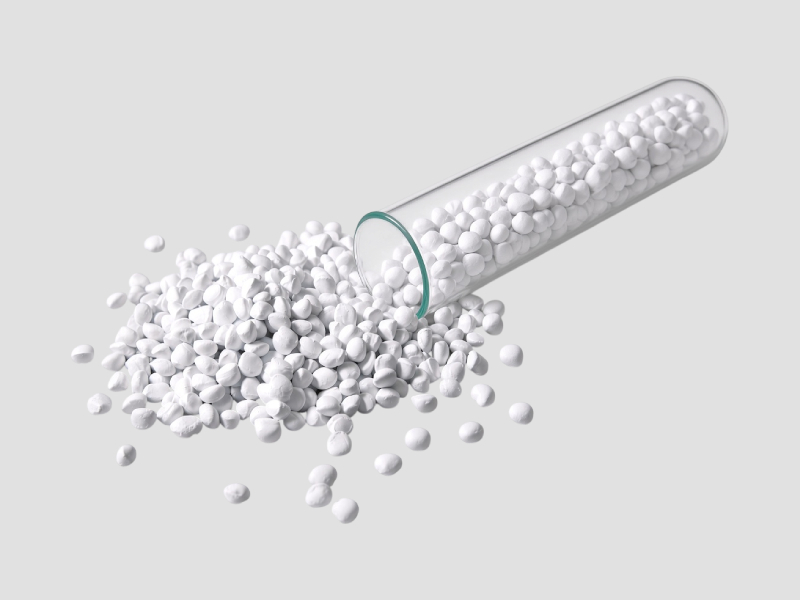
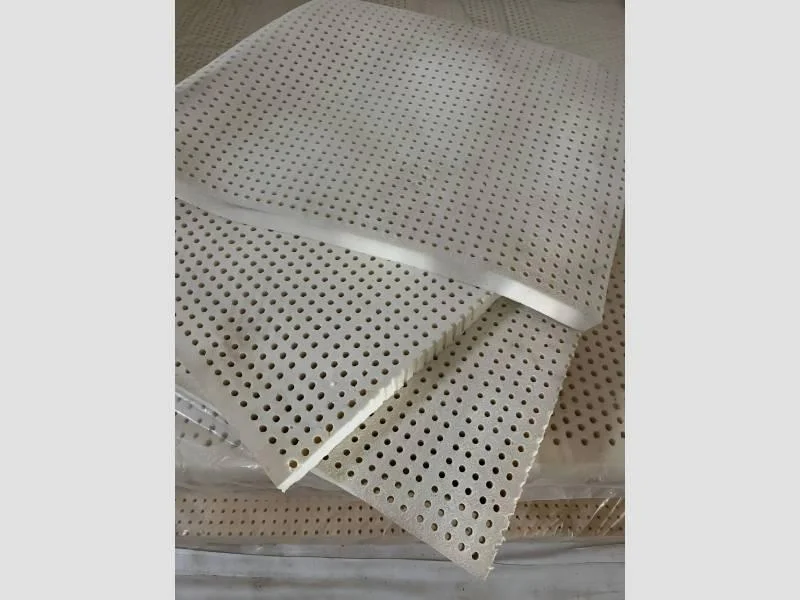
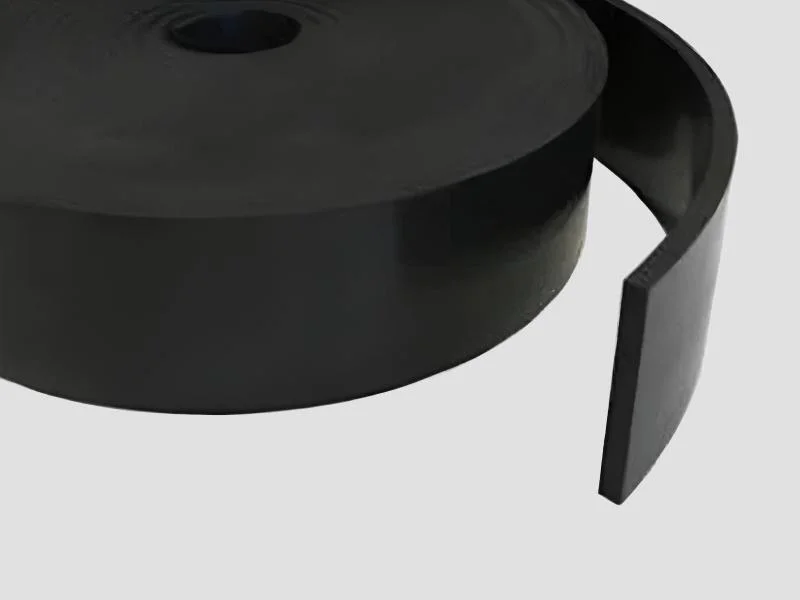
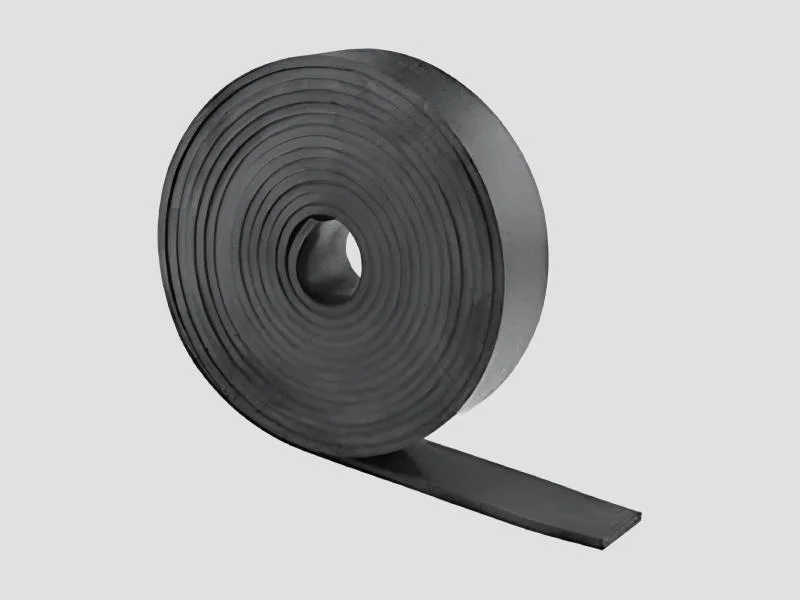
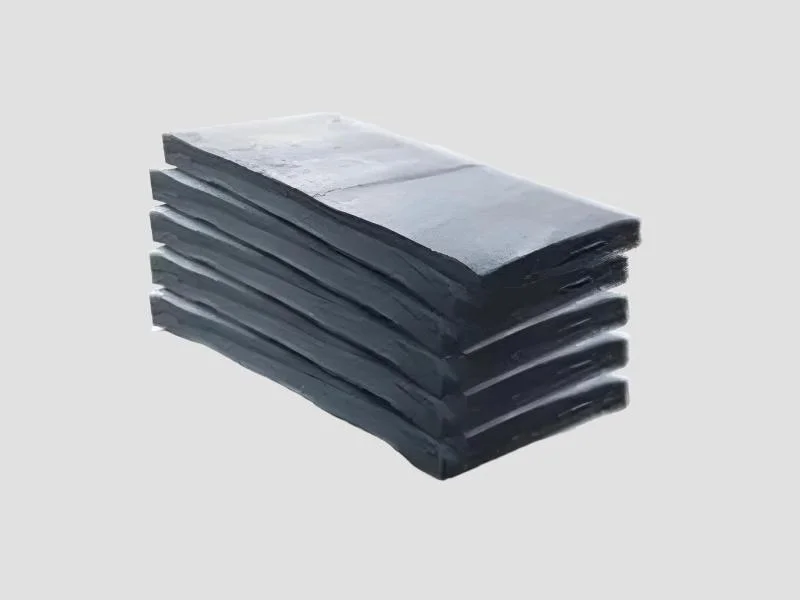
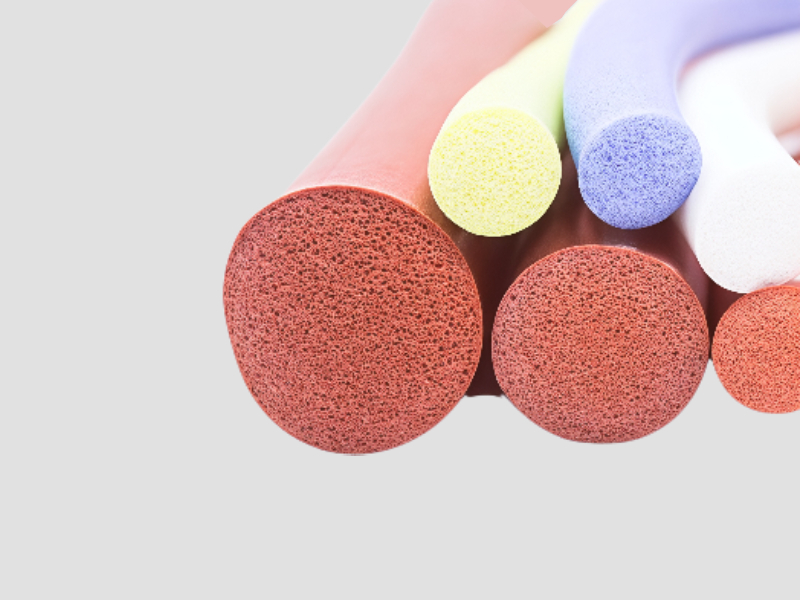
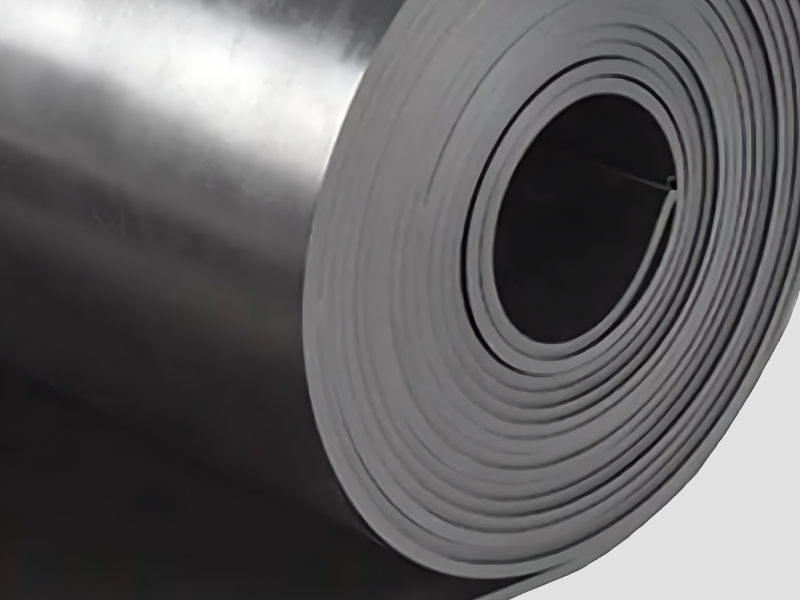
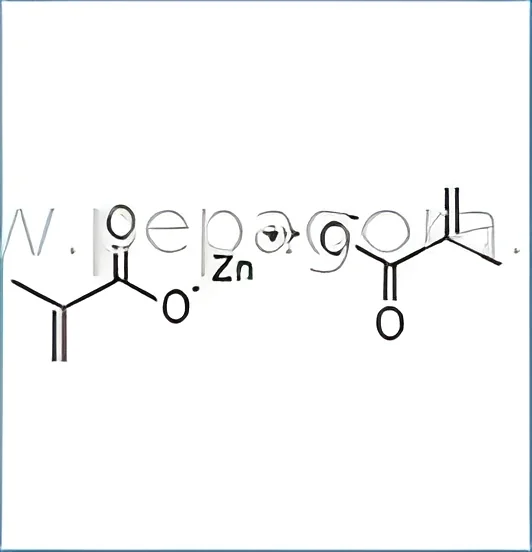
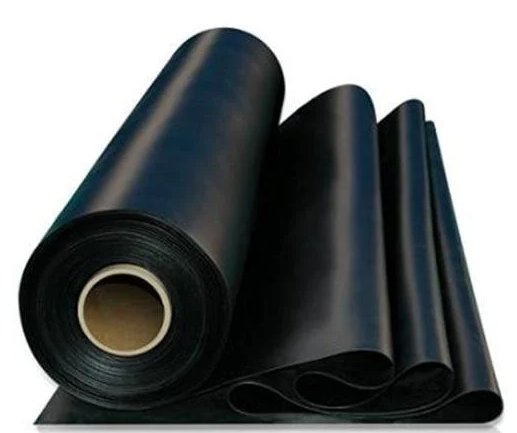
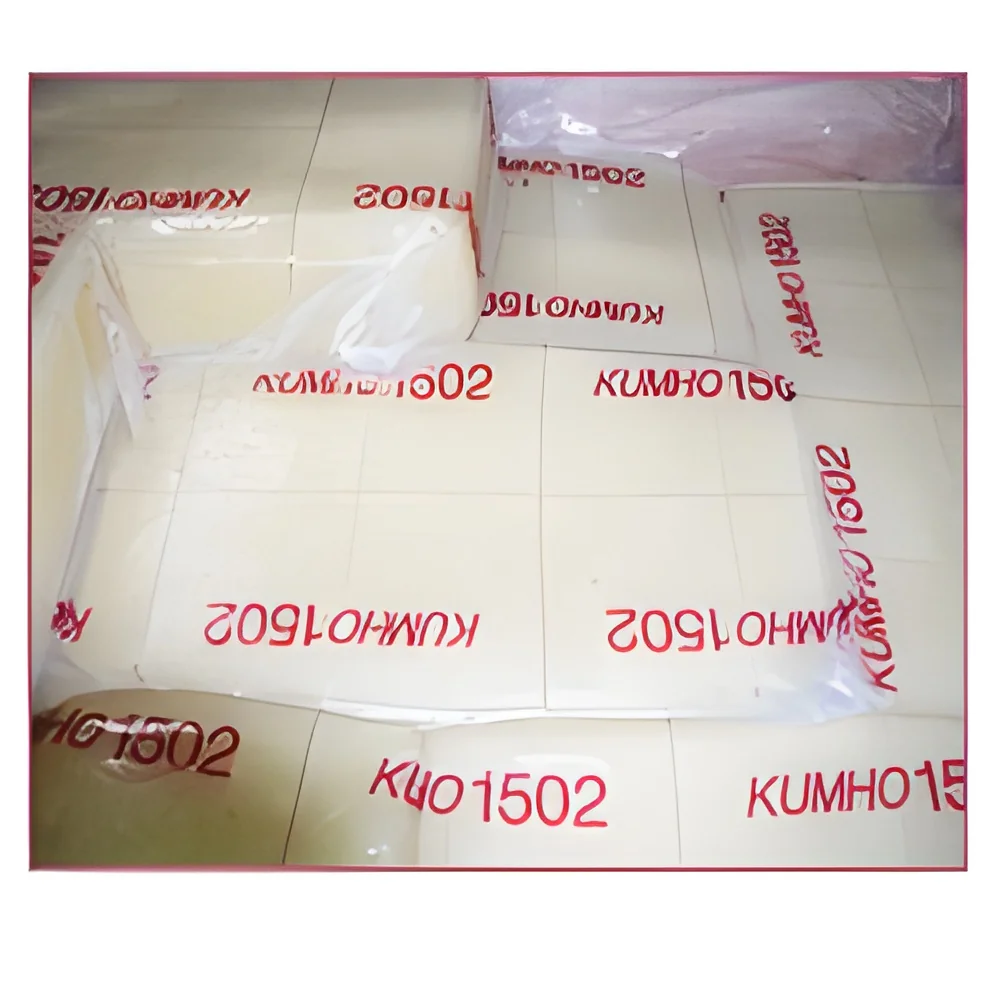
Rubber raw materials refer to the base components and compounds used in the production of rubber products. These materials can be natural or synthetic, each possessing unique properties that cater to various industrial needs. Natural rubber is derived from the latex of rubber trees, while synthetic rubber is produced through chemical processes involving petrochemical feedstocks. The selection of the right rubber raw material is crucial for achieving desired performance characteristics in end products.
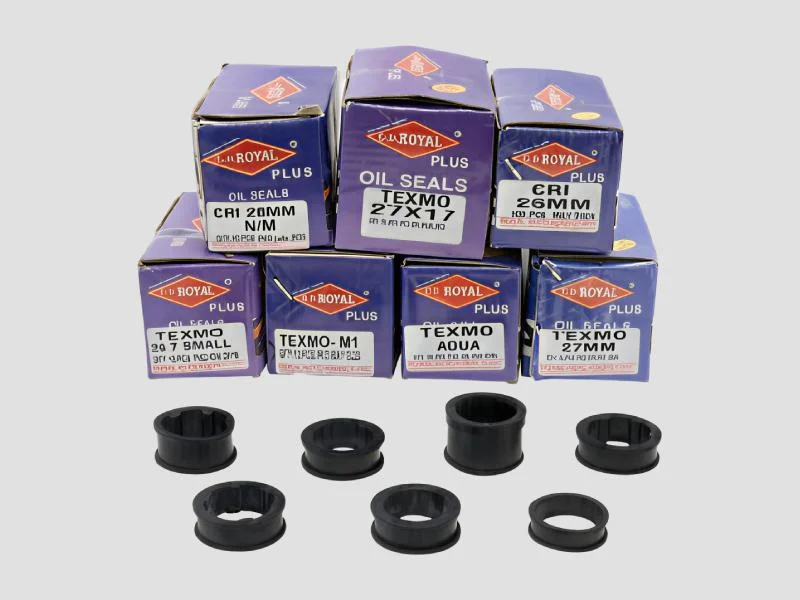
The primary uses of rubber raw materials span numerous industries, including automotive, construction, consumer goods, and medical applications. In the automotive sector, rubber is essential for tires, seals, and gaskets, while in construction, it is used for flooring and insulation. Companies often combine different types of rubber with additives and fillers to enhance performance attributes such as durability, flexibility, and resistance to heat and chemicals. As industries continue to evolve, the demand for high-quality rubber raw materials remains significant, positioning them as a vital component in manufacturing processes.
𝗞𝗲𝘆 𝗙𝗲𝗮𝘁𝘂𝗿𝗲𝘀 𝗮𝗻𝗱 𝗦𝗽𝗲𝗰𝗶𝗳𝗶𝗰𝗮𝘁𝗶𝗼𝗻𝘀
Rubber raw materials come with a variety of features and specifications that are essential for meeting industry standards and application requirements. Understanding these specifications helps businesses choose the right material for their needs.
Key specifications include:
1. Type of Rubber
- Natural or synthetic
- Specific grades for particular applications
2. Hardness
- Measured in Shore A or D
- Ranges from soft to hard formulations
3. Tensile Strength
- Indicates resistance to being pulled apart
- Typically measured in MPa
4. Elongation at Break
- Measures the stretchability of the rubber
- Expressed as a percentage
5. Compression Set
- Reflects the rubber's ability to return to its original shape
- Measured after being compressed for a specific time
6. Temperature Resistance
- Indicates the range of temperatures the rubber can withstand
- Specific ranges vary by rubber type
7. Chemical Resistance
- The material's ability to resist degradation from chemicals
- Critical for industrial applications
8. Aging Resistance
- Indicates durability over time, particularly against ozone and UV exposure
- Important for outdoor applications
In summary, understanding the key features and specifications of rubber raw materials is essential for selecting the right product that meets specific application demands.
𝗖𝗼𝗺𝗺𝗼𝗻 𝗔𝗽𝗽𝗹𝗶𝗰𝗮𝘁𝗶𝗼𝗻𝘀 𝗮𝗻𝗱 𝗨𝘀𝗲 𝗖𝗮𝘀𝗲𝘀
Rubber raw materials are utilized across various industries due to their versatile properties.
1. Automotive: Used for manufacturing tires, belts, hoses, and seals, rubber provides essential durability and performance in vehicles.
2. Construction: Rubber materials are often found in flooring, roofing membranes, and expansion joints, offering flexibility and weather resistance.
3. Medical: In this sector, rubber is critical for producing medical gloves, seals, and various devices, ensuring safety and sterility.
4. Consumer Goods: Products such as footwear, toys, and sports equipment leverage rubber for its flexibility and cushioning properties.
5. Industrial: Rubber components are used in machinery, conveyor belts, and seals, contributing to operational efficiency and safety.
6. Aerospace: The aerospace industry relies on rubber for seals and gaskets that must withstand extreme conditions.
7. Electrical: Rubber insulators and coatings are crucial for protecting electrical components from moisture and damage.
𝗣𝗿𝗼𝗱𝘂𝗰𝘁 𝗩𝗮𝗿𝗶𝗮𝗻𝘁𝘀 𝗮𝗻𝗱 𝗦𝘂𝗯𝗰𝗮𝘁𝗲𝗴𝗼𝗿𝗶𝗲𝘀
Rubber raw materials exhibit a range of variants to meet diverse application needs.
Natural Rubber
This variant is prized for its excellent elasticity and resilience, making it suitable for tires and heavy-duty applications.
Synthetic Rubber
Manufactured through chemical processes, synthetic rubber offers tailored properties, making it ideal for specific industrial applications.
Thermoplastic Rubber
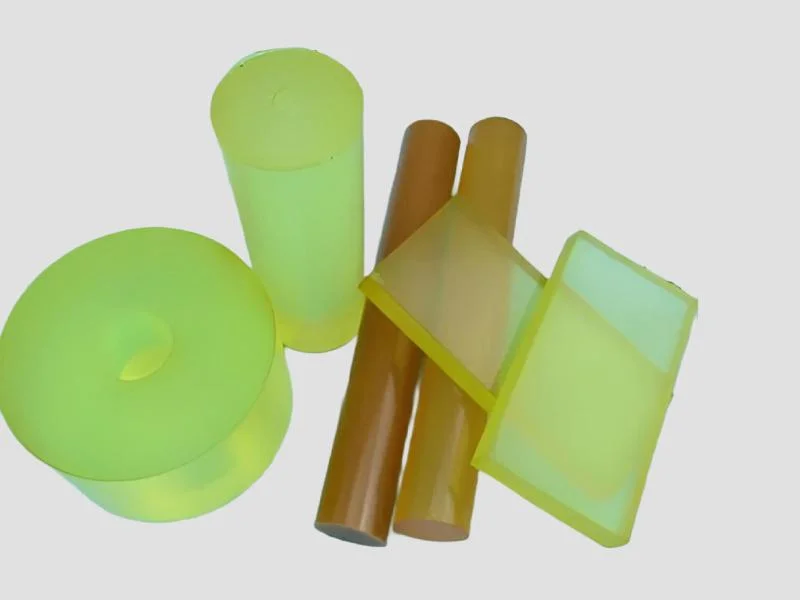
Combining the benefits of rubber and plastic, this variant is easy to process and is utilized in consumer products and automotive components.
Reclaimed Rubber
Made from recycled rubber products, this variant helps reduce waste and is commonly used in less demanding applications like mats and flooring.
𝗕𝗲𝗻𝗲𝗳𝗶𝘁𝘀 𝗮𝗻𝗱 𝗔𝗱𝘃𝗮𝗻𝘁𝗮𝗴𝗲𝘀
Rubber raw materials offer numerous benefits that make them essential in various manufacturing processes.
1. Durability: Rubber exhibits high resilience and can withstand wear and tear, making it suitable for long-lasting products.
2. Flexibility: The ability to stretch and return to shape allows rubber to be used in applications requiring movement and shock absorption.
3. Chemical Resistance: Many rubber types resist degradation from chemicals, making them ideal for industrial environments.
4. Cost-Effectiveness: The availability of both natural and synthetic options allows businesses to find suitable materials within their budget.
5. Customization: Rubber compounds can be tailored with additives to achieve specific performance characteristics, meeting diverse application needs.
6. Environmental Benefits: Reclaimed rubber variants contribute to sustainability by reducing waste and promoting recycling.
𝗕𝘂𝘆𝗶𝗻𝗴 𝗚𝘂𝗶𝗱𝗲 𝗳𝗼𝗿 𝗕𝟮𝗕 𝗕𝘂𝘆𝗲𝗿𝘀
When sourcing rubber raw materials, it is important to consider various factors to ensure quality and suitability.
1. Quality Assessment: It is essential to evaluate materials based on performance specifications, ensuring they meet industry standards.
2. Supplier Verification: Vetting suppliers for reliability and experience is important to ensure consistent quality and service.
3. Pricing and MOQ: Understanding the pricing structure and minimum order quantities helps in budgeting and planning purchases.
4. Delivery and Lead Times: Evaluating logistics and expected lead times is critical for maintaining production schedules.
5. Compliance Requirements: Ensuring that materials comply with relevant regulations and certifications is necessary for quality assurance and safety.
𝗖𝗼𝗺𝗽𝗹𝗶𝗮𝗻𝗰𝗲 𝗮𝗻𝗱 𝗖𝗲𝗿𝘁𝗶𝗳𝗶𝗰𝗮𝘁𝗶𝗼𝗻𝘀
Rubber raw materials must adhere to various quality standards and industry regulations to ensure safety and performance.
Relevant quality standards such as ISO 9001 guarantee that manufacturing processes meet international quality management requirements. Compliance with HACCP (Hazard Analysis Critical Control Point) and GDP (Good Distribution Practices) ensures that products are safe for use in food and healthcare applications.
Industry certifications, such as CE marking, indicate that products meet European safety and health requirements. Meeting safety and testing requirements is essential for ensuring that rubber materials perform reliably in their intended applications.
Additionally, regional compliance considerations vary, with different countries having specific regulations that must be adhered to for both import and use of rubber raw materials.
𝗪𝗵𝘆 𝗦𝗼𝘂𝗿𝗰𝗲 𝗥𝘂𝗯𝗯𝗲𝗿 𝗥𝗮𝘄 𝗠𝗮𝘁𝗲𝗿𝗶𝗮𝗹𝘀 𝗳𝗿𝗼𝗺 𝗣𝗲𝗽𝗮𝗴𝗼𝗿𝗮?
Pepagora offers a trusted platform for sourcing rubber raw materials with several key advantages.
Verified Supplier Network: Our network consists of thoroughly vetted suppliers, ensuring that buyers can rely on the quality and consistency of the materials they purchase.
Streamlined RFQ Process: The request for quotation system simplifies the procurement process, allowing businesses to obtain competitive pricing efficiently.
Trade Assurance and Support: We provide buyer protection measures that ensure transactions are secure, giving businesses peace of mind when sourcing materials.
Regional Coverage: With a presence in India, the GCC, and Southeast Asia, Pepagora offers extensive geographic reach, facilitating easy access to high-quality rubber raw materials across these regions.

 IN
IN