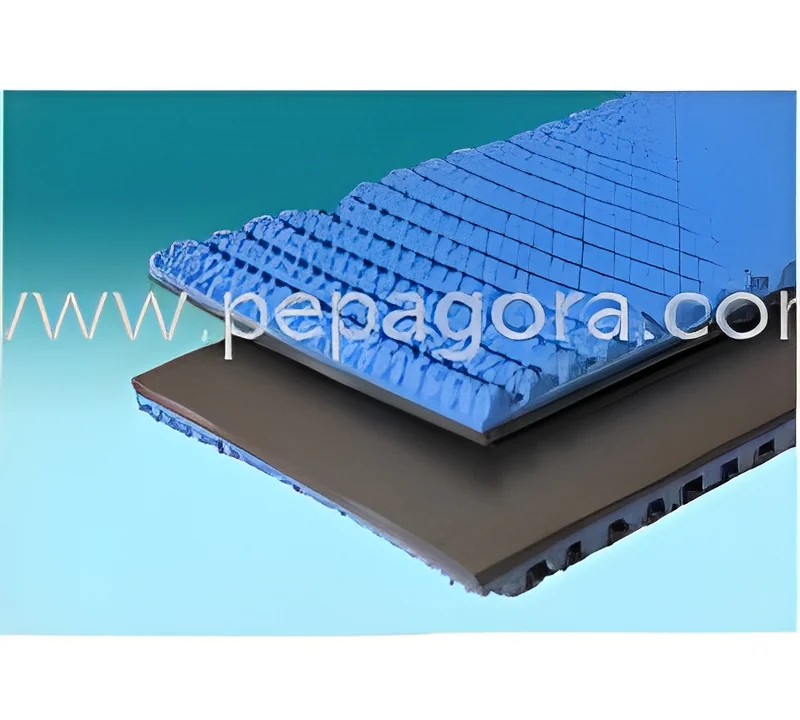
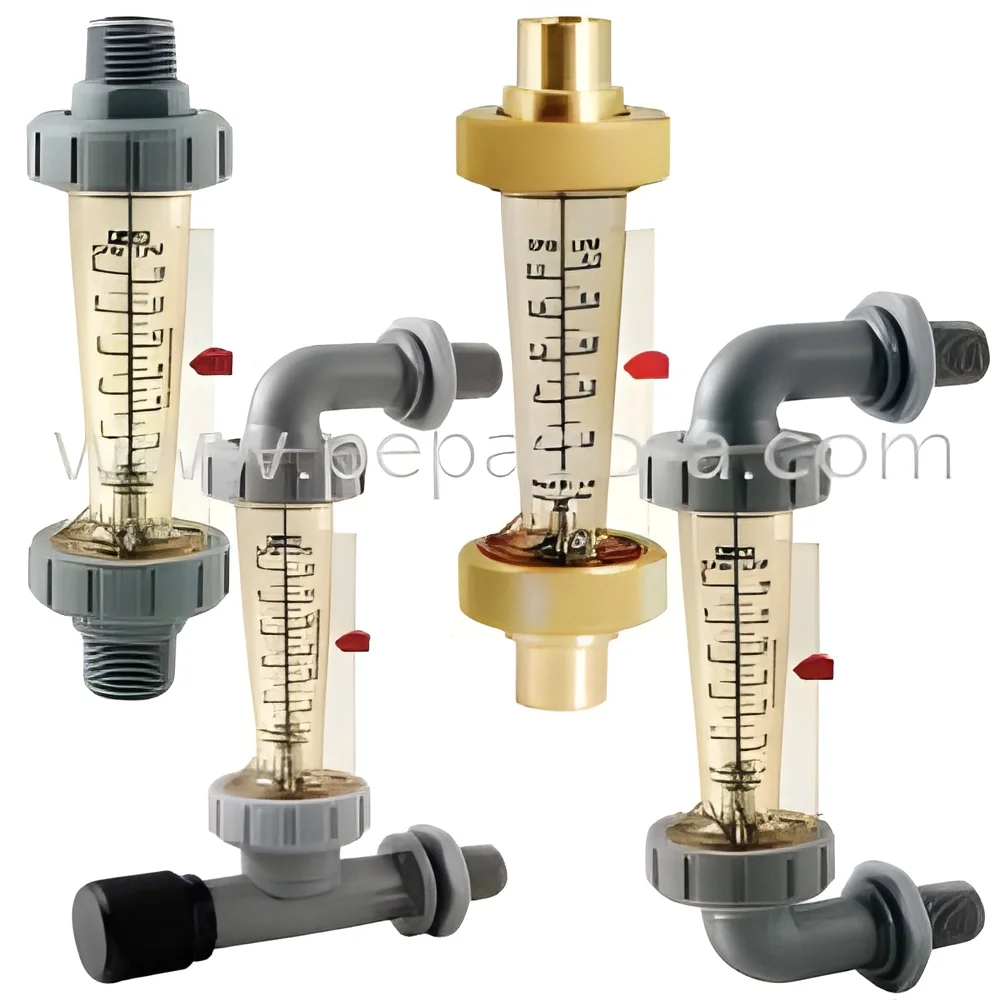
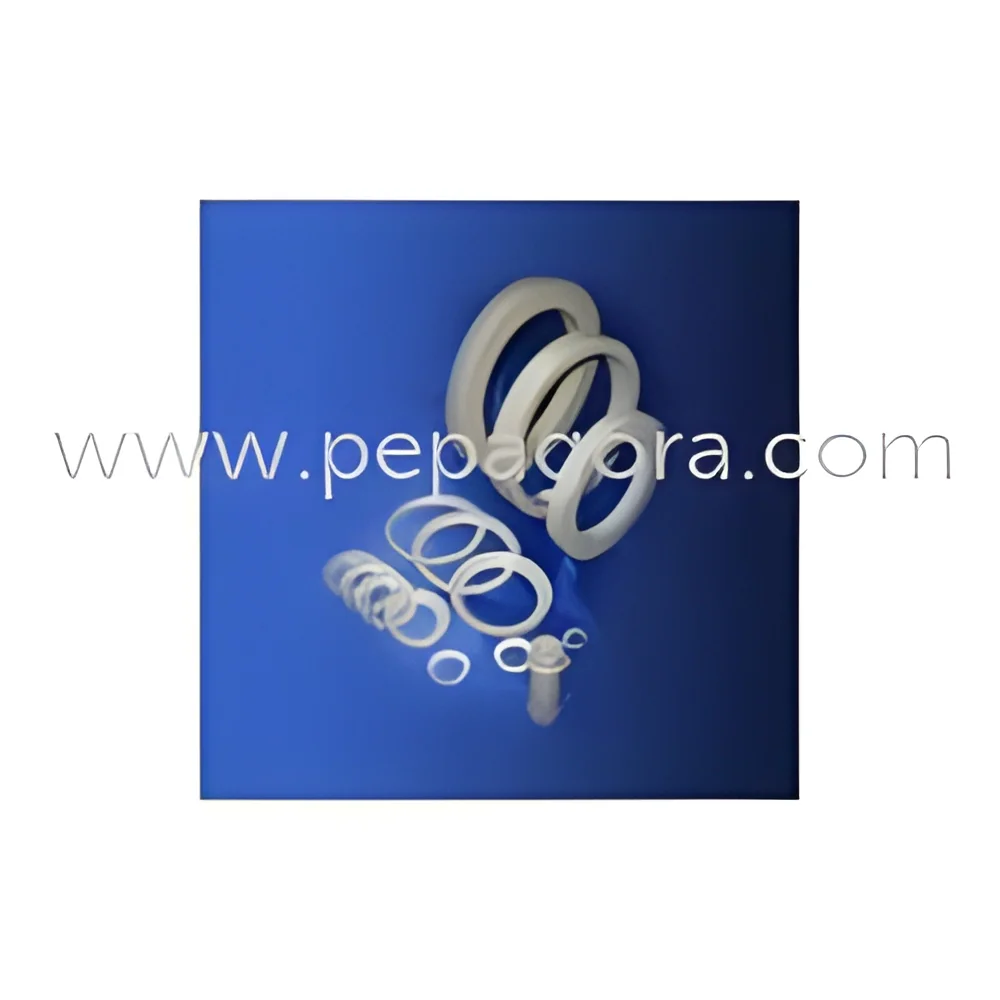
What are Other Rubber Raw Materials?
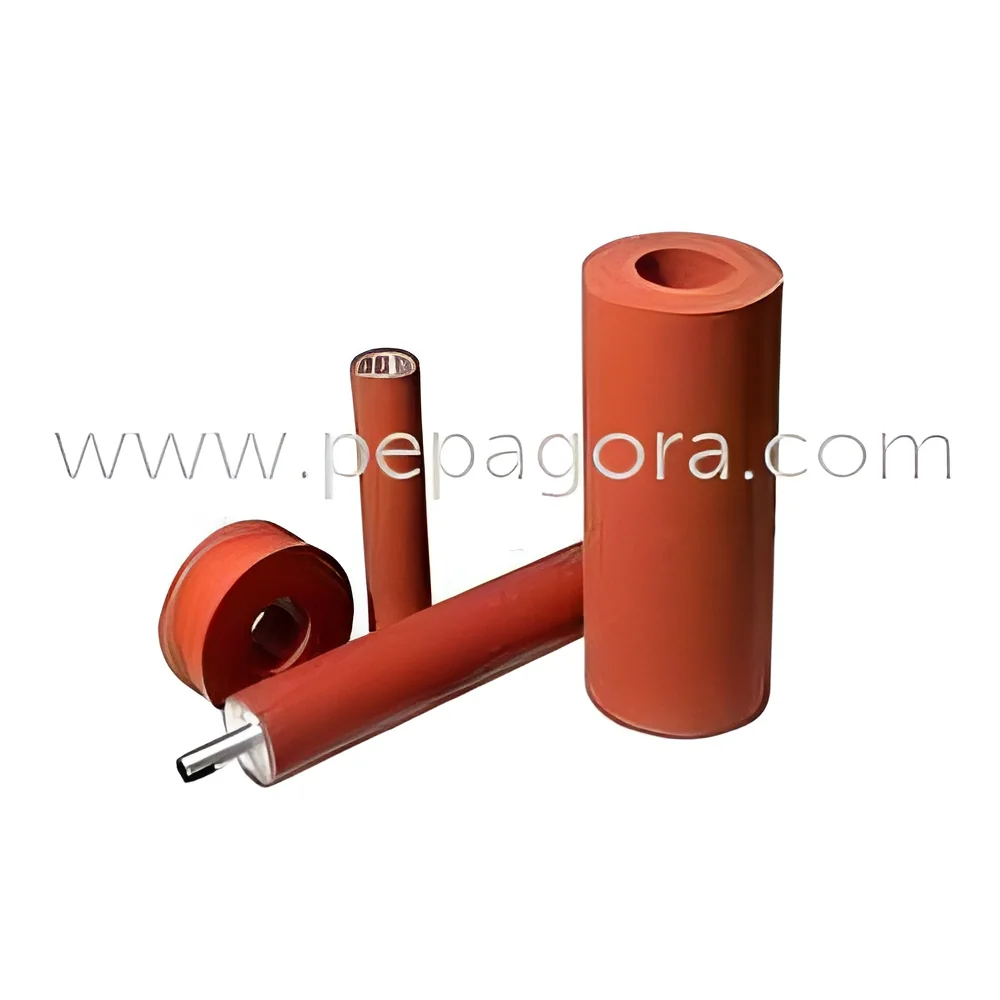
Other Rubber Raw Materials refer to a diverse category of materials used in the production of rubber products. These materials can include various additives, fillers, and processing aids that enhance the properties of rubber compounds. They play a crucial role in determining the performance characteristics of the final rubber products, such as elasticity, strength, and durability.
These raw materials serve multiple business applications across various industries. Common uses include the manufacturing of tires, industrial belts, gaskets, seals, and other rubber components. By incorporating different types of additives, manufacturers can tailor the properties of rubber to meet specific performance requirements. This adaptability makes Other Rubber Raw Materials essential for industries such as automotive, aerospace, and consumer goods.
The relevance of Other Rubber Raw Materials in the market is significant due to the ongoing demand for high-performance rubber products. As industries evolve, the need for innovative rubber solutions continues to grow. This creates opportunities for suppliers and manufacturers to develop advanced formulations that cater to emerging market trends and regulatory standards.
Key Features and Specifications
When considering Other Rubber Raw Materials, it is essential to understand their key features and specifications. These materials are defined by various technical parameters that dictate their performance in rubber formulations.
Key specifications include:
1. Additive Type
- This refers to the specific category of additive, such as accelerators, fillers, or antioxidants.
- Technical parameters may include dosage levels and compatibility with different rubber compounds.
2. Elasticity Modulus
- Measures the stiffness of the rubber material.
- Typically expressed in MPa, with ranges depending on the specific formulation.
3. Tensile Strength
- Indicates the maximum stress that a rubber material can withstand while being stretched.
- Measured in MPa, with typical values varying by formulation.
4. Hardness
- Refers to the resistance of rubber to indentation.
- Measured using the Shore A scale, with common values ranging from 30 to 90.
5. Thermal Stability
- Indicates the material's ability to maintain performance under high temperatures.
- Defined by temperature ranges, though specific data is not available.
6. Chemical Resistance
- Describes how well the rubber material can resist degradation from various chemicals.
- Specific ratings may vary based on the type of rubber and additives used.
7. Processing Temperature
- Refers to the optimal temperature range for processing the rubber material.
- Specific ranges may vary by formulation.
8. Cure Time
- Indicates the duration required for the rubber to reach its optimal properties after processing.
- Typically expressed in minutes, depending on the specific formulation.
Understanding these specifications helps manufacturers choose the right materials for their applications, ensuring optimal performance in their end products.
Common Applications and Use Cases
Other Rubber Raw Materials find applications across a wide range of industries, each with specific requirements and functionalities.
1. Automotive Industry: These materials are used in tire manufacturing, where additives enhance performance characteristics such as grip, durability, and fuel efficiency.
2. Aerospace Industry: Rubber components in aircraft require materials that can withstand extreme temperatures and pressures, ensuring safety and reliability.
3. Consumer Goods: Various household products, including seals and gaskets, utilize rubber materials for durability and flexibility, enhancing overall product performance.
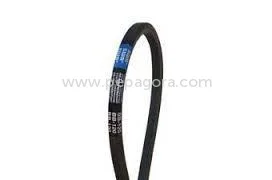
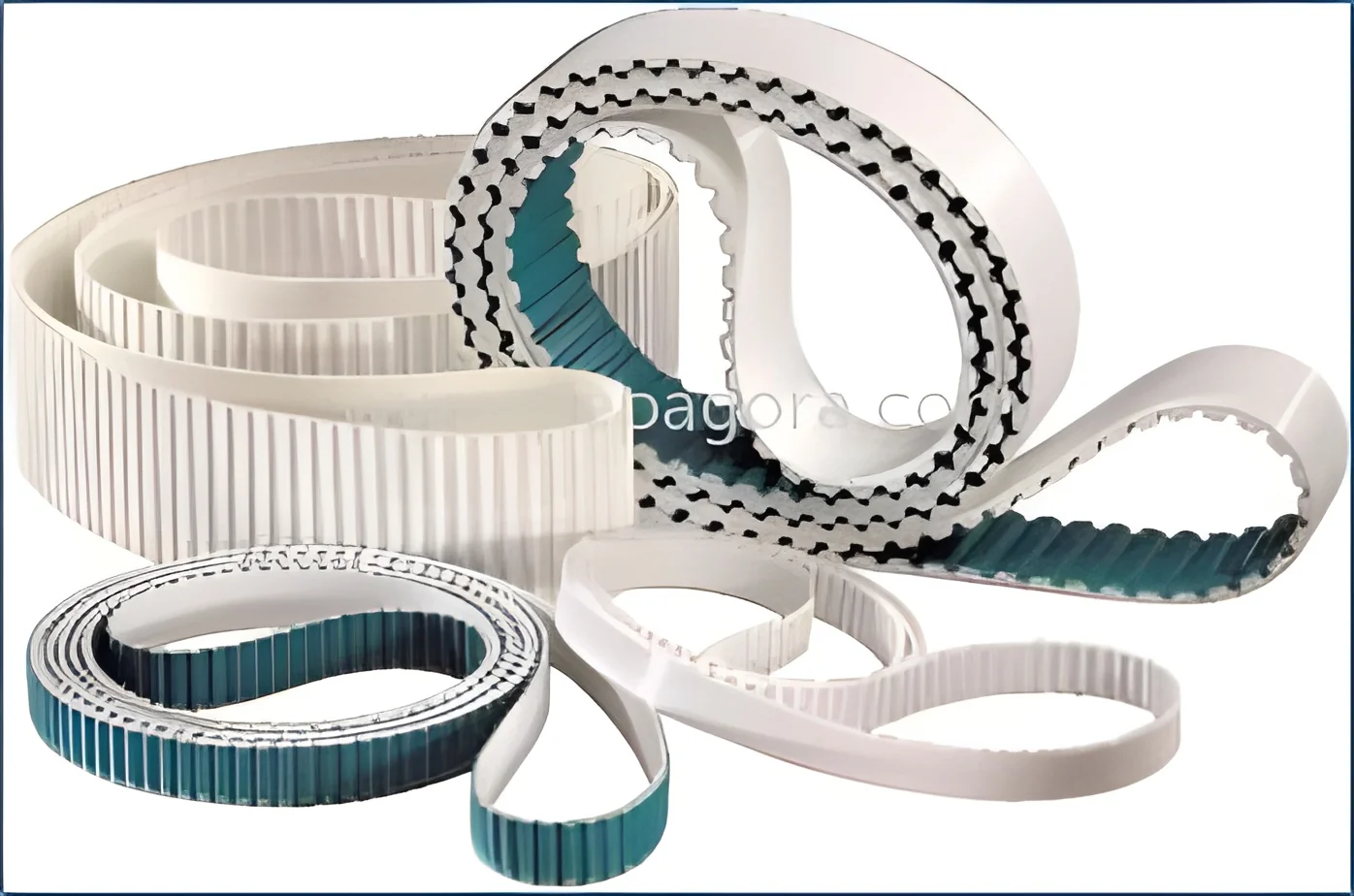
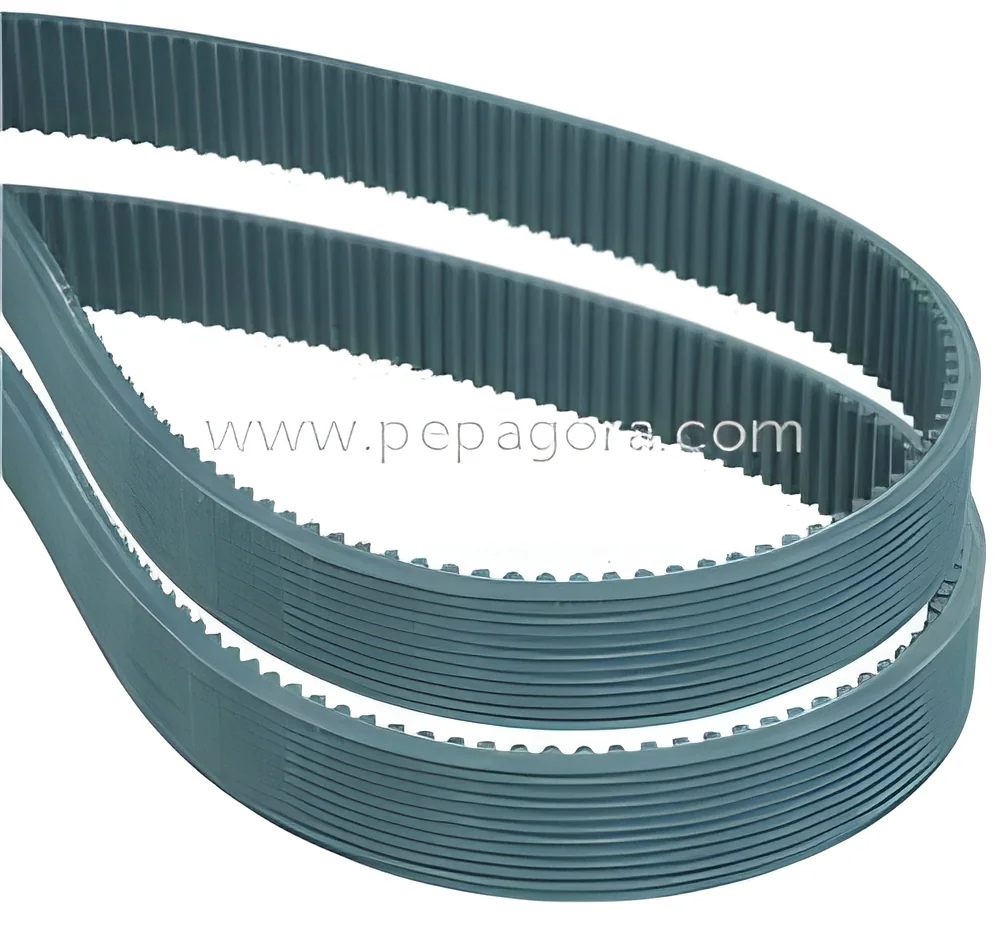
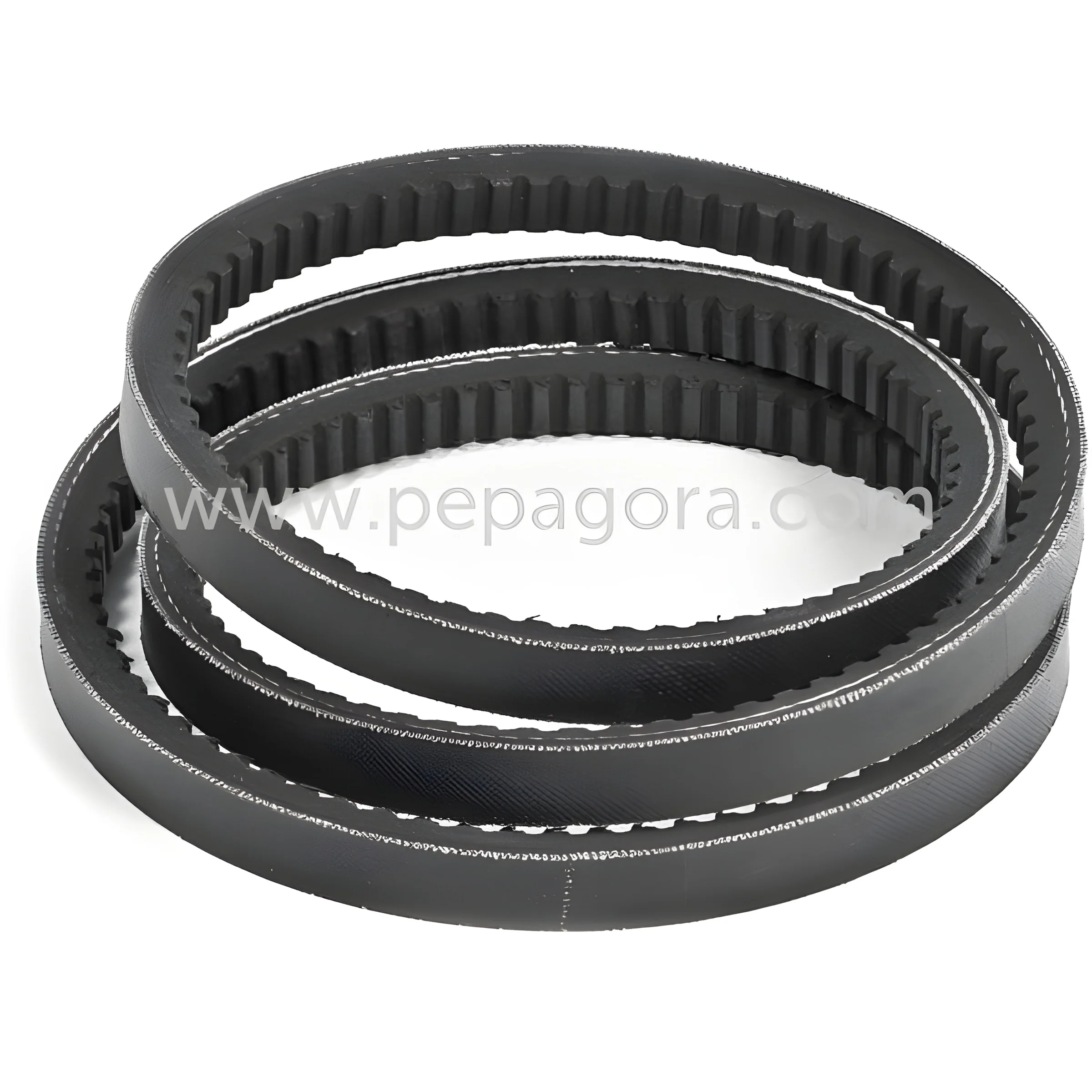
4. Industrial Equipment: Rubber parts in machinery, such as belts and hoses, rely on these raw materials for strength and resistance to wear and tear.
5. Construction Industry: Other Rubber Raw Materials are used in sealants and coatings, providing waterproofing and insulation properties.
6. Medical Devices: Rubber materials in medical applications must meet stringent safety and performance standards, ensuring reliability in critical environments.
7. Electronics: Rubber components in electronic devices provide insulation and protection, enhancing product longevity and safety.
Product Variants and Subcategories
The diversity of Other Rubber Raw Materials allows for multiple variants tailored to specific applications and performance requirements.
Thermoplastic Elastomers (TPEs)
TPEs combine the properties of rubber and plastic, offering flexibility and durability. They are widely used in consumer products and automotive applications due to their ease of processing and recyclability.
Silicone Rubber
This variant is known for its excellent thermal stability and chemical resistance. It is commonly used in applications requiring high-temperature performance, such as automotive gaskets and seals.
Nitrile Rubber
Nitrile rubber is renowned for its oil and fuel resistance, making it ideal for automotive and industrial applications. Its durability ensures longevity in harsh environments.
Natural Rubber
Sourced from rubber trees, natural rubber offers high elasticity and tensile strength. It is commonly used in tires and various consumer goods due to its superior performance characteristics.
Fluoroelastomers
These materials are designed for extreme chemical resistance and high-temperature applications. They are often used in the aerospace and chemical processing industries.
Benefits and Advantages
Investing in Other Rubber Raw Materials provides several significant benefits for manufacturers and industries.
1. Enhanced Performance: These materials contribute to superior elasticity, strength, and durability in rubber products, improving overall functionality.
2. Customization: By selecting specific additives and formulations, manufacturers can tailor rubber properties to meet unique application demands.
3. Cost Efficiency: Optimized formulations can lead to reduced production costs while maintaining high quality and performance standards.
4. Versatility: A wide range of materials allows for applications across diverse industries, from automotive to consumer goods.
5. Regulatory Compliance: Many Other Rubber Raw Materials meet industry standards and certifications, ensuring products can comply with regulatory requirements.
6. Improved Safety: High-quality rubber materials can enhance the safety of end products, particularly in critical applications like aerospace and medical devices.
Buying Guide for B2B Buyers
Sourcing Other Rubber Raw Materials requires careful consideration of several key factors to ensure quality and suitability for specific applications.
1. Quality Assessment: Evaluate the quality of materials by reviewing technical data sheets and compliance certifications. Look for materials that meet industry standards for performance and safety.
2. Supplier Verification: Conduct thorough due diligence on suppliers to ensure they provide reliable and consistent products. Check for certifications and customer reviews to verify their reputation.
3. Pricing and MOQ: Understand the pricing structure and minimum order quantities (MOQ) set by suppliers. Compare prices to ensure competitive rates while maintaining quality.
4. Delivery and Lead Times: Consider logistics and the ability of suppliers to meet delivery schedules. Timely delivery is crucial for maintaining production timelines.
5. Compliance Requirements: Ensure that the sourced materials comply with relevant industry regulations and standards. This may include certifications like CE and ISO.
Compliance and Certifications
Compliance with industry standards and certifications is critical when sourcing Other Rubber Raw Materials.
Relevant quality standards include ISO 9001, which ensures consistent quality management systems that enhance customer satisfaction through effective processes. Additionally, HACCP and GDP certifications may apply to specific applications, particularly in food and pharmaceutical sectors.
Industry certifications, such as CE marking, indicate conformity with health, safety, and environmental protection standards for products sold within the European Economic Area.
Safety and testing requirements are essential to ensure that rubber materials perform reliably under intended conditions. This may involve rigorous testing for properties like tensile strength, flexibility, and chemical resistance.
Regional compliance considerations vary by market. It is crucial to be aware of local regulations that may affect the use of rubber materials in specific industries.
Why Source Other Rubber Raw Materials from Pepagora?
Pepagora offers a trusted platform for sourcing Other Rubber Raw Materials with several key advantages that benefit B2B buyers.
Verified Supplier Network: Pepagora maintains a network of verified suppliers, ensuring that buyers have access to high-quality materials from reputable sources. This reduces the risk of receiving subpar products.
Streamlined RFQ Process: The platform features an efficient Request for Quotation (RFQ) system, allowing buyers to request quotes from multiple suppliers quickly. This saves time and simplifies the procurement process.
Trade Assurance and Support: Buyers are protected through trade assurance programs that provide security in transactions. Pepagora offers support to resolve any issues that may arise, enhancing buyer confidence.
Regional Coverage: Pepagora has a strong presence in key markets, including India, GCC, and Southeast Asia. This geographic reach enables buyers to access a wide array of products and suppliers tailored to their regional needs.

 IN
IN