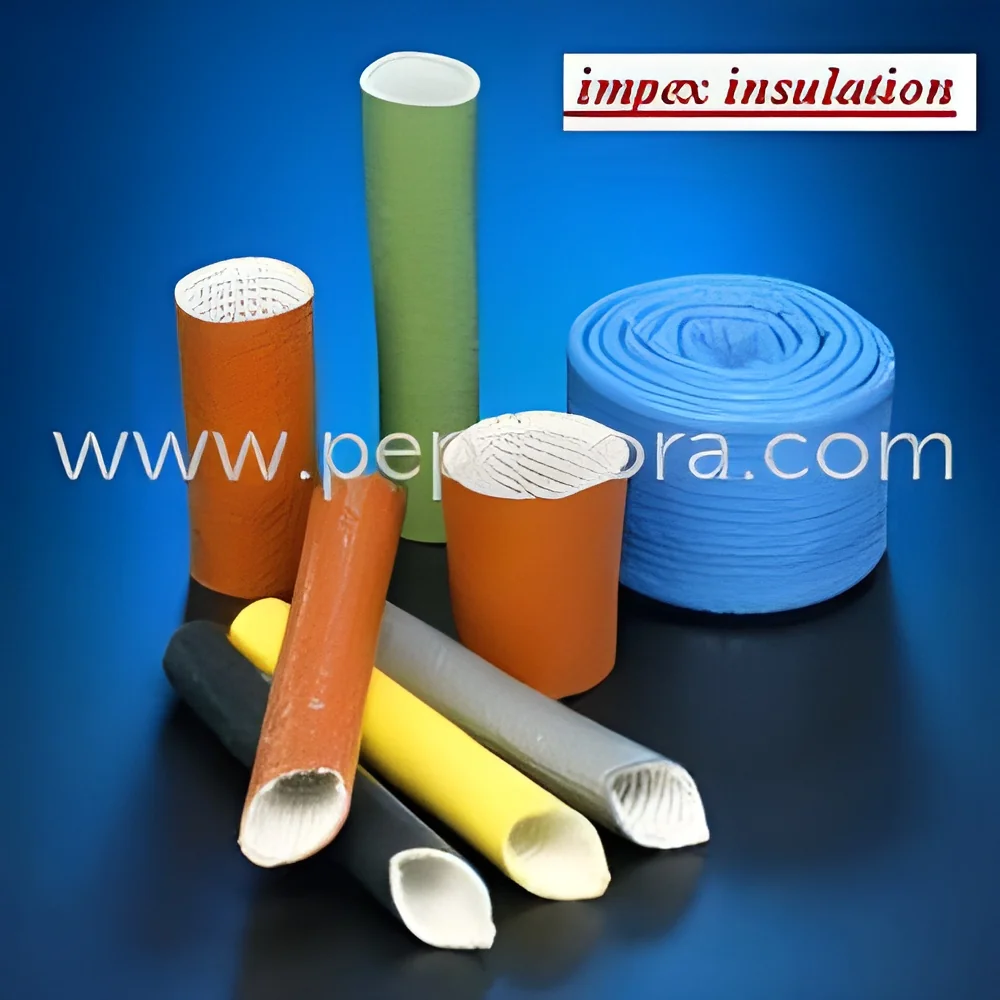
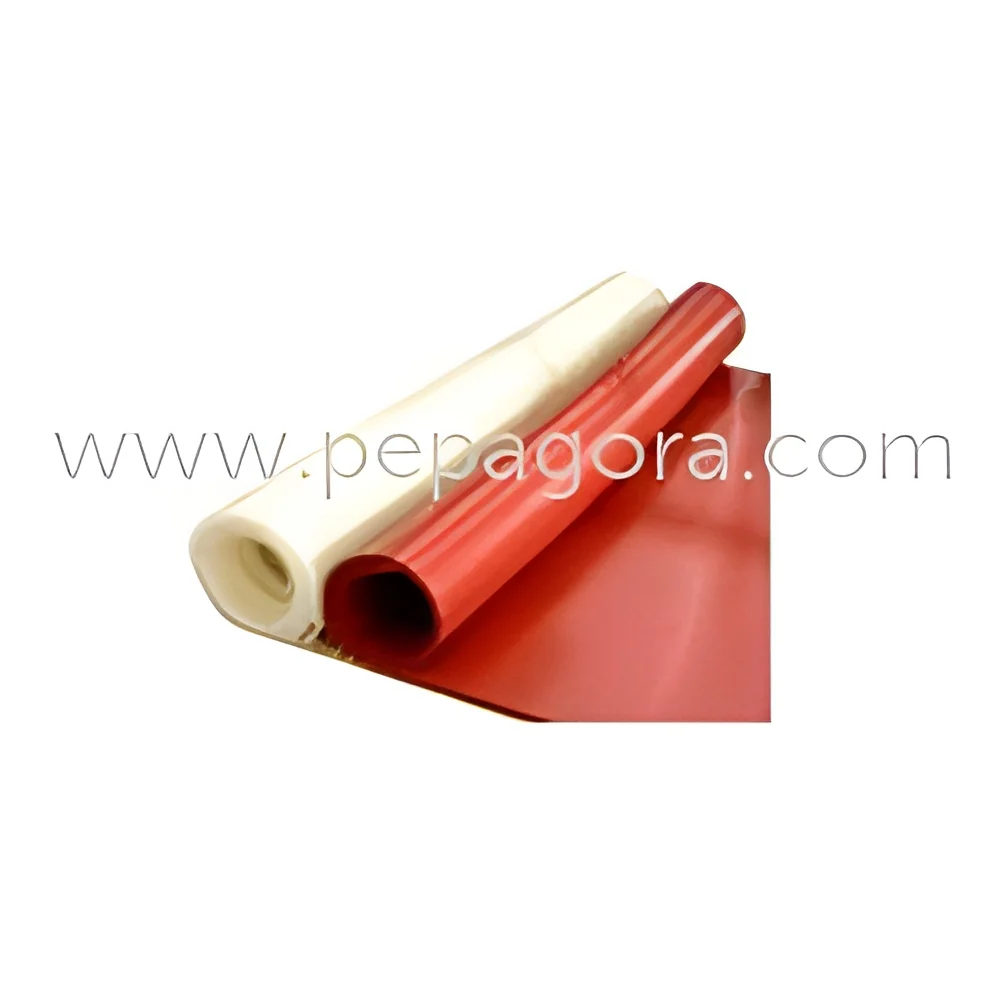
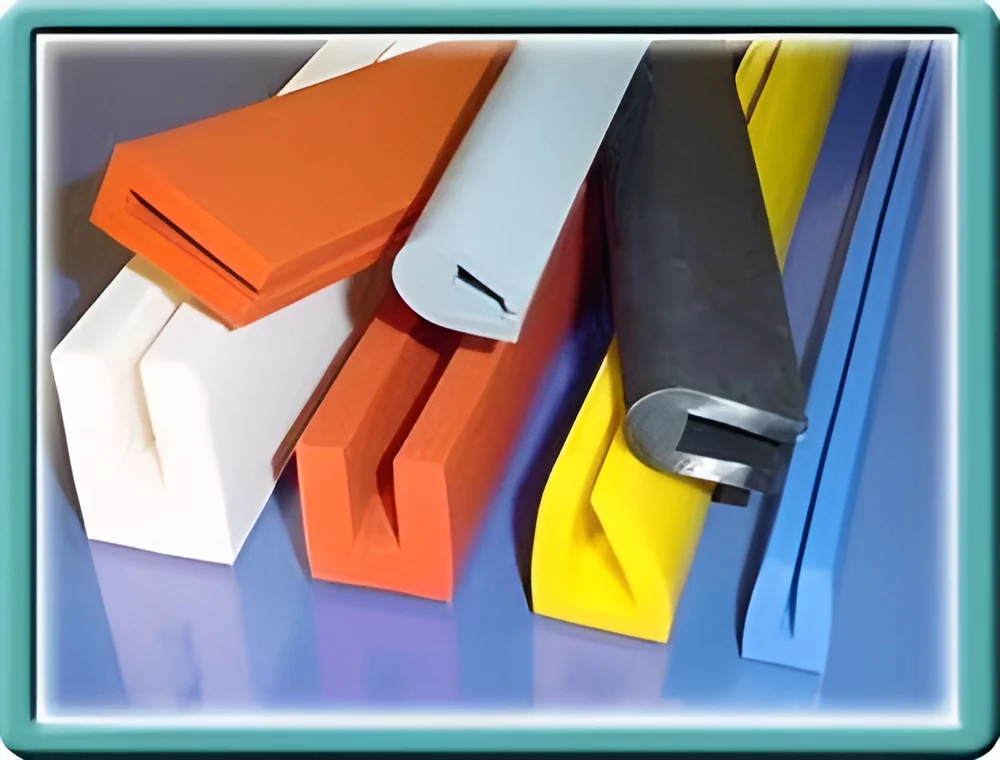
What are Silicone Rubber?
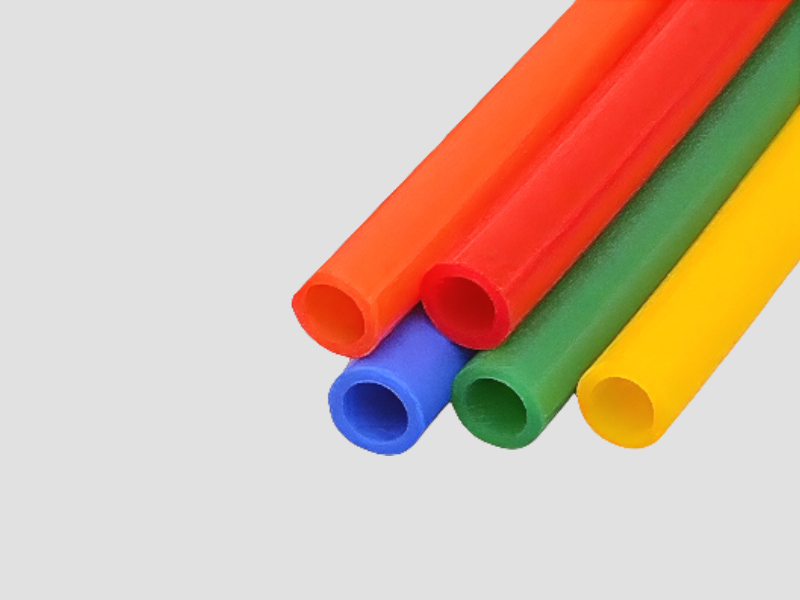
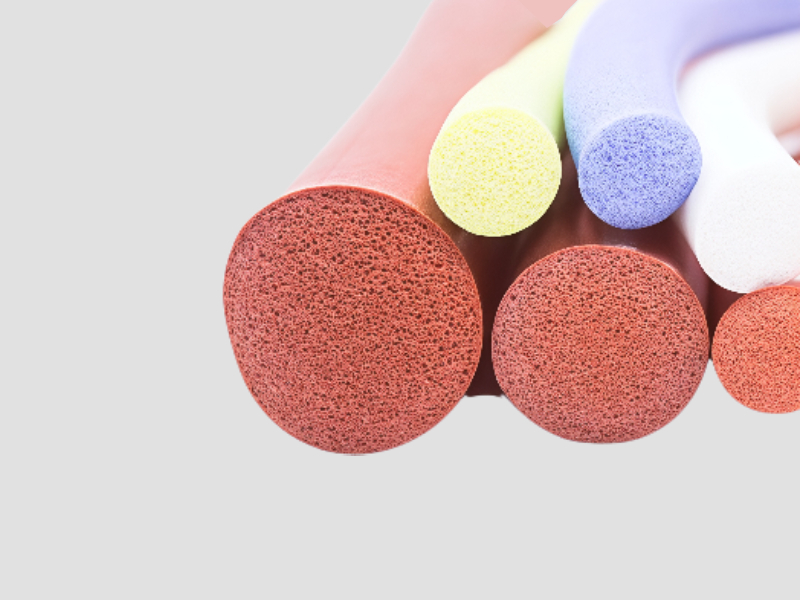
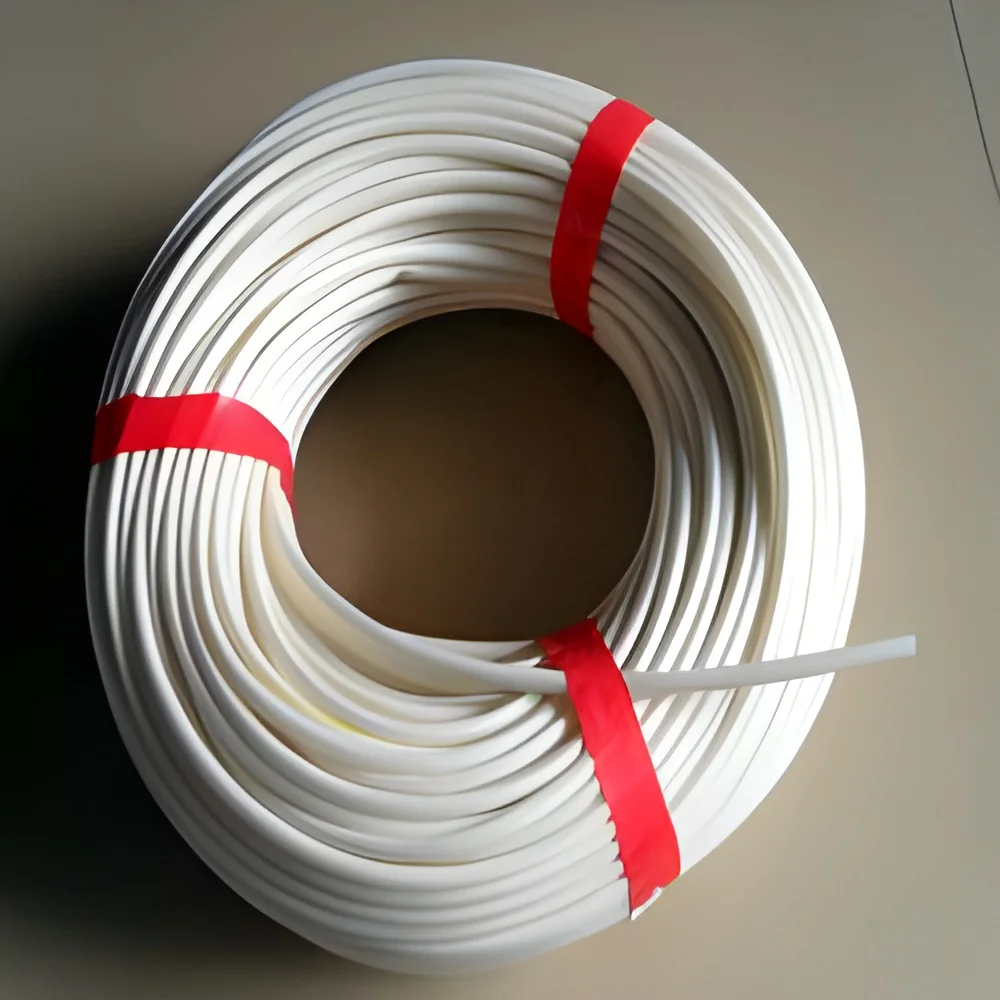
Silicone rubber is a versatile synthetic material made from silicon, oxygen, carbon, and hydrogen. It is known for its unique properties, including high flexibility, resilience, and resistance to extreme temperatures. Silicone rubber can withstand both high heat and low temperatures, making it suitable for various industrial applications. Its chemical structure allows it to maintain its integrity under challenging environmental conditions, which is a critical advantage for many sectors.
Silicone rubber is widely used across multiple industries, including automotive, aerospace, electronics, and healthcare. In these sectors, it serves a range of functions from seals and gaskets to insulators and medical devices. The material's biocompatibility and resistance to aging make it particularly valuable in medical applications, where safety and reliability are paramount. The growing demand for silicone rubber is driven by its adaptability and performance, keeping it relevant in a competitive market.
Key Features and Specifications
Silicone rubber is characterized by several key features that make it a preferred choice for various applications. Its properties are defined by a set of specifications that outline its performance capabilities.
Key specifications include:
1. Temperature Resistance
- Capable of withstanding temperatures ranging from -60°C to +250°C
- Maintains flexibility and integrity under extreme conditions
2. Chemical Resistance
- Resistant to a wide range of chemicals, including oils and solvents
- Excellent for use in harsh environments
3. Electrical Insulation
- High dielectric strength and low electrical conductivity
- Ideal for electrical and electronic applications
4. Flexibility and Durability
- Highly flexible with excellent tensile strength
- Resists cracking and degradation over time
5. Biocompatibility
- Safe for medical applications and in contact with food
- Meets stringent regulatory requirements
6. UV and Ozone Resistance
- Maintains performance and appearance when exposed to sunlight and ozone
- Suitable for outdoor applications
7. Low Compression Set
- Retains original shape after compression
- Ensures effective sealing in gaskets and seals
8. Ease of Processing
- Can be molded or extruded into complex shapes
- Suitable for high-volume production
Silicone rubber's wide range of specifications ensures its suitability for numerous applications, making it a reliable choice in various industries.
Common Applications and Use Cases
Silicone rubber has diverse applications across several industries, showcasing its versatility and reliability.
1. Automotive: Used for seals, gaskets, and hoses, silicone rubber provides durability and resistance to extreme temperatures and chemicals, ensuring reliable performance.
2. Aerospace: Employed in various components, silicone rubber offers excellent thermal stability and resistance to fuels, making it ideal for aerospace applications.
3. Electronics: Silicone rubber is utilized as an insulator and protective casing for electronic devices, providing electrical insulation and resistance to environmental factors.
4. Healthcare: Its biocompatibility makes silicone rubber suitable for medical devices, including implants and tubing, where safety is crucial.
5. Food and Beverage: Silicone rubber is used in food processing and packaging, as it can withstand high temperatures and is safe for food contact.
6. Construction: Used in sealants and adhesives, silicone rubber provides weather resistance and flexibility, making it ideal for building applications.
7. Consumer Products: Found in various household items, silicone rubber is valued for its durability and ease of cleaning.
Product Variants and Subcategories
Silicone rubber comes in various formulations and variants, each tailored for specific applications and performance requirements.
High-Temperature Silicone Rubber
This variant is designed to withstand extreme heat environments, making it suitable for automotive and industrial applications where high-temperature resistance is critical.
Medical-Grade Silicone Rubber
Formulated for biocompatibility, this variant is ideal for medical devices and applications where safety and hygiene are paramount.
Food-Grade Silicone Rubber
Specifically designed for food contact, this variant meets regulatory standards for use in the food and beverage industry, ensuring safety and compliance.
Fluorosilicone Rubber
This variant offers enhanced chemical resistance, making it suitable for applications exposed to harsh chemicals and fuels, common in aerospace and automotive industries.
Benefits and Advantages
Silicone rubber provides numerous benefits that make it an excellent choice for various applications in different industries.
Key benefits include:
1. Versatility: Silicone rubber can be formulated for a wide range of applications, from automotive to healthcare, adapting to specific needs.
2. High Performance: It maintains its properties under extreme conditions, ensuring reliability and longevity in demanding environments.
3. Safety: The biocompatibility of silicone rubber makes it suitable for medical applications, providing peace of mind in safety-critical situations.
4. Chemical Resistance: Its ability to resist oils, solvents, and other chemicals extends its usability in diverse industrial sectors.
5. Low Maintenance: Silicone rubber products are easy to clean and maintain, contributing to lower operational costs.
6. Environmental Resistance: Silicone rubber is resistant to UV light and ozone, making it suitable for outdoor use without degradation.
Buying Guide for B2B Buyers
When sourcing silicone rubber, it is essential for B2B buyers to consider several key factors to ensure they make informed decisions.
1. Quality Assessment: Evaluate the material's quality based on performance specifications and compliance with relevant industry standards. Look for samples and certifications to verify quality.
2. Supplier Verification: Vet potential suppliers by checking their credentials, customer reviews, and industry experience. A reliable supplier will have a proven track record.
3. Pricing and MOQ: Understand the pricing structure and minimum order quantities (MOQ) associated with silicone rubber. Compare quotes from different suppliers to find the best value.
4. Delivery and Lead Times: Consider the logistics involved in sourcing silicone rubber, including delivery times and shipping methods. Ensure that the supplier can meet your timelines.
5. Compliance Requirements: Familiarize yourself with applicable regulations and certifications, such as CE certification, to ensure the silicone rubber meets industry standards.
Compliance and Certifications
Silicone rubber must adhere to various compliance and certification standards to ensure its suitability for use in different industries.
Relevant quality standards include ISO 9001, which outlines criteria for a quality management system. This ensures that manufacturers consistently provide products that meet customer expectations and regulatory requirements.
In addition to ISO standards, certifications like CE mark indicate that the silicone rubber meets European safety requirements. This is particularly important for products used in healthcare and food applications.
Safety and testing requirements for silicone rubber involve rigorous assessments to verify its performance under various conditions. Manufacturers must comply with regional regulations, which may vary based on the intended application and market.
Buyers should also be aware of regional compliance considerations, as regulatory standards can differ significantly across countries and regions. Ensuring compliance with local regulations is essential for market acceptance and product safety.
Why Source Silicone Rubber from Pepagora?
Pepagora offers a trusted platform for sourcing silicone rubber, providing several key advantages to B2B buyers.
Verified Supplier Network: Pepagora connects buyers with a network of verified suppliers, ensuring that you work with reputable manufacturers who meet quality standards. This reduces the risk associated with sourcing materials.
Streamlined RFQ Process: The platform simplifies the quotation process, allowing buyers to request quotes from multiple suppliers quickly. This efficiency saves time and enhances decision-making.
Trade Assurance and Support: Pepagora provides trade assurance and support services, protecting buyers and ensuring a smooth transaction process. This includes assistance with any disputes or issues that may arise.
Regional Coverage: With a strong presence in India, the GCC, and Southeast Asia, Pepagora offers extensive regional coverage, making it easier for buyers to find local suppliers and access silicone rubber products tailored to their specific needs.
By choosing Pepagora, B2B buyers can enjoy the benefits of a reliable sourcing platform while ensuring they procure high-quality silicone rubber for their applications.

 IN
IN