IN
IN₹
Apparel & Fashion
Description
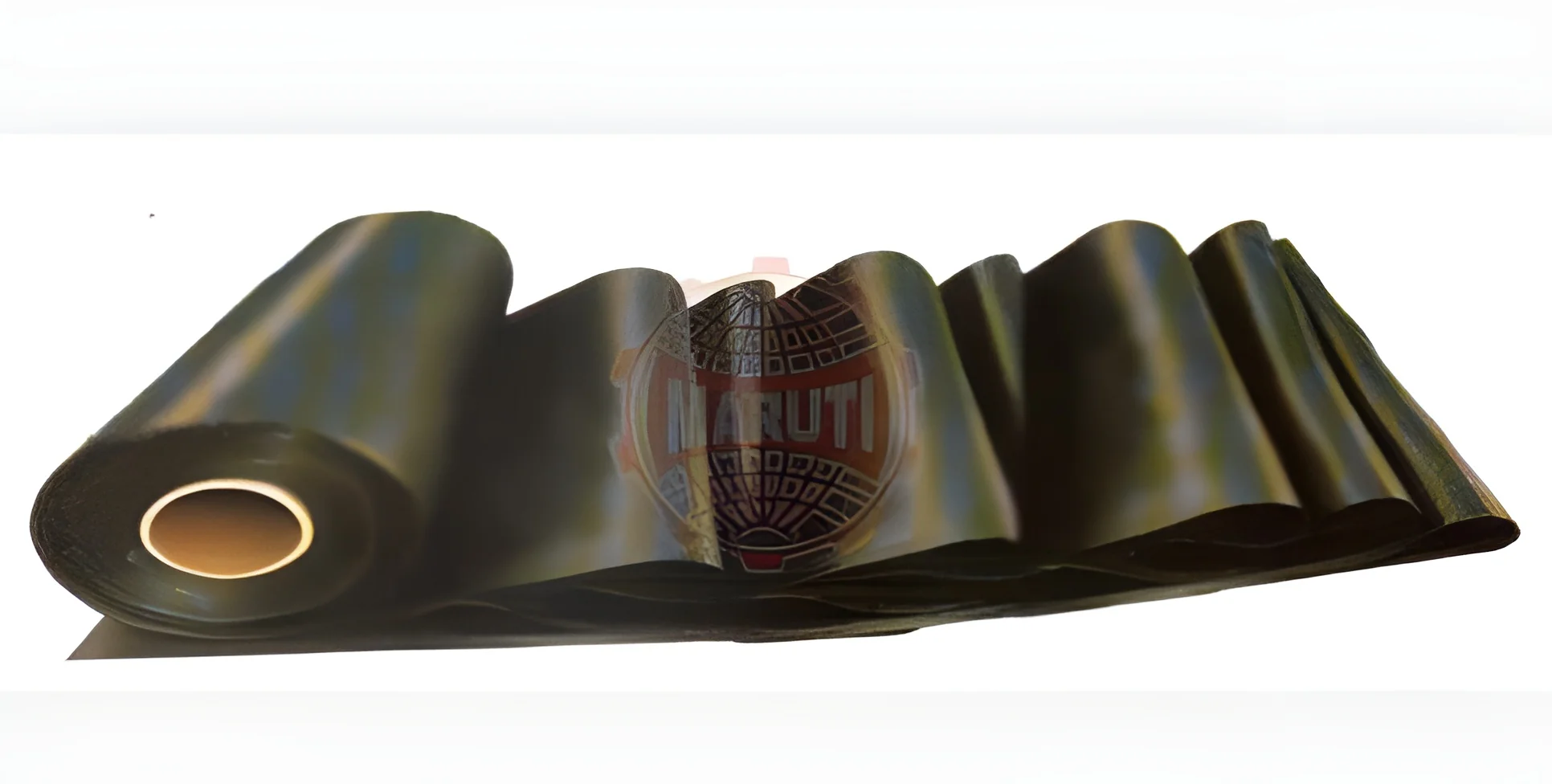
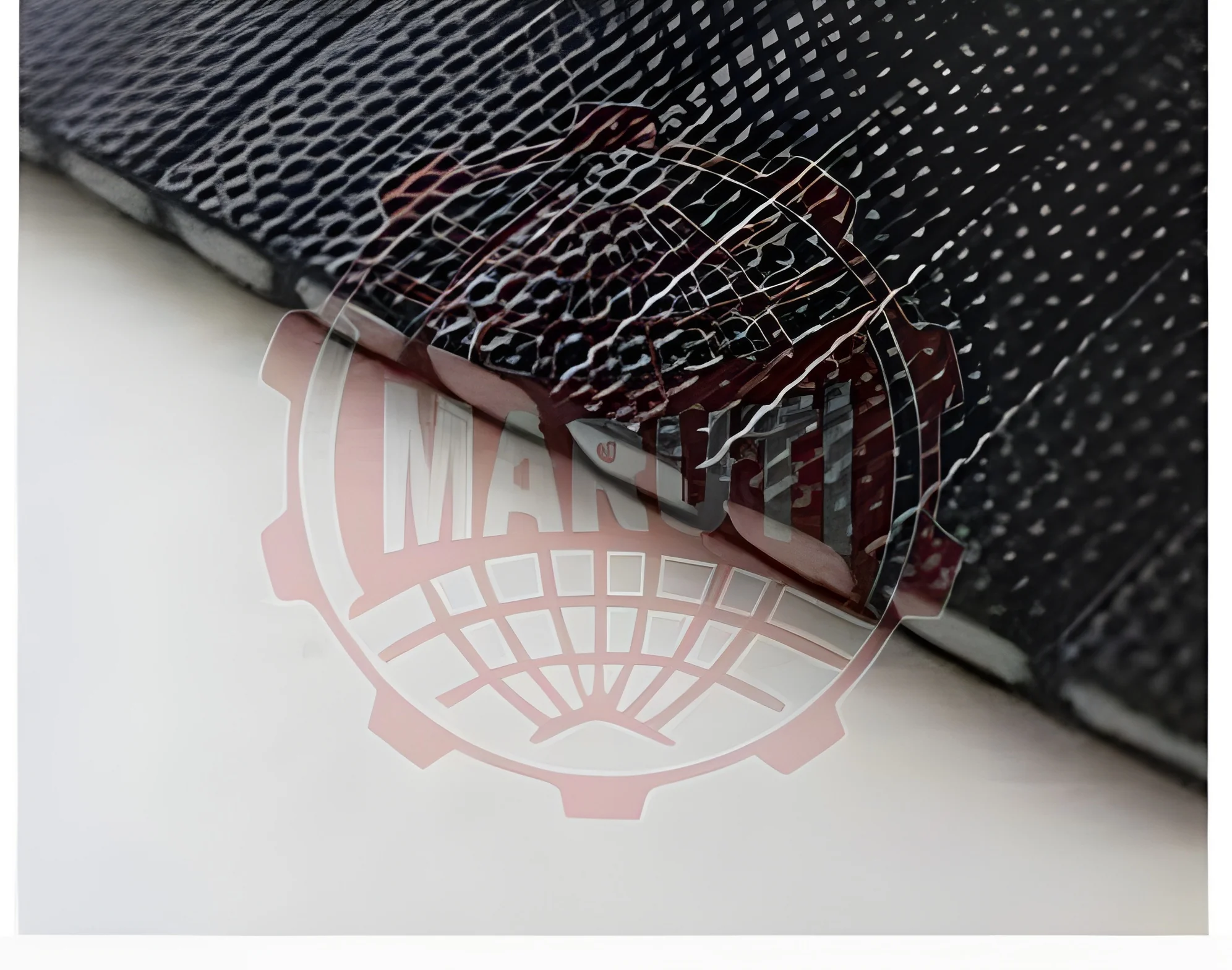
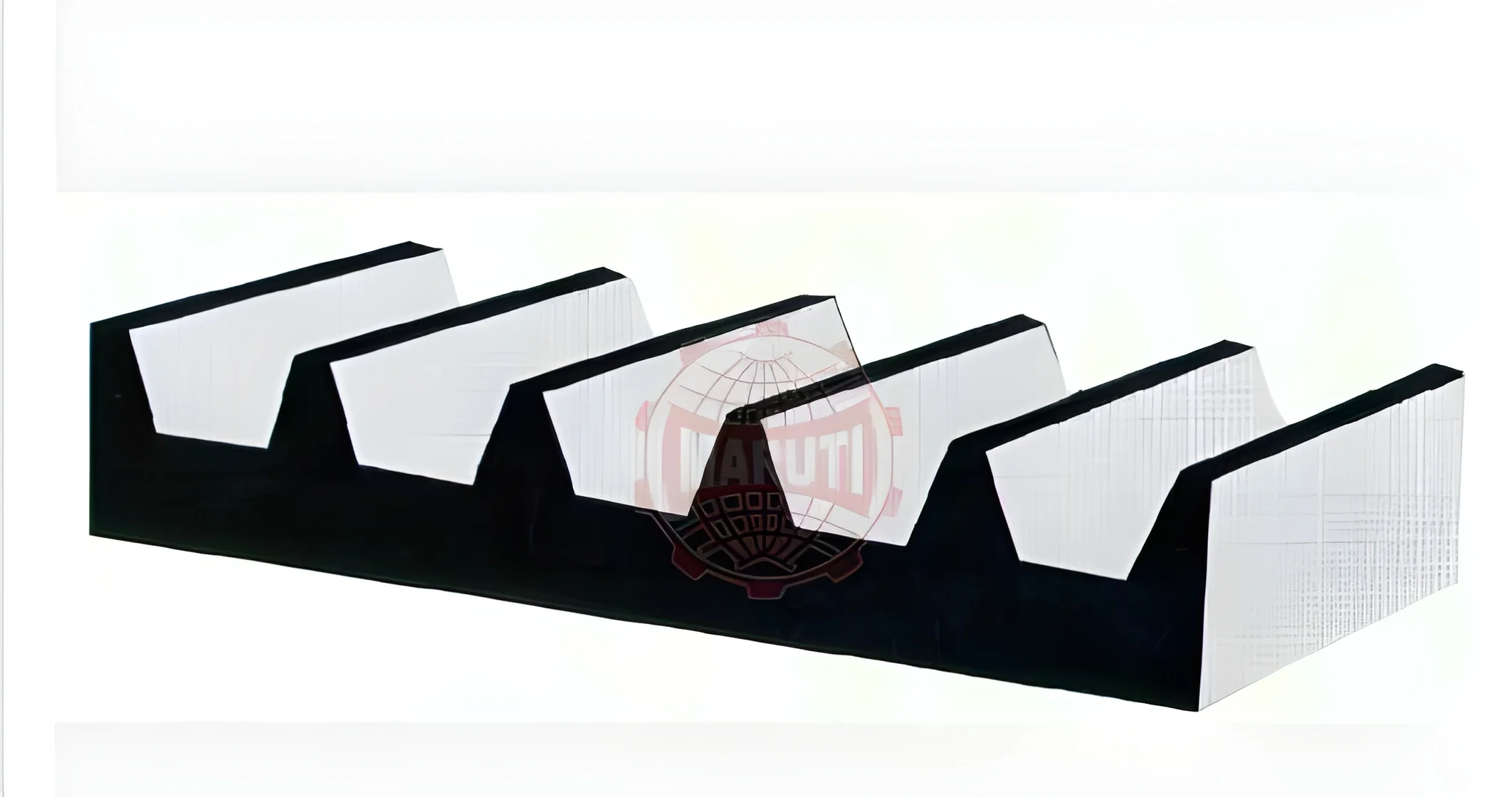
EPDM rubber pads represent the gold standard in industrial elastomeric components, manufactured from premium ethylene propylene diene monomer rubber. These pads deliver exceptional performance across demanding environments, offering superior resistance to weathering, ozone degradation, UV radiation, and a broad spectrum of chemicals. Their unique polymer structure maintains flexibility from -40°C to 150°C, ensuring reliable operation in both arctic cold and desert heat. The closed-cell nature of EPDM rubber provides excellent water resistance while allowing for compression and recovery over thousands of cycles. This combination of properties makes EPDM pads the preferred choice for engineers and procurement specialists seeking long-term solutions for protection, sealing, and vibration management needs.

Across industries, EPDM rubber pads serve critical functions that directly impact operational safety and efficiency. In automotive manufacturing, they provide durable seals for doors, w...
EPDM rubber pads represent the gold standard in industrial elastomeric components, manufactured from premium ethylene propylene diene monomer rubber. These pads deliver exceptional performance across demanding environments, offering superior resistance to weathering, ozone degradation, UV radiation, and a broad spectrum of chemicals. Their unique polymer structure maintains flexibility from -40°C to 150°C, ensuring reliable operation in both arctic cold and desert heat. The closed-cell nature of EPDM rubber provides excellent water resistance while allowing for compression and recovery over thousands of cycles. This combination of properties makes EPDM pads the preferred choice for engineers and procurement specialists seeking long-term solutions for protection, sealing, and vibration management needs.

Across industries, EPDM rubber pads serve critical functions that directly impact operational safety and efficiency. In automotive manufacturing, they provide durable seals for doors, windows, and trunks while withstanding constant exposure to weather elements and temperature fluctuations. Construction companies rely on EPDM pads for waterproofing membranes, expansion joint fillers, and structural isolation in bridges and high-rise buildings. Industrial facilities utilize these pads for machinery vibration dampening, protecting sensitive equipment from shock loads and reducing noise transmission. The electrical sector depends on EPDM's insulating properties for transformer pads and outdoor electrical enclosures, while HVAC manufacturers incorporate them into system components requiring weather-resistant sealing.

The business value of EPDM rubber pads extends far beyond their initial purchase price, delivering substantial ROI through reduced maintenance costs and extended equipment lifespan. By effectively absorbing vibrations and preventing surface damage, these pads minimize wear on expensive machinery and structural components. Their exceptional weather and chemical resistance translates to fewer replacements and less downtime, particularly in outdoor or harsh industrial environments. The material's durability ensures consistent performance over years of service, providing predictable operational costs and reducing unexpected failures. Customization options allow businesses to optimize pad dimensions and properties for specific applications, ensuring perfect fit and maximum effectiveness in every installation scenario.

Key Features:
- Excellent weather, ozone, and UV resistance for outdoor durability
- Superior chemical resistance against acids, alkalis, and polar fluids
- Temperature flexibility maintained from -40°C to 150°C
- Closed-cell structure providing waterproof performance
- High compression set resistance for long-term reliability

Benefits:
- Extends equipment lifespan by reducing vibration-induced wear
- Lowers maintenance costs through exceptional durability
- Provides reliable performance in extreme environmental conditions
- Reduces operational downtime with consistent long-term performance
- Offers customization options for specific application requirements
Specifications
| Additional Information | |
|---|---|
| Country of Origin | India |
Application
EPDM rubber pads are essential components across multiple industries due to their exceptional durability and environmental resistance. They perform reliably in extreme temperatures, from freezing cold to intense heat, while maintaining flexibility and structural integrity. These properties make them indispensable for long-term applications where material failure is not an option.
Businesses choose EPDM pads for their proven track record in reducing maintenance costs and extending equipment lifespan. The material's resistance to weathering, UV exposure, and ozone degradation ensures consistent performance year after year. This reliability translates to fewer replacements, less downtime, and improved operational efficiency for companies worldwide. Real-world applications:
Real-world applications:
- Automotive door seals and window gaskets that withstand years of sun exposure
- Roofing membranes and waterproofing seals for commercial buildings
- Industrial machinery vibration dampening to protect sensitive equipment
- Construction expansion joints in bridges and concrete structures
- Electrical insulation components for outdoor power distribution systems
Trade Details
| Available Stock | In Stock |
| Sample Availability | No |
Payment Terms
| Payment Terms |
|
Company Profile

Maruti Techno Rubber Pvt. Ltd., Uttar Pradesh
 Uttar Pradesh, India
Uttar Pradesh, IndiaConstruction•Manufacturer•Distributor / Wholesaler•Retailer
Factory Details
Factory SizeBelow 1000 sqm
Industrial EPDM Rubber Pads For Vibration Dampening And Weather Resistance
EPDM rubber pads provide superior weather, ozone, and chemical resistance for industrial applications. These durable, flexible pads protect surfaces and absorb vibrations reliably across automotive, construction, and machinery sectors.
Min. Order Quantity: 1
Shipping
Shipping fee and delivery date to be negotiated. Contact supplier now for more details.
Maruti Techno Rubber Pvt. Ltd.
 Uttar Pradesh, India
Uttar Pradesh, IndiaConstructionManufacturer