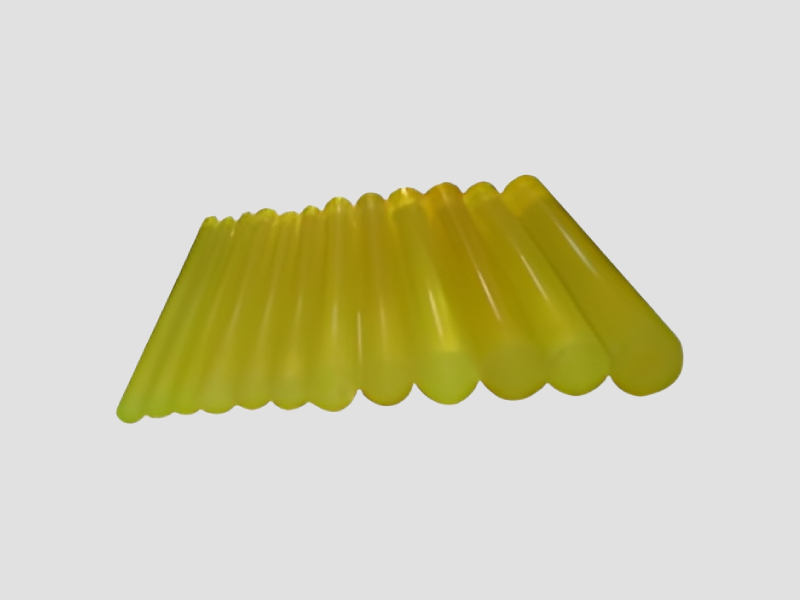
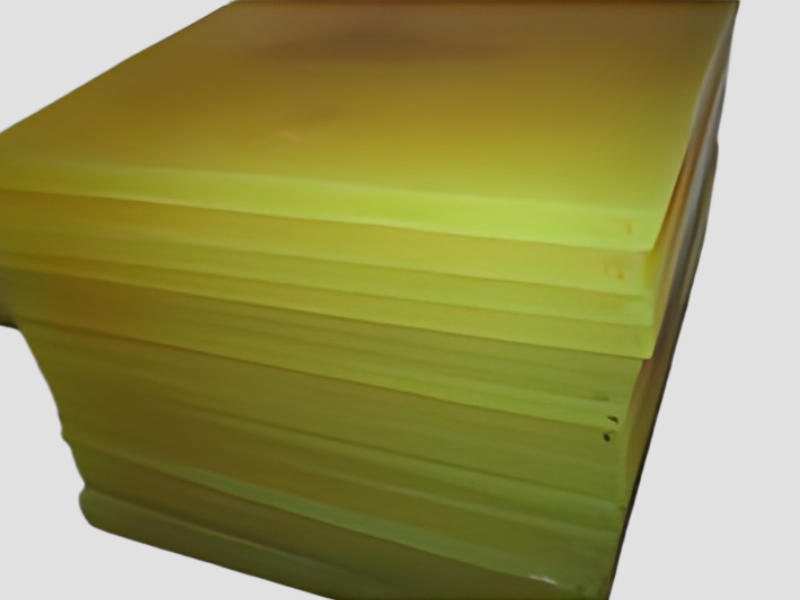
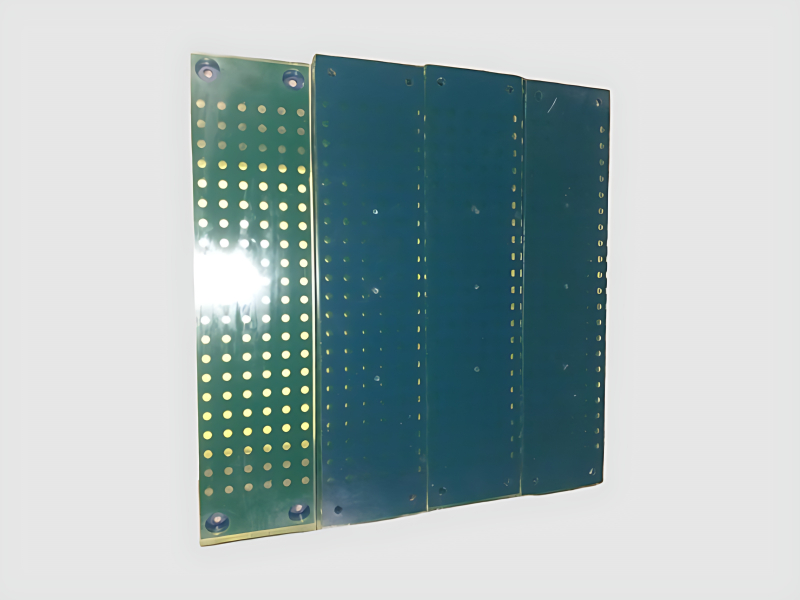
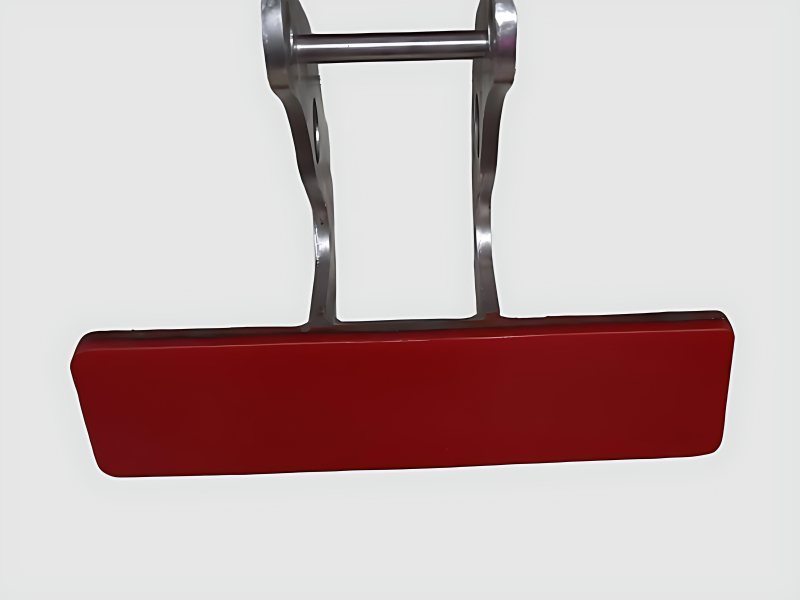
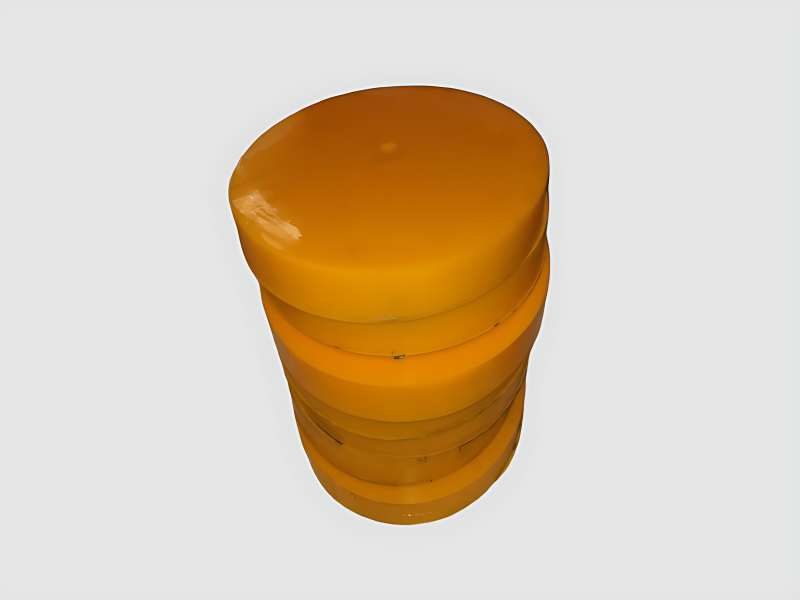
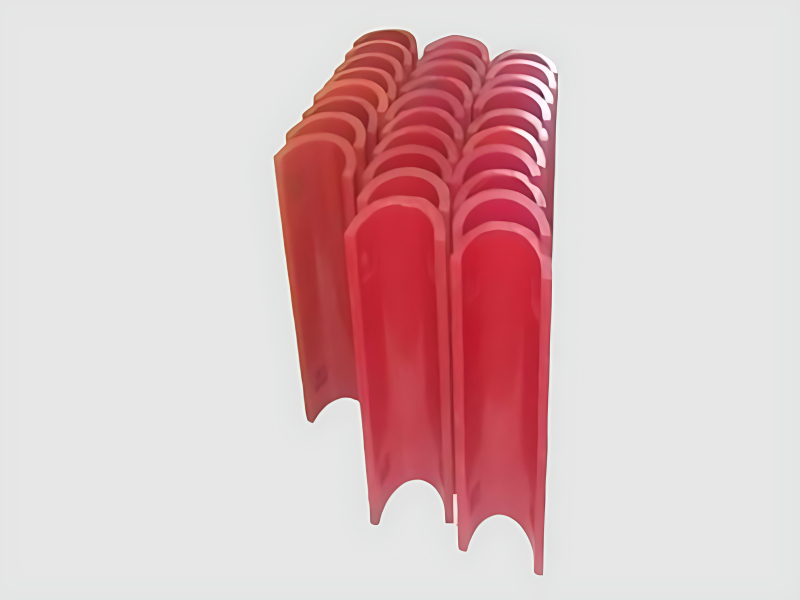
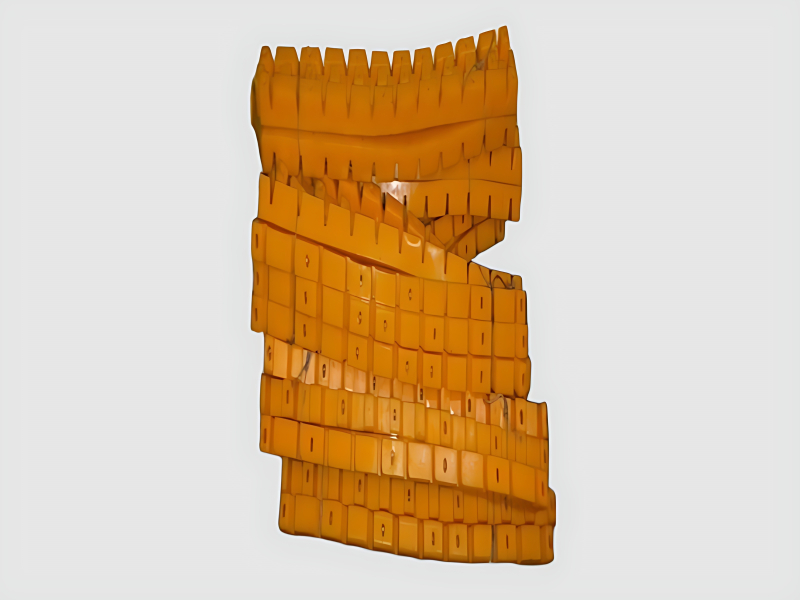
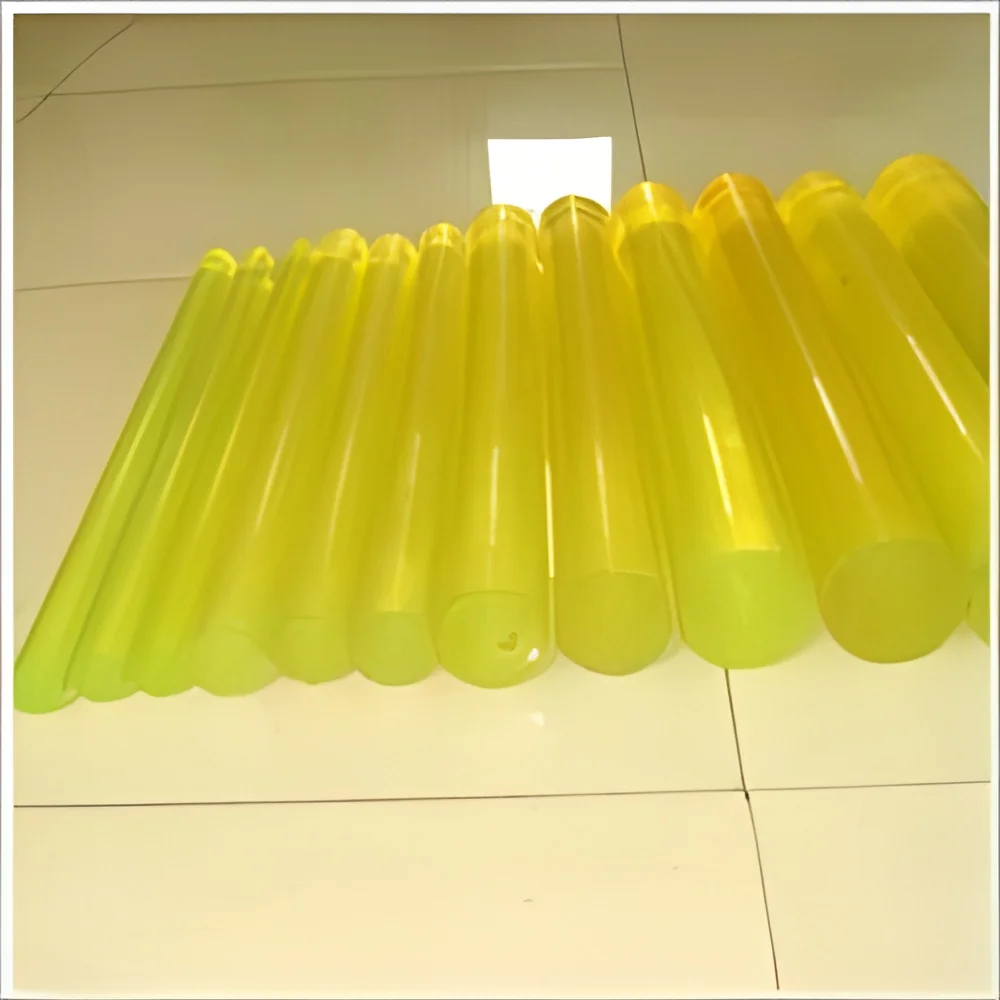
What are Polyurethane Rubber?
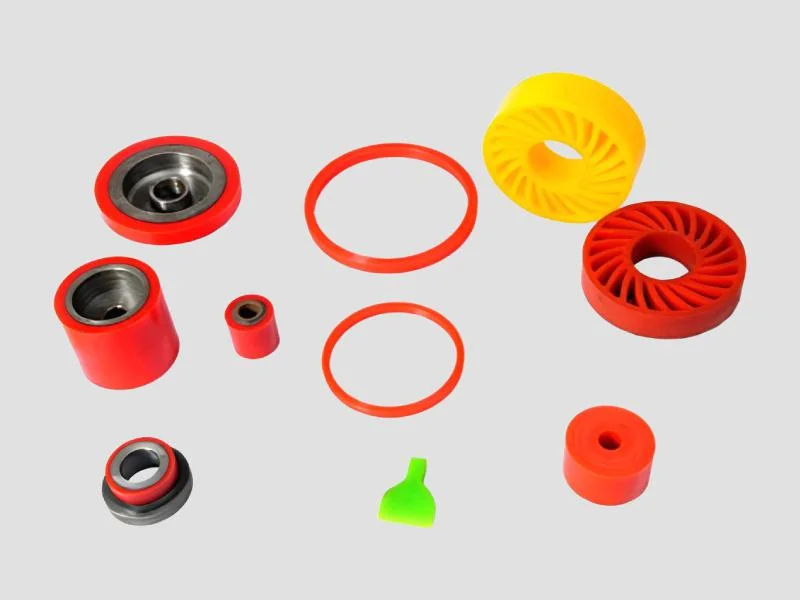
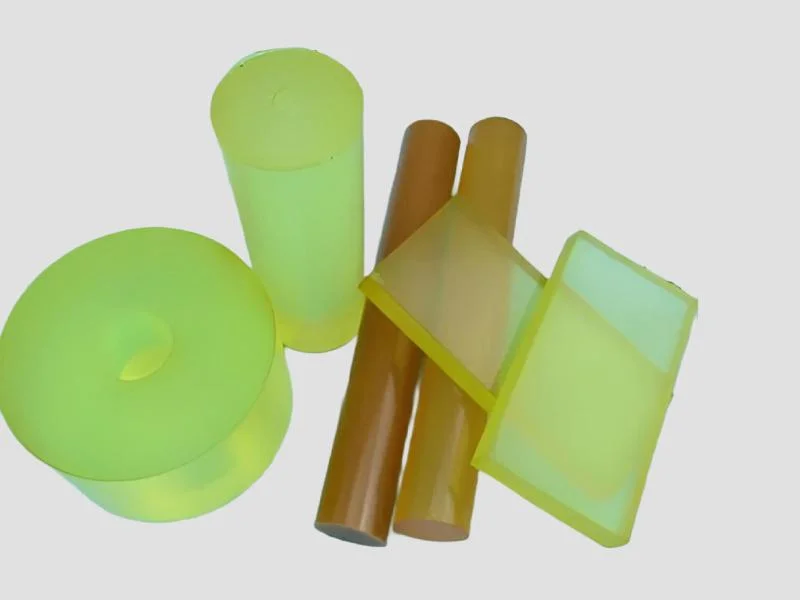
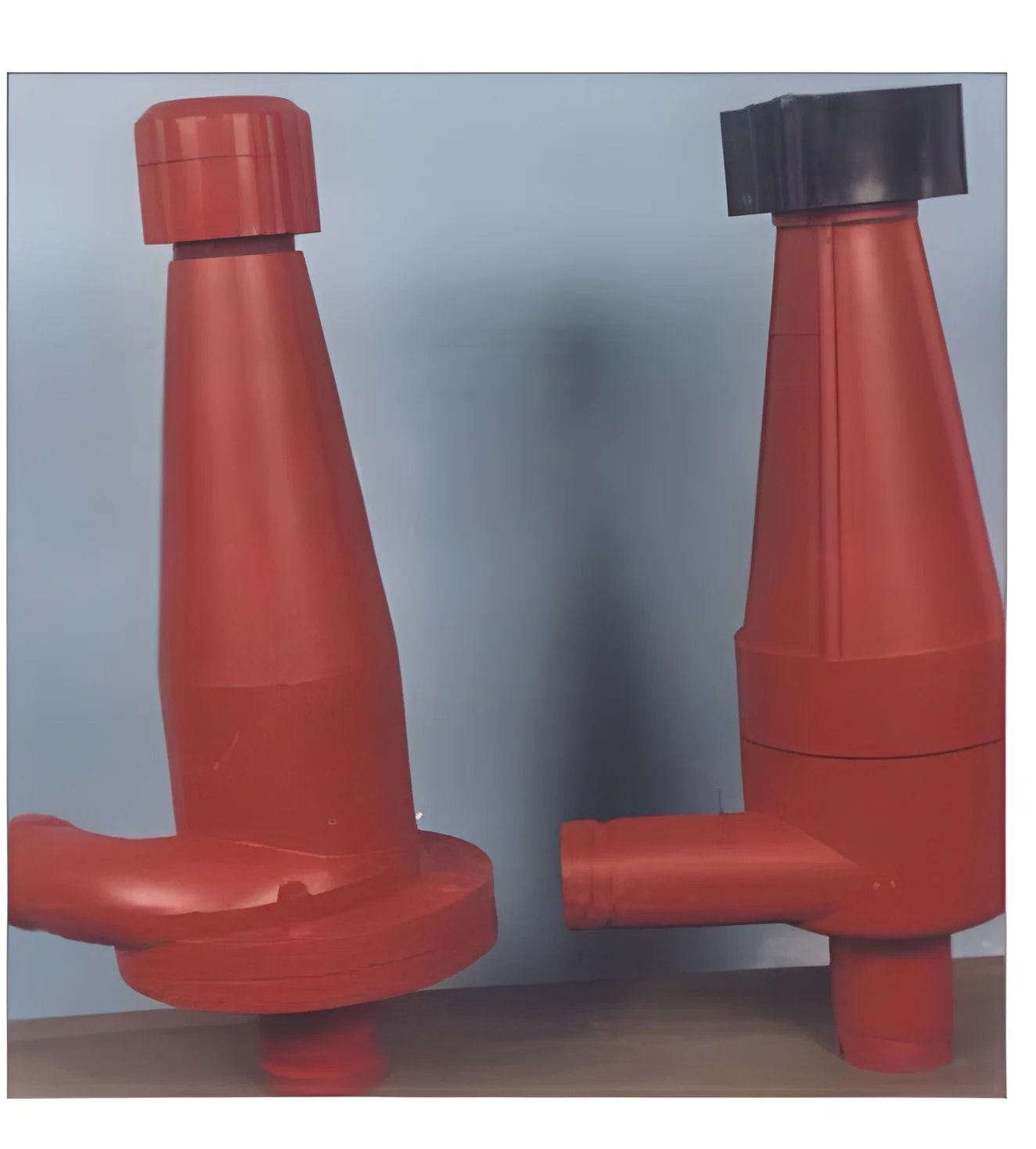
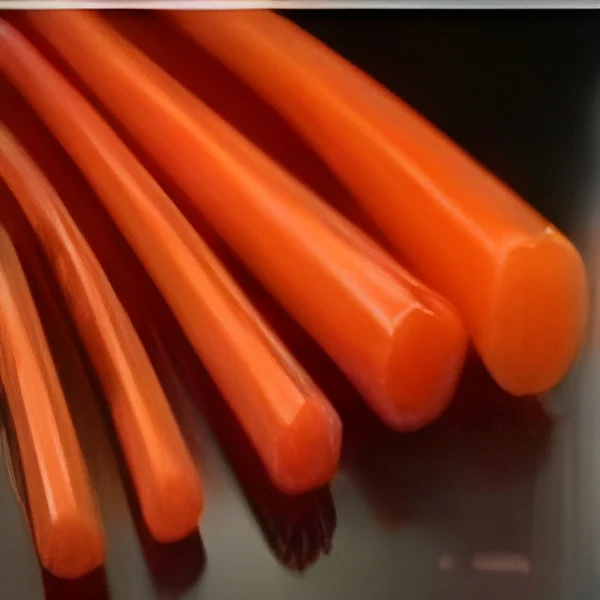
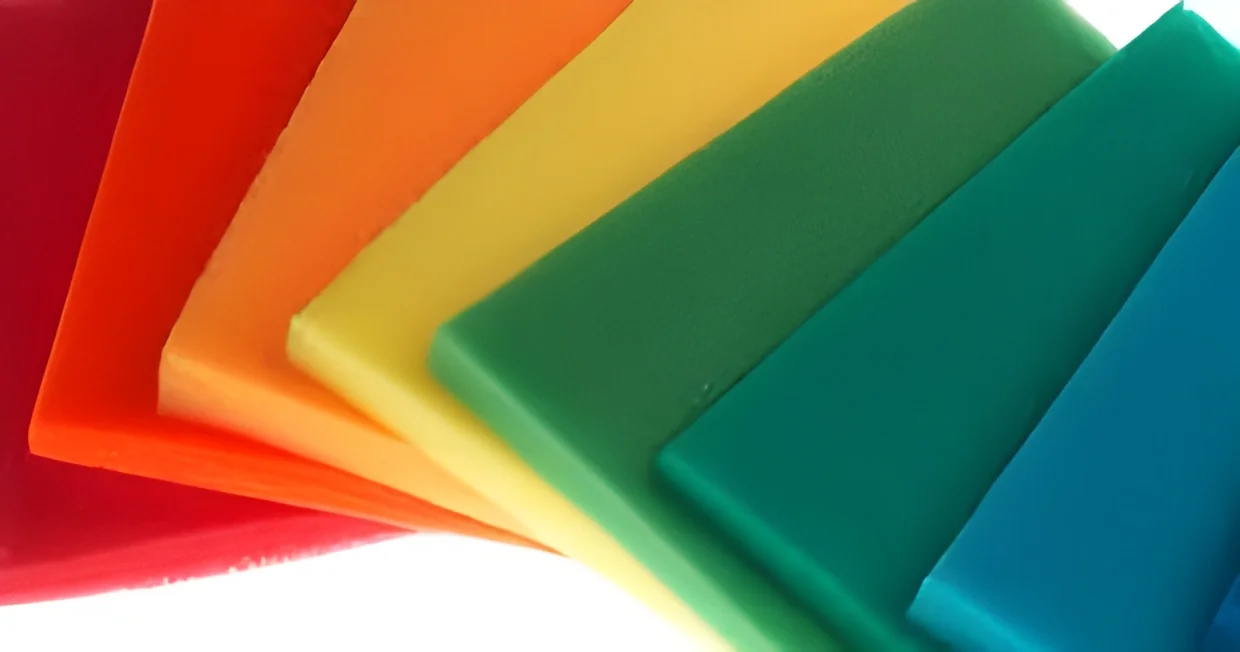
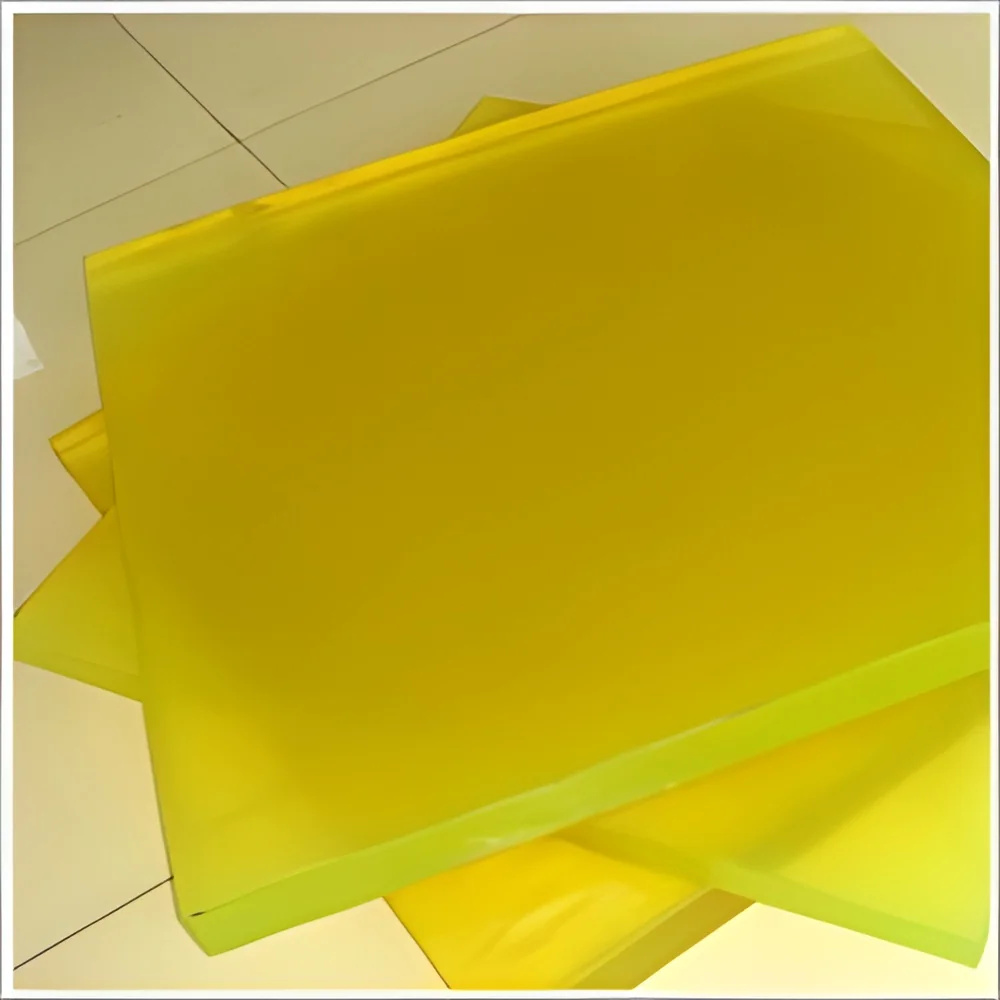
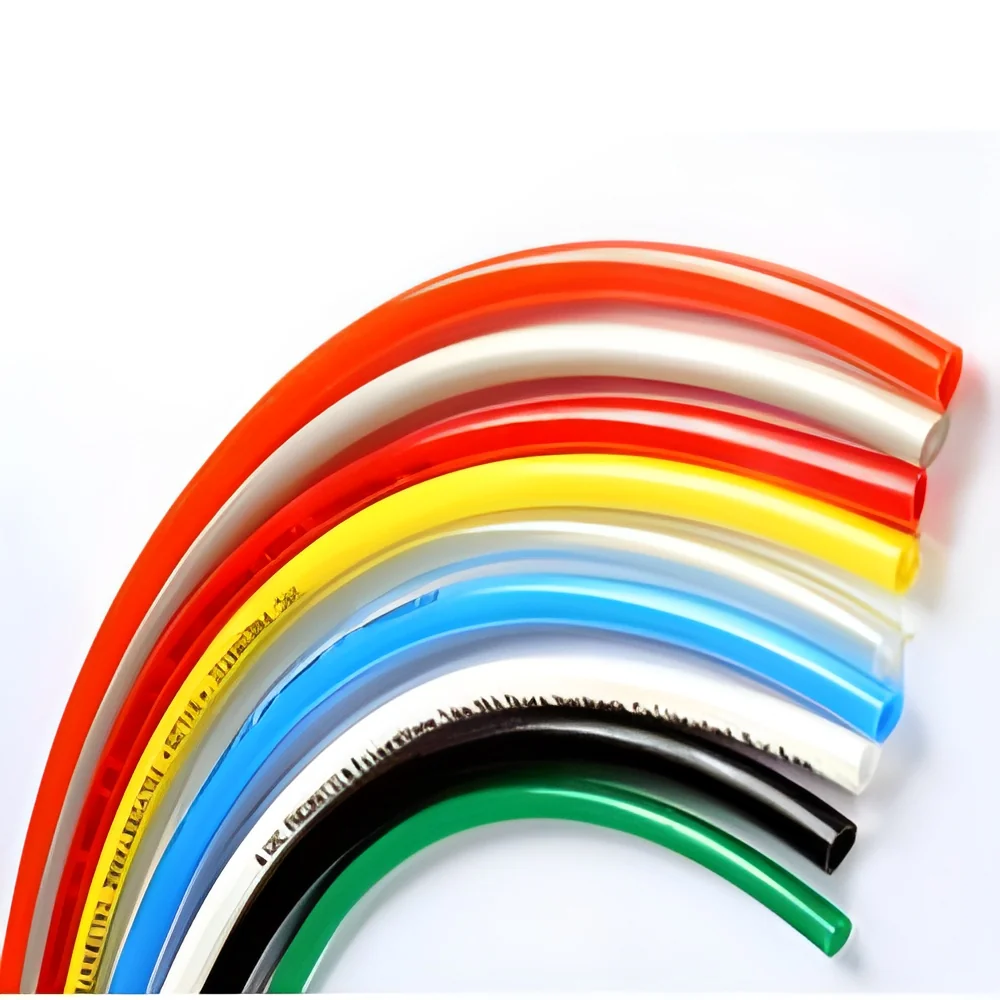
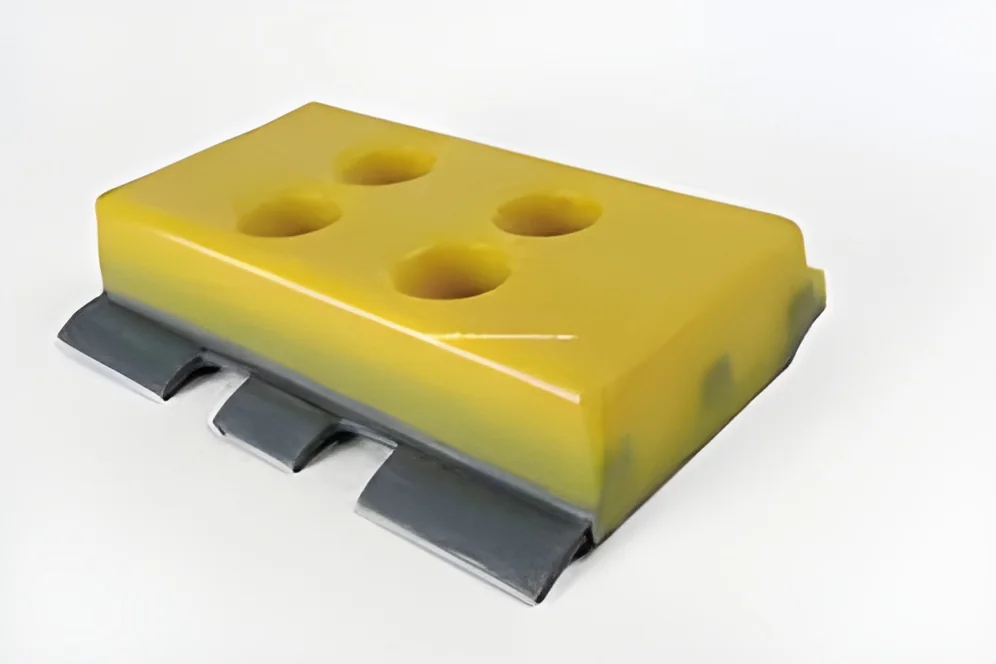
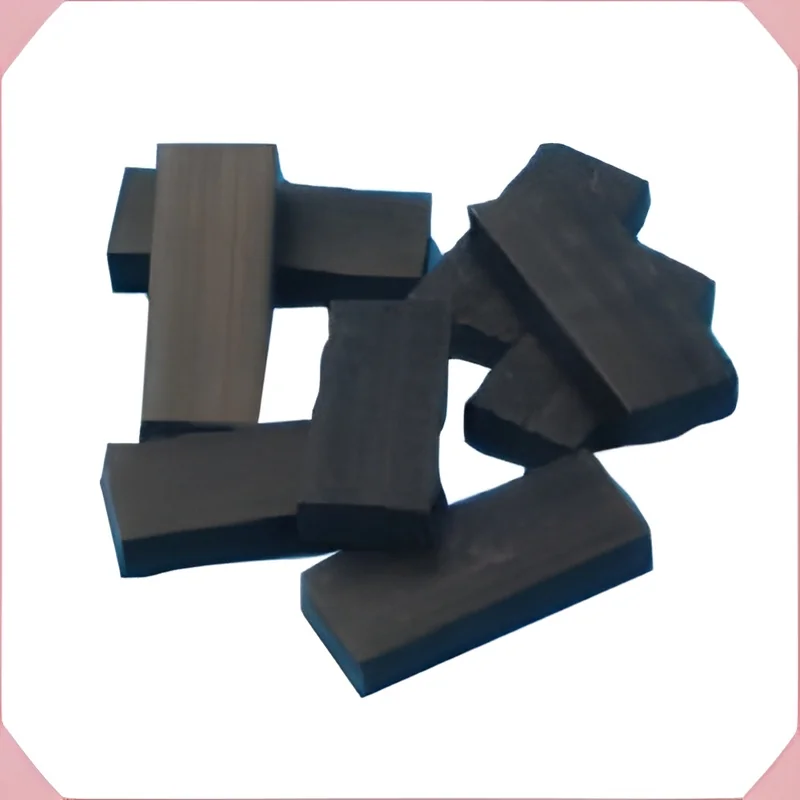
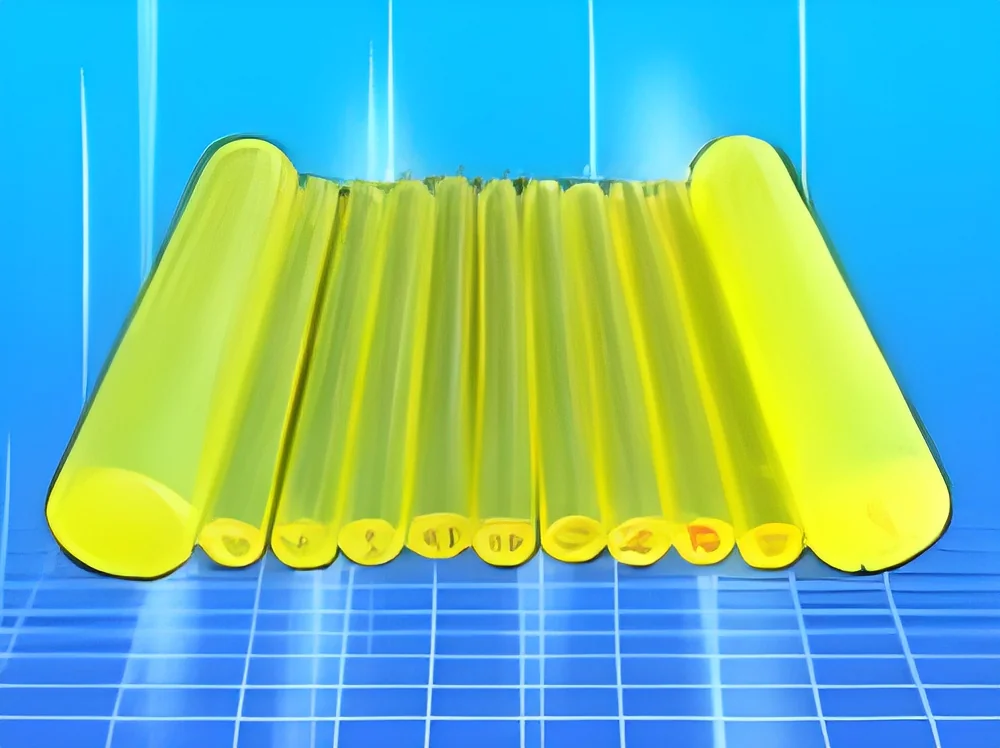
Polyurethane rubber is a versatile elastomer that combines the properties of rubber and plastic. It is known for its high resilience, durability, and flexibility, making it an excellent choice for various industrial applications. Polyurethane rubber can be formulated to achieve specific characteristics such as hardness, tensile strength, and abrasion resistance. This adaptability is one of the reasons why it is widely used across different sectors.
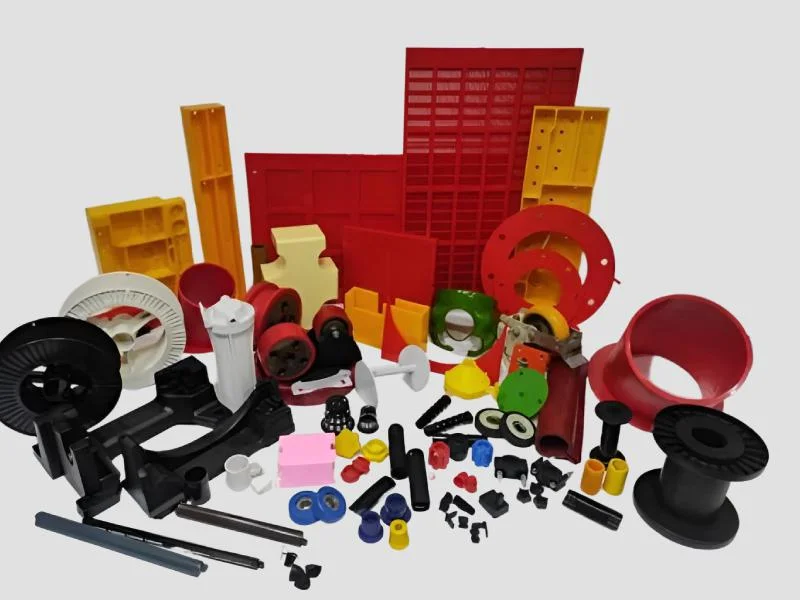
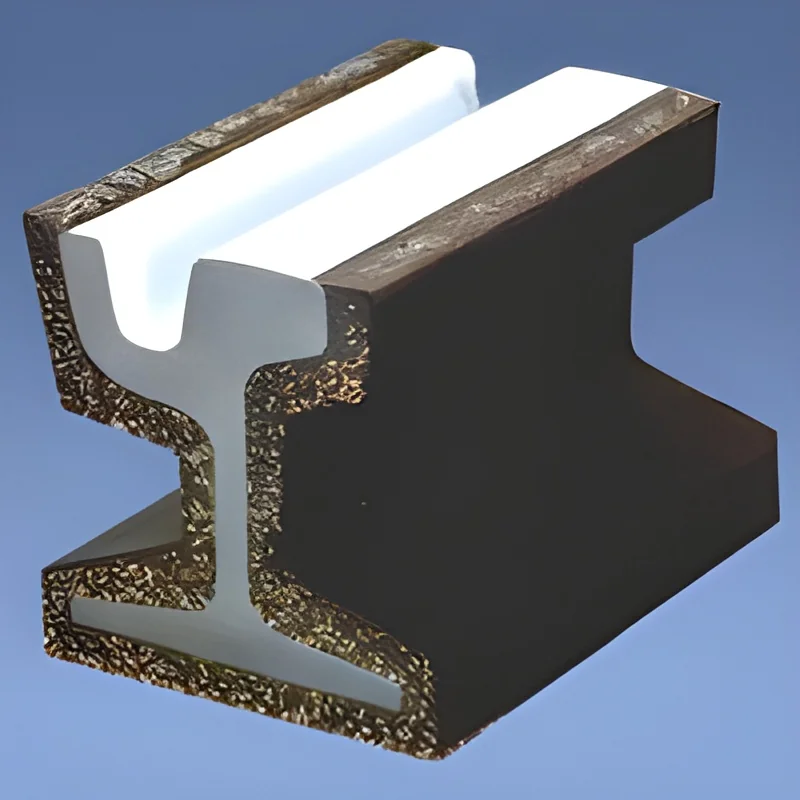
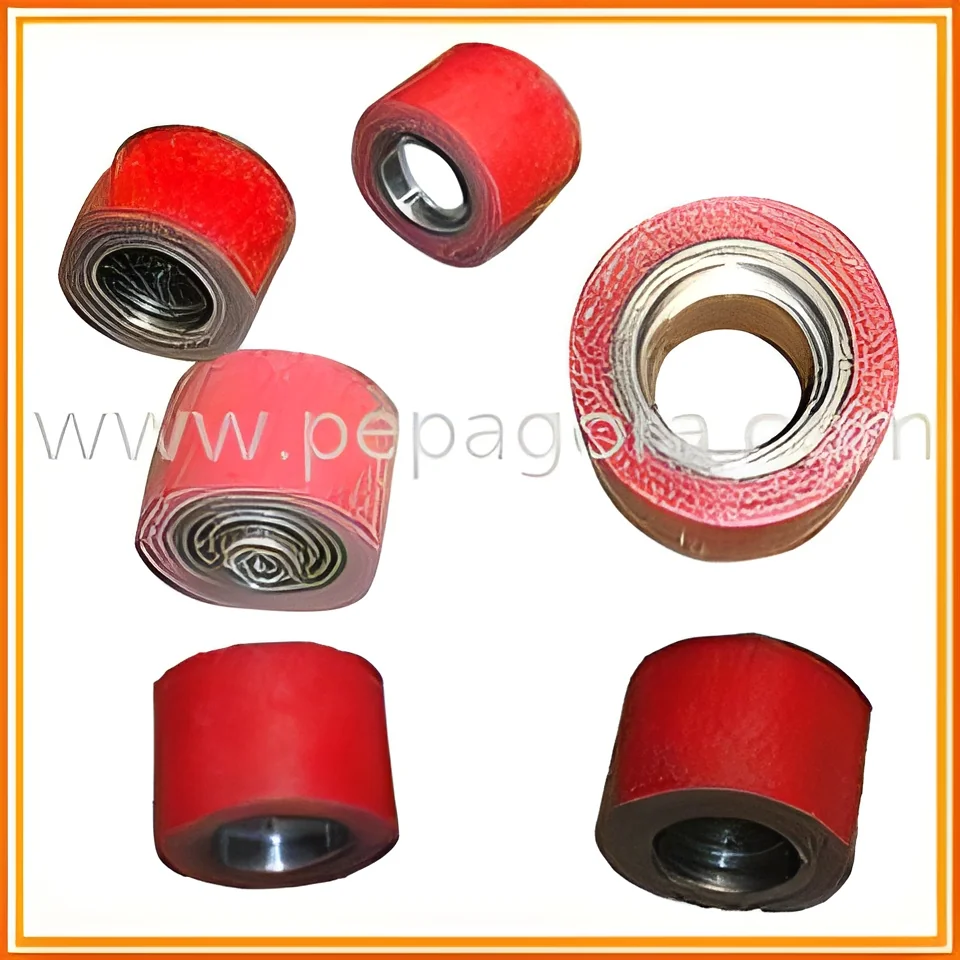
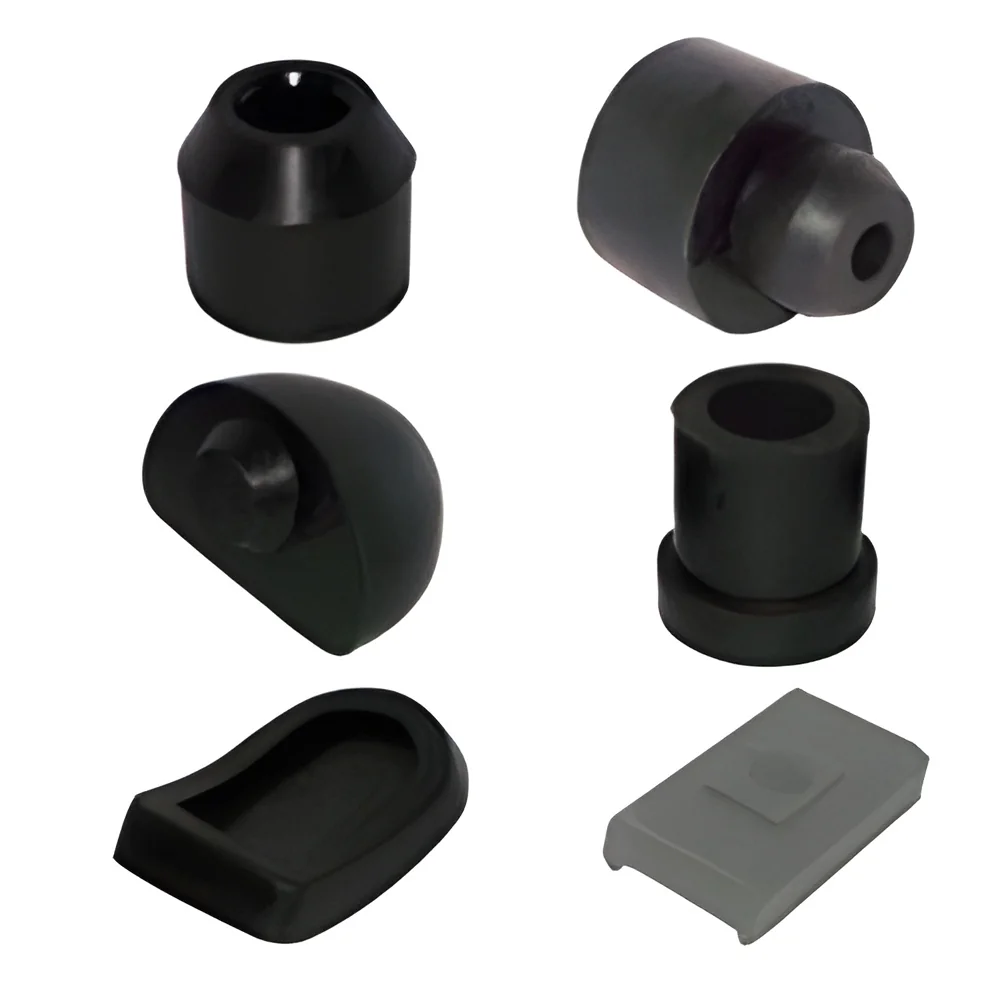
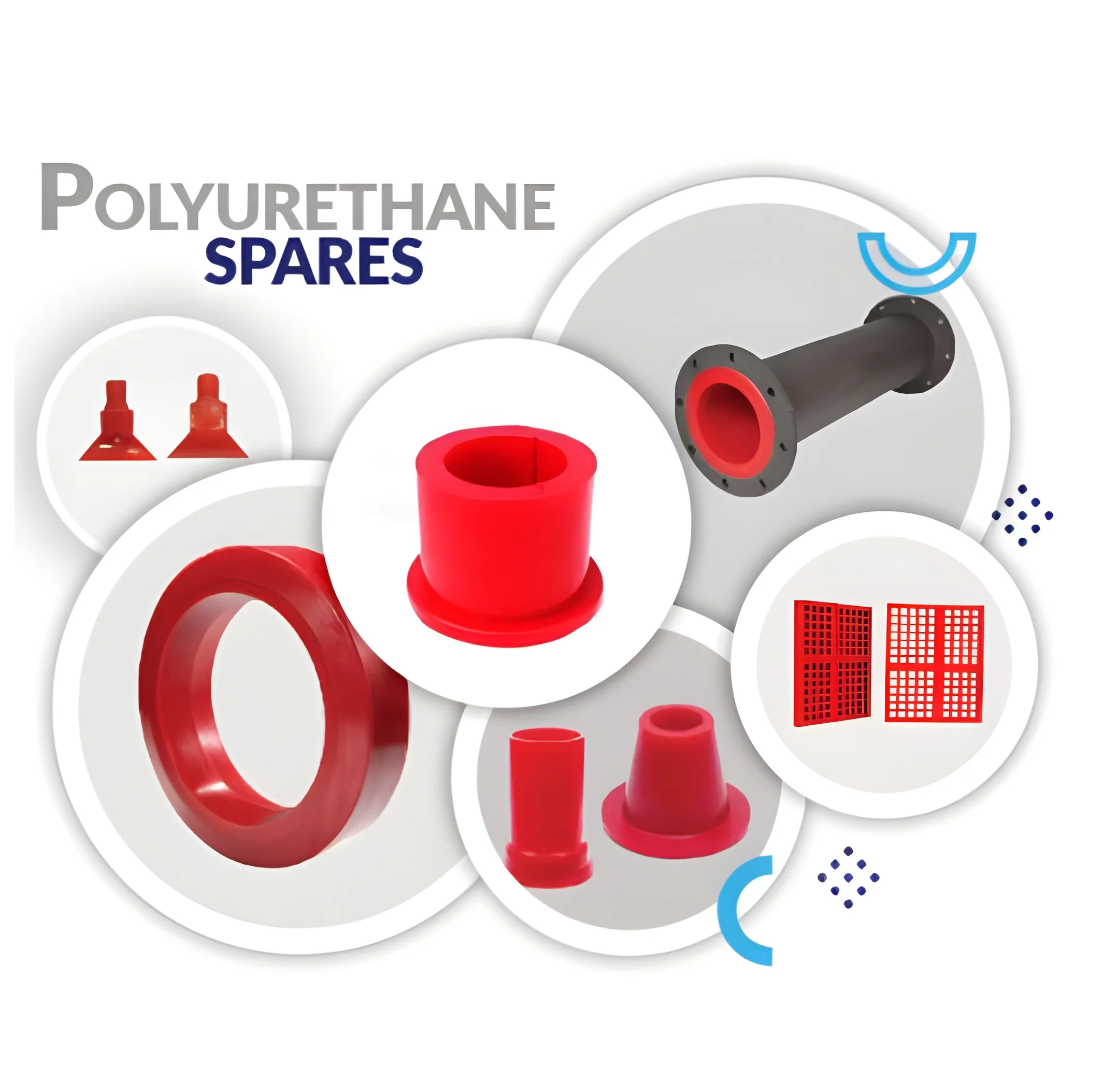
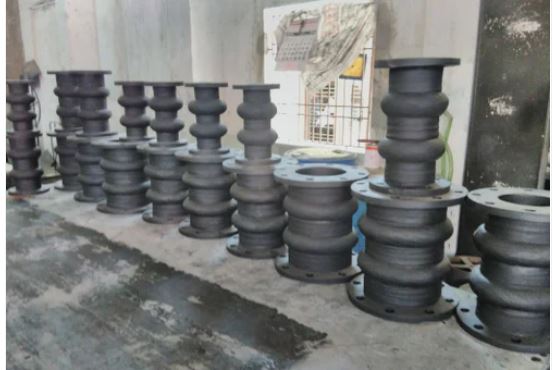
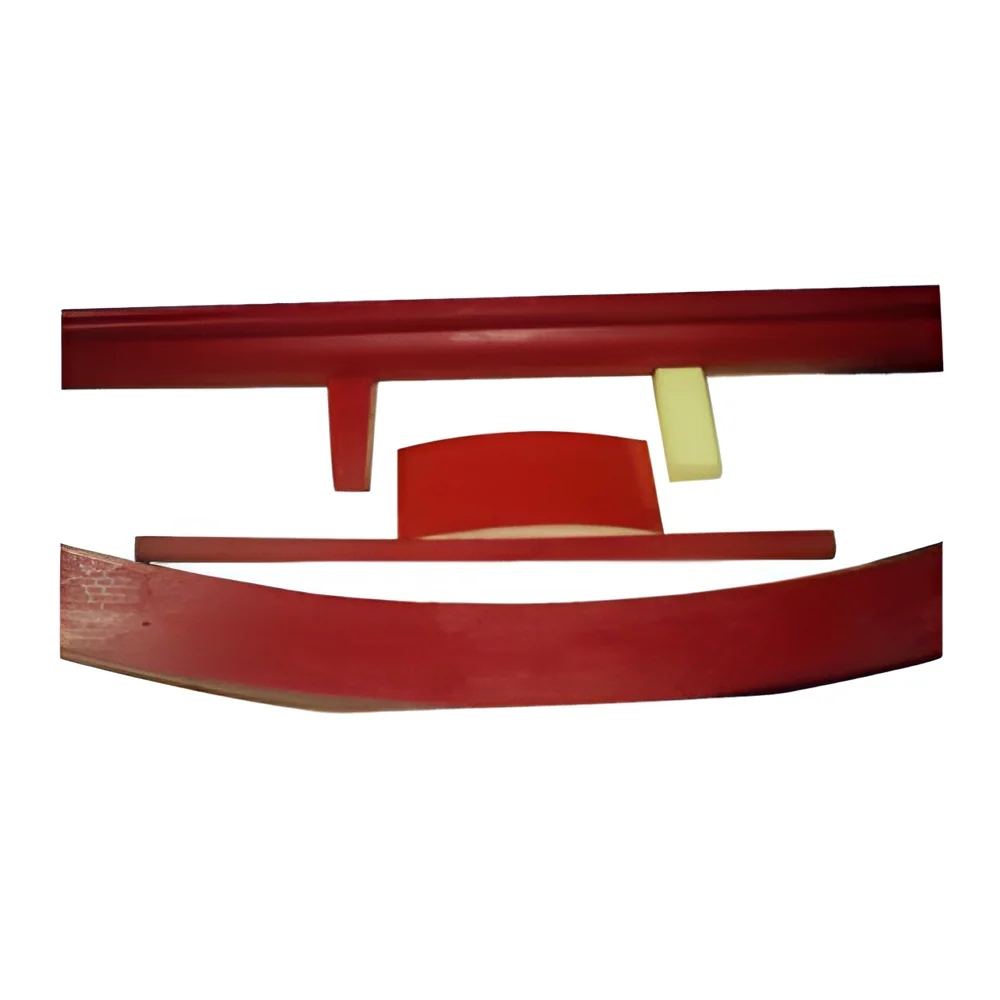
The primary applications of polyurethane rubber include seals, gaskets, wheels, and various molded parts. Businesses utilize this material in automotive, aerospace, manufacturing, and consumer goods sectors due to its impressive mechanical properties. The material's ability to withstand harsh environmental conditions, including temperature fluctuations and exposure to chemicals, further enhances its utility in numerous applications. As industries increasingly focus on performance and longevity, the demand for polyurethane rubber continues to grow, reflecting its importance in the market.
Key Features and Specifications
Polyurethane rubber offers a range of features that make it suitable for various applications. These features include high abrasion resistance, excellent mechanical properties, and flexibility. Additionally, it can be produced in different hardness levels, allowing for customization based on specific needs.
Key specifications include:
1. Hardness
- Measured on the Shore A or Shore D scale
- Typically ranges from 10 to 90 Shore A
2. Tensile Strength
- Indicates the maximum stress that the material can withstand
- Generally ranges from 5 to 50 MPa
3. Elongation at Break
- Represents the percentage increase in length before rupture
- Commonly exceeds 300%
4. Compression Set
- Measures the material's ability to return to its original thickness after compression
- Usually less than 25%
5. Tear Resistance
- Reflects the material's resistance to tearing
- Often ranges from 20 to 50 N/mm
6. Chemical Resistance
- Resistance to oils, solvents, and various chemicals
- Varies based on specific formulations
7. Temperature Range
- Functional temperature range for many applications
- Generally from -30°C to 80°C
8. UV Resistance
- Ability to resist degradation from UV exposure
- Varies based on specific formulations
In summary, polyurethane rubber is characterized by its strength, flexibility, and resilience. Its diverse specifications make it suitable for a wide array of industrial applications.
Common Applications and Use Cases
Polyurethane rubber is utilized across various industries due to its adaptability and performance.
1. Automotive: It is commonly used for seals, gaskets, and bushings that require durability and resistance to wear.
2. Aerospace: The material is used in components that demand lightweight properties and high strength, such as seals and vibration dampers.
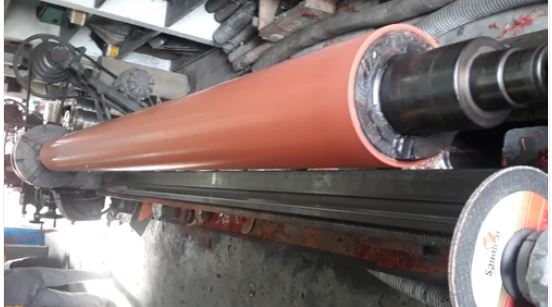
3. Manufacturing: Polyurethane rubber is often found in conveyor belts and rollers, providing excellent friction and wear resistance.
4. Consumer Goods: Many household items, such as footwear and sporting goods, incorporate polyurethane rubber for enhanced comfort and durability.
5. Construction: It is used in sealing systems and as a component in construction materials due to its weather resistance.
6. Medical: Polyurethane rubber is utilized in medical devices and equipment, where biocompatibility and flexibility are critical.
7. Electronics: The material is used for protective casings and insulators, ensuring durability and impact resistance.
Product Variants and Subcategories
Polyurethane rubber offers a range of variants tailored to specific applications, enhancing its versatility.
Standard Polyurethane Rubber: This variant is widely used across various industries due to its balanced properties. It offers good abrasion resistance and flexibility, making it suitable for general-purpose applications.
High-Temperature Polyurethane Rubber: Designed to withstand higher temperatures, this variant is ideal for applications that involve thermal stress, such as automotive engine components.
Low-Compression Set Polyurethane Rubber: This variant is engineered to minimize deformation under compressive loads, making it suitable for seals and gaskets in dynamic applications.
Benefits and Advantages
Polyurethane rubber provides numerous benefits for businesses seeking reliable materials for their products.
1. High Durability: This material exhibits excellent resistance to wear and tear, extending the lifespan of components made from it.
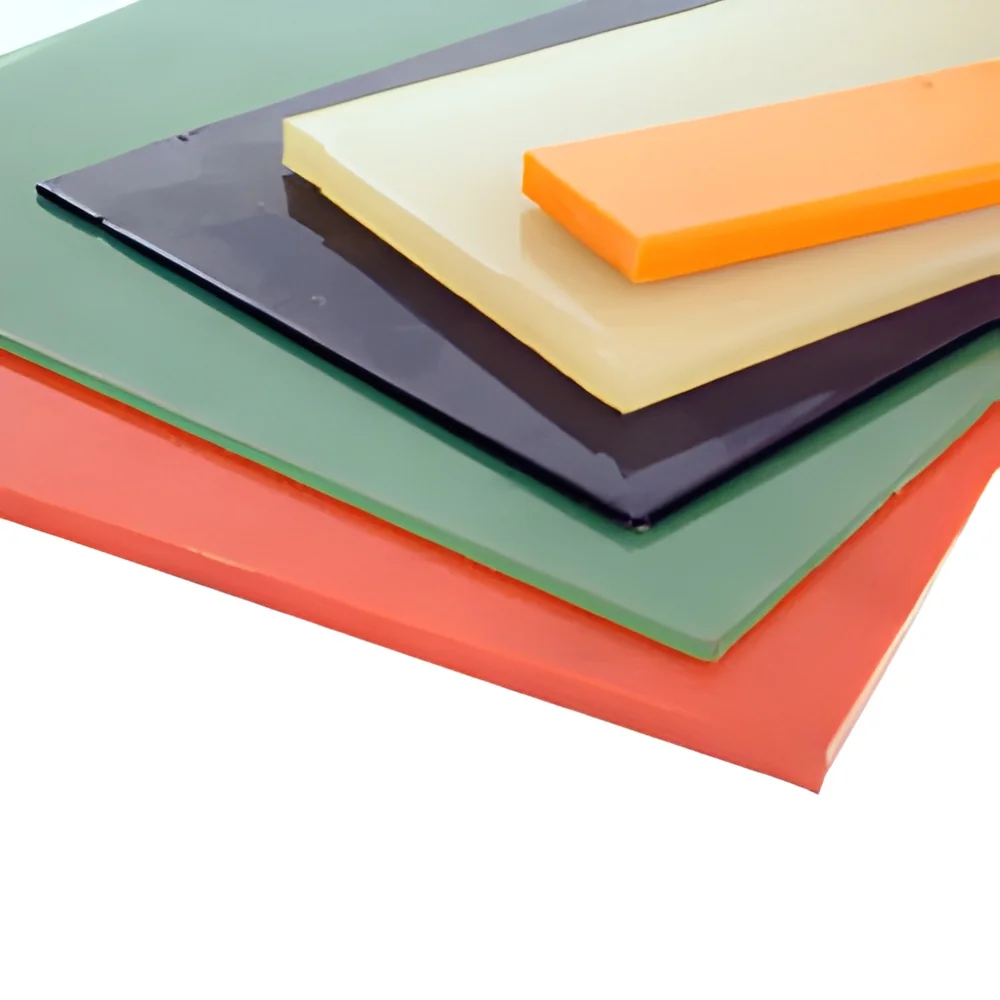
2. Versatility: Its ability to be formulated in various hardness levels and characteristics makes it ideal for diverse applications.
3. Chemical Resistance: Polyurethane rubber can resist many chemicals, ensuring longevity in harsh environments.
4. Cost-Effectiveness: While initially more expensive than some materials, its durability can lead to lower overall costs in applications due to reduced replacement frequency.
5. Customization: Manufacturers can tailor polyurethane rubber formulations to meet specific needs, enhancing performance in unique applications.
6. Lightweight: Compared to metals and other materials, polyurethane rubber is lighter, making it advantageous in applications where weight is a concern.
Buying Guide for B2B Buyers
When sourcing polyurethane rubber, it is essential to consider several factors that influence the procurement process.
1. Quality Assessment: Ensure that the material meets the necessary standards and specifications for your application. Reviewing certifications and conducting tests can help verify quality.
2. Supplier Verification: Research potential suppliers to confirm their reliability and reputation. Check for reviews, references, and certifications to ensure they meet industry standards.
3. Pricing and MOQ: Understand the pricing structure and minimum order quantities (MOQ) before finalizing your order to ensure it aligns with your budget and needs.
4. Delivery and Lead Times: Discuss logistics with suppliers to establish expected delivery times. Timely delivery is crucial to maintaining production schedules.
5. Compliance Requirements: Be aware of any regulatory or compliance issues related to the specific use of polyurethane rubber in your industry. Ensure suppliers can meet these requirements.
Compliance and Certifications
Compliance and certifications are critical for ensuring that polyurethane rubber meets industry standards and safety requirements.
Polyurethane rubber should adhere to relevant quality standards such as ISO 9001, which focuses on quality management systems. Additionally, certifications like CE indicate compliance with European safety and environmental requirements.
Safety and testing requirements are also essential, particularly for applications in sensitive sectors such as medical or food industries. Materials may need to undergo rigorous testing to ensure they are safe for use.
Regional compliance considerations may vary, so it is crucial to understand the specific regulations that apply in different markets. This ensures that the product not only meets quality standards but also complies with local laws.
Why Source Polyurethane Rubber from Pepagora?
Pepagora serves as a trusted platform for sourcing polyurethane rubber, offering several key advantages for businesses.
Verified Supplier Network: Pepagora has established a network of verified suppliers, ensuring that buyers can access quality materials from reputable sources. This verification process minimizes risks associated with sourcing.
Streamlined RFQ Process: The platform simplifies the request for quotation (RFQ) process, allowing businesses to quickly compare offers from multiple suppliers. This efficiency enhances decision-making and procurement.
Trade Assurance and Support: Pepagora provides trade assurance, offering buyer protection throughout the transaction process. This support builds confidence in sourcing materials.
Regional Coverage: With a strong presence in India, the GCC, and Southeast Asia, Pepagora facilitates access to polyurethane rubber suppliers across these regions, enhancing sourcing opportunities for businesses in diverse markets.

 IN
IN