
 IN
Rubber Masterbatches
1 products available
What are Rubber Masterbatches?
Rubber masterbatches are concentrated mixtures of pigments or other additives that are incorporated into rubber compounds. These masterbatches are produced by dispersing colorants or functional additives in a rubber medium, which enhances the properties of the final rubber product. By using masterbatches, manufacturers can achieve consistent color and performance in various rubber applications.
Rubber masterbatches are primarily used in the production of rubber products such as tires, seals, gaskets, and other automotive components. They are also utilized in industrial applications where rubber is needed for machinery and equipment. The versatility of rubber masterbatches allows manufacturers to tailor rubber compounds to meet specific performance requirements, making them an essential component in many industries.
In the current market, rubber masterbatches are highly relevant due to the increasing demand for high-performance rubber products across various sectors. The growth of the automotive and industrial sectors, along with advancements in manufacturing technologies, has created a robust market for rubber masterbatches. This ensures that businesses can achieve optimal product performance while maintaining cost efficiency.
Key Features and Specifications
Rubber masterbatches offer a range of features that enhance the quality and performance of rubber products. Their unique formulation allows for easy incorporation into different rubber types, ensuring uniformity and consistency in the final product.
Key specifications include:
1. Pigment Concentration
- High pigment concentration for vibrant colors
- Typically ranges from 30% to 70%
2. Processing Temperature Compatibility
- Designed to withstand high processing temperatures
- Suitable for temperatures typically from 150°C to 180°C
3. Mooney Viscosity
- Indicates the flow characteristics of the rubber compound
- Values often range from 30 to 100 Mooney units
4. Dispersion Quality
- Ensures uniform distribution of additives in the rubber matrix
- Evaluated through visual inspection and testing
5. Shelf Life
- Stability and longevity of the masterbatch
- Generally ranges from 6 months to 2 years under proper storage conditions
6. Compatibility with Rubber Types
- Formulated for compatibility with natural and synthetic rubber
- Can be tailored for specific rubber grades
7. Color Fastness
- Resistance to fading and degradation over time
- Measured against industry standards
8. Environmental Compliance
- Adherence to safety and environmental regulations
- Certifications such as CE ensure compliance
Rubber masterbatches are designed to meet stringent specifications to ensure optimal performance in various applications, making them a critical component in the rubber manufacturing process.
Common Applications and Use Cases
Rubber masterbatches are utilized in multiple industries due to their versatility and functional benefits.
1. Automotive Industry: Rubber masterbatches are commonly used in the production of tires, seals, and gaskets, contributing to improved durability and performance.
2. Industrial Applications: In manufacturing machinery and equipment, rubber masterbatches enhance the properties of rubber parts, ensuring reliability and resistance to wear.
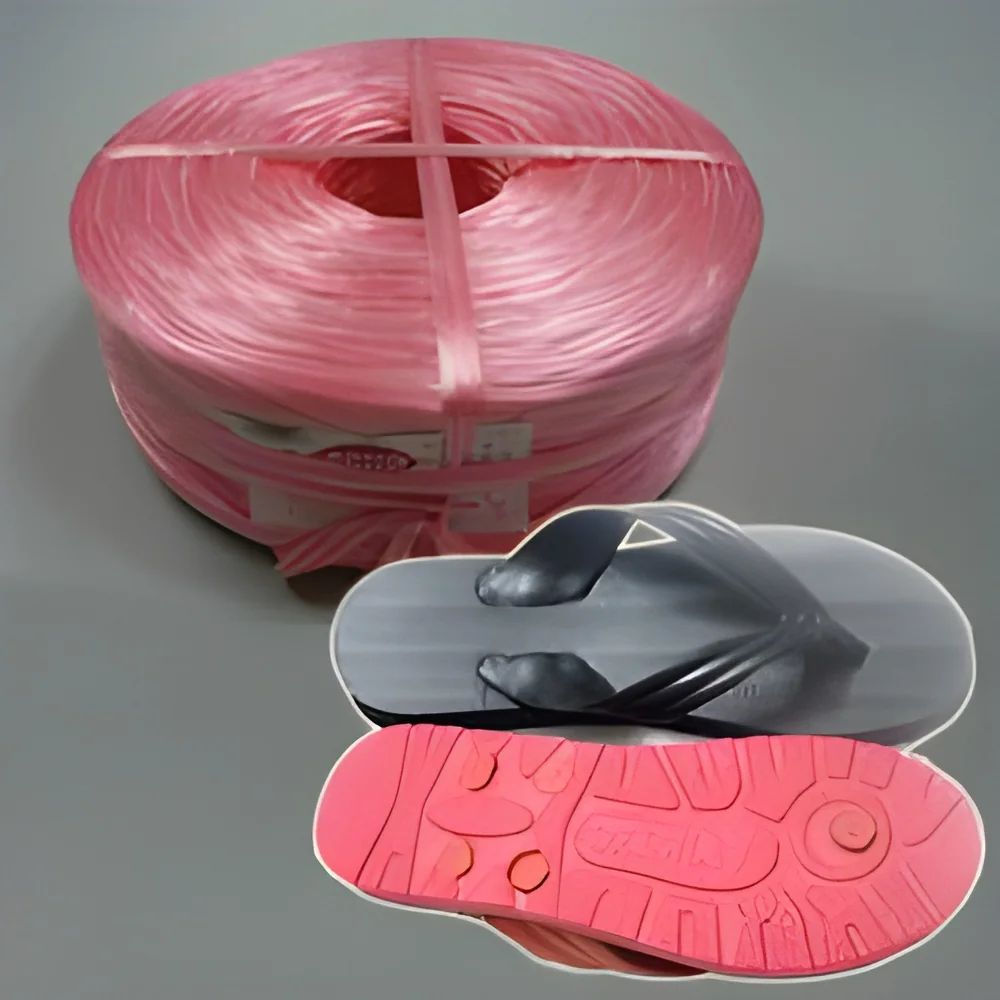
3. Consumer Goods: These masterbatches are also employed in creating rubber products like footwear and household items, providing both aesthetic appeal and functional performance.
4. Aerospace: Rubber masterbatches play a role in producing components that require high-performance materials, contributing to safety and reliability in aerospace applications.
5. Construction: Used in sealants and roofing materials, rubber masterbatches improve weather resistance and longevity.
6. Medical Devices: In the healthcare sector, rubber masterbatches ensure the production of safe and effective products, meeting strict regulatory standards.
7. Electrical Insulation: Rubber masterbatches are used in insulation materials to enhance electrical properties and safety.
Product Variants and Subcategories
Rubber masterbatches come in various formulations to meet specific needs of different applications.
Standard Masterbatches: These are the most commonly used variants, providing essential pigmentation and processing characteristics suitable for a wide range of rubber products.
Specialty Masterbatches: Designed for specific applications, these masterbatches may include additional functional additives, such as anti-oxidants or UV stabilizers, to enhance specific properties like weather resistance or thermal stability.
Color Masterbatches: These variants focus on providing vibrant colors and are formulated to achieve high color strength, ensuring aesthetic appeal in finished rubber products.
Filler Masterbatches: These are used to enhance the physical properties of rubber products, such as strength and flexibility, by incorporating various fillers into the rubber matrix.
Benefits and Advantages
Rubber masterbatches offer several advantages for manufacturers looking to enhance their products.
1. Improved Consistency: Using masterbatches ensures that rubber products maintain uniform color and quality throughout the production process.
2. Cost Efficiency: Incorporating masterbatches can reduce the overall material costs by optimizing the use of pigments and additives.
3. Enhanced Performance: Masterbatches can improve the physical and chemical properties of rubber, leading to products that perform better under various conditions.
4. Easy Processing: The concentrated format of masterbatches allows for straightforward incorporation into rubber compounds, streamlining the manufacturing process.
5. Versatility: Rubber masterbatches are suitable for a wide range of applications across different industries, making them a flexible choice for manufacturers.
6. Customization: Manufacturers can tailor masterbatches to meet specific requirements, ensuring that they achieve the desired performance characteristics in their products.
Buying Guide for B2B Buyers
When sourcing rubber masterbatches, it is essential for buyers to consider several factors to ensure they make informed decisions.
1. Quality Assessment: Evaluate the quality of masterbatches by reviewing supplier certifications and product samples. Look for consistency in color and performance through testing.
2. Supplier Verification: It is crucial to vet suppliers by checking their track record, customer reviews, and compliance with industry standards. A reliable supplier can significantly impact product quality.
3. Pricing and MOQ: Understand the pricing structure and minimum order quantities (MOQ) required by suppliers. This will help in budgeting and planning for inventory.
4. Delivery and Lead Times: Consider the logistics involved in shipping and the timelines for delivery. Ensure that the suppliers can meet your production schedules without delays.
5. Compliance Requirements: Be aware of the regulatory standards applicable to rubber masterbatches in your region. Suppliers should provide documentation confirming compliance with relevant safety and quality standards.
Compliance and Certifications
Rubber masterbatches must adhere to various compliance and certification standards to ensure safety and quality in production.
ISO 9001: This quality management standard ensures that manufacturers maintain high quality in their processes and products.
CE Certification: This certification indicates that the product meets European safety, health, and environmental protection standards.
Safety and Testing Requirements: Manufacturers must conduct rigorous testing to ensure that rubber masterbatches are safe for use in various applications, including automotive and consumer goods.
Regional Compliance Considerations: Depending on the geographic location, different regulatory requirements may apply. Buyers should ensure that suppliers are compliant with local and international standards.
Why Source Rubber Masterbatches from Pepagora?
Pepagora stands out as a trusted platform for sourcing rubber masterbatches, offering several key advantages to buyers.
Verified Supplier Network: Pepagora has established a robust network of verified suppliers, ensuring that buyers have access to reliable manufacturers who meet high-quality standards.
Streamlined RFQ Process: The platform simplifies the request for quotation process, enabling buyers to quickly compare offers from multiple suppliers and make informed decisions.
Trade Assurance and Support: Pepagora provides trade assurance, protecting buyers against potential risks and ensuring that their purchases meet expected quality standards.
Regional Coverage: With a focus on regions such as India, GCC, and Southeast Asia, Pepagora offers extensive geographic reach, connecting buyers with local suppliers while providing access to global markets.

Frequently Asked Questions
What are Rubber Masterbatches?
Rubber Masterbatches are concentrated mixtures of rubber compounds that include additives, fillers, and pigments. They are used to enhance the properties of rubber products, such as improving strength, color, and processability.
What are the different types of Rubber Masterbatches?
There are several types of Rubber Masterbatches, including color masterbatches, additive masterbatches, and filler masterbatches. Each type serves a specific purpose, such as providing color, enhancing performance, or reducing production costs.
How do I choose the right Rubber Masterbatches?
Choosing the right Rubber Masterbatches involves considering the specific application and desired properties of the final product. It is important to evaluate factors such as compatibility with the base rubber, performance requirements, and processing conditions.
What are the standard specifications for Rubber Masterbatches?
Standard specifications for Rubber Masterbatches typically include parameters such as the percentage of active ingredients, particle size distribution, and thermal stability. It is essential to refer to industry standards and manufacturer guidelines for specific requirements.
What is the price range for Rubber Masterbatches?
The price range for Rubber Masterbatches can vary widely based on factors such as type, quality, and supplier. Generally, prices can range from a few hundred to several thousand Indian Rupees per kilogram.
What quality standards apply to Rubber Masterbatches?
Quality standards for Rubber Masterbatches often include ASTM standards, ISO certifications, and specific industry requirements. These standards ensure that the masterbatches meet performance and safety criteria for various applications.
Where can I find Rubber Masterbatches suppliers in India?
You can find Rubber Masterbatches suppliers in India through online B2B marketplaces, industry trade shows, and local directories. Websites like Pepagora offer a platform to connect with reputable manufacturers and suppliers.
Can Rubber Masterbatches be customized?
Yes, Rubber Masterbatches can be customized to meet specific requirements of different applications. Customization may involve adjusting the formulation, color, or performance characteristics based on client needs.
What is the typical minimum order quantity for Rubber Masterbatches?
The typical minimum order quantity (MOQ) for Rubber Masterbatches varies by supplier, but it generally ranges from 100 kg to 500 kg. It's advisable to check with individual manufacturers for their specific MOQ policies.
What is the typical lead time for Rubber Masterbatches?
The typical lead time for Rubber Masterbatches can range from 1 to 4 weeks, depending on factors such as order size, customization, and supplier capabilities. It's best to confirm the lead time with the supplier before placing an order.
Why Businesses Trust Pepagora
Thousands of companies trust Pepagora to source smarter and sell faster
Expand Your Sales Globally

Source Smarter,Grow Faster
