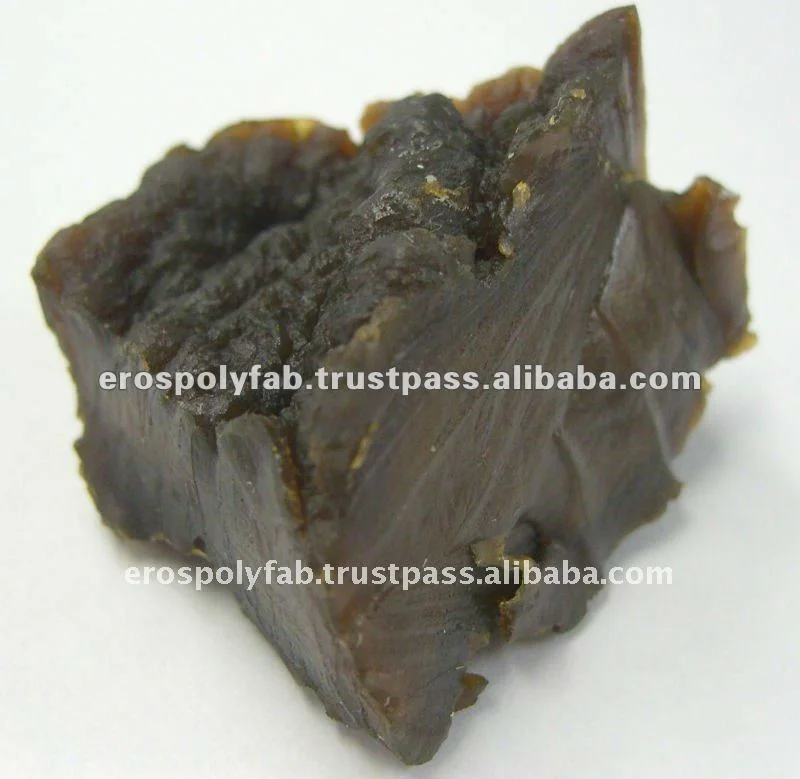
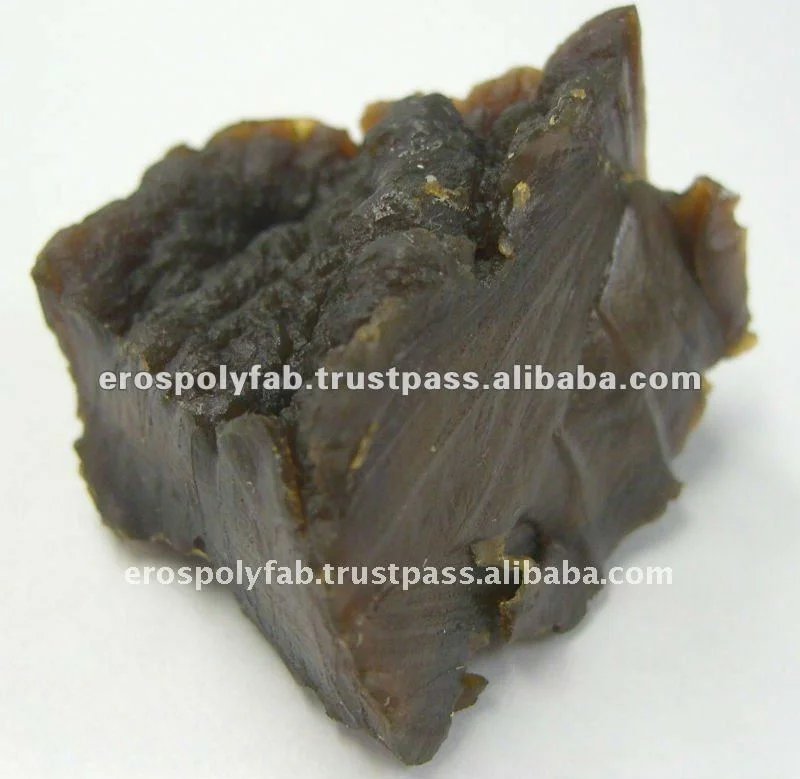
What are Styrene Butadiene Rubber?
Styrene Butadiene Rubber (SBR) is a synthetic rubber commonly used in various industrial applications. It is created through the polymerization of styrene and butadiene monomers, resulting in a versatile material that exhibits excellent durability and resilience. SBR is known for its ability to withstand wear and tear, making it a popular choice in manufacturing tires, footwear, and various rubber goods.
The primary uses of Styrene Butadiene Rubber span across multiple industries, including automotive, construction, and consumer products. In the automotive sector, SBR is predominantly utilized for tire production due to its superior abrasion resistance and aging stability. Furthermore, it is widely used in adhesives, sealants, and coatings, which require a robust rubber base to enhance performance. The market for SBR continues to grow, driven by an increasing demand for high-quality rubber products that meet stringent performance standards.
As industries evolve, Styrene Butadiene Rubber remains relevant, particularly in applications that require flexibility and durability. The material's adaptability to different formulations allows manufacturers to tailor its properties to suit specific needs, contributing to its ongoing demand and market presence.
Key Features and Specifications
Styrene Butadiene Rubber is characterized by various features that make it suitable for diverse applications. Understanding these specifications is crucial for industries looking to optimize their product offerings.
Key specifications include:
1. Polystyrene Content
- Typically ranges from 20% to 30%
- Affects the hardness and elasticity of the rubber
2. Mooney Viscosity
- Ranges from 30 to 100 ML
- Indicates the flow characteristics during processing
3. Hardness
- Measured on the Shore A scale, typically between 40 to 70
- Determines the rubber's stiffness and flexibility
4. Tensile Strength
- Generally ranges from 10 to 25 MPa
- Reflects the rubber's resistance to being pulled apart
5. Elongation at Break
- Can reach up to 600%
- Indicates the rubber's ability to stretch before breaking
6. Operating Temperature Range
- Typically from -40 to 100 degrees Celsius
- Defines the thermal stability for various applications
7. Aging Resistance
- Excellent resistance to ozone and UV exposure
- Prolongs the life of products made from SBR
8. Chemical Resistance
- Moderate resistance to oils and fuels
- Suitable for specific industrial applications where contact with such substances occurs
In summary, the key features and specifications of Styrene Butadiene Rubber position it as a highly versatile and durable material, making it ideal for a wide range of applications.
Common Applications and Use Cases
Styrene Butadiene Rubber finds extensive use across various industries due to its unique properties.
1. Automotive Industry: SBR is primarily used in tire manufacturing. Its durability and resistance to wear make it ideal for both passenger and commercial vehicle tires.
2. Footwear Industry: The rubber is frequently employed in the production of shoe soles. Its comfort and flexibility enhance the performance of footwear.
3. Construction Industry: SBR is utilized in the formulation of adhesives and sealants, providing strong bonding and waterproofing capabilities.
4. Consumer Products: Many rubber goods, such as toys and household items, incorporate SBR due to its cost-effectiveness and reliability.
5. Industrial Applications: SBR is used in conveyor belts and gaskets, where durability and resistance to harsh environments are essential.
6. Electrical Insulation: The rubber's insulating properties make it suitable for use in electrical components and wiring.
7. Sporting Goods: SBR is commonly found in various sports equipment, providing the necessary flexibility and impact resistance.
Product Variants and Subcategories
Styrene Butadiene Rubber offers diversity in formulations and applications, catering to different industry needs.
Standard SBR
This variant is the most common and is widely used in tire manufacturing and general rubber products. It offers a balance of performance and cost-effectiveness.
High Styrene SBR
This variant contains a higher styrene content, enhancing hardness and improving wear resistance. It is ideal for applications requiring increased durability, such as industrial tires.
Latex SBR
Used primarily in coatings and adhesives, this variant provides excellent adhesion properties and is often utilized in water-based formulations.
Benefits and Advantages
The advantages of Styrene Butadiene Rubber make it a preferred choice in many industrial applications.
1. Cost-Effectiveness: SBR offers a good balance between performance and price, making it an economical option for manufacturers.
2. Versatility: The ability to modify its properties allows SBR to be tailored for various applications, meeting specific industry requirements.
3. Durability: Its excellent resistance to wear, aging, and environmental factors prolongs the lifespan of products made from SBR.
4. Processing Ease: SBR is easy to process and mold, facilitating efficient manufacturing operations.
5. High Elasticity: The rubber's ability to stretch and return to its original shape enhances its performance in dynamic applications.
6. Good Adhesion: SBR exhibits strong bonding properties, making it suitable for adhesives and sealants.
Buying Guide for B2B Buyers
When sourcing Styrene Butadiene Rubber, it is essential for B2B buyers to consider several critical factors.
1. Quality Assessment: Ensure that the SBR meets industry standards for performance and durability. Look for certifications that validate the quality of the product.
2. Supplier Verification: Vet suppliers by checking their background, reputation, and previous customer reviews to ensure reliability and trustworthiness.
3. Pricing and MOQ: Understand the cost structures and minimum order quantities (MOQ) required by suppliers to optimize budget and inventory management.
4. Delivery and Lead Times: Discuss logistics and expected delivery schedules to ensure that production timelines are met without delays.
5. Compliance Requirements: Verify that the SBR adheres to regulatory and safety standards pertinent to your industry, which can vary by region.
Compliance and Certifications
Styrene Butadiene Rubber is subject to various compliance and certification standards that ensure its safety and quality.
ISO 9001: This quality management standard ensures that manufacturers consistently provide products that meet customer and regulatory requirements.
CE Certification: This certification indicates that the product complies with European health, safety, and environmental protection standards.
Safety and Testing Requirements: Regular testing for performance characteristics, such as tensile strength and elongation, is necessary to maintain compliance and ensure product reliability.
Regional Compliance Considerations: Different regions may have specific regulations governing the use of synthetic rubbers, so it is important to be aware of local compliance needs.
Why Source Styrene Butadiene Rubber from Pepagora?
Pepagora offers a reliable platform for sourcing Styrene Butadiene Rubber, providing several advantages to B2B buyers.
Verified Supplier Network: Our platform connects buyers with a network of verified suppliers, ensuring access to high-quality SBR and reducing the risk associated with sourcing.
Streamlined RFQ Process: The request for quotation (RFQ) process is designed to be straightforward, allowing buyers to easily compare offers and make informed purchasing decisions.
Trade Assurance and Support: Pepagora provides trade assurance, offering protection for buyers in their transactions, along with dedicated support to address any concerns.
Regional Coverage: With a strong presence in India, the GCC, and Southeast Asia, Pepagora facilitates easy access to Styrene Butadiene Rubber across diverse markets, enhancing supply chain efficiency.

 IN
IN