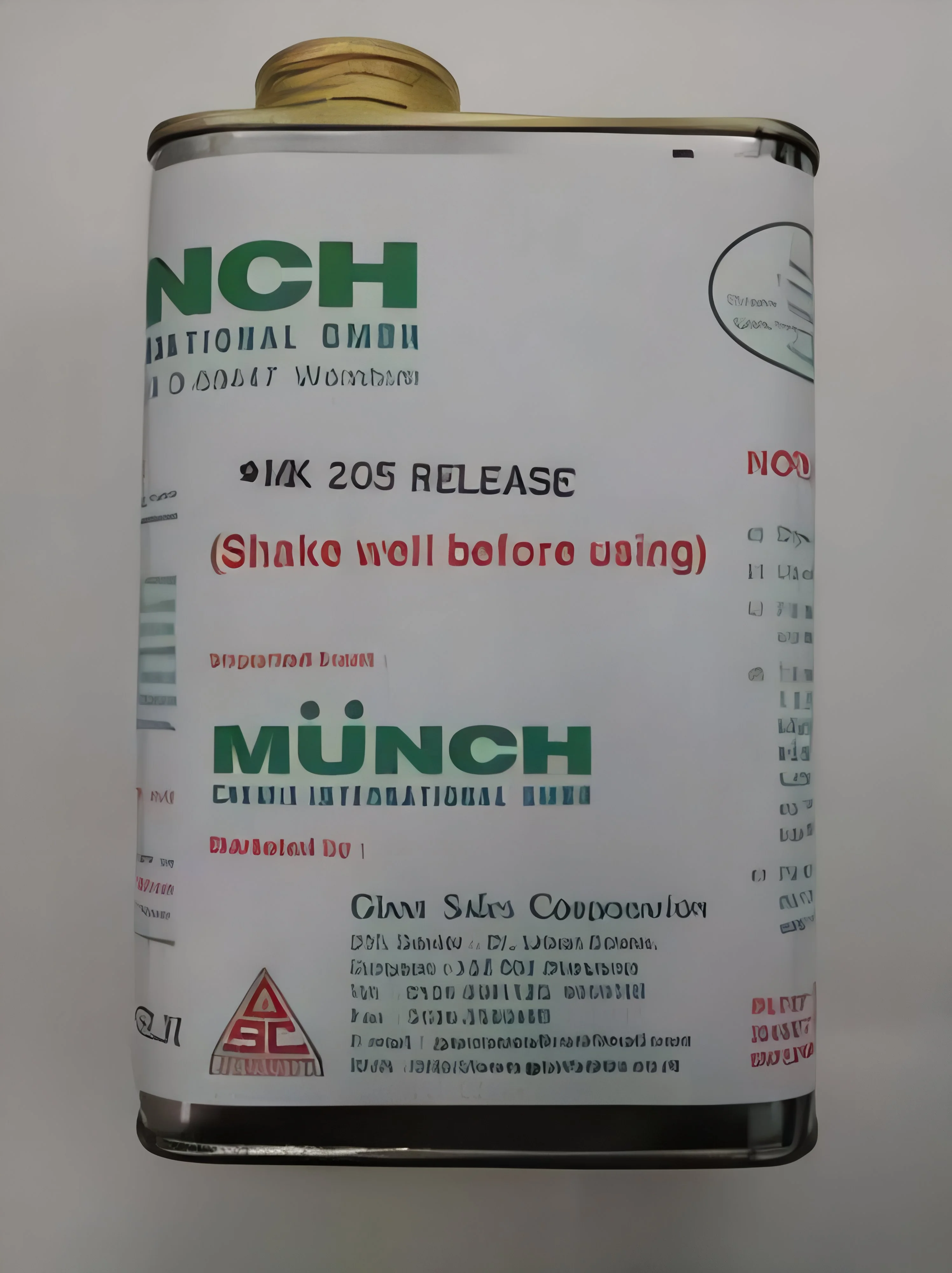
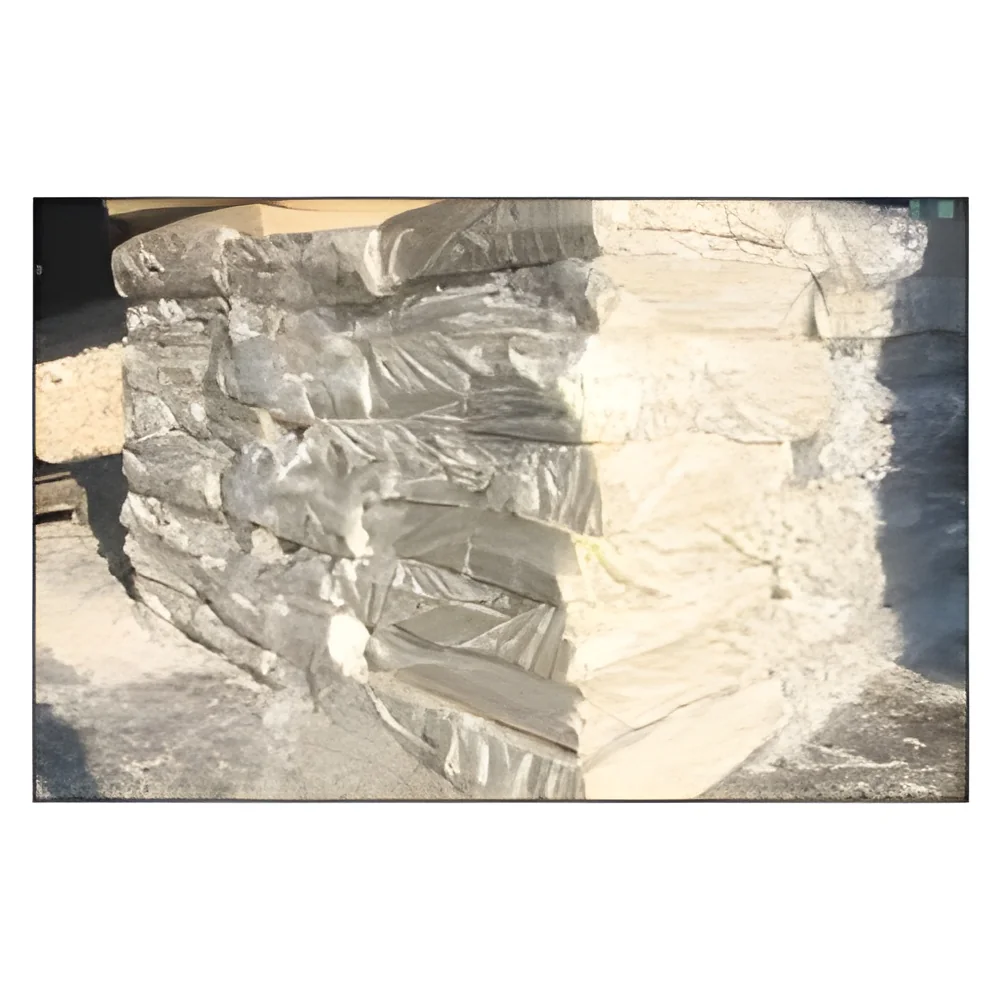
What are Rubber Reclaiming Agents?
Rubber reclaiming agents are specialized chemical compounds used to rejuvenate used rubber materials, allowing them to be reused in production. These agents facilitate the breakdown of the rubber's structure, enabling the recovery of properties that can be utilized in new rubber products. By enhancing the processing capabilities and improving the quality of reclaimed rubber, these agents play a crucial role in sustainable manufacturing practices.
The primary applications of rubber reclaiming agents are found in industries such as tire manufacturing, rubber flooring, and various rubber goods production. Businesses leverage these agents to reduce waste and improve the cost-effectiveness of their operations. By using reclaimed rubber, companies can minimize their environmental footprint while maintaining product performance. This makes rubber reclaiming agents highly relevant in today's market, where sustainability is increasingly prioritized.
In the broader industry context, the demand for rubber reclaiming agents is growing as manufacturers seek innovative ways to incorporate recycled materials. This trend aligns with global efforts to promote circular economy principles, where waste is minimized and resources are reused. Thus, rubber reclaiming agents are not just essential for production; they are pivotal in driving the industry towards more sustainable practices.
Key Features and Specifications
Rubber reclaiming agents are designed with specific features and technical specifications to ensure optimal performance in various applications. Understanding these features is crucial for businesses looking to implement these agents in their processes.
Key specifications include:
1. Composition
- Typically consists of natural or synthetic polymers.
- Formulated to enhance the mechanical properties of reclaimed rubber.
2. Processing Temperature
- Effective within a defined temperature range, usually between 150°C to 200°C.
- Optimized for compatibility with existing manufacturing processes.
3. Reclaiming Efficiency
- Measured by the percentage of rubber that can be effectively reclaimed.
- Ranges from 40% to 90% based on the agent’s formulation.
4. Compatibility
- Compatible with various types of rubber, including NR (Natural Rubber) and SBR (Styrene-Butadiene Rubber).
- Ensures seamless integration into existing rubber processing workflows.
5. Shelf Life
- Typically ranges from 12 to 24 months when stored under recommended conditions.
- Essential for ensuring product effectiveness over time.
6. Physical Form
- Available in solid and liquid forms for versatile application methods.
- Choice depends on specific production requirements.
7. Safety Profile
- Must comply with safety regulations for industrial use.
- Includes data sheets detailing handling and storage procedures.
In summary, understanding these features and specifications helps businesses select the right rubber reclaiming agents to meet their specific needs in production.
Common Applications and Use Cases
Rubber reclaiming agents find utility across a variety of industries, making them essential for modern manufacturing practices.
1. Tire Manufacturing: In tire production, reclaiming agents are used to recycle scrap rubber. This reduces material costs and enhances sustainability efforts in the automotive sector.
2. Rubber Flooring: The flooring industry employs these agents to rejuvenate recycled rubber materials. This application contributes to the creation of durable and eco-friendly flooring solutions.
3. Automotive Parts: Rubber components in vehicles, such as seals and gaskets, can be produced using reclaimed rubber, allowing manufacturers to reduce waste and improve resource efficiency.
4. Rubber Goods: Various rubber products, including hoses and belts, utilize reclaiming agents to enhance the quality of recycled materials, ensuring performance consistency.
5. Construction: In construction applications, reclaimed rubber from waste tires is used in products like asphalt, providing both strength and noise reduction benefits.
6. Consumer Goods: Many everyday rubber items, such as erasers and rubber bands, can be manufactured from reclaimed rubber, supporting circular economy initiatives.
7. Industrial Applications: In industrial settings, reclaiming agents are employed to produce conveyor belts and other heavy-duty rubber products, enhancing durability and sustainability.
Product Variants and Subcategories
Rubber reclaiming agents come in various formulations, each tailored for specific applications and performance requirements. This diversity allows for targeted solutions across different industries.
Standard Reclaiming Agent
This variant is widely used for general rubber recycling applications. It enhances the elasticity and durability of reclaimed rubber, making it suitable for a broad range of products.
Specialized Reclaiming Agent
Designed for specific rubber types, this variant optimizes the reclaiming process for materials like EPDM (Ethylene Propylene Diene Monomer) rubber. It is ideal for high-performance applications.
Eco-Friendly Reclaiming Agent
Focused on sustainability, this variant is formulated with bio-based components. It supports environmentally conscious manufacturing processes while providing effective reclaiming capabilities.
Benefits and Advantages
Rubber reclaiming agents offer numerous benefits that contribute to enhanced production efficiency and sustainability.
1. Cost Reduction: By enabling the reuse of scrap rubber, companies can significantly lower material costs, improving their bottom line.
2. Environmental Impact: These agents support recycling efforts, reducing waste and promoting eco-friendly practices in manufacturing.
3. Performance Enhancement: Reclaimed rubber treated with these agents can match or exceed the performance of virgin rubber, ensuring product quality.
4. Process Efficiency: The use of reclaiming agents streamlines production processes, allowing for faster turnaround times and improved operational efficiency.
5. Resource Conservation: By maximizing the use of existing materials, businesses can conserve natural resources and minimize their carbon footprint.
6. Compliance Support: Many rubber reclaiming agents comply with industry standards, facilitating easier adherence to regulatory requirements.
Buying Guide for B2B Buyers
When sourcing rubber reclaiming agents, it is essential for businesses to consider various factors that can affect their purchasing decisions.
1. Quality Assessment: Evaluate the quality of the reclaiming agents through certifications and testing results. High-quality agents will provide better performance and reclaiming efficiency.
2. Supplier Verification: Conduct thorough research to vet potential suppliers. Look for established companies with a proven track record in delivering reliable products.
3. Pricing and MOQ: Understand the pricing structure and minimum order quantities (MOQ) to ensure that it aligns with your budget and production needs.
4. Delivery and Lead Times: Inquire about delivery schedules and lead times to ensure timely availability of the agents for your manufacturing processes.
5. Compliance Requirements: Be aware of any regulatory standards applicable to rubber reclaiming agents in your region. Ensuring compliance can prevent potential legal issues.
Compliance and Certifications
Rubber reclaiming agents must meet various standards and certifications to ensure quality and safety in industrial applications. Relevant quality standards include ISO 9001, which outlines requirements for quality management systems, and HACCP, which focuses on food safety management. Although specific safety and testing requirements are not detailed, it is crucial for manufacturers to adhere to general industry safety practices.
Additionally, rubber reclaiming agents may carry certifications such as CE, indicating compliance with European safety standards. Regional compliance considerations, such as local regulations for chemical use and environmental impact, should also be taken into account when selecting a product.
Why Source Rubber Reclaiming Agents from Pepagora?
Pepagora provides a trusted platform for sourcing rubber reclaiming agents, ensuring businesses can find reliable solutions tailored to their needs. One significant advantage is the verified supplier network. Each supplier undergoes rigorous vetting, assuring buyers of their credibility and product quality.
The streamlined RFQ process allows buyers to request quotes easily and efficiently, reducing the time spent on procurement. This system enhances the overall purchasing experience by facilitating direct communication with suppliers.
Trade assurance and support further enhance the buyer's experience, offering protections that ensure transactions are secure and satisfactory. With a commitment to customer service, Pepagora supports businesses in navigating their procurement processes effectively.
Finally, Pepagora's regional coverage extends across India, the GCC, and Southeast Asia, providing access to a vast market of rubber reclaiming agents. This geographic reach allows businesses to tap into various sources and find the best products to meet their operational needs.

 IN
IN