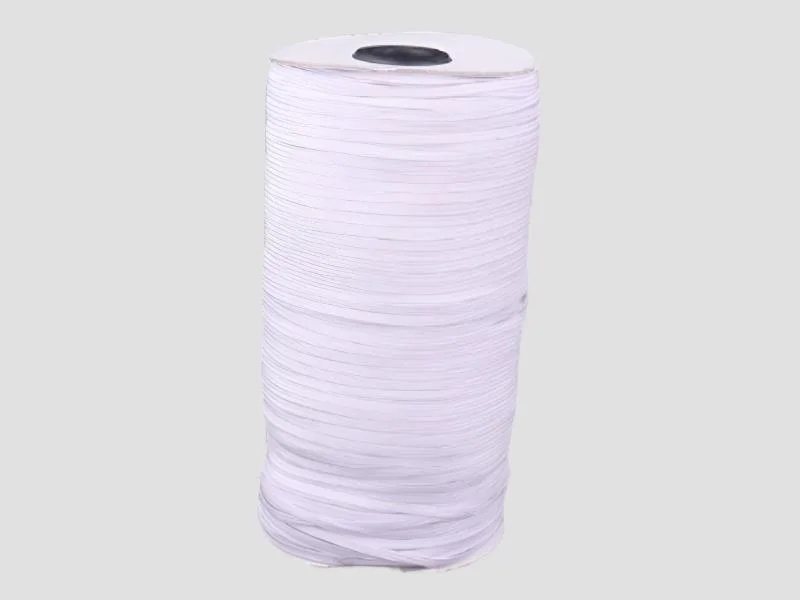
𝗪𝗵𝗮𝘁 𝗮𝗿𝗲 𝗟𝗮𝘁𝗲𝘅 𝗥𝘂𝗯𝗯𝗲𝗿?
Latex rubber is a natural or synthetic polymer derived from the sap of rubber trees or produced through chemical processes. This versatile material is known for its elastic properties, which allow it to stretch and return to its original shape. Latex rubber is used across various industries due to its durability, flexibility, and resistance to wear and tear.
The primary applications of latex rubber include manufacturing gloves, balloons, footwear, mattresses, and rubber bands. In the medical field, latex gloves are particularly popular for their protective qualities. Businesses also use latex rubber in seals, gaskets, and automotive parts due to its excellent tensile strength and resistance to environmental factors. The market for latex rubber is significant, with ongoing demand in both developed and emerging economies as industries continue to seek reliable materials for their products.
𝗞𝗲𝘆 𝗙𝗲𝗮𝘁𝘂𝗿𝗲𝘀 𝗮𝗻𝗱 𝗦𝗽𝗲𝗰𝗶𝗳𝗶𝗰𝗮𝘁𝗶𝗼𝗻𝘀
Latex rubber is characterized by several important features that make it suitable for diverse applications. These features include its elasticity, resilience, and ability to withstand varying temperatures.
Key specifications include:
1. Elongation at Break
- A measure of how much the latex can stretch before breaking
- Typically ranges from 500% to 700%
2. Tensile Strength
- Indicates the maximum stress that the latex can withstand while being stretched
- Generally falls between 15 to 30 MPa
3. Hardness
- Reflects the resistance to indentation
- Measured on the Shore A scale, typically between 40 to 60 Shore A
4. Density
- Represents the mass per unit volume of the latex
- Commonly ranges from 0.9 to 1.0 g/cm³
5. Tear Resistance
- Measures the material's resistance to tearing
- Typically ranges from 15 to 25 N/mm
6. Temperature Resistance
- Indicates the temperature ranges the latex can tolerate
- Data not available
7. Chemical Resistance
- Reflects the material's ability to resist degradation from different chemicals
- Varies by formulation
8. Biodegradability
- Describes the natural decomposition of latex rubber over time
- Generally considered biodegradable under appropriate conditions
In summary, latex rubber possesses a range of specifications that enhance its usability across multiple sectors, making it a valuable material in both industrial and consumer products.
𝗖𝗼𝗺𝗺𝗼𝗻 𝗔𝗽𝗽𝗹𝗶𝗰𝗮𝘁𝗶𝗼𝗻𝘀 𝗮𝗻𝗱 𝗨𝘀𝗲 𝗖𝗮𝘀𝗲𝘀
Latex rubber is utilized in various industries due to its favorable properties.
1. Medical Industry: Latex rubber is widely used for manufacturing disposable gloves, catheters, and other medical devices. Its elasticity and barrier protection make it essential for maintaining hygiene and safety.
2. Automotive Industry: In automotive applications, latex rubber is used in seals, gaskets, and hoses. Its durability and resistance to weathering contribute to the longevity of vehicle components.
3. Consumer Goods: Products like balloons, rubber bands, and elastic fabrics rely on latex rubber for their elasticity and stretchability, making them highly functional in everyday use.
4. Construction Industry: Latex rubber is employed in sealants and adhesives due to its strong bonding properties and resistance to environmental elements.
5. Footwear Manufacturing: Latex rubber serves as a key material in the production of shoes, particularly in insoles and outsoles, providing comfort and durability.
6. Recreational Products: Items such as inflatable toys and sports equipment often incorporate latex rubber for its flexibility and resilience.
7. Industrial Applications: Latex rubber is used in conveyor belts and industrial coatings, where its strength and resistance to wear are critical for operational efficiency.
𝗣𝗿𝗼𝗱𝘂𝗰𝘁 𝗩𝗮𝗿𝗶𝗮𝗻𝘁𝘀 𝗮𝗻𝗱 𝗦𝘂𝗯𝗰𝗮𝘁𝗲𝗴𝗼𝗿𝗶𝗲𝘀
Latex rubber is available in various forms and formulations to cater to different needs and applications.
Natural Latex Rubber: This variant is derived from the sap of rubber trees. It is known for its excellent elasticity and comfort, making it popular in products like gloves and mattresses.
Synthetic Latex Rubber: Created through chemical processes, this variant often provides enhanced resistance to chemicals and UV light. It is commonly used in industrial applications and coatings.
Foamed Latex Rubber: This lightweight and breathable variant is used in cushioning applications, such as mattresses and upholstery, providing comfort and support.
Liquid Latex Rubber: Available in liquid form, this variant can be molded or coated onto surfaces, making it ideal for custom applications in arts and crafts as well as industrial uses.
𝗕𝗲𝗻𝗲𝗳𝗶𝘁𝘀 𝗮𝗻𝗱 𝗔𝗱𝘃𝗮𝗻𝘁𝗮𝗴𝗲𝘀
Latex rubber offers numerous benefits that make it a preferred choice across various industries.
1. High Elasticity: Latex rubber can stretch significantly and return to its original shape, making it ideal for applications requiring flexibility.
2. Durability: This material exhibits excellent wear resistance, which enhances the longevity of products made from it.
3. Biocompatibility: Natural latex rubber is often used in medical applications due to its compatibility with human skin, reducing the risk of allergic reactions.
4. Versatility: Latex rubber can be formulated for specific applications, allowing for a wide range of products across different industries.
5. Cost-effectiveness: The availability of both natural and synthetic options offers competitive pricing, making it accessible for various business needs.
6. Environmental Impact: Natural latex rubber is biodegradable, which is an advantage for environmentally conscious consumers and businesses.
𝗕𝘂𝘆𝗶𝗻𝗴 𝗚𝘂𝗶𝗱𝗲 𝗳𝗼𝗿 𝗕𝟮𝗕 𝗕𝘂𝘆𝗲𝗿𝘀
When sourcing latex rubber, it is important to consider various factors to ensure a successful purchase.
1. Quality Assessment: Evaluate the quality of latex rubber by reviewing supplier certifications, product testing, and material specifications to ensure it meets industry standards.
2. Supplier Verification: It is crucial to vet suppliers thoroughly. Look for established companies with a track record in the industry, and seek references from other clients when possible.
3. Pricing and MOQ: Understand the pricing structure and minimum order quantities (MOQ) from suppliers. This can help in budgeting and ensuring that the purchase aligns with your business needs.
4. Delivery and Lead Times: Discuss logistics with suppliers to establish realistic delivery timelines, as this can impact production schedules and project timelines.
5. Compliance Requirements: Ensure that the latex rubber meets any necessary regulatory and compliance standards relevant to your industry, such as safety and environmental regulations.
𝗖𝗼𝗺𝗽𝗹𝗶𝗮𝗻𝗰𝗲 𝗮𝗻𝗱 𝗖𝗲𝗿𝘁𝗶𝗳𝗶𝗰𝗮𝘁𝗶𝗼𝗻𝘀
Latex rubber must adhere to specific quality standards and certifications to ensure safety and reliability.
ISO 9001: This international standard focuses on quality management systems, ensuring that products meet customer and regulatory requirements consistently.
CE Certification: This certification indicates that the latex rubber complies with European health, safety, and environmental protection standards.
Safety and Testing Requirements: Latex rubber products often undergo rigorous testing to assess their performance characteristics, including tensile strength, elongation, and tear resistance.
Regional Compliance Considerations: Different regions may have specific regulations governing the use of latex rubber. It is essential to understand these requirements to ensure compliance in your market.
𝗪𝗵𝘆 𝗦𝗼𝘂𝗿𝗰𝗲 𝗟𝗮𝘁𝗲𝘅 𝗥𝘂𝗯𝗯𝗲𝗿 𝗳𝗿𝗼𝗺 𝗣𝗲𝗽𝗮𝗴𝗼𝗿𝗮?
Pepagora provides a trusted platform for sourcing latex rubber, featuring several key advantages that benefit B2B buyers.
Verified Supplier Network: Pepagora collaborates with a range of verified suppliers, ensuring that buyers have access to high-quality latex rubber products from reputable manufacturers.
Streamlined RFQ Process: The platform offers a user-friendly request for quotation (RFQ) system, making it easy for buyers to compare prices and specifications from multiple suppliers efficiently.
Trade Assurance and Support: Pepagora prioritizes buyer protection by offering trade assurance services, providing confidence in transactions and supplier reliability.
Regional Coverage: With a strong presence in regions such as India, the GCC, and Southeast Asia, Pepagora facilitates sourcing opportunities across diverse markets, helping businesses expand their reach and operational capabilities.

 IN
IN