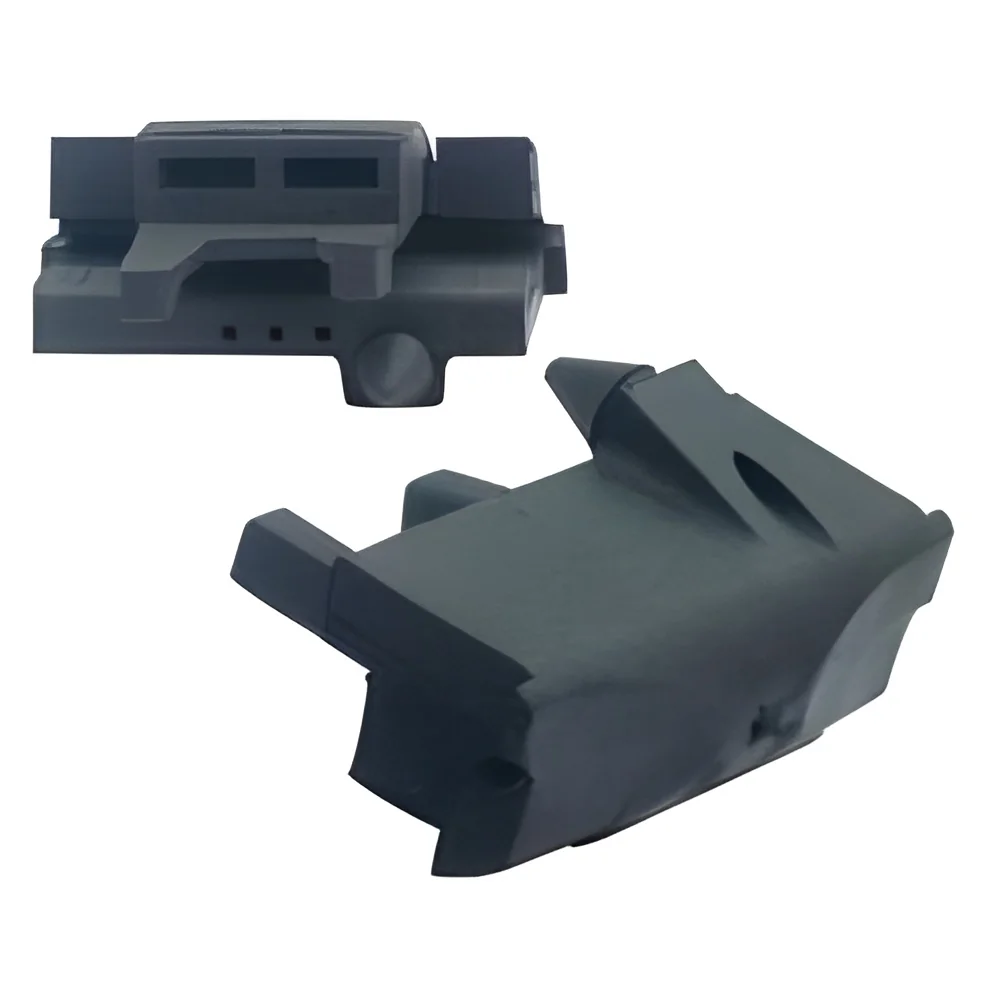
What are Recycled Rubber Materials?
Recycled rubber materials are products made from used rubber, particularly from tires and other rubber goods, which are processed to create new materials. This recycling process typically involves shredding the rubber, cleaning it, and then repurposing it into various forms for new applications. The primary objective of using recycled rubber is to reduce waste and promote environmental sustainability by reusing materials that would otherwise contribute to landfills.
These materials are widely used across many industries due to their excellent durability, flexibility, and shock-absorbent properties. Common applications include flooring, automotive parts, playground surfaces, and sporting goods. Businesses find recycled rubber materials appealing because they not only offer performance advantages but also help in meeting sustainability goals. The growing trend towards eco-friendly products has increased the relevance and demand for recycled rubber in various market sectors.
Key Features and Specifications
Recycled rubber materials boast several key features that make them an attractive choice for industrial applications. These features highlight their versatility and performance characteristics.
Key specifications include:
1. Durability
- High resistance to wear and tear
- Long lifespan under various environmental conditions
2. Flexibility
- Ability to withstand deformation without damage
- Suitable for a range of applications from flooring to automotive parts
3. Shock Absorption
- Excellent energy absorption properties
- Reduces impact forces, making it ideal for safety applications
4. Eco-Friendliness
- Made from recycled materials, contributing to waste reduction
- Helps companies achieve sustainability targets
5. Customizability
- Available in various forms and sizes
- Can be tailored to specific industry needs
6. Cost-Effectiveness
- Often more affordable than virgin rubber materials
- Provides significant savings in production costs
7. Noise Reduction
- Effective in sound insulation applications
- Reduces noise pollution in urban environments
In summary, recycled rubber materials present a blend of durability, flexibility, and eco-friendliness, making them a preferred choice in many sectors.
Common Applications and Use Cases
Recycled rubber materials serve a wide range of industries due to their unique properties and benefits.
1. Construction: Used for flooring, roofing, and insulation applications where durability and shock absorption are crucial.
2. Automotive: Integrated into parts like floor mats, seals, and gaskets, providing flexibility and long-lasting performance.
3. Sports and Recreation: Commonly found in gym flooring, playground surfaces, and athletic tracks, ensuring safety and comfort.
4. Landscaping: Utilized in mulch and erosion control products that promote sustainability and environmental health.
5. Manufacturing: Applied in various industrial applications, such as conveyor belts and seals, due to their resilience and adaptability.
6. Waste Management: Employed in the production of rubberized asphalt, which enhances road durability and reduces noise.
7. Consumer Goods: Incorporated into products like shoe soles and mats, delivering both functionality and aesthetic appeal.
Product Variants and Subcategories
Recycled rubber materials come in various forms, enhancing their applicability across multiple sectors.
Granulated Rubber
This variant is made from finely shredded rubber and is commonly used in athletic fields and playgrounds. Its shock-absorbing qualities make it ideal for safety surfaces.
Rubber Sheets
These sheets can be customized in thickness and size, suitable for flooring, mats, and sound insulation applications. They provide a durable and flexible solution for various industries.
Rubber Tiles
Interlocking tiles made from recycled rubber provide easy installation and maintenance for flooring solutions in gyms and commercial spaces.
Benefits and Advantages
Utilizing recycled rubber materials offers significant advantages for businesses seeking sustainable solutions.
Key benefits include:
1. Environmental Sustainability: Contributes to reducing waste and promotes recycling efforts, aligning with eco-friendly practices.
2. Cost Savings: Generally lower in price compared to new rubber materials, helping businesses save on production costs.
3. Versatility: Suitable for a wide range of applications across diverse industries, making it a flexible choice.
4. Performance: Offers excellent durability and shock absorption, ensuring long-lasting use in demanding environments.
5. Customization Options: Available in various forms and specifications, allowing businesses to tailor products to their specific needs.
6. Noise Reduction: Provides effective sound insulation, enhancing comfort in residential and commercial settings.
Buying Guide for B2B Buyers
When sourcing recycled rubber materials, it is essential to consider several factors to ensure quality and reliability.
1. Quality Assessment: Evaluate the material for consistency in size and composition. Look for suppliers who provide detailed specifications and performance data.
2. Supplier Verification: Research and vet suppliers to ensure they adhere to industry standards and have a good reputation. Consider their experience and customer feedback.
3. Pricing and MOQ: Understand the pricing structure and minimum order quantities to ensure that they align with your budget and needs.
4. Delivery and Lead Times: Discuss logistics and expected delivery times with suppliers to avoid delays in production and project timelines.
5. Compliance Requirements: Ensure that the materials meet relevant regulatory standards and certifications, which can vary by region and application.
Compliance and Certifications
Recycled rubber materials must adhere to specific quality standards and certifications to ensure safety and performance in various applications.
ISO 9001 is a widely recognized standard for quality management systems, ensuring that suppliers maintain high-quality processes throughout production.
CE certification indicates that the product meets European health, safety, and environmental protection standards, making it a crucial requirement for markets in Europe.
Safety and testing requirements are also significant, particularly for applications like playground surfaces or gym flooring, where user safety is paramount.
Regional compliance considerations can vary, so it is essential to check local regulations that may affect sourcing and usage, ensuring that the materials are suitable for their intended applications.
Why Source Recycled Rubber Materials from Pepagora?
Pepagora provides a trusted platform for sourcing recycled rubber materials, offering several key advantages for B2B buyers.
Verified Supplier Network: Pepagora connects buyers with a network of verified suppliers, ensuring that all vendors meet stringent quality and reliability standards. This verification process helps buyers make informed decisions and reduces the risk of sourcing low-quality materials.
Streamlined RFQ Process: The platform features a simplified request for quotation (RFQ) process that allows buyers to easily compare prices and specifications from multiple suppliers. This efficiency helps businesses save time and find the best deals.
Trade Assurance and Support: Pepagora offers trade assurance, providing buyers with protection against potential disputes and ensuring that orders are fulfilled as agreed. This support fosters a secure purchasing environment.
Regional Coverage: With a strong presence in India, the GCC, and Southeast Asia, Pepagora provides extensive regional coverage, making it easier for businesses to source recycled rubber materials in their local markets. This geographic reach enhances accessibility and convenience for buyers looking for sustainable and high-quality options.

 IN
IN