
 IN
End Mills
3 products available
What are End Mills?
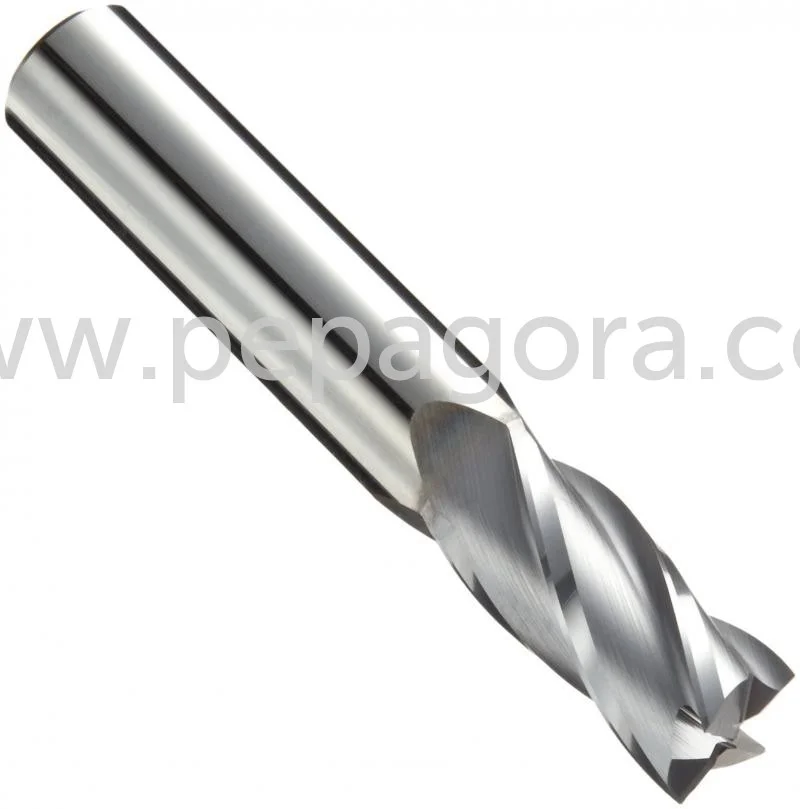
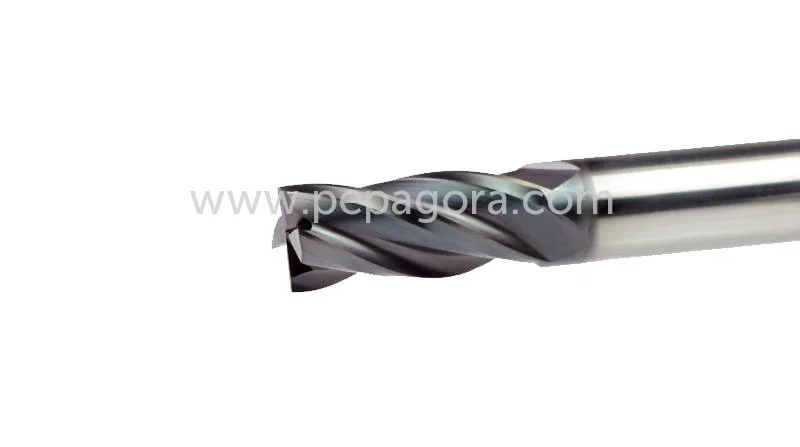
End mills are cutting tools used in milling applications to remove material from a workpiece. They are designed with multiple cutting edges and are capable of producing complex shapes and features in a wide range of materials, from metals to plastics. Unlike drill bits, which are primarily designed to create holes, end mills can move in multiple directions, allowing for more versatile machining operations.
These tools find their primary use in various manufacturing processes, including CNC machining and milling operations. They are essential in industries such as aerospace, automotive, and electronics, where precision and efficiency are paramount. End mills can create slots, contours, and pockets, making them vital for producing intricate components. The demand for high-quality end mills is growing as industries seek to improve productivity and precision in their manufacturing processes.
Key Features and Specifications
End mills come with several important features and specifications that contribute to their performance and suitability for specific applications. Understanding these specifications helps businesses select the right tool for their needs.
Key specifications include:
1. Diameter
- Available in various sizes, typically ranging from 1/16 inch to 2 inches.
- The diameter affects the cutting capacity and precision.
2. Number of Flutes
- Commonly available with 2, 3, or 4 flutes.
- More flutes can increase the surface finish but may reduce chip clearance.
3. Material
- Made from high-speed steel (HSS), carbide, or cobalt.
- Each material offers different advantages in terms of durability and heat resistance.
4. Coating
- Common coatings include TiN (Titanium Nitride) and TiALN (Titanium Aluminum Nitride).
- Coatings enhance wear resistance and reduce friction.
5. Length of Cut
- Varies to accommodate different machining depths.
- Standard lengths include short, standard, and long options.
6. Shank Size
- Typically available in standard sizes such as 1/4 inch, 1/2 inch, etc.
- The shank size must match the tool holder for effective operation.
7. Helix Angle
- The angle of the flutes can vary, affecting chip removal and cutting efficiency.
- Common angles include 30, 45, and 60 degrees.
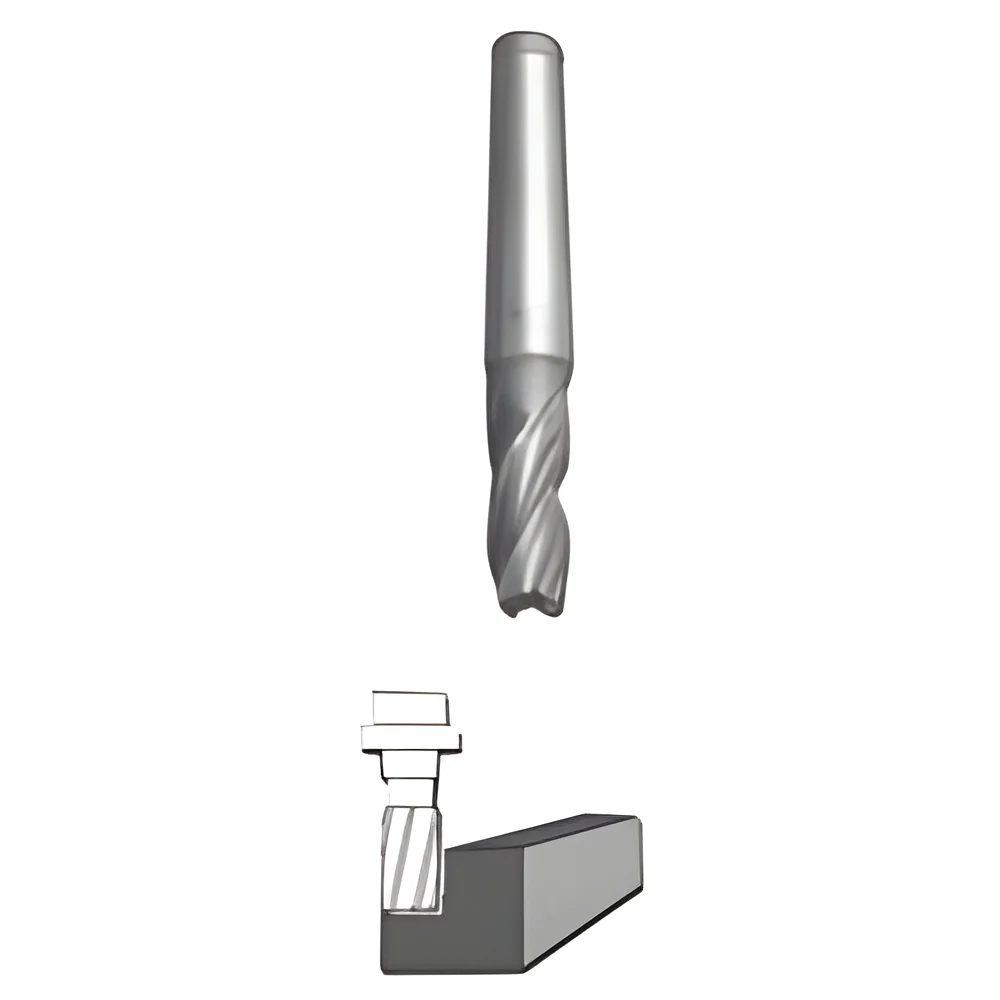
8. Tapered End Mills
- Designed with a tapered profile for specific applications.
- Useful for creating angled features and working in confined spaces.
Understanding these features allows businesses to make informed decisions about which end mills will best suit their specific machining needs.
Common Applications and Use Cases
End mills are utilized across a variety of industries for numerous applications. Their versatility makes them a preferred choice for many machining tasks.
1. Aerospace: End mills are used to manufacture precision components such as airframe structures and engine parts. Their ability to create complex shapes is crucial in this industry.
2. Automotive: In automotive manufacturing, end mills are employed for machining engine blocks, transmission cases, and other critical components where accuracy is essential.
3. Electronics: The electronics industry uses end mills to produce printed circuit boards (PCBs) and other delicate components, requiring precision cutting and minimal material waste.
4. Medical: End mills are vital in the production of surgical instruments and implants, where high precision and biocompatibility are required.
5. Tool and Die Making: They are extensively used in tool and die making for creating molds and dies used in manufacturing processes.
6. Defense: In defense manufacturing, end mills help create intricate parts for weapons systems and vehicles, demanding strict adherence to specifications.
7. Woodworking: Specialized end mills are used in woodworking to create decorative patterns and functional features in wooden products.
Product Variants and Subcategories
End mills are available in a wide range of variants, each tailored for specific applications. This diversity allows businesses to select tools that best meet their machining requirements.
Carbide End Mills
These end mills are known for their hardness and heat resistance, making them ideal for high-speed machining operations. They are commonly used in industries that require precision and durability.
High-Speed Steel (HSS) End Mills
HSS end mills are versatile and cost-effective, suitable for general-purpose machining. They are often used in applications where high precision is not critical.
Cobalt End Mills
Cobalt end mills offer improved toughness and wear resistance compared to standard HSS tools. They are effective for cutting harder materials and are often used in aerospace and automotive applications.
Tapered End Mills
These tools have a tapered geometry, allowing for angled cuts and are particularly useful in applications where precision is needed in confined spaces.
Ball Nose End Mills
Ball nose end mills are designed with a rounded tip, ideal for creating complex 3D shapes and contours in materials. They are commonly used in mold making and machining.
Benefits and Advantages
End mills provide numerous benefits that enhance machining processes and overall productivity. Understanding these advantages is essential for businesses looking to optimize their operations.
1. Versatility: End mills can be used for a wide range of machining tasks, allowing for the production of various shapes and features in different materials.
2. Precision: These tools are designed for high precision, enabling manufacturers to achieve tight tolerances and superior surface finishes.
3. Efficiency: End mills can operate at higher speeds and feeds, increasing productivity and reducing cycle times in manufacturing processes.
4. Customization: Many end mills can be customized to meet specific machining requirements, providing tailored solutions for unique applications.
5. Durability: High-quality end mills are designed to withstand wear and tear, leading to longer tool life and reduced replacement costs.
6. Cost-Effectiveness: By improving machining efficiency and reducing downtime, end mills can contribute to overall cost savings in manufacturing.
Buying Guide for B2B Buyers
When sourcing end mills, it is important for B2B buyers to consider several key factors that will influence their purchasing decisions.
1. Quality Assessment: Evaluate the quality of end mills by checking material specifications, manufacturer reputation, and user reviews. High-quality tools will generally offer better performance and longer life.
2. Supplier Verification: It is crucial to vet suppliers for reliability and consistency. Look for certifications, customer testimonials, and a solid track record in delivering quality products.
3. Pricing and MOQ: Understand the pricing structure and minimum order quantities (MOQ) offered by suppliers. This helps in budgeting and ensures that the investment aligns with production needs.
4. Delivery and Lead Times: Consider the logistics involved in sourcing end mills. Ensure suppliers can meet delivery deadlines and provide timely updates on order status.
5. Compliance Requirements: Be aware of any industry-specific compliance standards that end mills must meet. This includes safety regulations, quality certifications, and environmental considerations.
Compliance and Certifications
Compliance and certifications play a crucial role in ensuring that end mills meet industry standards for quality and safety.
Relevant quality standards such as ISO 9001 ensure that manufacturers follow strict guidelines for quality management systems. This certification helps businesses guarantee that the end mills they are sourcing are produced under consistent and controlled conditions.
Industry certifications like CE are also important, as they indicate that the products meet European health, safety, and environmental protection standards. These certifications provide assurance to buyers that the products are safe for use and comply with applicable regulations.
Additionally, safety and testing requirements should be taken into account. End mills must undergo rigorous testing to ensure they can withstand the demands of high-speed machining without failure. Regional compliance considerations may also affect sourcing decisions, especially for businesses operating in multiple countries.
Why Source End Mills from Pepagora?
Pepagora provides a trusted platform for sourcing end mills with several key advantages that cater to the needs of B2B buyers.
Verified Supplier Network: Pepagora connects buyers with a network of verified suppliers, ensuring that they only work with reputable manufacturers. This verification process helps mitigate risks associated with sourcing.
Streamlined RFQ Process: The request for quotation (RFQ) process on Pepagora is designed to be efficient and user-friendly. Buyers can quickly obtain quotes from multiple suppliers, facilitating better pricing and faster decision-making.
Trade Assurance and Support: Pepagora offers trade assurance policies that protect buyers throughout the purchasing process. This includes support for disputes and guarantees that buyers receive the products they ordered.
Regional Coverage: With a strong presence in India, the GCC, and Southeast Asia, Pepagora provides extensive regional coverage. This geographic reach allows businesses to find suitable suppliers that can meet their specific logistical and operational needs.

 India
 India
 India
Frequently Asked Questions
What are End Mills?
<p>End mills are cutting tools used in industrial milling applications to remove material from a workpiece. They are characterized by their ability to cut in multiple directions, making them versatile for a variety of machining tasks. Typically employed in CNC (Computer Numerical Control) machines, end mills come in various shapes and sizes to accommodate different milling operations.</p>
What are the different types of End Mills?
<p>There are several types of end mills, including flat end mills, ball end mills, and corner radius end mills, each designed for specific applications. Flat end mills are ideal for face milling, while ball end mills are suited for contouring and 3D machining. Additionally, there are specialized end mills like roughing end mills and tapered end mills for specific cutting needs.</p>
How do I choose the right End Mills?
<p>Choosing the right end mill depends on several factors, including the material being machined, the desired finish, and the type of milling operation. Consider the end mill's diameter, number of flutes, and coating, as these features can significantly impact performance. Consulting with suppliers or technical resources can also help in making the appropriate selection.</p>
What are the standard specifications for End Mills?
<p>Standard specifications for end mills include parameters such as diameter, length, flute length, shank diameter, and number of flutes. Additionally, materials (such as high-speed steel or carbide), coatings, and tolerances are crucial aspects that define an end mill's performance. Manufacturers often provide detailed specifications to assist buyers in making informed choices.</p>
What is the price range for End Mills?
<p>The price of end mills can vary widely based on factors like material, size, and manufacturer. Generally, end mills can range from a few hundred to several thousand Indian Rupees per unit. Bulk purchases may offer cost advantages, so it's advisable to compare prices from different suppliers.</p>
What quality standards apply to End Mills?
<p>End mills are subject to various quality standards, including ISO 9001 certification, which ensures consistent quality in manufacturing processes. Additionally, specific industry standards may apply based on the application, such as ASTM standards for material properties. It's vital to source from reputable manufacturers who adhere to these quality standards.</p>
Where can I find End Mills suppliers in India?
<p>End mills suppliers in India can be found through various channels, including online B2B marketplaces like Pepagora.com, trade shows, and industrial supply catalogs. Networking with industry professionals and utilizing online searches can also yield reliable suppliers. Always verify supplier credentials and product quality before making purchases.</p>
Can End Mills be customized?
<p>Yes, many manufacturers offer customization options for end mills to meet specific requirements. Customizations may include variations in size, shape, coating, and material composition. Discussing your needs with suppliers can help in obtaining tailor-made solutions for your machining applications.</p>
What is the typical minimum order quantity for End Mills?
<p>The minimum order quantity (MOQ) for end mills can vary by supplier, but it typically ranges from 5 to 50 pieces, depending on the manufacturer and type of end mill. Some suppliers may also accommodate smaller orders, especially for standard products. It's advisable to check with suppliers for their specific MOQ policies.</p>
What is the typical lead time for End Mills?
<p>The lead time for end mills varies based on factors such as the supplier, order size, and whether the products are standard or custom. Generally, lead times can range from a few days to several weeks. It's recommended to communicate with suppliers to get accurate estimates based on your order specifics.</p>
Why Businesses Trust Pepagora
Thousands of companies trust Pepagora to source smarter and sell faster
Expand Your Sales Globally

Source Smarter,Grow Faster
