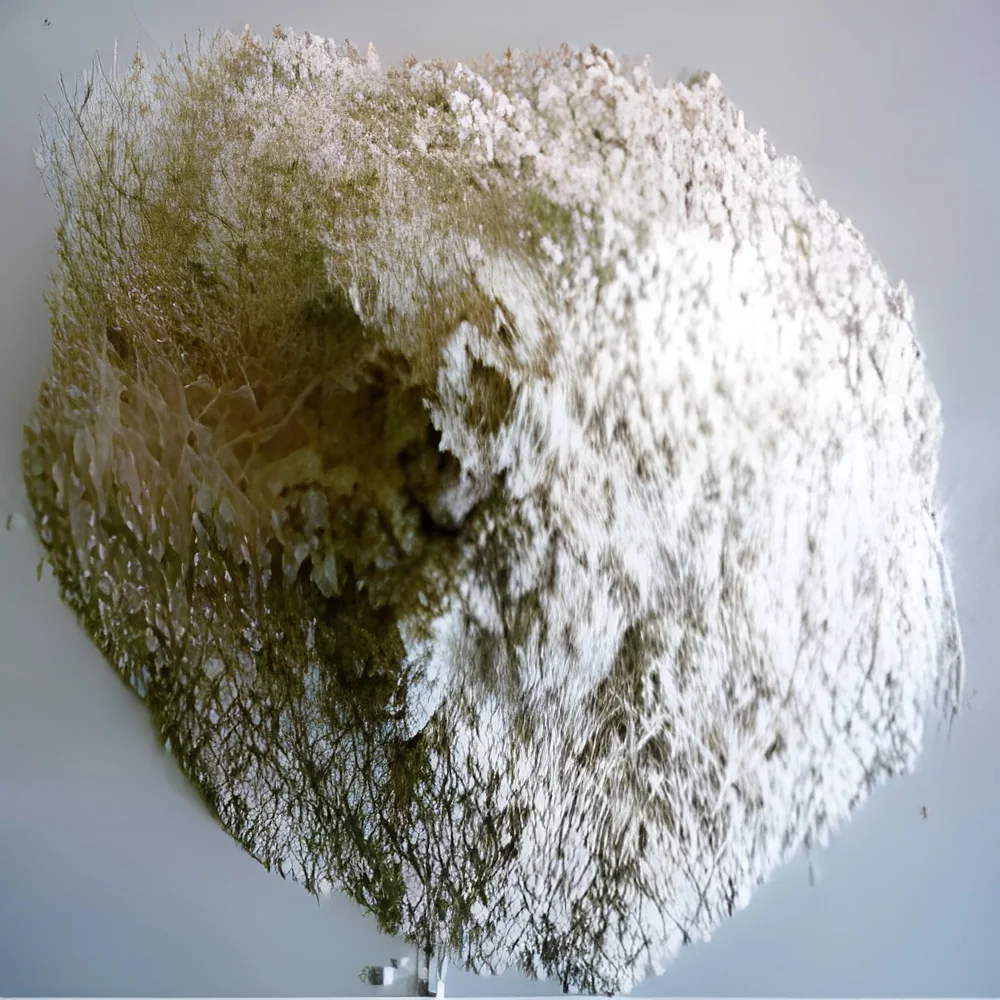
What are Dispersing Agents?
Dispersing agents are chemical additives used to stabilize mixtures of liquids and solids. They facilitate the even distribution of solid particles within a liquid medium, preventing clumping and sedimentation. This results in a more uniform texture and consistency in various products, enhancing their performance and appearance. Dispersing agents work by reducing the surface tension between the particles and the liquid, allowing for better integration and flow.
These agents find extensive applications across multiple industries, including paints, coatings, inks, plastics, and pharmaceuticals. In each of these sectors, dispersing agents improve product quality by ensuring that particles remain evenly distributed throughout the mixture. For instance, in the paint industry, they enhance color consistency and smoothness. The importance of dispersing agents is underscored by their role in optimizing manufacturing processes and product performance, making them a key component in many industrial applications.
Key Features and Specifications
Dispersing agents are characterized by several key features that determine their effectiveness and suitability for specific applications. Understanding these specifications is essential for businesses in selecting the right product for their needs.
Key specifications include:
1. Chemical Composition
- Various types of dispersing agents are formulated from different chemical compounds.
- Common categories include anionic, cationic, and nonionic dispersants.
2. Viscosity
- This specification indicates the flow characteristics of the dispersing agent.
- Viscosity levels can vary significantly based on the formulation and intended use.
3. pH Range
- Dispersing agents often have specific pH requirements for optimal performance.
- The pH range typically falls between 4 and 10, depending on the application.
4. Solubility
- The solubility of the dispersing agent in water or organic solvents is crucial.
- Many agents are designed for either water-based or solvent-based systems.
5. Temperature Stability
- Dispersing agents need to maintain performance across varying temperatures.
- Some products are designed to withstand high-temperature applications.
6. Shelf Life
- This specification reflects how long the dispersing agent remains effective.
- Shelf life can range from one to several years, depending on storage conditions.
7. Toxicity Level
- It is important to assess the safety profile of dispersing agents.
- Many products are designed to meet safety standards and reduce environmental impact.
In summary, the selection of a dispersing agent should be based on its specifications, which align with the specific needs of the application and industry standards.
Common Applications and Use Cases
Dispersing agents are utilized across various sectors due to their ability to enhance product quality and performance.
1. Paints and Coatings: In this industry, dispersing agents improve color dispersion and stability, leading to better finish and durability.
2. Inks: They ensure even pigment distribution in printing inks, enhancing color vibrancy and consistency.
3. Plastics: Dispersing agents are used in plastic formulations to improve flow and reduce defects during processing.
4. Pharmaceuticals: In the pharmaceutical sector, they aid in the formulation of suspensions and emulsions, ensuring uniformity and bioavailability.
5. Cosmetics: Dispersing agents help maintain the stability and texture of cosmetic products, improving application and feel.
6. Agriculture: They are used in agrochemical formulations to enhance the effectiveness of pesticides and fertilizers.
7. Food Industry: Some dispersing agents are applied in food products to ensure even distribution of ingredients and improve texture.
Product Variants and Subcategories
Dispersing agents come in various formulations to cater to different industrial needs.
Water-Soluble Dispersing Agents: These agents are designed for use in aqueous systems. They are widely used in paints and coatings due to their ability to maintain stability and performance in water-based applications.
Solvent-Based Dispersing Agents: These are formulated for use in solvent-based products, such as inks and adhesives. Their compatibility with organic solvents ensures effective dispersion and stability.
Surfactant-Based Dispersing Agents: These agents utilize surfactant properties to reduce surface tension. They are effective in a wide range of applications, from cosmetics to pharmaceuticals.
Biodegradable Dispersing Agents: With an increasing focus on sustainability, biodegradable options are available. These agents provide effective dispersion while minimizing environmental impact.
Benefits and Advantages
Dispersing agents offer numerous benefits that contribute to improved product performance and manufacturing efficiency.
1. Enhanced Stability: Dispersing agents prevent sedimentation and clumping, ensuring long-term stability of mixtures.
2. Improved Flow Characteristics: They facilitate better flow and processing of materials, which is critical in manufacturing.
3. Consistent Quality: By ensuring uniform particle distribution, dispersing agents enhance the overall quality of the final product.
4. Cost Efficiency: Effective dispersion can reduce material waste and improve processing times, leading to cost savings.
5. Customization: Many dispersing agents can be tailored to meet specific application needs, providing flexibility for manufacturers.
6. Regulatory Compliance: Many products meet industry standards, ensuring safety and efficacy in their applications.
Buying Guide for B2B Buyers
When sourcing dispersing agents, businesses should consider several critical factors to ensure they select the right product for their needs.
1. Quality Assessment: Evaluate the quality of dispersing agents based on their specifications and performance in similar applications. Look for products that meet industry standards.
2. Supplier Verification: Conduct thorough research on potential suppliers. Check their reputation, certifications, and history in the industry to ensure reliability.
3. Pricing and MOQ: Understand the pricing structure and minimum order quantities (MOQ) required by suppliers. This helps in budgeting and managing supply chain needs.
4. Delivery and Lead Times: Inquire about delivery schedules and lead times. Timely delivery is crucial for maintaining production schedules.
5. Compliance Requirements: Ensure that the dispersing agents meet relevant regulatory and safety standards. This is important for avoiding legal issues and ensuring product safety.
Compliance and Certifications
Dispersing agents must comply with various industry standards to ensure their safety and effectiveness. Relevant quality standards include ISO 9001, which emphasizes consistent quality management systems. Additionally, HACCP (Hazard Analysis Critical Control Point) may apply to products used in food or pharmaceutical applications to ensure safety and hygiene.
Some dispersing agents carry certifications such as CE, indicating compliance with European safety standards. It is important for manufacturers to assess the safety and testing requirements associated with dispersing agents to ensure they meet local regulations.
Regional compliance considerations are also significant. Different regions may have specific regulations governing the use of chemicals in industrial applications. Businesses should be aware of these regulations to ensure compliance in their operational areas.
Why Source Dispersing Agents from Pepagora?
Pepagora serves as a trusted platform for sourcing dispersing agents, offering several key advantages to B2B buyers.
Verified Supplier Network: Pepagora has established a network of verified suppliers, ensuring that buyers can access high-quality products with confidence. This reduces the risk of sourcing from unreliable sources.
Streamlined RFQ Process: The platform facilitates a simplified request for quotation (RFQ) process, making it easier for buyers to get competitive pricing and terms from multiple suppliers.
Trade Assurance and Support: Pepagora provides trade assurance, protecting buyers in their transactions. This support includes assistance with negotiations and dispute resolution.
Regional Coverage: With a focus on India, the GCC, and Southeast Asia, Pepagora ensures that buyers have access to a wide range of dispersing agents tailored to their specific market needs. This regional focus helps buyers find local suppliers, reducing logistics costs and improving delivery times.

 IN
IN

 India
India