IN
IN₹
Apparel & Fashion

Description
Aurosin E305 is a specialized productivity enhancer designed to optimize polymer processing by improving material dispersion and rheological behavior. It ensures homogeneous integration of recipe components such as colors, masterbatches, fillers, and resins, leading to smoother production flows and enhanced output quality. Suitable for a wide range of raw materials including polyolefins, TPE, TPO, and rubber-modified systems, it addresses common challenges like inconsistent mixing and surface defects. Businesses choose Aurosin E305 for its reliability and ability to deliver measurable improvements in processing efficiency, making it a valuable additive for manufacturers focused on quality and performance.

This product is widely used in industries where polymer processing is integral, including automotive, packaging, construction, and consumer goods manufacturing. In injection molding applications, it reduces warpage and shrinkage for precision parts like interior trim and functional c...
Aurosin E305 is a specialized productivity enhancer designed to optimize polymer processing by improving material dispersion and rheological behavior. It ensures homogeneous integration of recipe components such as colors, masterbatches, fillers, and resins, leading to smoother production flows and enhanced output quality. Suitable for a wide range of raw materials including polyolefins, TPE, TPO, and rubber-modified systems, it addresses common challenges like inconsistent mixing and surface defects. Businesses choose Aurosin E305 for its reliability and ability to deliver measurable improvements in processing efficiency, making it a valuable additive for manufacturers focused on quality and performance.

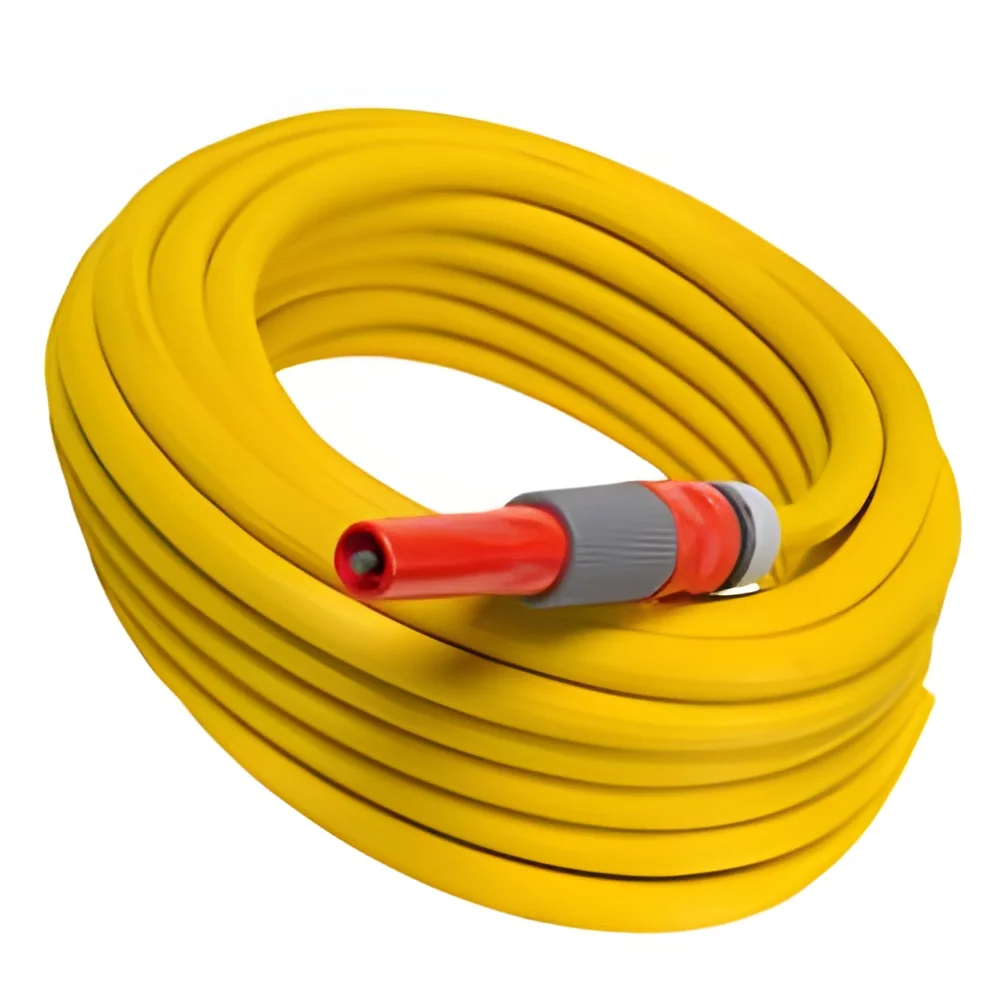
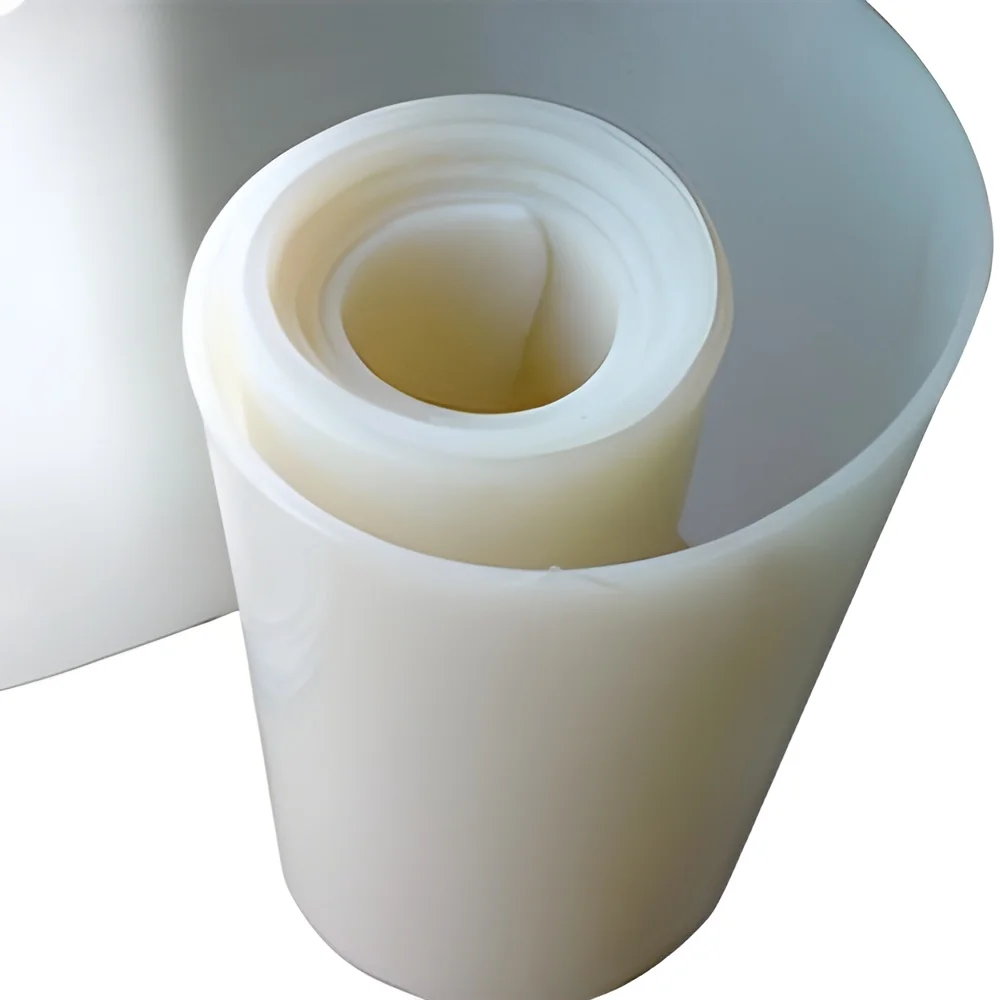
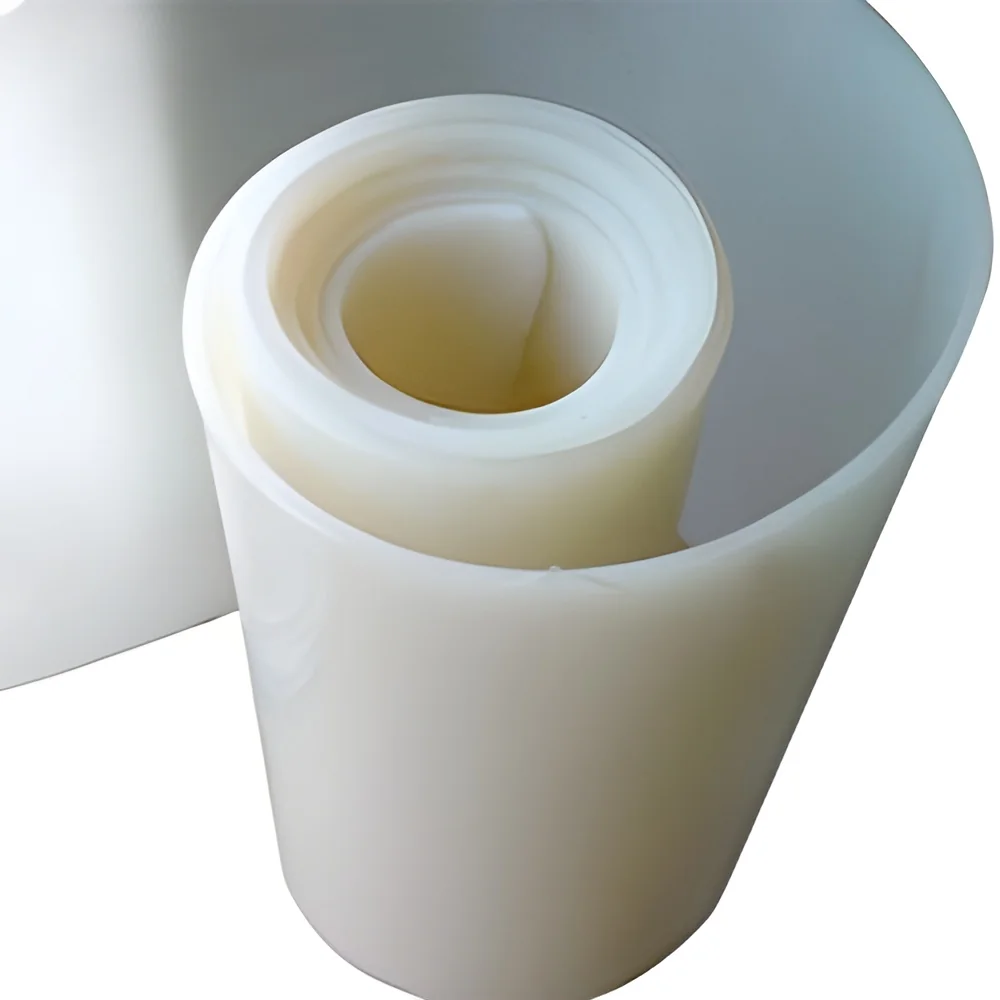
This product is widely used in industries where polymer processing is integral, including automotive, packaging, construction, and consumer goods manufacturing. In injection molding applications, it reduces warpage and shrinkage for precision parts like interior trim and functional components. Blow molding processes benefit from improved surface finish in bottles and containers, while extrusion operations see higher throughput in pipes, sheets, and profiles. Compounding operations rely on Aurosin E305 to achieve uniform masterbatch dispersion, ensuring color consistency and reducing material waste across various production environments.

Aurosin E305 delivers significant business value by boosting productivity and reducing operational costs through its advanced formulation. The product lowers consumption of expensive color masterbatches and additives, directly impacting bottom-line savings while maintaining quality standards. Reliability is ensured through consistent performance in diverse processing conditions, minimizing downtime and reject rates across manufacturing operations. With proven results in improving screw throughput and surface quality, it supports manufacturers in meeting tight deadlines and maintaining competitive advantage in the marketplace.

Key Features:
- Homogeneous dispersion of colors, masterbatches, fillers, and resins
- Improved rheological performance for better flow and processing
- Reduced consumption of color masterbatches and additives
- Controlled in-mold shrinkage and post-molding warpage
- Enhanced screw throughput and surface quality

Benefits:
- Increased production efficiency and output consistency
- Lower material costs through reduced additive consumption
- Improved product quality with minimized defects and warpage
- Enhanced processing reliability across various polymer types
- Better surface finish and dimensional stability in final products
Specifications
| Additional Information | |
|---|---|
| Country of Origin | India |
Application
Aurosin E305 ensures uniform dispersion and rheological control in polymer processing, delivering homogeneous mixing of colors, masterbatches, fillers, and resins. It is ideal for demanding production environments requiring consistency and reduced waste, trusted in polyolefins, TPE, TPO, and rubber-modified polymers for reliable high-throughput operations.
Industries rely on Aurosin E305 to improve screw throughput and surface quality in injection molding, blow molding, extrusion, and compounding processes. It minimizes post-molding warpage and in-mold shrinkage, leading to higher productivity and lower consumption of expensive additives while optimizing efficiency and output quality.
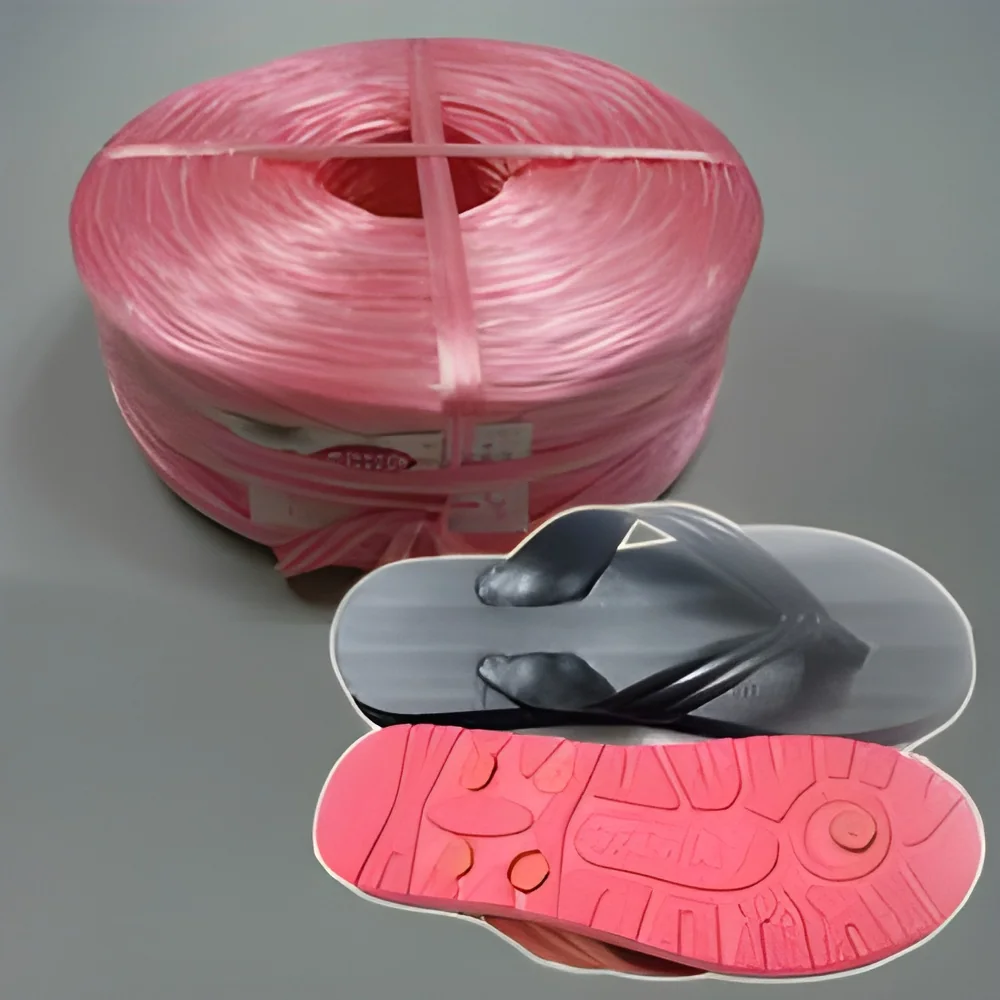
- Injection molding of automotive components for reduced warpage and consistent finish
- Blow molding of packaging materials to enhance surface quality and production speed
- Extrusion processes for pipes and profiles to improve throughput and dispersion
- Compounding of color masterbatches for lower additive consumption and better homogeneity
- Manufacturing of TPE and TPO products for controlled shrinkage and rheological performance
Trade Details
| Available Stock | In Stock |
| Sample Availability | No |
Payment Terms
| Payment Terms |
|
Company Profile

Auropol India Pvt Ltd, West Bengal
 West Bengal, India
West Bengal, IndiaIndustrial Equipment & Machinery•Manufacturer
Factory Details
Factory SizeBelow 1000 sqm
Annual Production Capacity0
Main Markets
South Asia
Polymer Processing Enhancer Aurosin E305 For Dispersion & Productivity
Aurosin E305 polymer processing enhancer improves dispersion, reduces warpage, and boosts productivity in injection molding, extrusion, and compounding applications for reliable industrial performance.
Min. Order Quantity: 1 unit
Shipping
Shipping fee and delivery date to be negotiated. Contact supplier now for more details.
Auropol India Pvt Ltd
 West Bengal, India
West Bengal, IndiaIndustrial Equipment & MachineryManufacturer