
 IN
Die Sets
3 products available
What are Die Sets?
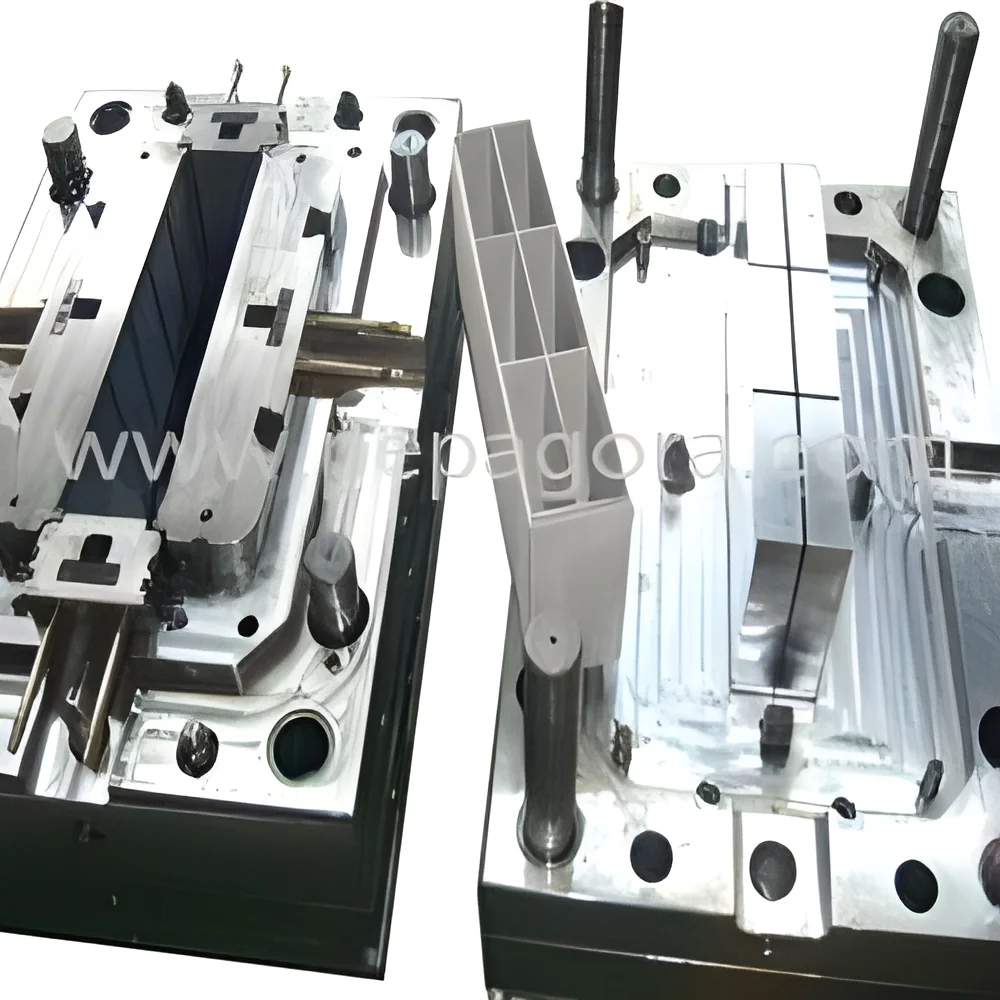
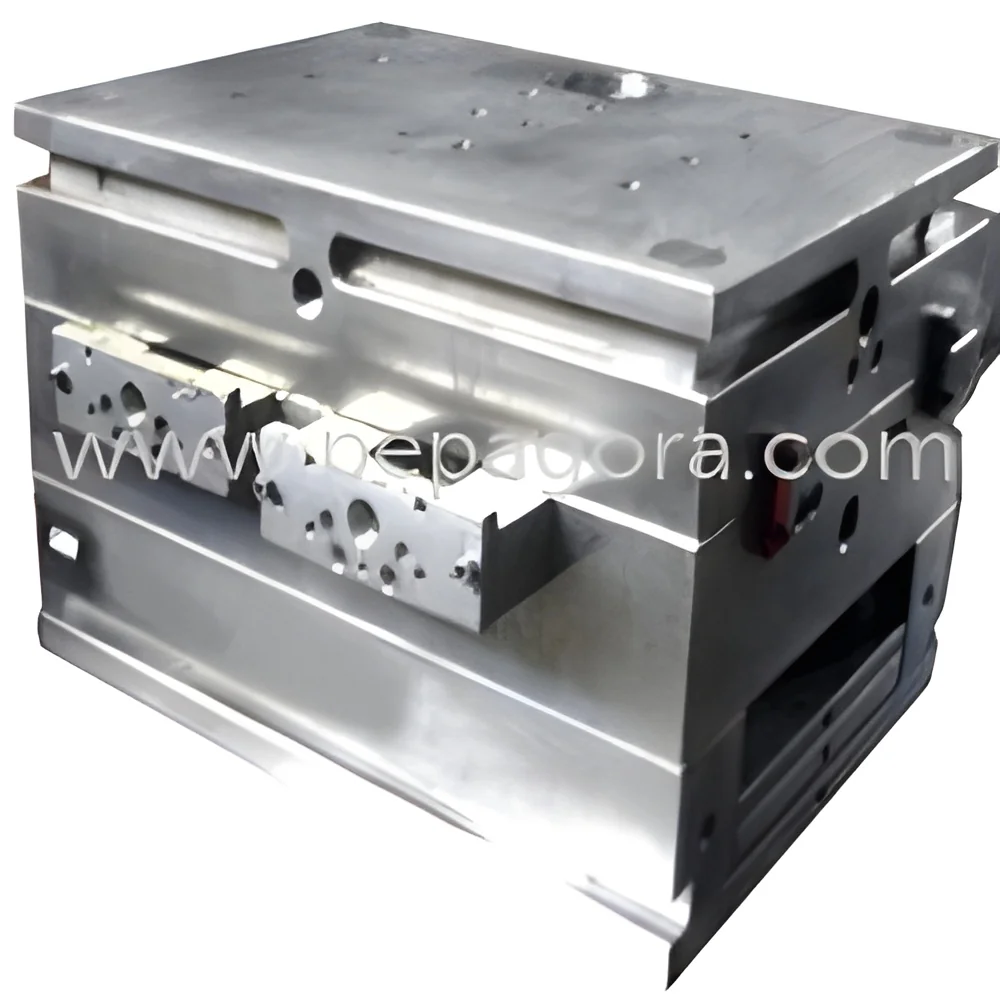
Die sets are essential tools used in manufacturing processes, particularly for shaping and cutting materials such as metal, plastic, and composites. They consist of a series of dies, which are precision-engineered components designed to create specific shapes or forms in the workpiece. The die sets can be categorized based on their application, such as stamping, forging, or molding, and are typically used in conjunction with presses or other machinery to achieve desired results.
The primary applications of die sets are found in industries like automotive, aerospace, and consumer goods manufacturing. In these sectors, die sets facilitate mass production by ensuring consistent quality and precision in the formed parts. They are invaluable for processes like die-casting, where molten metal is poured into a die set to create complex shapes. The relevance of die sets in the industrial market cannot be overstated, as they enhance productivity and reduce waste, making them a vital component of modern manufacturing.
Key Features and Specifications
Die sets come with various features and specifications tailored to meet specific industrial needs. Understanding these specifications is crucial for businesses looking to select the right die sets for their operations.
Key specifications include:
1. Material Composition
- Typically made from high-strength steel or carbide
- Ensures durability and resistance to wear
2. Tolerance Levels
- Precision tolerances that can range from ±0.001 inches to ±0.005 inches
- Critical for maintaining part accuracy
3. Die Thickness
- Varies depending on the application, generally ranging from 0.25 inches to 1 inch
- Influences the strength and durability of the die
4. Surface Finish
- Can be polished, coated, or treated for enhanced performance
- Important for reducing friction and improving part quality
5. Heat Treatment
- Various heat treatment options available to increase hardness
- Essential for high-stress applications
6. Customization Options
- Many suppliers offer tailored die sets based on specific customer requirements
- Flexibility in design enhances functionality
7. Weight Considerations
- Die sets can weigh from a few pounds to over 1,000 pounds
- Heavier sets are often used for larger machinery applications
8. Compatibility
- Designed to fit specific machines or presses
- Ensures seamless operation and efficiency
In summary, the specifications of die sets play a critical role in their performance and longevity, making it vital for buyers to consider these features when making a procurement decision.
Common Applications and Use Cases
Die sets are utilized across various industries, showcasing their versatility and importance in manufacturing.
1. Automotive Industry: Die sets are used for stamping metal components, such as body panels and brackets, ensuring precision and reducing production time.
2. Aerospace Industry: In aerospace manufacturing, die sets play a crucial role in forming lightweight components, which are essential for aircraft performance and fuel efficiency.
3. Electronics Manufacturing: Die sets are employed to create intricate shapes in electronic housings and connectors, ensuring reliable functionality and durability.
4. Home Appliances: Die sets assist in producing parts for various household appliances, contributing to mass production and quality assurance.
5. Medical Devices: Precision die sets are used to manufacture components for medical devices, where accuracy and safety are paramount.
6. Furniture Manufacturing: Die sets are utilized in creating metal parts for furniture, ensuring both aesthetics and strength in the final product.
7. Construction: Die sets are essential for fabricating components used in construction machinery and tools.
Product Variants and Subcategories
Die sets come in various forms to meet different manufacturing needs, allowing businesses to choose the best fit for their applications.
Standard Die Sets: These are conventional die sets used for various stamping, cutting, and forming tasks. They offer reliable performance and are widely available.
Progressive Die Sets: Designed for high-volume production, these die sets allow multiple operations to be completed in a single stroke, increasing efficiency.
Compound Die Sets: These sets perform multiple operations simultaneously, such as cutting and bending, making them ideal for complex parts.
Custom Die Sets: Tailored to specific requirements, these die sets are designed for unique applications, ensuring optimal performance and efficiency.
Benefits and Advantages
The utilization of die sets in manufacturing processes brings several advantages that contribute to overall operational efficiency.
1. Enhanced Precision: Die sets provide high levels of accuracy, ensuring that components are produced to exact specifications, which is critical in quality control.
2. Increased Production Speed: The use of die sets can significantly speed up production processes, allowing for higher output rates and reduced labor costs.
3. Cost-Effectiveness: By reducing material waste and minimizing errors, die sets can lead to lower overall production costs.
4. Versatility: Die sets can be used for various materials and processes, making them suitable for diverse manufacturing applications.
5. Improved Consistency: Die sets ensure uniformity in produced parts, which is essential for maintaining quality across large production runs.
6. Customization Potential: Many suppliers offer the option to customize die sets, allowing businesses to tailor tools to meet specific production needs.
Buying Guide for B2B Buyers
When sourcing die sets, it is important for B2B buyers to consider several key factors to ensure they select the right products for their operations.
1. Quality Assessment: Buyers should evaluate the quality of die sets by examining manufacturer certifications and material specifications. High-quality materials and precise manufacturing processes are essential for durability and performance.
2. Supplier Verification: It is crucial to vet suppliers by checking their track record, customer reviews, and industry reputation. Ensuring they have a history of delivering reliable products is essential for long-term partnerships.
3. Pricing and MOQ: Understanding the pricing structure and minimum order quantities is vital for budget considerations. Buyers should compare prices from multiple suppliers to find competitive options.
4. Delivery and Lead Times: Timely delivery is critical in manufacturing. Buyers should inquire about lead times and the supplier's ability to meet deadlines to avoid production delays.
5. Compliance Requirements: Buyers must ensure that die sets comply with relevant industry standards and regulations. This includes checking for certifications such as CE to guarantee safety and quality.
Compliance and Certifications
Compliance with industry standards is a key consideration when sourcing die sets. Manufacturers often adhere to quality standards such as ISO 9001, ensuring that production processes meet strict quality management criteria. This certification is crucial for businesses looking to maintain high-quality output and customer satisfaction.
Another important certification is CE marking, which indicates that the die sets meet European safety and environmental requirements. This certification is particularly relevant for companies operating in or exporting to Europe.
Safety and testing requirements must also be considered, as die sets should undergo rigorous testing to ensure they can withstand operational demands. Additionally, regional compliance considerations may vary, so it's important for buyers to be aware of local regulations that apply to their specific market.
Why Source Die Sets from Pepagora?
Pepagora offers a reliable platform for sourcing die sets, providing several advantages that make it an attractive option for B2B buyers.
Verified Supplier Network: Pepagora ensures that all suppliers in its network are thoroughly vetted, providing buyers with confidence in the quality and reliability of the products offered.
Streamlined RFQ Process: The request for quotation process on Pepagora is designed to be efficient, allowing buyers to quickly compare options and receive competitive pricing from multiple suppliers.
Trade Assurance and Support: Pepagora provides trade assurance, protecting buyers from potential risks associated with transactions. Their support team is also available to assist with any inquiries throughout the purchasing process.
Regional Coverage: With a strong presence in India, the Gulf Cooperation Council (GCC), and Southeast Asia, Pepagora offers extensive regional coverage, making it easier for businesses to source die sets that meet their specific needs.


Frequently Asked Questions
What are Die Sets?
Die Sets are tools used in manufacturing processes to shape or cut materials, such as metal or plastic, into specific forms. They consist of a series of dies and related components, enabling precise and repetitive production of parts.
What are the different types of Die Sets?
There are various types of Die Sets, including progressive die sets, compound die sets, and single-station die sets. Each type serves different purposes and is suited for particular manufacturing processes, such as stamping, forming, or cutting.
How do I choose the right Die Sets?
To choose the right Die Sets, consider the material you will be working with, the complexity of the part design, and the production volume. Additionally, assess the compatibility of the die set with your existing machinery and the required precision of the final product.
What are the standard specifications for Die Sets?
Standard specifications for Die Sets typically include dimensions, material composition, and tolerance levels. It is essential to evaluate these specifications based on the specific requirements of your manufacturing process and the materials being used.
What is the price range for Die Sets?
The price range for Die Sets can vary significantly based on factors such as type, complexity, and manufacturer. Generally, prices can range from a few thousand to several lakh rupees, depending on the customization and material used.
What quality standards apply to Die Sets?
Quality standards for Die Sets often include ISO certifications and adherence to industry-specific guidelines. Manufacturers should ensure that their die sets meet these standards to guarantee reliability, durability, and performance in production.
Where can I find Die Sets suppliers in India?
You can find Die Sets suppliers in India through various channels, including online B2B marketplaces like Pepagora, trade shows, and industry directories. It's beneficial to compare multiple suppliers to find the best options for your specific needs.
Can Die Sets be customized?
Yes, Die Sets can be customized to meet specific manufacturing requirements. Customization may involve altering the design, size, or material of the die sets to ensure they fit the intended application and enhance production efficiency.
What is the typical minimum order quantity for Die Sets?
The typical minimum order quantity (MOQ) for Die Sets varies by manufacturer and type. Generally, MOQs can range from one set for prototypes to larger quantities for mass production, depending on the supplier's policy.
What is the typical lead time for Die Sets?
The typical lead time for Die Sets can vary depending on the complexity of the design and the manufacturer's production capacity. Generally, lead times can range from a few weeks to several months, especially for customized die sets.
Why Businesses Trust Pepagora
Thousands of companies trust Pepagora to source smarter and sell faster
Expand Your Sales Globally

Source Smarter,Grow Faster
