IN
IN₹
Apparel & Fashion
Description
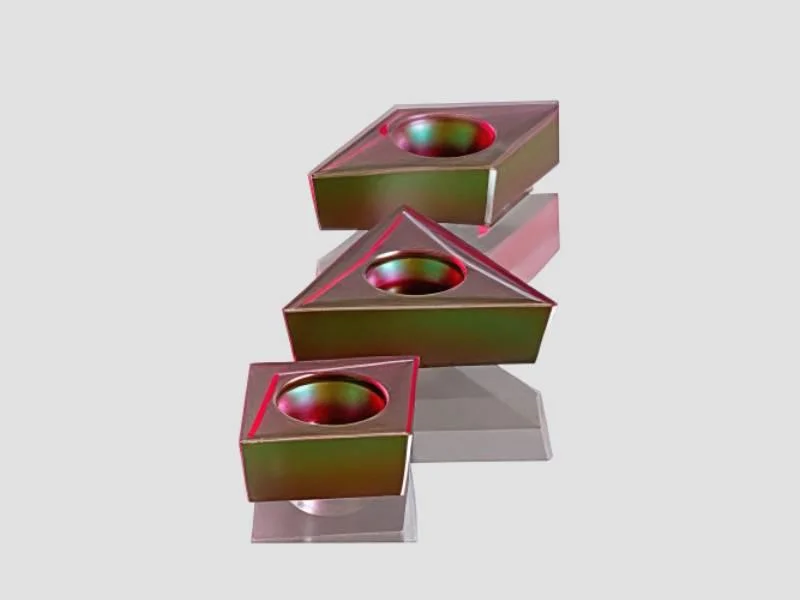
Turning inserts represent precision cutting tools engineered for material removal operations in lathe and CNC turning applications. These replaceable cutting elements come in standardized shapes including triangular, square, rhombic, and round configurations, each selected based on specific machining requirements for optimal cutting stability and accessibility. The geometry of each insert, including critical factors like rake angle and chipbreaker design, plays a fundamental role in controlling chip flow, reducing cutting forces, and improving surface finish quality. Manufactured to withstand the high temperatures and cutting stresses generated during both continuous and interrupted turning operations, these inserts deliver consistent performance across diverse machining conditions.

Across industrial sectors, turning inserts serve critical functions in manufacturing processes. In automotive production, they machine engine components, transmission parts, and drive shafts with precision...
Turning inserts represent precision cutting tools engineered for material removal operations in lathe and CNC turning applications. These replaceable cutting elements come in standardized shapes including triangular, square, rhombic, and round configurations, each selected based on specific machining requirements for optimal cutting stability and accessibility. The geometry of each insert, including critical factors like rake angle and chipbreaker design, plays a fundamental role in controlling chip flow, reducing cutting forces, and improving surface finish quality. Manufactured to withstand the high temperatures and cutting stresses generated during both continuous and interrupted turning operations, these inserts deliver consistent performance across diverse machining conditions.

Across industrial sectors, turning inserts serve critical functions in manufacturing processes. In automotive production, they machine engine components, transmission parts, and drive shafts with precision. Aerospace applications utilize these inserts for creating turbine components, landing gear elements, and structural aircraft parts. General engineering industries employ them for producing hydraulic systems, pump components, and industrial machinery parts. The versatility extends to medical device manufacturing where precision is paramount, and to equipment production for various industrial applications. Each industry benefits from specialized insert grades optimized for specific materials including various steels, cast irons, stainless steels, and non-ferrous alloys.

The business value of premium turning inserts lies in their reliability and performance consistency. These tools reduce machining time through optimized cutting parameters while extending tool life with advanced coatings and robust construction. Manufacturers achieve cost savings through reduced downtime for tool changes and consistent part quality across production runs. The standardized shapes ensure compatibility with existing tooling systems, while the engineered geometries provide predictable performance that supports production planning and quality control. This reliability translates to fewer production interruptions and more efficient manufacturing processes.

Key Features:
- Standardized shapes including triangular, square, rhombic, and round configurations
- Engineered geometries with optimized rake angles and chipbreaker designs
- Advanced coatings applied to carbide substrates for enhanced performance
- Grades specifically optimized for different workpiece materials
- Designed to withstand high temperatures and cutting stresses

Benefits:
- Extended tool life through durable construction and protective coatings
- Improved surface finish quality on machined components
- Reduced cutting forces leading to more efficient machining operations
- Consistent performance across continuous and interrupted cutting conditions
- Compatibility with existing lathe and CNC turning equipment
Specifications
| Additional Information | |
|---|---|
| Country of Origin | India |
Application
Turning inserts are essential components in precision machining operations, designed to remove material efficiently from rotating workpieces. Their replaceable nature allows for quick tool changes, minimizing downtime and maintaining consistent production quality across various manufacturing environments.
These inserts are engineered to handle different cutting conditions, from rough machining to fine finishing. With specific geometries and coatings optimized for various materials, they provide versatility for diverse industrial applications while ensuring predictable performance and reduced machining costs.
Real-world applications:
- Automotive component manufacturing for engine parts, shafts, and transmission components
- Aerospace industry machining of turbine blades, landing gear parts, and structural components
- General engineering production of hydraulic cylinders, pump housings, and industrial valves
- Precision machining of medical device components and surgical instruments
- Manufacturing of industrial equipment parts including gears, bearings, and machine tool components
Trade Details
| Available Stock | In Stock |
| Sample Availability | No |
Payment Terms
| Payment Terms |
|
| Payment Methods |
|
Company Profile

Alston Tools And Technologies, Tamil Nadu
 Tamil Nadu, India
Tamil Nadu, IndiaTrading Company•Distributor / Wholesaler
Turn Over
₹5 Crore – ₹10 Crore
Factory Details
Factory SizeBelow 1000 sqm
Premium Turning Inserts For Lathe And CNC Operations With Advanced Coatings
Premium turning inserts for lathe and CNC operations offer reliable material removal with standardized shapes and advanced coatings for extended tool life in various machining applications.
Min. Order Quantity: 1 piece
Shipping
Shipping fee and delivery date to be negotiated. Contact supplier now for more details.
Alston Tools And Technologies Tamil Nadu, India
Tamil Nadu, IndiaTrading Company