IN
IN₹
Apparel & Fashion
Description
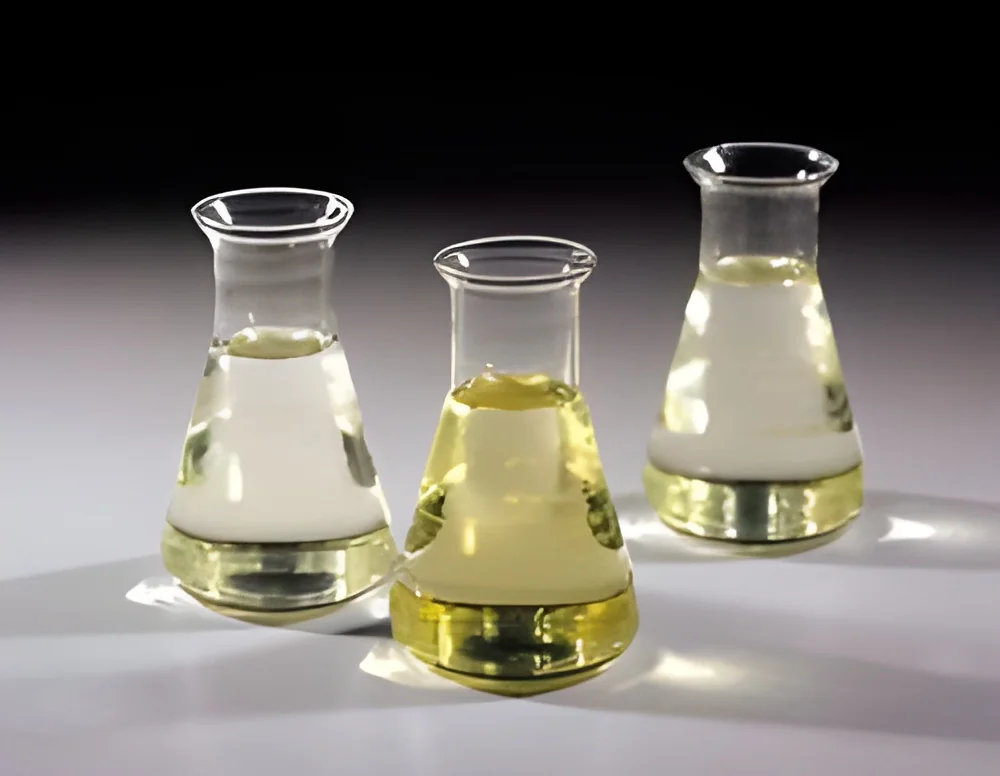
Polysorbate 20, 60, and 80 are high-quality nonionic surfactants and emulsifiers derived from polyethoxylated sorbitan and fatty acids like oleic acid or stearic acid. These compounds are viscous, water-soluble liquids known for their excellent emulsifying properties, making them crucial in industries where ingredient stability and homogeneity are paramount. They function by reducing surface tension, allowing oil and water-based components to blend seamlessly without separation. Available in grades such as IP, BP, and USP, these polysorbates meet rigorous pharmaceutical and food safety standards, ensuring reliability for buyers, importers, and distributors seeking consistent, top-tier ingredients for manufacturing processes.

These emulsifiers are widely used across food and beverage, pharmaceuticals, cosmetics, and biotechnology sectors. In food production, Polysorbate 80 is essential in ice cream and frozen desserts to resist melting and improve texture, while Polysorbate 60 is key i...
Polysorbate 20, 60, and 80 are high-quality nonionic surfactants and emulsifiers derived from polyethoxylated sorbitan and fatty acids like oleic acid or stearic acid. These compounds are viscous, water-soluble liquids known for their excellent emulsifying properties, making them crucial in industries where ingredient stability and homogeneity are paramount. They function by reducing surface tension, allowing oil and water-based components to blend seamlessly without separation. Available in grades such as IP, BP, and USP, these polysorbates meet rigorous pharmaceutical and food safety standards, ensuring reliability for buyers, importers, and distributors seeking consistent, top-tier ingredients for manufacturing processes.

These emulsifiers are widely used across food and beverage, pharmaceuticals, cosmetics, and biotechnology sectors. In food production, Polysorbate 80 is essential in ice cream and frozen desserts to resist melting and improve texture, while Polysorbate 60 is key in baked goods, whipped toppings, and condiments to prevent staleness and maintain emulsion. Pharmaceutical applications include stabilizing vaccines, such as in influenza vaccines, and emulsifying medications like anti-arrhythmia drugs. Cosmetics leverage polysorbates in creams, lotions, and shampoos to solubilize oils and ensure even application, and biotechnology uses them in culture media for processes like Mycobacterium tuberculosis growth.

For businesses, polysorbates deliver significant value through enhanced product reliability, compliance with international standards, and consistent performance. Their role in improving shelf life, texture, and stability reduces manufacturing issues and boosts end-product quality, fostering customer trust and satisfaction. As non-toxic and versatile emulsifiers, they minimize production costs by requiring smaller quantities compared to alternatives like monoglycerides, while their proven efficacy in critical applications—from vaccines to food—ensures they are a safe, dependable choice for serious buyers prioritizing quality and performance in their supply chain.

Key Features:
- Derived from polyethoxylated sorbitan and fatty acids for consistent emulsification.
- Water-soluble, viscous liquid form ensuring easy integration into various formulations.
- Available in multiple grades including IP, BP, and USP for pharmaceutical and food compliance.
- Reduces surface tension effectively, enabling stable oil and water emulsions.
- Nonionic surfactant properties for broad compatibility and minimal reactivity.

Benefits:
- Enhances product stability and shelf life by preventing ingredient separation.
- Improves texture and consistency in food, cosmetic, and pharmaceutical products.
- Ensures compliance with international safety and quality standards for reliable use.
- Reduces manufacturing costs through efficient emulsification with smaller quantities.
- Supports versatile applications across industries for consistent performance and results.
Specifications
| Additional Information | |
|---|---|
| Country of Origin | India |
Application
Polysorbate emulsifiers are essential in food production, pharmaceuticals, and cosmetics for seamlessly blending oil and water-based ingredients. They prevent separation, improve texture, and enhance product stability, making them indispensable for formulations requiring consistent quality and performance. These surfactants are trusted for their non-toxic, versatile nature and compliance with international standards like IP, BP, and USP.
In the food industry, Polysorbate 80 prevents ice cream from melting too quickly and ensures smoothness, while Polysorbate 60 keeps baked goods fresh and whipped toppings stable. Pharmaceutical applications include vaccine stabilization and medication emulsification, and cosmetics rely on them for solubilizing oils in creams, lotions, and shampoos for even application and enhanced efficacy.
- Prevents oil and water separation in ice cream and frozen desserts for smoother texture and melt resistance.
- Stabilizes vaccines and pharmaceutical formulations for safe parenteral administration and consistent efficacy.
- Enhances spreadability and consistency in cosmetic creams, lotions, and shampoos by solubilizing essential oils.
- Improves shelf life and freshness in baked goods and whipped toppings by maintaining emulsion stability.
- Used in medical treatments like acne creams and anti-arrhythmia medications as an effective emulsifier and surfactant.
Trade Details
| Available Stock | In Stock |
| Sample Availability | No |
Payment Terms
| Payment Terms |
|
Company Profile

All India Drug Supply Co., Maharashtra
 Maharashtra, India
Maharashtra, IndiaManufacturer•Distributor / Wholesaler•Importer / Exporter
Factory Details
Factory SizeBelow 1000 sqm
Annual Production Capacity0
Main Markets
Domestic
Polysorbate 20 60 80 Emulsifiers For Food Pharma Cosmetics
Polysorbate 20 60 80 emulsifiers are nonionic surfactants for food, pharma, and cosmetics, ensuring ingredient stability, smooth texture, and reliable performance in formulations.
Min. Order Quantity: 1 unit
Shipping
Shipping fee and delivery date to be negotiated. Contact supplier now for more details.
All India Drug Supply Co.
 Maharashtra, India
Maharashtra, IndiaManufacturer