
 IN
Butyl Rubber
1 products available
What are Butyl Rubber?
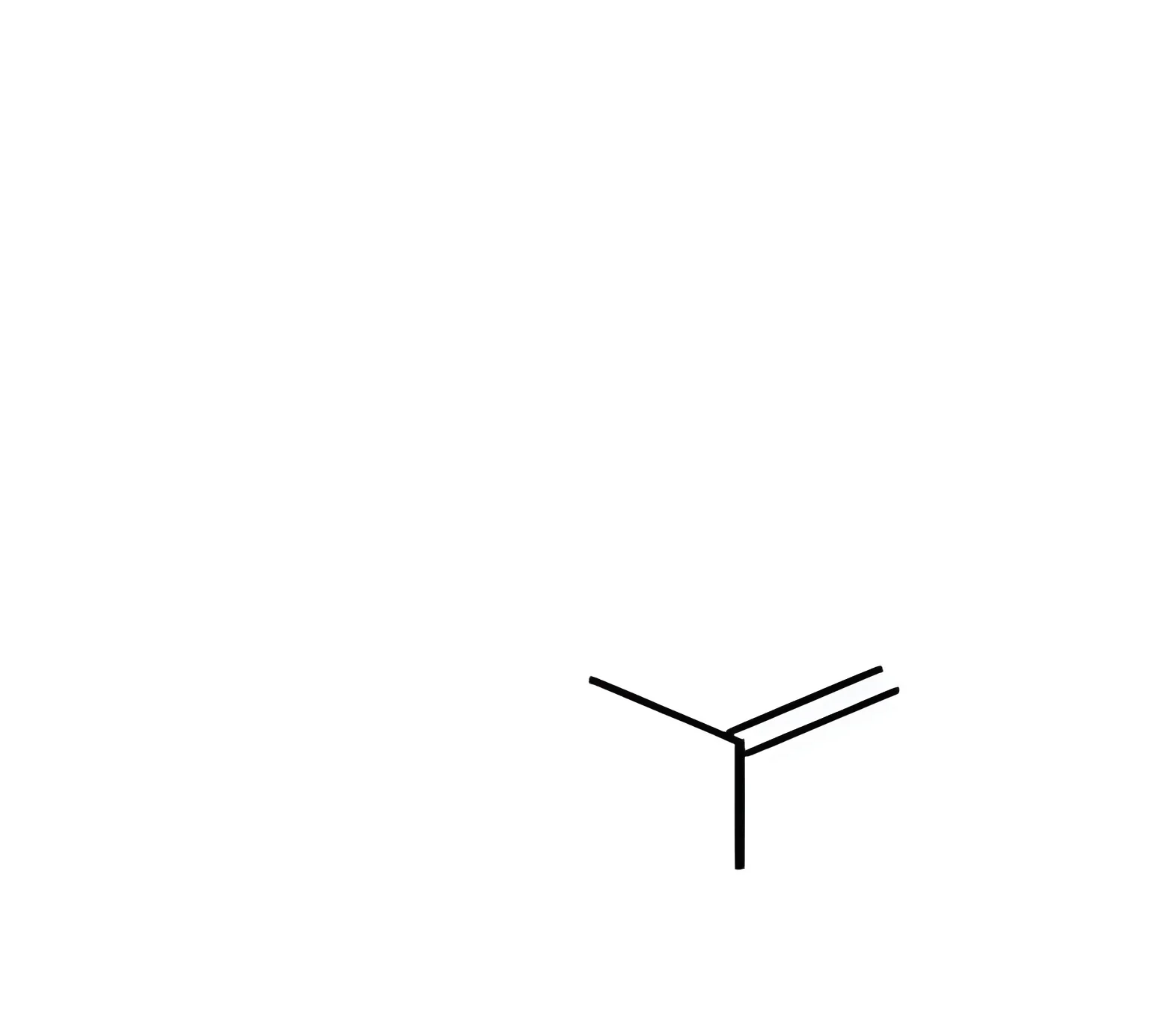
Butyl rubber is a synthetic rubber derived from the polymerization of isobutylene, often in combination with isoprene. This elastomer is known for its excellent impermeability to gases and moisture, making it a highly sought-after material in various industrial applications. Its unique chemical structure provides a superior balance of elasticity and durability, allowing it to perform effectively in demanding environments.
The primary uses of butyl rubber span multiple industries, including automotive, construction, and healthcare. In the automotive sector, it is commonly employed in tire manufacturing due to its airtight properties, which help maintain tire pressure. In construction, butyl rubber acts as a sealant and adhesive, providing reliable waterproofing solutions. The healthcare industry utilizes butyl rubber for manufacturing medical equipment, as it is resistant to chemicals and sterilization processes. The growing demand for high-performance materials continues to drive the butyl rubber market, making it a key player in the global industrial landscape.
Key Features and Specifications
Butyl rubber is characterized by several key features and specifications that enhance its performance across various applications. These specifications are essential for businesses to understand when selecting the appropriate grade of butyl rubber for their needs.
Key specifications include:
1. Gas Permeability
- Butyl rubber has low gas permeability, making it ideal for applications requiring airtight seals.
- Typical permeability rates allow for extended usage in tires and inflatable products.
2. Temperature Resistance
- This rubber exhibits good thermal stability, maintaining its properties over a wide temperature range.
- It can function effectively in temperatures from -40°C to 100°C.
3. Chemical Resistance
- Butyl rubber is resistant to many chemicals, including acids, bases, and alcohols.
- This property makes it suitable for use in chemical processing and storage applications.
4. Aging Resistance
- The material demonstrates excellent aging characteristics, retaining its properties over time.
- This quality is crucial for products exposed to environmental conditions.
5. Adhesive Qualities
- Butyl rubber has strong adhesive properties, making it useful in bonding applications.
- It adheres well to various substrates, including metals and plastics.
6. Flexibility
- This rubber maintains flexibility even at low temperatures, ensuring performance in cold conditions.
- Flexibility is essential for applications like gaskets and seals.
7. Sound Damping
- Butyl rubber is effective in reducing noise and vibration, making it suitable for automotive and industrial applications.
- This feature enhances comfort and performance in vehicles and machinery.
In summary, the key features and specifications of butyl rubber contribute to its versatility and effectiveness in numerous industrial applications.
Common Applications and Use Cases
Butyl rubber serves various industries, showcasing its adaptability and performance.
1. Automotive: In the automotive industry, butyl rubber is primarily used in tire manufacturing. Its low permeability ensures that tires maintain air pressure, enhancing fuel efficiency and safety.
2. Construction: Butyl rubber is widely used as a sealant in construction projects. Its waterproof properties make it ideal for roofing, window sealing, and other applications where moisture resistance is critical.
3. Healthcare: In the healthcare sector, butyl rubber is utilized in the production of medical gloves, syringes, and other disposable products. Its chemical resistance and ability to withstand sterilization processes make it a preferred choice.
4. Consumer Goods: Many consumer products, such as inflatable toys and sports equipment, are made with butyl rubber due to its durability and flexibility.
5. Industrial Applications: Butyl rubber is used in various industrial applications, including hoses, belts, and gaskets, where resistance to chemicals and temperature fluctuations is essential.
6. Packaging: In packaging, butyl rubber is often used for creating airtight seals, preserving product integrity and extending shelf life.
7. Electronics: The electronics industry employs butyl rubber for insulating materials, ensuring protection against moisture and environmental factors.
Product Variants and Subcategories
Butyl rubber comes in various forms to meet the specific needs of different applications. Each variant is designed with unique properties to enhance performance.
Non-Blend Butyl Rubber: This variant is used in applications requiring high purity and performance. It is ideal for products that demand airtight seals and chemical resistance.
Blended Butyl Rubber: This variant combines butyl rubber with other elastomers for enhanced properties. It is commonly used in applications where flexibility and durability are essential, such as automotive components.
Halobutyl Rubber: This variant incorporates halogen elements to improve the chemical resistance of butyl rubber. It is often used in tire manufacturing and applications requiring enhanced heat resistance.
Benefits and Advantages
Butyl rubber offers numerous benefits that make it a preferred choice across various industries.
1. Excellent Gas Barrier: Its low permeability to gases helps maintain product integrity in tires and packaging.
2. Versatile Applications: Butyl rubber's adaptability allows it to be used in diverse industries, from automotive to healthcare.
3. High Durability: Its resistance to aging and environmental factors ensures longevity, reducing replacement costs.
4. Strong Adhesion: The adhesive properties of butyl rubber make it effective for bonding applications, enhancing product performance.
5. Chemical Resistance: It withstands exposure to various chemicals, making it suitable for demanding industrial environments.
6. Cost-Effective: The longevity and low maintenance requirements of butyl rubber contribute to overall cost savings for businesses.
Buying Guide for B2B Buyers
When sourcing butyl rubber, it is essential for B2B buyers to consider several factors to ensure they make informed purchasing decisions.
1. Quality Assessment: Evaluate the quality of butyl rubber by reviewing material specifications and performance characteristics. Look for samples and test reports to ensure compliance with industry standards.
2. Supplier Verification: Vet potential suppliers by checking their credentials, certifications, and customer reviews. A reliable supplier should have a proven track record in the industry.
3. Pricing and MOQ: Understand the pricing structure and minimum order quantities (MOQ) offered by suppliers. Competitive pricing without compromising quality is crucial for business sustainability.
4. Delivery and Lead Times: Consider logistics and shipping options. Ensure that suppliers can meet delivery timelines to maintain production schedules.
5. Compliance Requirements: Familiarize yourself with relevant regulatory and compliance standards that apply to your industry. Ensure that suppliers can provide necessary certifications and documentation.
Compliance and Certifications
Compliance with quality standards and certifications is crucial for manufacturers of butyl rubber. Products must often adhere to relevant standards such as ISO 9001, which focuses on quality management systems, ensuring consistent quality in production.
Additionally, industry certifications like CE signify that the product meets European safety and environmental protection requirements. These certifications are vital for companies looking to operate in regulated markets.
Safety and testing requirements are also fundamental in ensuring that butyl rubber products are safe for use in various applications. Manufacturers must conduct thorough testing to confirm that their products meet industry standards.
Regional compliance considerations may vary, so it is essential for businesses to be aware of specific regulations that apply in their geographic areas, particularly when exporting butyl rubber products internationally.
Why Source Butyl Rubber from Pepagora?
Pepagora stands out as a trusted platform for sourcing butyl rubber, offering numerous key advantages to B2B buyers.
The verified supplier network at Pepagora ensures that businesses can connect with reliable manufacturers and distributors. Each supplier undergoes a rigorous verification process, providing buyers with confidence in their sourcing decisions.
The streamlined RFQ process simplifies the quotation system, allowing buyers to request quotes easily from multiple suppliers. This efficiency helps businesses compare options and select the best value.
Trade assurance and support mechanisms are in place to protect buyers throughout the procurement process. Pepagora offers assistance to resolve any issues that may arise, ensuring a smooth transaction.
With regional coverage extending across India, the Gulf Cooperation Council (GCC), and Southeast Asia, Pepagora facilitates access to a broad market. This geographic reach enables businesses to find suitable suppliers tailored to their specific needs, regardless of their location.

 India
Frequently Asked Questions
What are Butyl Rubber?
Butyl Rubber is a synthetic rubber, specifically a copolymer of isobutylene and isoprene. It is known for its excellent impermeability to gases, making it ideal for applications such as tire liners and seals.
What are the different types of Butyl Rubber?
There are primarily two types of Butyl Rubber: IIR (Isobutylene Isoprene Rubber) and Halobutyl Rubber. IIR is commonly used in tires and adhesives, while Halobutyl, which is modified with halogens, offers enhanced resistance to heat and aging.
How do I choose the right Butyl Rubber?
Selecting the right Butyl Rubber involves considering factors such as the intended application, environmental conditions, and required properties like gas permeability and chemical resistance. Consulting with suppliers can also provide valuable insights.
What are the standard specifications for Butyl Rubber?
Standard specifications for Butyl Rubber include tensile strength, elongation at break, and specific gravity. Additionally, the material's resistance to heat, ozone, and various chemicals are crucial specifications that must be considered.
What is the price range for Butyl Rubber?
The price of Butyl Rubber can vary widely based on factors such as quality, quantity, and supplier. Generally, prices can range from INR 150 to INR 400 per kilogram, depending on these variables.
What quality standards apply to Butyl Rubber?
Quality standards for Butyl Rubber often adhere to international specifications such as ASTM and ISO. These standards ensure that the rubber meets required performance characteristics and safety requirements.
Where can I find Butyl Rubber suppliers in India?
Butyl Rubber suppliers in India can be found through B2B marketplaces like Pepagora, trade directories, and industry-specific exhibitions. Conducting online searches and networking within industry forums can also help locate reliable suppliers.
Can Butyl Rubber be customized?
Yes, Butyl Rubber can often be customized in terms of formulation and physical properties to meet specific application needs. Suppliers typically offer customization options to cater to different industrial requirements.
What is the typical minimum order quantity for Butyl Rubber?
The typical minimum order quantity (MOQ) for Butyl Rubber varies by supplier but generally ranges from 100 to 500 kilograms. It is advisable to confirm the MOQ with the supplier before placing an order.
What is the typical lead time for Butyl Rubber?
The typical lead time for Butyl Rubber orders can vary, but it generally ranges from 2 to 6 weeks. Factors such as order size and supplier location can influence the delivery timeframe.
Why Businesses Trust Pepagora
Thousands of companies trust Pepagora to source smarter and sell faster
Expand Your Sales Globally

Source Smarter,Grow Faster
