IN
IN₹
Apparel & Fashion
Description
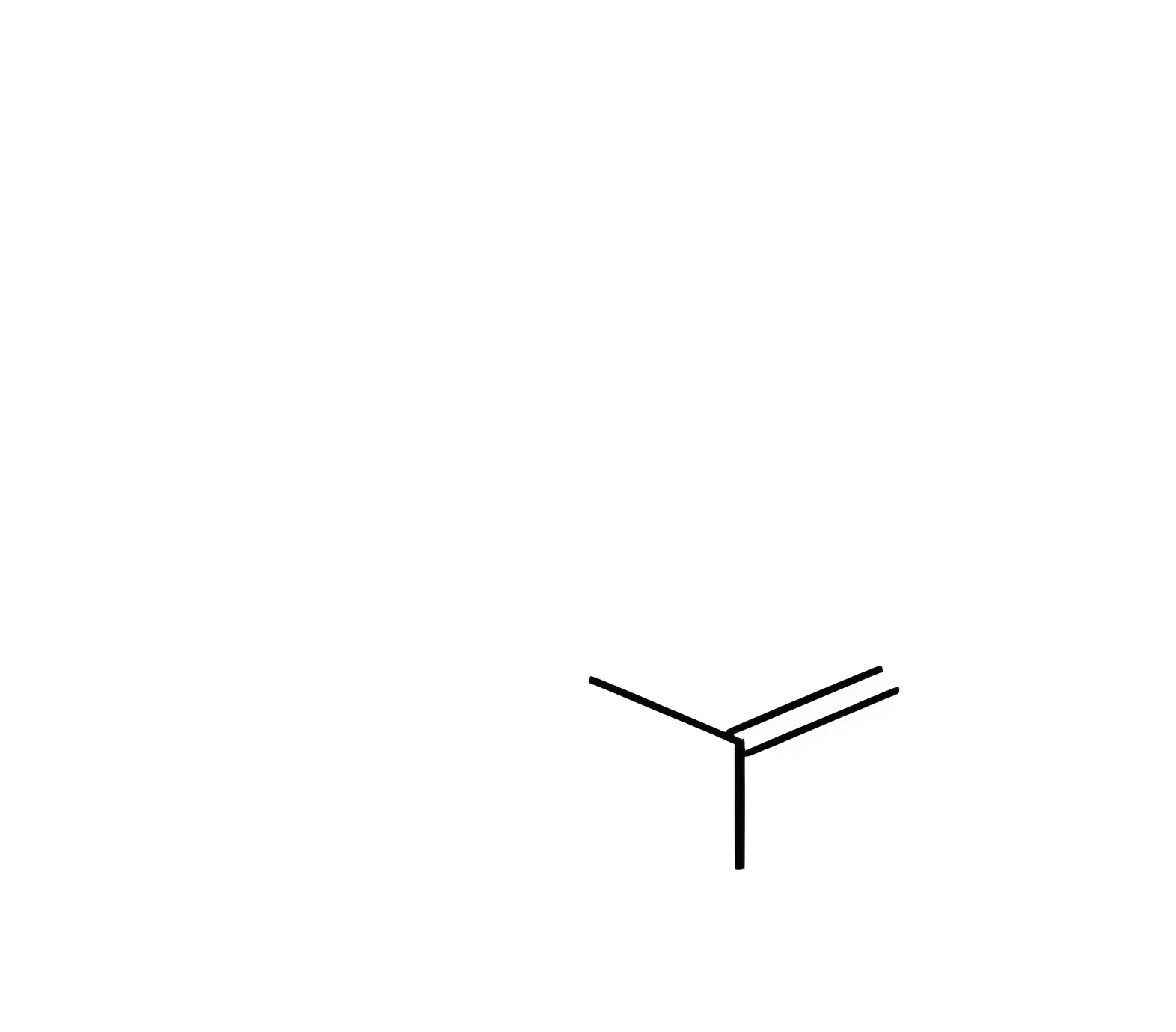
Industrial Isobutylene Gas represents a colorless, highly reactive hydrocarbon gas with significant importance in chemical manufacturing processes. Produced through advanced steam cracking or dehydration methods, this high-purity intermediate ensures optimal performance in critical synthesis applications. Its distinctive chemical properties make it indispensable for polymerization reactions, alkylation processes, and derivative compound production, supporting numerous industrial sectors from automotive manufacturing to pharmaceutical development. Businesses consistently value isobutylene for its efficiency in creating stable, high-performance chemical compounds that meet rigorous international quality standards and manufacturing requirements.

Multiple industries rely heavily on isobutylene for their core manufacturing processes. The petrochemical sector utilizes it extensively in producing butyl rubber, which becomes essential for tire inner liners, industrial seals, and specialized h...
Industrial Isobutylene Gas represents a colorless, highly reactive hydrocarbon gas with significant importance in chemical manufacturing processes. Produced through advanced steam cracking or dehydration methods, this high-purity intermediate ensures optimal performance in critical synthesis applications. Its distinctive chemical properties make it indispensable for polymerization reactions, alkylation processes, and derivative compound production, supporting numerous industrial sectors from automotive manufacturing to pharmaceutical development. Businesses consistently value isobutylene for its efficiency in creating stable, high-performance chemical compounds that meet rigorous international quality standards and manufacturing requirements.

Multiple industries rely heavily on isobutylene for their core manufacturing processes. The petrochemical sector utilizes it extensively in producing butyl rubber, which becomes essential for tire inner liners, industrial seals, and specialized hoses due to its exceptional impermeability and flexibility characteristics. In fuel production facilities, isobutylene undergoes conversion into valuable additives like MTBE and isooctane to enhance combustion efficiency while reducing harmful emissions. The pharmaceutical industry incorporates it for synthesizing crucial intermediates in medication production, while agrochemical manufacturers apply it in creating advanced pesticides and herbicides. This adaptability extends further into lubricant formulations, adhesive compounds, and antioxidant production, establishing isobutylene as a fundamental component in contemporary industrial operations worldwide.

For industrial buyers and chemical processors, isobutylene delivers exceptional reliability and batch-to-batch consistency, ensuring smooth manufacturing operations and minimizing production downtime. The high purity grade significantly reduces impurities in final products, enhancing overall quality while maintaining compliance with international regulatory standards. The compound's stable chemical properties provide predictable performance across diverse manufacturing environments, while streamlined handling characteristics facilitate efficient integration into existing production systems. Trusted by global distributors and bulk chemical wholesalers, our isobutylene supply chain maintains robust operational protocols with stringent safety measures and scalable volume options to support large-scale production requirements and just-in-time delivery schedules.

Key Features:
- High purity grade ensuring minimal impurities for superior chemical reaction outcomes
- Excellent reactivity profile suitable for polymerization, alkylation, and synthesis processes
- Colorless gas form with specific handling properties for industrial system integration
- Consistent chemical properties providing reliability across diverse manufacturing environments
- Industrial-grade quality meeting international standards for chemical intermediates

Benefits:
- Enhanced product quality through high purity standards that minimize contamination risks
- Improved manufacturing efficiency due to consistent reactivity and predictable performance
- Reduced production downtime through reliable supply and consistent chemical properties
- Compliance with international quality standards for chemical manufacturing processes
- Versatile application across multiple industries from automotive to pharmaceutical sectors
Specifications
| Additional Information | |
|---|---|
| Country of Origin | India |
Application
Isobutylene serves as a fundamental building block in petrochemical and manufacturing operations, where its high reactivity enables efficient alkylation, polymerization, and synthetic processes. Industries depend on this versatile compound to create durable materials and enhance product performance across demanding applications, ensuring consistent results in complex chemical transformations and material development projects.
This essential intermediate is widely utilized in producing butyl rubber for automotive components and pharmaceutical closures. It also functions as a precursor for antioxidants, lubricant additives, and octane boosters in fuels. The compound's adaptability supports innovations in plastics manufacturing, adhesive formulations, and specialty chemical production, serving diverse industrial needs across global supply chains and manufacturing ecosystems.
- Manufacturing butyl rubber for automotive tires and inner tubes to ensure superior air retention and long-lasting durability
- Producing antioxidants and stabilizers for plastics and fuels to extend product lifespan and maintain performance under stress
- Synthesizing methyl tert-butyl ether as a gasoline additive to improve octane ratings and minimize engine knocking
- Creating isooctane and other alkylates for high-performance fuels in automotive and aviation applications
- Serving as a key intermediate in pharmaceutical and agrochemical production for precise synthesis processes
Trade Details
| Available Stock | In Stock |
| Sample Availability | No |
Payment Terms
| Payment Terms |
|
Company Profile
Vinati Organics Ltd, Maharashtra
 Maharashtra, India
Maharashtra, IndiaManufacturer•Importer / Exporter
Factory Details
Factory SizeBelow 1000 sqm
Annual Production Capacity0
Industrial Isobutylene Gas High Purity Chemical Synthesis Intermediate
Industrial Isobutylene Gas High Purity Chemical Synthesis Intermediate delivers reliable hydrocarbon gas for butyl rubber production, fuel additives, and antioxidant manufacturing with consistent industrial-grade quality.
Min. Order Quantity: 1 unit
Shipping
Shipping fee and delivery date to be negotiated. Contact supplier now for more details.
Vinati Organics Ltd
 Maharashtra, India
Maharashtra, IndiaManufacturer