
 IN
Butanol
2 products available
What are Butanol?
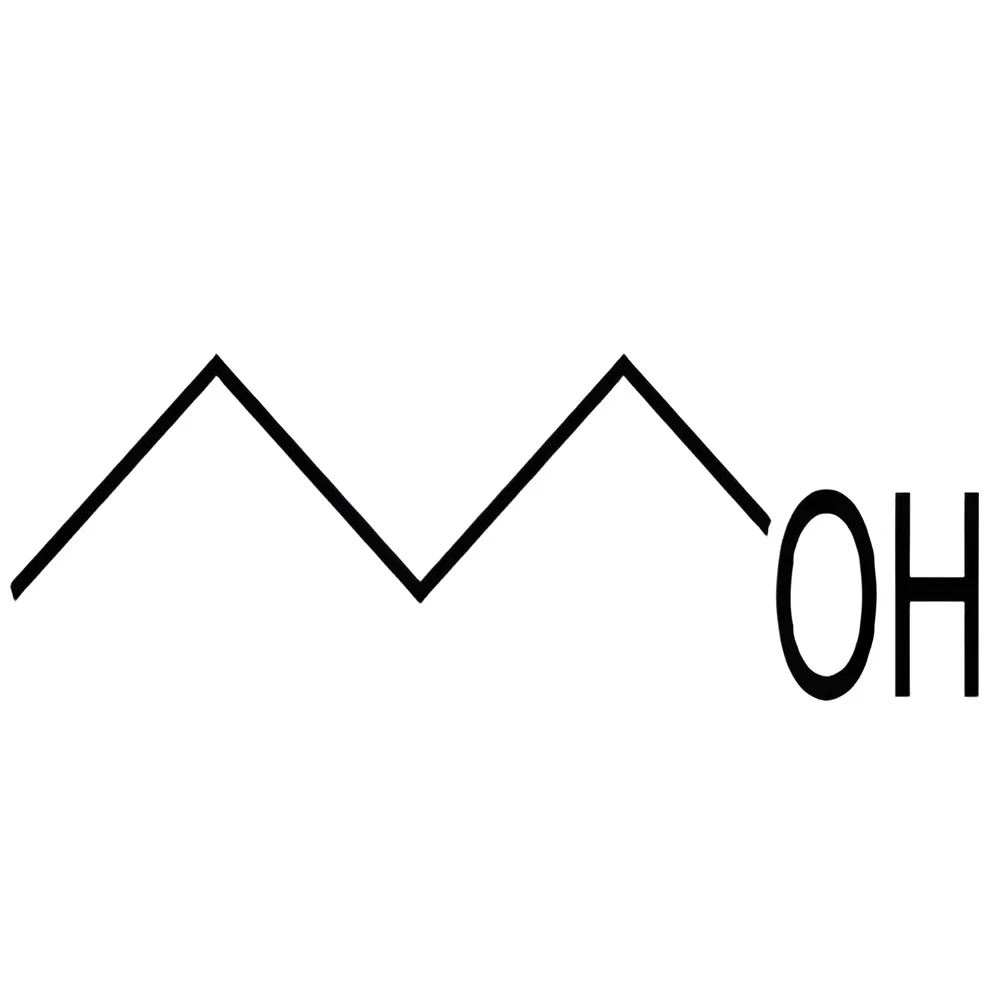
Butanol is a colorless, flammable liquid with a characteristic alcohol odor. It is a four-carbon straight-chain alcohol that exists in several isomeric forms, including n-butanol, isobutanol, sec-butanol, and tert-butanol. Butanol is primarily produced through the fermentation of sugars or by the petrochemical process. Its chemical formula is C4H10O, and it is soluble in water and various organic solvents.
In terms of applications, butanol is widely used in the production of solvents, plastics, and pharmaceuticals. It serves as an important intermediate in the manufacture of butyl acrylate and butyl acetate, which are used in paints, coatings, and adhesives. Additionally, butanol functions as a fuel additive to improve octane ratings in gasoline and is also utilized in the food industry as a flavoring agent. The market for butanol is growing steadily, driven by increasing demand in various industrial sectors.
Key Features and Specifications
Butanol is known for its versatile properties, making it suitable for a range of applications. It has a moderate boiling point and provides effective solvent capabilities. The specifications of butanol are crucial for industries that require precise formulations.
Key specifications include:
1. Purity Level
- Typically above 99%
- Ensures high-quality performance in applications
2. Density
- Approximately 0.810 g/cm³ at 20°C
- Important for accurate mixing and formulation
3. Boiling Point
- Around 117.7°C
- Essential for applications that involve heating
4. Flash Point
- Approximately 35°C
- Indicates safe handling and storage requirements
5. Viscosity
- About 3.9 mPa·s at 20°C
- Relevant for processing and formulation
6. Solubility
- Miscible with water and many organic solvents
- Enhances its usability in various chemical processes
7. Odor
- Characteristic alcohol scent
- Important for applications in the food and beverage industry
In summary, butanol's key features and specifications make it a valuable component in numerous industrial applications.
Common Applications and Use Cases
Butanol finds extensive use across various industries due to its unique chemical properties.
1. Chemical Manufacturing: In this sector, butanol is used as a solvent and intermediate in the production of various chemicals, including butyl acrylate and butyl acetate.
2. Paints and Coatings: Butanol serves as a solvent in the formulation of paints and coatings, improving their application properties and drying times.
3. Pharmaceuticals: It is utilized in the pharmaceutical industry as a solvent and excipient in drug formulations.
4. Food Industry: Butanol is occasionally used as a flavoring agent and processing aid in food production.
5. Automotive: In the automotive sector, butanol acts as a fuel additive, enhancing the octane rating of gasoline.
6. Adhesives: Butanol is incorporated into adhesive formulations to improve performance and stability.
7. Textiles: It is used in textile processing as a solvent and finishing agent.
Product Variants and Subcategories
Butanol is available in several forms, each tailored for specific applications.
n-Butanol
This linear form of butanol is widely used as a solvent in paints, coatings, and adhesives. Its properties make it an effective intermediate in chemical synthesis.
Isobutanol
Isobutanol is often used as a feedstock in the production of isobutylene, which is crucial for manufacturing various chemicals, including fuels and plastics.
sec-Butanol
This variant is mainly used in the production of solvents and as an intermediate in the synthesis of other chemicals.
tert-Butanol
Often used as a solvent and in chemical synthesis, tert-butanol has unique properties that make it suitable for specific applications in the laboratory and industry.
Benefits and Advantages
Sourcing butanol offers several benefits for businesses in various industries.
1. Versatility: Butanol's ability to act as a solvent, fuel additive, and chemical intermediate makes it suitable for multiple applications.
2. High Purity: Most commercially available butanol is of high purity, ensuring consistent performance in formulations.
3. Cost-Effectiveness: Butanol is generally available at competitive prices, making it an economically viable choice for manufacturers.
4. Performance Enhancement: As a solvent, butanol improves the efficacy of formulations in paints, coatings, and adhesives.
5. Environmentally Friendly: Compared to some other solvents, butanol has a lower environmental impact, making it a more sustainable choice.
6. Ease of Handling: Butanol's physical properties allow for straightforward handling and storage, reducing logistical challenges.
Buying Guide for B2B Buyers
When sourcing butanol, it is essential to consider several factors to ensure quality and reliability.
1. Quality Assessment: Verify the purity and specifications of butanol to meet your application requirements. Look for suppliers who provide detailed product information and quality certificates.
2. Supplier Verification: Ensure suppliers are reputable and experienced in the industry. Check for certifications and customer reviews to gauge reliability.
3. Pricing and MOQ: Understand the market pricing for butanol and inquire about minimum order quantities. This information will help in budgeting and procurement planning.
4. Delivery and Lead Times: Discuss delivery schedules and lead times with suppliers to ensure timely availability of butanol for your operations.
5. Compliance Requirements: Familiarize yourself with any regulatory requirements related to butanol in your region. Ensure that suppliers can provide necessary documentation and certifications.
Compliance and Certifications
Butanol is subject to various quality standards and safety requirements in its production and distribution. Compliance with internationally recognized standards such as ISO 9001 ensures that the product meets quality management principles. Additionally, certifications like CE indicate adherence to safety and environmental regulations.
Safety is paramount when handling butanol. It is essential to follow testing and safety guidelines to mitigate risks associated with its flammable nature. Companies must also consider regional compliance, as different countries may impose specific regulations on butanol production and usage.
Overall, maintaining compliance with these standards and regulations is crucial for manufacturers and suppliers to ensure product integrity and safety.
Why Source Butanol from Pepagora?
Pepagora offers a reliable platform for sourcing butanol, providing several key advantages for businesses.
Verified Supplier Network: Pepagora connects buyers with a network of verified suppliers, ensuring that you have access to quality products from trusted manufacturers.
Streamlined RFQ Process: The platform simplifies the request for quotation process, allowing buyers to easily compare offers and choose the best option for their needs.
Trade Assurance and Support: Pepagora provides trade assurance, offering buyers protection during transactions and ensuring that they receive the quality products they expect.
Regional Coverage: With a presence in India, the GCC, and Southeast Asia, Pepagora ensures that businesses have access to butanol suppliers across diverse markets, facilitating efficient procurement.

 India
 India
Frequently Asked Questions
What are Butanol?
Butanol is a four-carbon alcohol that exists in several isomeric forms. It is used as a solvent, in the manufacture of plastics, and as an intermediate in chemical synthesis.
What are the different types of Butanol?
The primary types of Butanol include n-butanol, isobutanol, sec-butanol, and tert-butanol. Each type has unique properties and applications in various industries.
How do I choose the right Butanol?
Choosing the right Butanol depends on its intended use, required purity level, and specific characteristics needed for your application. It is advisable to consult with suppliers to ensure you select the appropriate type.
What are the standard specifications for Butanol?
Standard specifications for Butanol typically include purity levels, boiling point, density, and flash point. These specifications can vary based on the intended application and regulatory requirements.
What is the price range for Butanol?
The price of Butanol can vary based on factors such as purity, quantity, and supplier pricing. Generally, prices range from a few hundred to several thousand Indian Rupees per liter.
What quality standards apply to Butanol?
Butanol must adhere to various quality standards, including those set by industry organizations and regulatory bodies. These standards ensure that the product meets safety and performance criteria.
Where can I find Butanol suppliers in India?
You can find Butanol suppliers in India through online B2B marketplaces, industrial supply directories, and trade shows. Websites like Pepagora.com provide listings of reliable manufacturers and suppliers.
Can Butanol be customized?
Yes, Butanol can be customized based on specific requirements, such as concentration and formulation. Discussing your needs with manufacturers can help facilitate this process.
What is the typical minimum order quantity for Butanol?
The typical minimum order quantity (MOQ) for Butanol varies by supplier but usually ranges from 100 liters to 1000 liters. It is best to confirm the MOQ with the supplier before placing an order.
What is the typical lead time for Butanol?
The typical lead time for Butanol can range from a few days to several weeks, depending on the supplier’s inventory and your order size. Always check with the supplier for accurate delivery timelines.
Why Businesses Trust Pepagora
Thousands of companies trust Pepagora to source smarter and sell faster
Expand Your Sales Globally

Source Smarter,Grow Faster
