
 IN
Brake Drums
28 products available
What are Brake Drums?
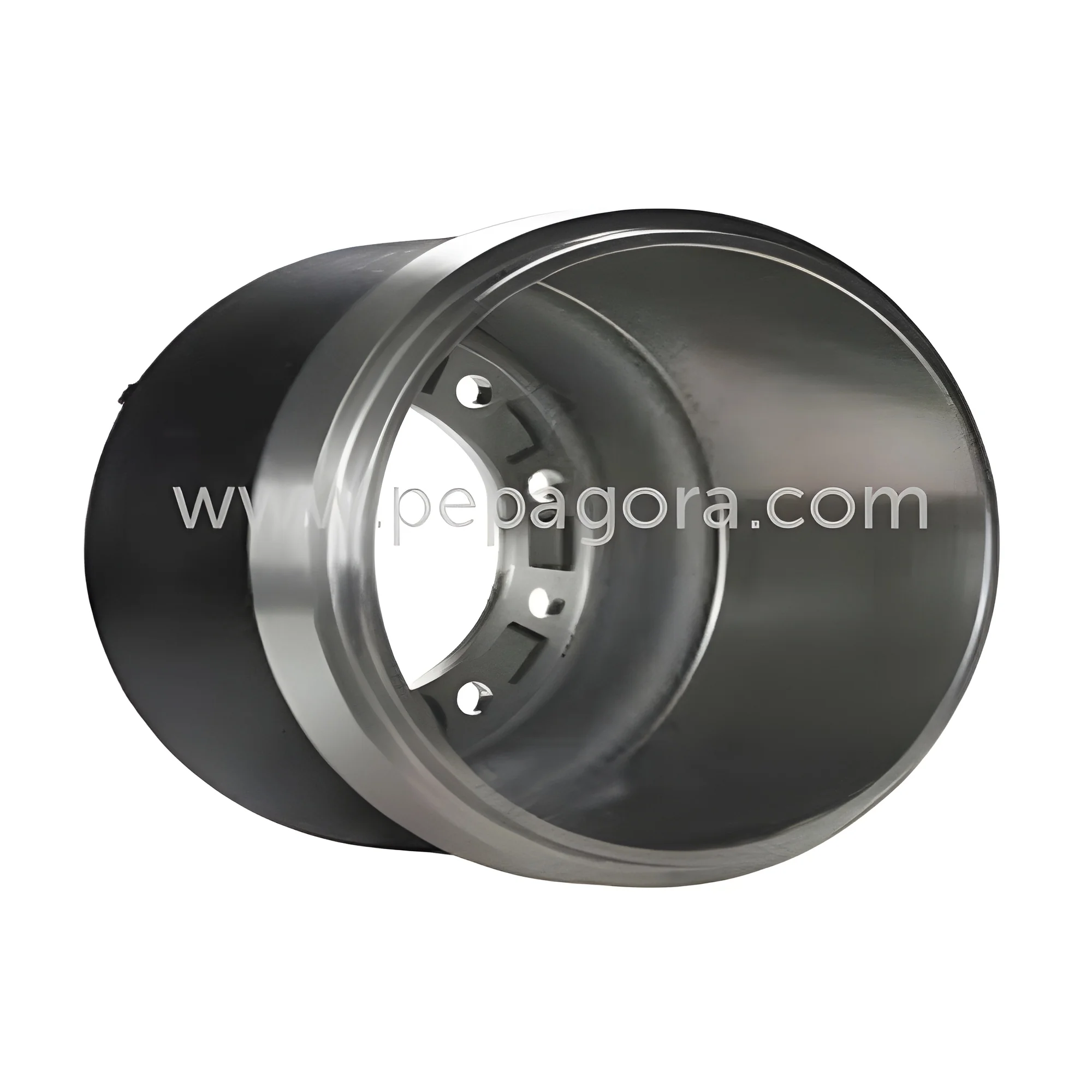
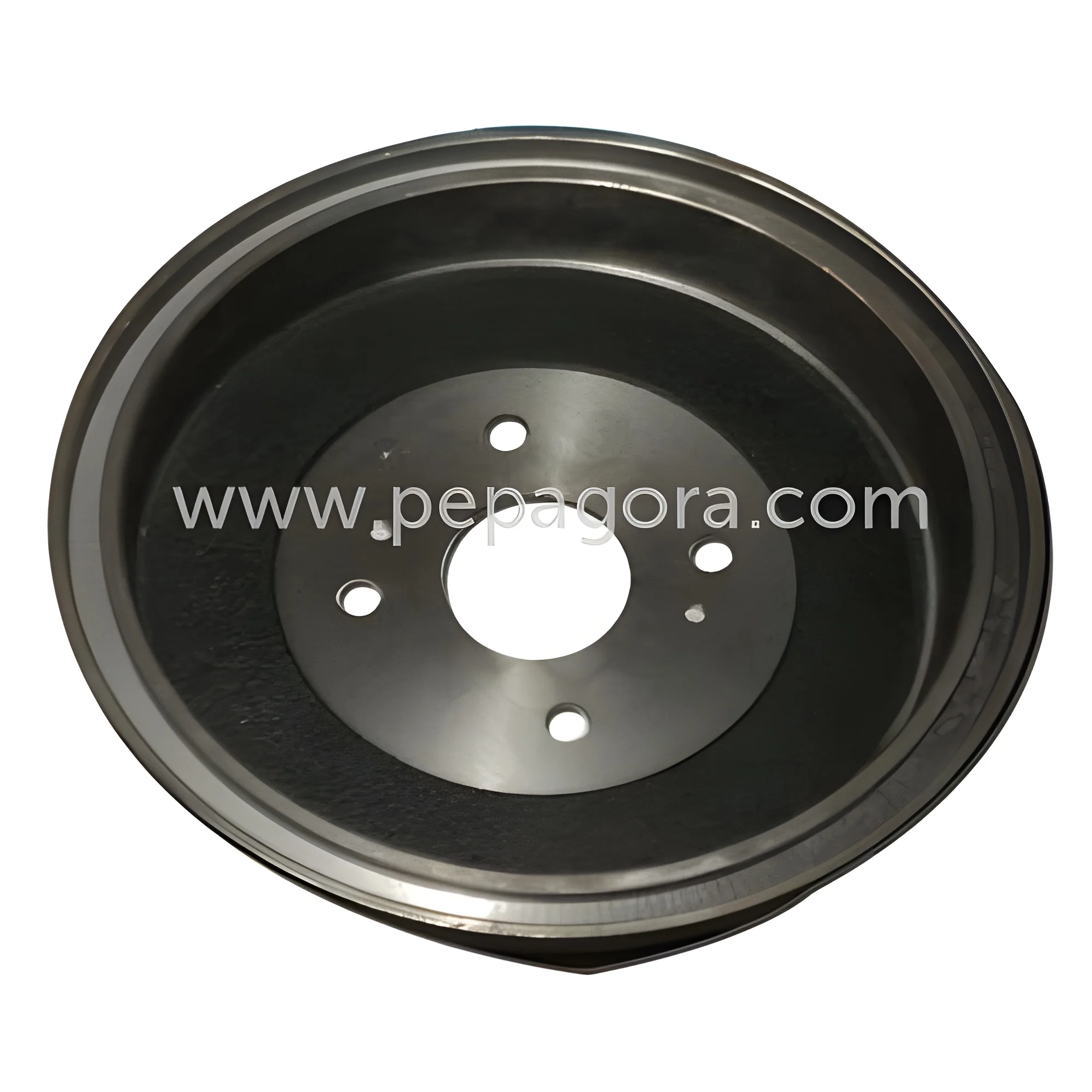
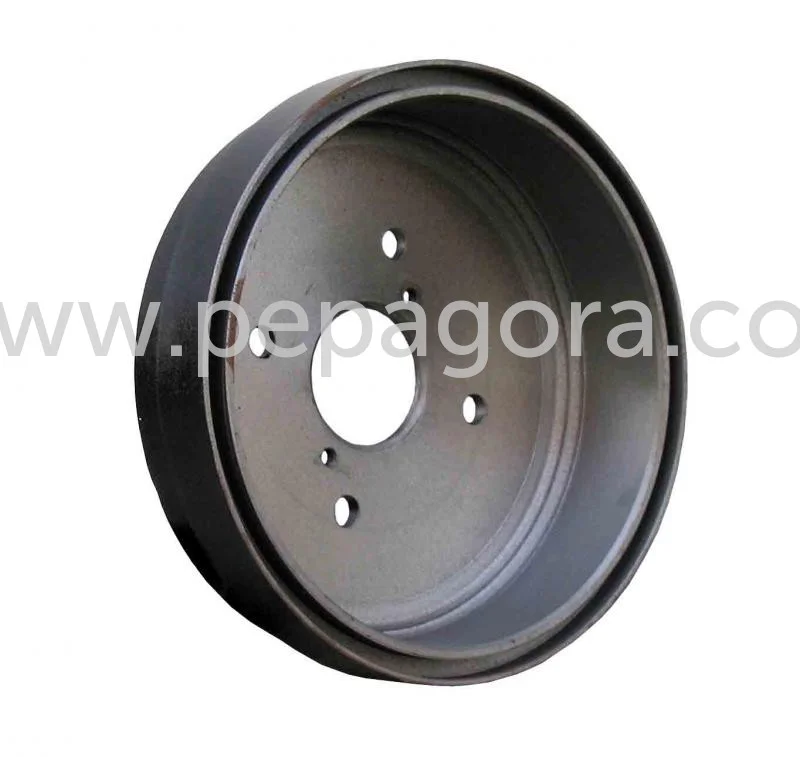
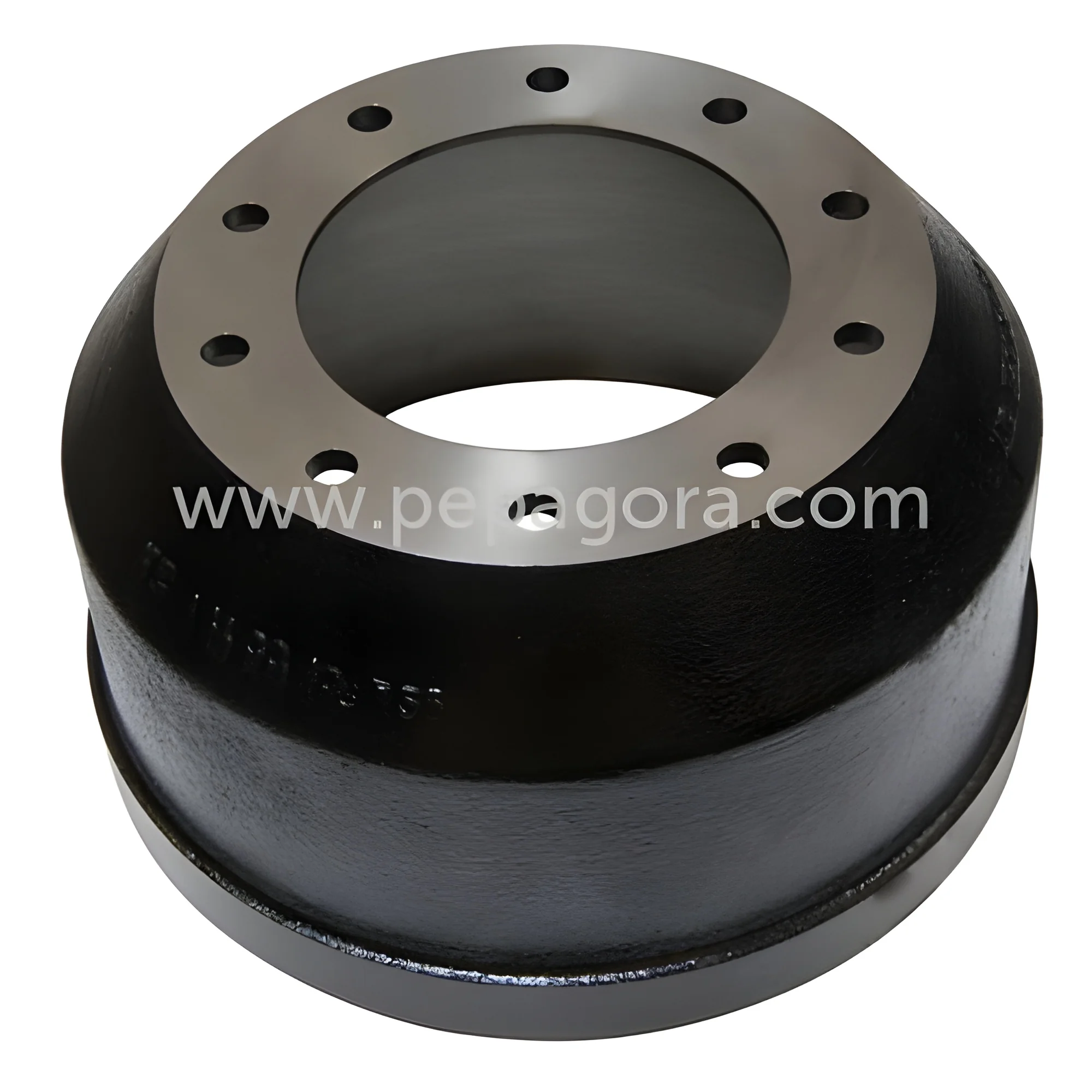
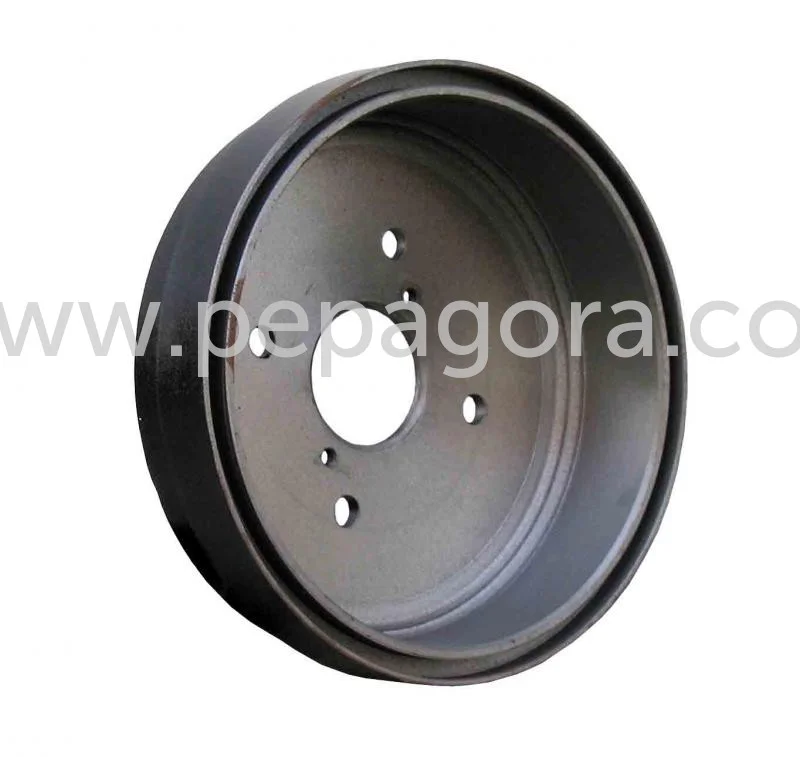
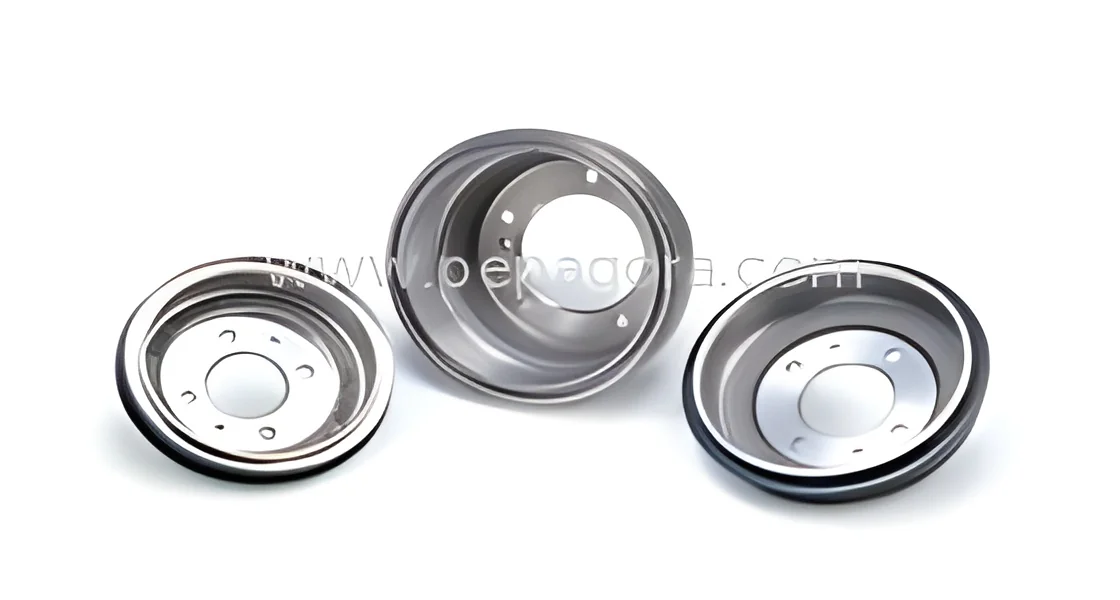
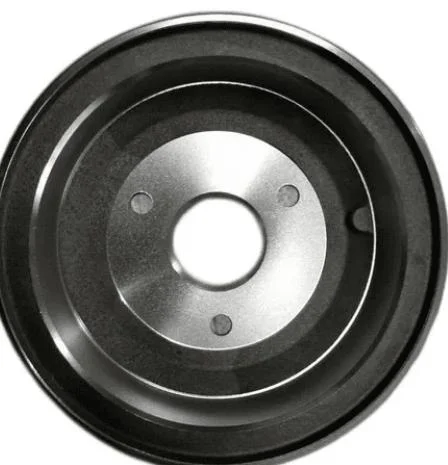
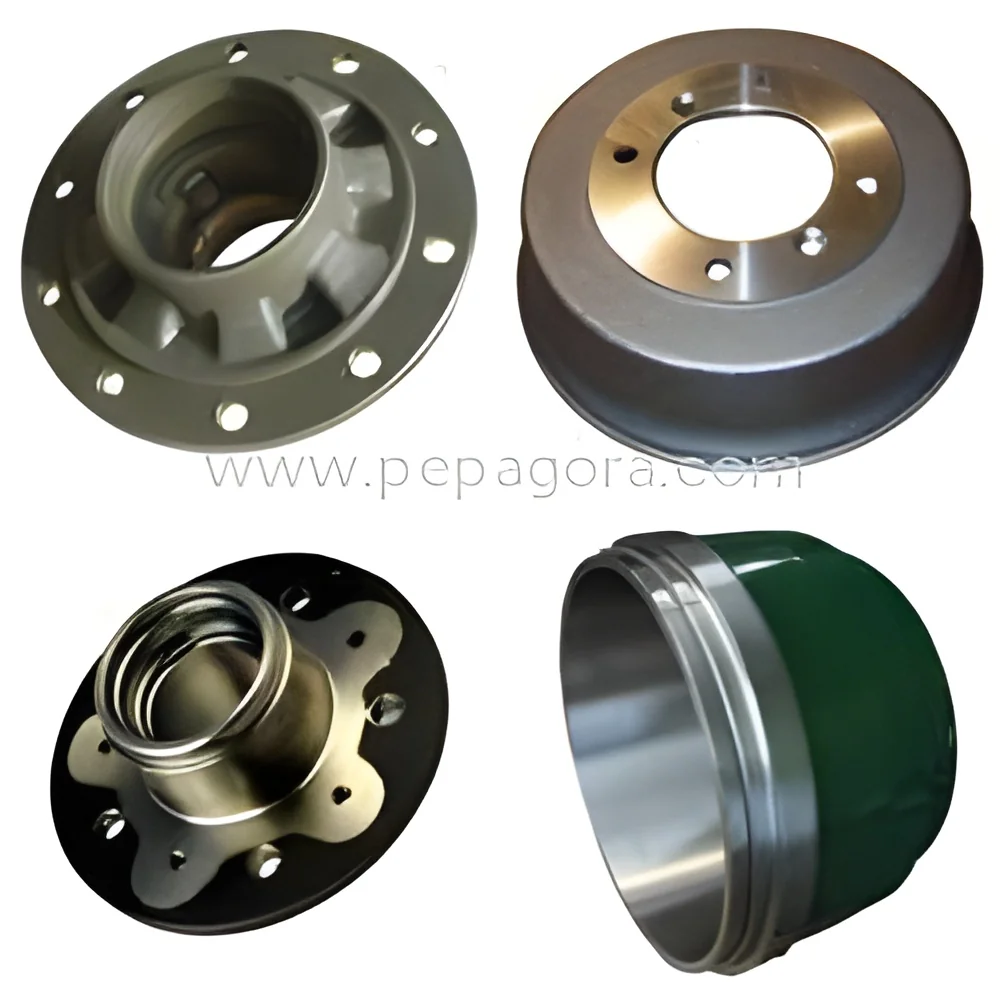
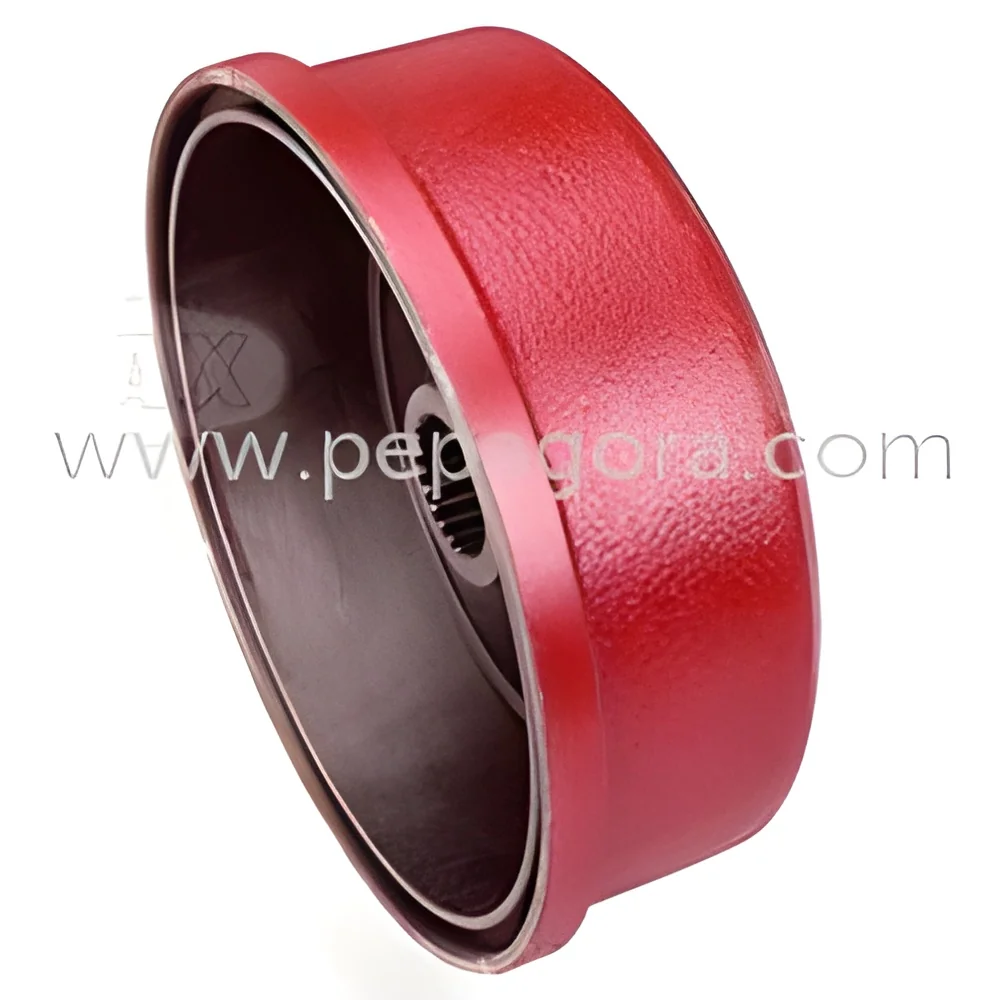
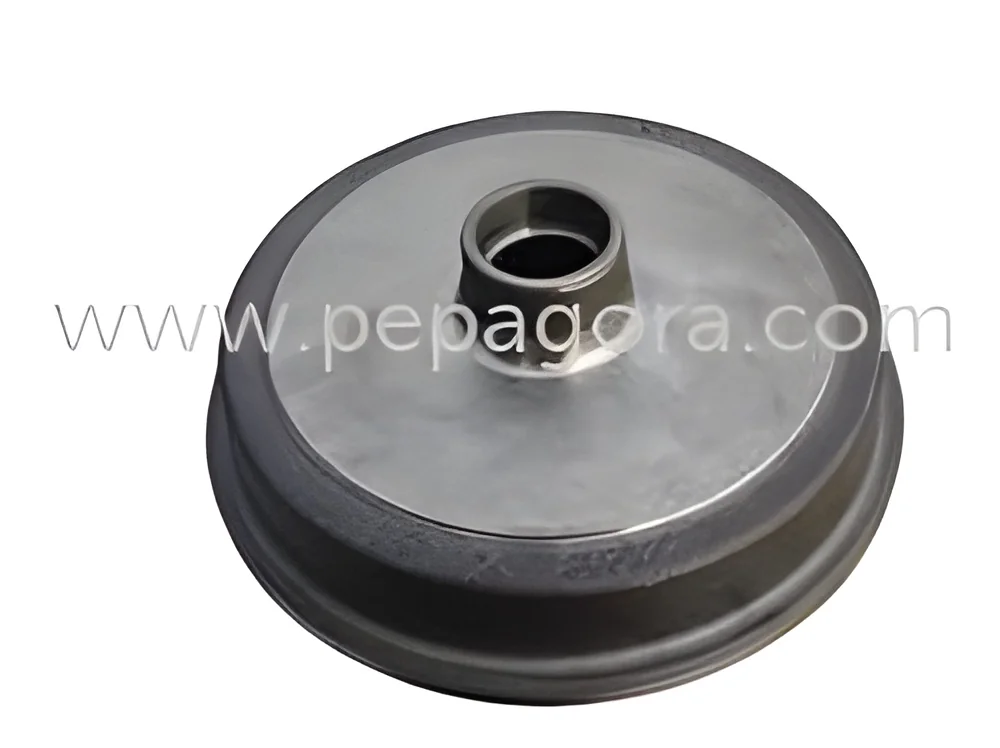
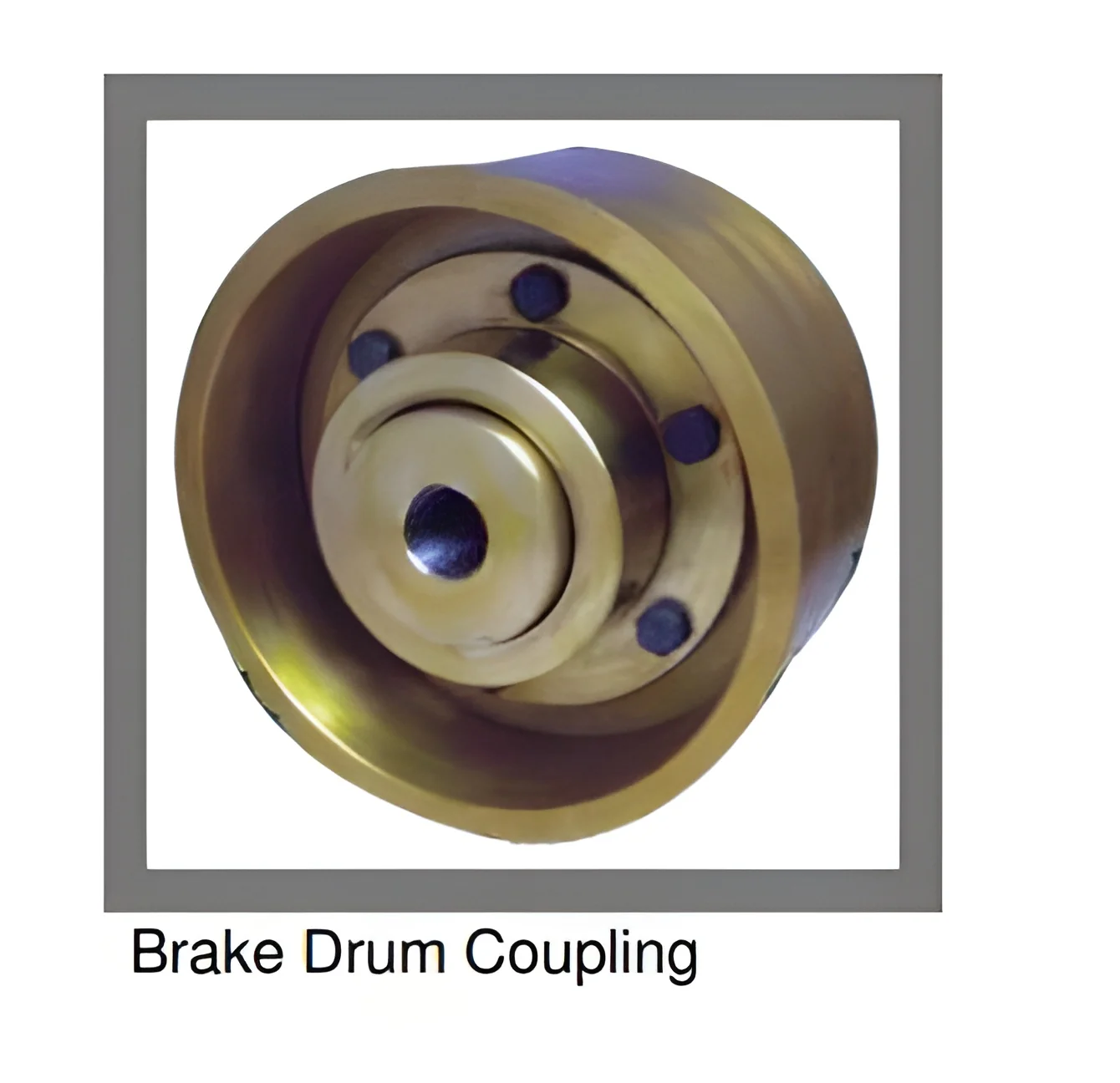
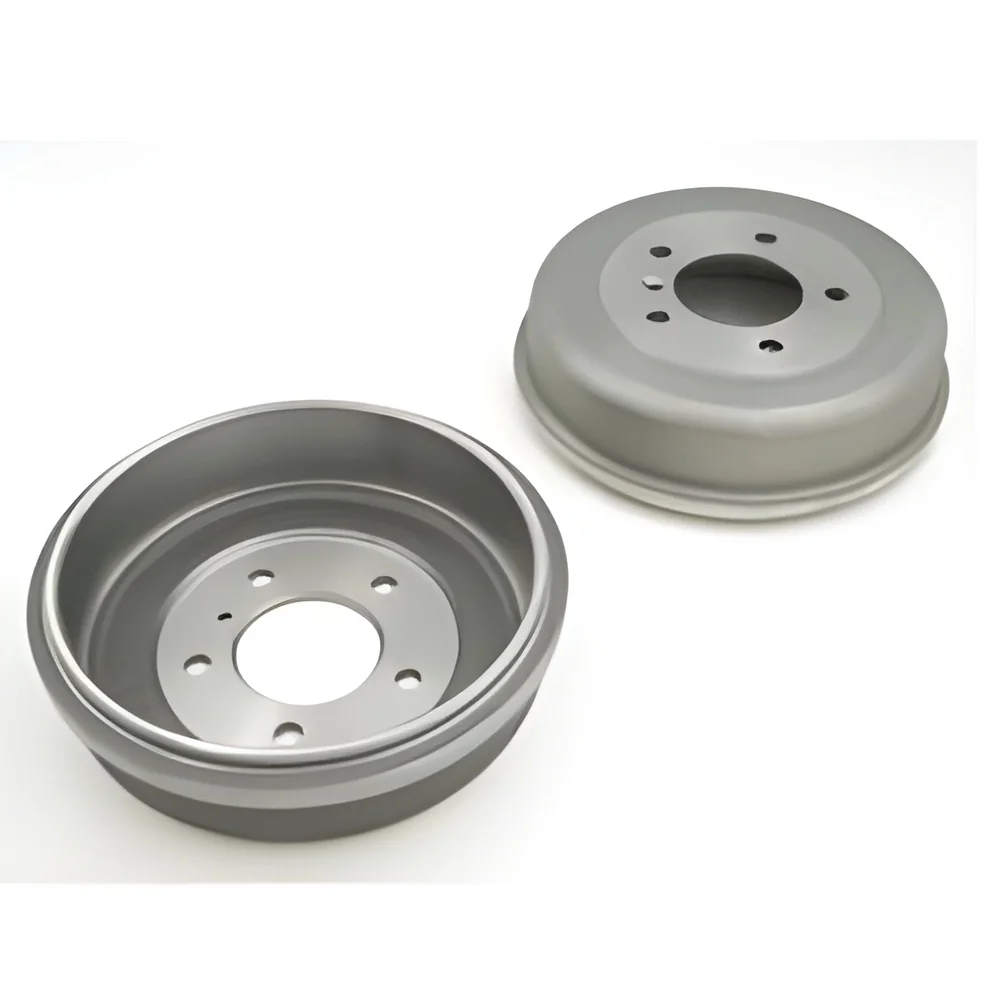
Brake drums are vital components used in various braking systems, primarily in vehicles and heavy machinery. They function by providing a surface for brake shoes to press against, generating friction that slows down or stops the vehicle. The design of brake drums allows for efficient heat dissipation and durability, ensuring safety and reliability in braking performance.
These components are commonly used in automotive, industrial, and commercial vehicles, including trucks, buses, and construction equipment. Brake drums are essential for maintaining vehicle control and safety, making them a critical part of any braking system. Their importance in the transportation and manufacturing sectors highlights their relevance in a wide range of industrial applications, underlining the demand for high-quality products in this market.
Key Features and Specifications
Brake drums are engineered with specific features and specifications to ensure optimal performance and safety. Understanding these key aspects is essential for selecting the right brake drums for your needs.
Key specifications include:
1. Material Composition
- Typically made from cast iron or aluminum alloys
- Provides durability and resistance to wear
2. Diameter
- Standard sizes range from 300mm to 500mm
- Ensures compatibility with various vehicle types
3. Thickness
- Generally varies between 6mm and 12mm
- Impacts strength and heat dissipation capabilities
4. Weight
- Average weight can range from 10kg to 50kg
- Influences vehicle load capacity and handling
5. Finish
- Available in both machined and unmachined finishes
- Affects installation and performance characteristics
6. Ventilation Design
- Some models feature ventilation for improved heat management
- Enhances braking performance under heavy use
7. Certification
- CE certified for safety and quality assurance
- Ensures compliance with industry standards
In summary, understanding the features and specifications of brake drums can help buyers make informed decisions, ensuring they select products that meet their operational requirements.
Common Applications and Use Cases
Brake drums are utilized in a variety of industries, showcasing their versatility and importance.
1. Automotive Industry: Brake drums are extensively used in passenger vehicles for reliable braking performance, contributing to overall vehicle safety.
2. Commercial Vehicles: Trucks and buses rely on brake drums to manage heavy loads, ensuring efficient stopping power in demanding conditions.
3. Construction Equipment: Heavy machinery such as excavators and bulldozers utilize brake drums for effective control and safety on job sites.
4. Agricultural Machinery: Tractors and other agricultural equipment depend on brake drums for reliable stopping capabilities while operating in diverse terrains.
5. Rail Transport: Brake drums are also employed in trains, providing essential braking power for safe operation across various rail systems.
6. Industrial Machinery: Equipment used in manufacturing and production processes often integrates brake drums for effective motion control.
7. Mining Equipment: Heavy-duty brake drums are crucial in mining vehicles, allowing for reliable braking under extreme conditions.
Product Variants and Subcategories
Brake drums come in various types to meet different operational needs and vehicle specifications.
Standard Brake Drums
These are the most common type used in passenger and commercial vehicles. They provide reliable performance and are available in various sizes and materials to cater to different applications.
Heavy-Duty Brake Drums
Designed for rugged use, these brake drums are built to withstand extreme conditions, making them ideal for construction and mining equipment. Their durability ensures long service life even under heavy loads.
Performance Brake Drums
These drums are engineered for enhanced braking performance, often featuring advanced materials and designs. They are popular in high-performance vehicles and racing applications where optimal stopping power is critical.
Benefits and Advantages
Brake drums offer several key benefits that make them a preferred choice in various applications.
1. Durability: Made from robust materials, brake drums withstand wear and tear, providing long-lasting performance.
2. Efficient Heat Dissipation: The design of brake drums allows for effective heat management, reducing the risk of brake fade during heavy use.
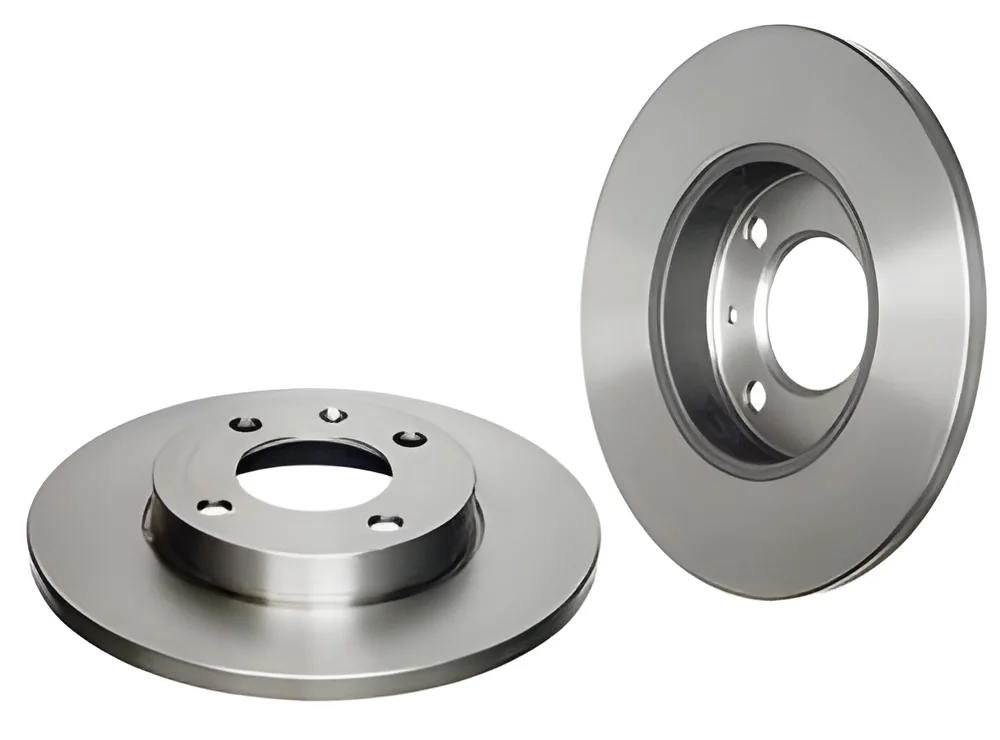
3. Cost-Effectiveness: Brake drums typically offer a lower replacement cost compared to disc brakes, making them a budget-friendly option for many businesses.
4. Reliable Performance: Brake drums deliver consistent braking power, ensuring safety across different vehicle types and conditions.
5. Easy Maintenance: Brake drums are generally straightforward to maintain, allowing for quick inspections and replacements as needed.
6. Compatibility: Available in various sizes and specifications, brake drums are compatible with a wide range of vehicles, enhancing their usability across industries.
Buying Guide for B2B Buyers
When sourcing brake drums, businesses should consider several important factors to ensure they select the right products for their needs.
1. Quality Assessment: It is crucial to evaluate the quality of the brake drums. Look for products that meet industry standards and have been thoroughly tested for reliability and safety.
2. Supplier Verification: Vetting suppliers is essential. Choose manufacturers with a proven track record and positive customer reviews to ensure you receive quality products.
3. Pricing and MOQ: Understand the pricing structure and minimum order quantities (MOQs) from suppliers. This helps in budgeting and ensures that you can meet your operational needs.
4. Delivery and Lead Times: Check the logistics and estimated lead times for delivery. Timely delivery can be critical for maintaining production schedules.
5. Compliance Requirements: Ensure that the brake drums comply with relevant regulations and safety standards. This includes certifications like CE, which can affect marketability and safety.
Compliance and Certifications
Brake drums must adhere to various compliance and certification standards to ensure safety and quality.
Relevant quality standards include ISO 9001, which emphasizes quality management systems and consistency in manufacturing processes. Adhering to this standard helps in maintaining product reliability.
Industry certifications such as CE signify that the products meet European safety, health, and environmental protection standards. This is crucial for companies looking to operate within regulated markets.
Safety and testing requirements are also vital. Brake drums undergo rigorous testing to ensure they can withstand the demands of heavy use without compromising safety.
Regional compliance considerations may vary. It is essential for manufacturers and suppliers to be aware of local regulations that govern braking systems in different markets, ensuring that their products are compliant.
Why Source Brake Drums from Pepagora?
Pepagora offers a trusted platform for sourcing brake drums, providing numerous advantages for businesses.
Verified Supplier Network: Pepagora connects buyers with a network of verified suppliers, ensuring that you can find high-quality brake drums that meet your specifications. The verification process helps to eliminate risks associated with sourcing.
Streamlined RFQ Process: The platform features an efficient Request for Quotation (RFQ) system, allowing buyers to easily request quotes from multiple suppliers. This simplifies the procurement process and enhances decision-making.
Trade Assurance and Support: Pepagora offers trade assurance, providing buyers with protection during transactions. This support helps to build trust and ensures that you receive products as promised.
Regional Coverage: With a strong presence in India, the GCC, and Southeast Asia, Pepagora provides broad geographic reach. This enables businesses to source brake drums from a variety of locations, ensuring access to competitive pricing and diverse product options.

 India
 India
 India
 India
 India
 India
 India
 India
 India
 India
 India
 India
 India
 India
 India
 India
 India

 India
Frequently Asked Questions
What are Brake Drums?
Brake drums are essential components of a vehicle's braking system, designed to provide a surface for the brake shoes to press against, creating friction to slow down or stop the vehicle. They are typically made from cast iron or aluminum and are used in various types of vehicles, including cars, trucks, and buses.
What are the different types of Brake Drums?
There are primarily two types of brake drums: solid and ventilated. Solid brake drums are typically found in older vehicles, while ventilated brake drums have slots or holes to improve cooling and reduce brake fade, making them more common in modern vehicles.
How do I choose the right Brake Drums?
To choose the right brake drums, consider factors such as the vehicle make and model, weight load, and driving conditions. It is also important to consult with manufacturers or suppliers to ensure compatibility and performance standards are met.
What are the standard specifications for Brake Drums?
Standard specifications for brake drums typically include diameter, width, and material composition. Additionally, specifications may cover performance metrics such as heat resistance and wear characteristics, which are crucial for ensuring optimal braking performance.
What is the price range for Brake Drums?
The price range for brake drums can vary widely based on the type, material, and manufacturer, typically ranging from INR 1,000 to INR 15,000 per piece. Bulk purchases may offer discounts, and prices can also differ among suppliers.
What quality standards apply to Brake Drums?
Brake drums must adhere to specific quality standards such as ISO 9001 or TS 16949, which ensure consistent manufacturing processes and product reliability. Additionally, they should meet performance standards set by automotive regulatory bodies.
Where can I find Brake Drums suppliers in India?
You can find brake drums suppliers in India through B2B marketplaces like Pepagora, industry trade shows, and automotive parts directories. Online platforms provide a comprehensive list of manufacturers and suppliers, facilitating easy comparison and sourcing.
Can Brake Drums be customized?
Yes, brake drums can be customized based on specific requirements such as size, material, and performance characteristics. Many manufacturers offer customization options to meet the unique needs of different vehicles and applications.
What is the typical minimum order quantity for Brake Drums?
The typical minimum order quantity (MOQ) for brake drums can vary by supplier but generally ranges from 50 to 100 pieces. It is advisable to check with individual manufacturers for their specific MOQ policies.
What is the typical lead time for Brake Drums?
The typical lead time for brake drums can range from 2 to 6 weeks, depending on the supplier's inventory, manufacturing capabilities, and order volume. It is recommended to confirm lead times directly with the supplier to avoid delays.
Why Businesses Trust Pepagora
Thousands of companies trust Pepagora to source smarter and sell faster
Expand Your Sales Globally

Source Smarter,Grow Faster
