IN
IN₹
Apparel & Fashion
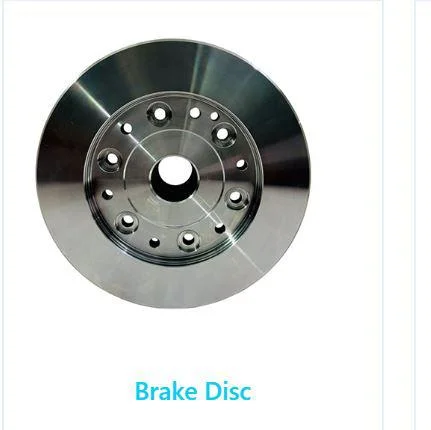
Description
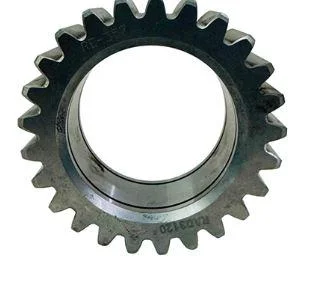
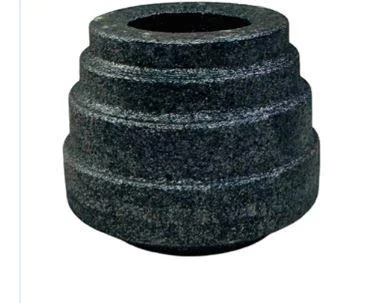
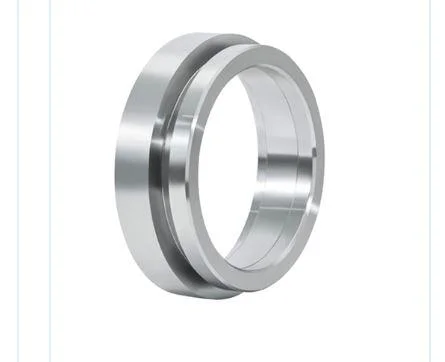
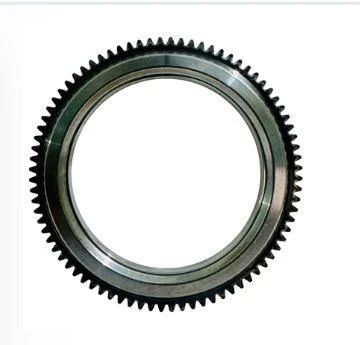
A brake disc, commonly referred to as a rotor, is a vital circular metal component within disc brake systems, designed to work in tandem with brake pads to decelerate or halt vehicle wheels by converting kinetic energy into thermal energy through friction. Attached securely to the wheel hub, it rotates synchronously with the wheel and, when brakes are applied, withstands intense clamping force from the pads. This interaction generates the necessary friction to slow rotation, enabling safe stopping. Manufactured from high-grade materials like cast iron or advanced composites, these discs are built for exceptional durability and efficient heat dissipation, which is crucial to prevent brake fade and maintain consistent performance. Their robust construction ensures they can endure repeated thermal cycling and mechanical stress, making them indispensable for vehicle safety, control, and operational reliability in diverse driving conditions.

Brake discs are utilized across a wide spectrum ...
A brake disc, commonly referred to as a rotor, is a vital circular metal component within disc brake systems, designed to work in tandem with brake pads to decelerate or halt vehicle wheels by converting kinetic energy into thermal energy through friction. Attached securely to the wheel hub, it rotates synchronously with the wheel and, when brakes are applied, withstands intense clamping force from the pads. This interaction generates the necessary friction to slow rotation, enabling safe stopping. Manufactured from high-grade materials like cast iron or advanced composites, these discs are built for exceptional durability and efficient heat dissipation, which is crucial to prevent brake fade and maintain consistent performance. Their robust construction ensures they can endure repeated thermal cycling and mechanical stress, making them indispensable for vehicle safety, control, and operational reliability in diverse driving conditions.

Brake discs are utilized across a wide spectrum of industries where reliable braking is non-negotiable for safety and efficiency. In the automotive sector, they are standard in passenger cars, motorcycles, and commercial vehicles like trucks and buses, providing dependable stopping power for daily transit and freight transport. The racing and high-performance vehicle industry relies on specialized discs that offer enhanced heat resistance and reduced weight to support aggressive driving and rapid deceleration. Beyond transportation, industrial applications include heavy machinery such as construction equipment, agricultural vehicles, and material handling systems, where precise braking ensures operator safety and process control. Emerging fields like electric and hybrid vehicles also depend on advanced brake discs that complement regenerative braking systems, highlighting their adaptability and critical role in modern mobility and industrial operations.

The business value of high-quality brake discs lies in their direct contribution to operational safety, reduced downtime, and long-term cost savings for fleets and machinery operators. By investing in reliable discs, businesses minimize the risk of brake failure-related accidents, enhance driver and public safety, and avoid costly repairs or liability issues. These components are engineered for longevity and consistent performance, which translates to fewer replacements and lower maintenance costs over time, supporting better total cost of ownership. Their reliability under extreme conditions—such as high loads, frequent stops, or variable temperatures—ensures uninterrupted operations in demanding environments like logistics, construction, and public transit. Customization options further allow businesses to tailor discs to specific vehicle models or operational needs, optimizing compatibility and performance while strengthening supply chain partnerships through dependable, fit-for-purpose solutions.

Key Features:
- Manufactured from high-grade cast iron or composite materials for superior strength and durability.
- Advanced heat dissipation design to minimize brake fade and ensure consistent performance.
- Precision engineering for smooth, vibration-free operation and reliable stopping power.
- Customizable dimensions and specifications to fit various vehicle and machinery requirements.
- Robust construction capable of withstanding high thermal and mechanical stress cycles.

Benefits:
- Enhanced vehicle safety and control through reliable, fade-resistant braking performance.
- Reduced maintenance frequency and lower long-term operational costs due to extended lifespan.
- Compatibility with a wide range of applications, from passenger cars to industrial equipment.
- Improved heat management that protects braking systems and surrounding components.
- Trusted reliability that supports business continuity and minimizes downtime risks.
Specifications
| Additional Information | |
|---|---|
| Country of Origin | India |
Application
Brake discs are essential components in automotive and industrial braking systems, providing the friction surface needed to safely slow or stop moving vehicles and machinery. They are engineered to handle high thermal loads and mechanical stress, ensuring consistent performance under demanding conditions across diverse applications. These discs are critical for maintaining operational safety and efficiency in both on-road and off-road environments, supporting everything from daily commutes to heavy-duty industrial operations.
Industries ranging from automotive manufacturing to construction and logistics rely on robust brake discs for their equipment and fleets. They are used in passenger vehicles, commercial transportation, racing, industrial machinery, and emerging electric vehicle platforms. Each sector demands specific performance characteristics, such as heat resistance, longevity, and compatibility with various brake systems, making high-quality discs a universal necessity for safety and reliability. Real-world applications:
Real-world applications:
- Passenger cars and motorcycles for everyday road safety and reliable stopping power.
- Commercial trucks and buses ensuring secure cargo and passenger transport.
- High-performance racing vehicles requiring superior heat management and fade resistance.
- Industrial machinery like cranes and lifts for controlled, safe operation.
- Electric and hybrid vehicles supporting regenerative braking and efficient energy use.
Trade Details
| Available Stock | In Stock |
| Sample Availability | No |
Payment Terms
| Payment Terms |
|
Company Profile

SAI AUTO & FORGE PVT LTD, Gujarat
 Gujarat, India
Gujarat, IndiaIndustrial Equipment & Machinery•Manufacturer•Distributor / Wholesaler
Factory Details
Factory SizeBelow 1000 sqm
High Performance Brake Discs For Vehicle Safety And Durability
High-performance brake discs for reliable vehicle safety and control. Engineered for superior heat dissipation and durability across passenger cars, commercial trucks, and industrial machinery. Trusted by B2B buyers for quality and customization.
Min. Order Quantity: 1
Shipping
Shipping fee and delivery date to be negotiated. Contact supplier now for more details.
SAI AUTO & FORGE PVT LTD
 Gujarat, India
Gujarat, IndiaIndustrial Equipment & MachineryManufacturer