
 IN
Anti-Static Containers
14 products available
What are Anti-Static Containers?
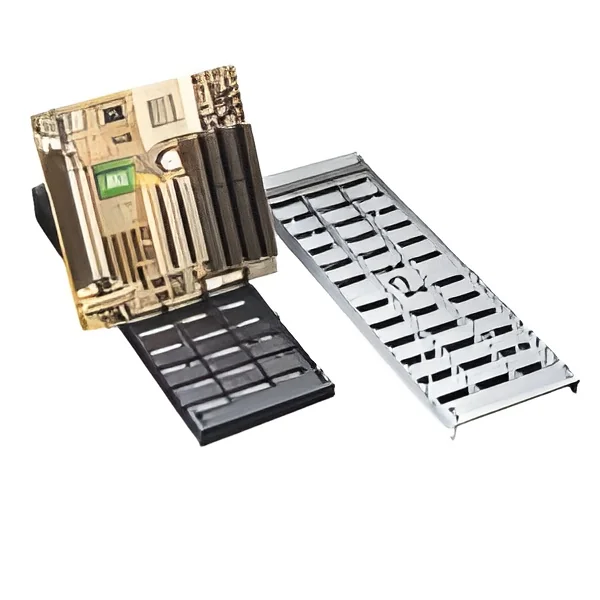
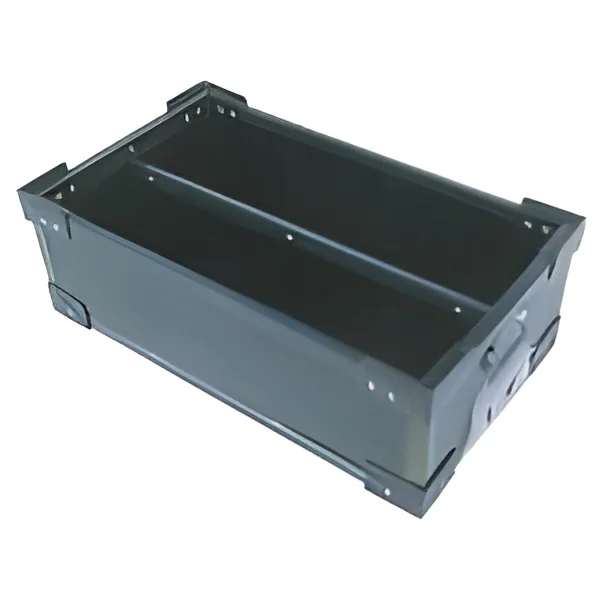
Anti-Static Containers are specialized storage and transport solutions designed to prevent the build-up of static electricity. These containers are made from materials that have anti-static properties, which help to mitigate the risk of electrostatic discharge (ESD). This is critical in environments where sensitive electronic components or products are handled, as static electricity can lead to product damage or malfunction.
The primary uses of Anti-Static Containers are found in industries such as electronics manufacturing, pharmaceuticals, and automotive. These containers are essential for safely storing electronic parts, circuit boards, and other ESD-sensitive items during production, transportation, and storage. By utilizing Anti-Static Containers, businesses can enhance their operational efficiency and reduce the likelihood of costly errors related to static-induced failures.
In today’s market, the relevance of Anti-Static Containers spans various sectors where electronic components are prevalent. With the rapid advancement of technology and increasing production of electronic goods, the demand for reliable anti-static solutions is on the rise. Companies are increasingly recognizing the importance of investing in quality Anti-Static Containers to safeguard their products and maintain high standards of quality control.
Key Features and Specifications
Anti-Static Containers come equipped with a range of features designed to enhance their functionality and effectiveness. These features ensure that the containers meet the specific needs of various industries while adhering to safety standards.
Key specifications include:
1. Material Composition
- Made from high-quality anti-static plastic or composite materials.
- Provides durability and resistance to impact.
2. ESD Protection Level
- Designed to prevent electrostatic discharge with a resistance range typically between 10^6 to 10^9 ohms.
- Ensures safe handling of sensitive electronic components.
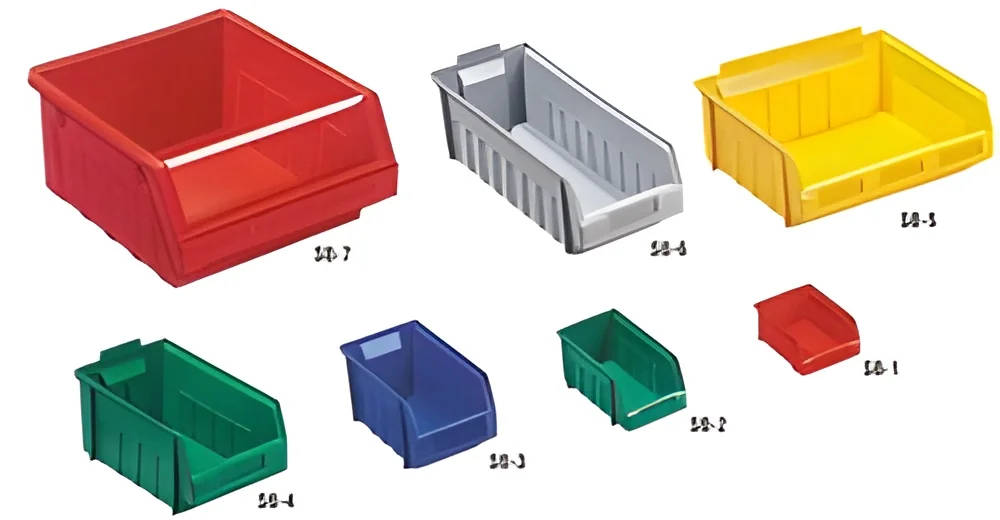
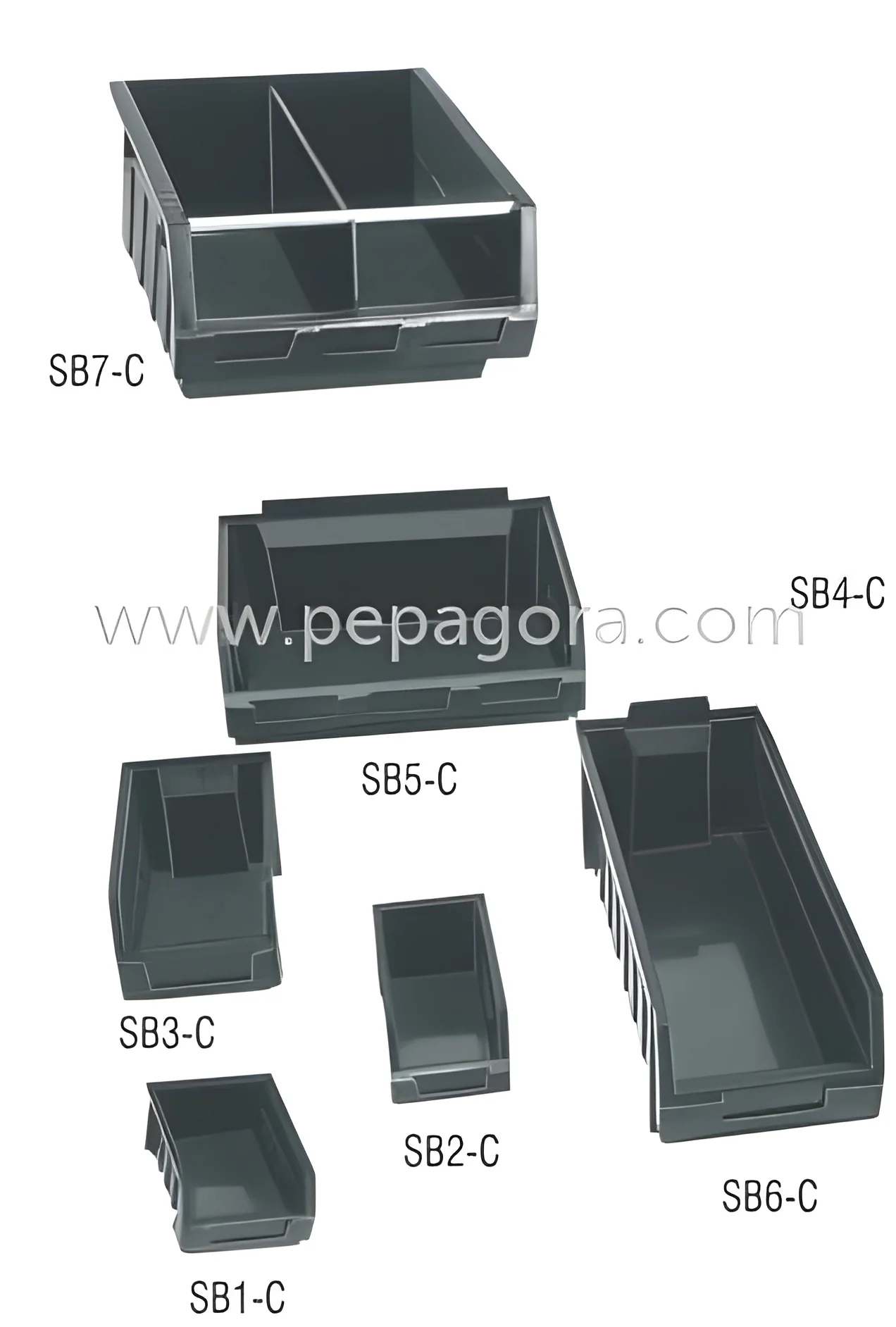
3. Size Variations
- Available in multiple sizes to accommodate different types of products.
- Custom sizes may also be available for specific applications.
4. Design Features
- May include stackable designs for efficient storage.
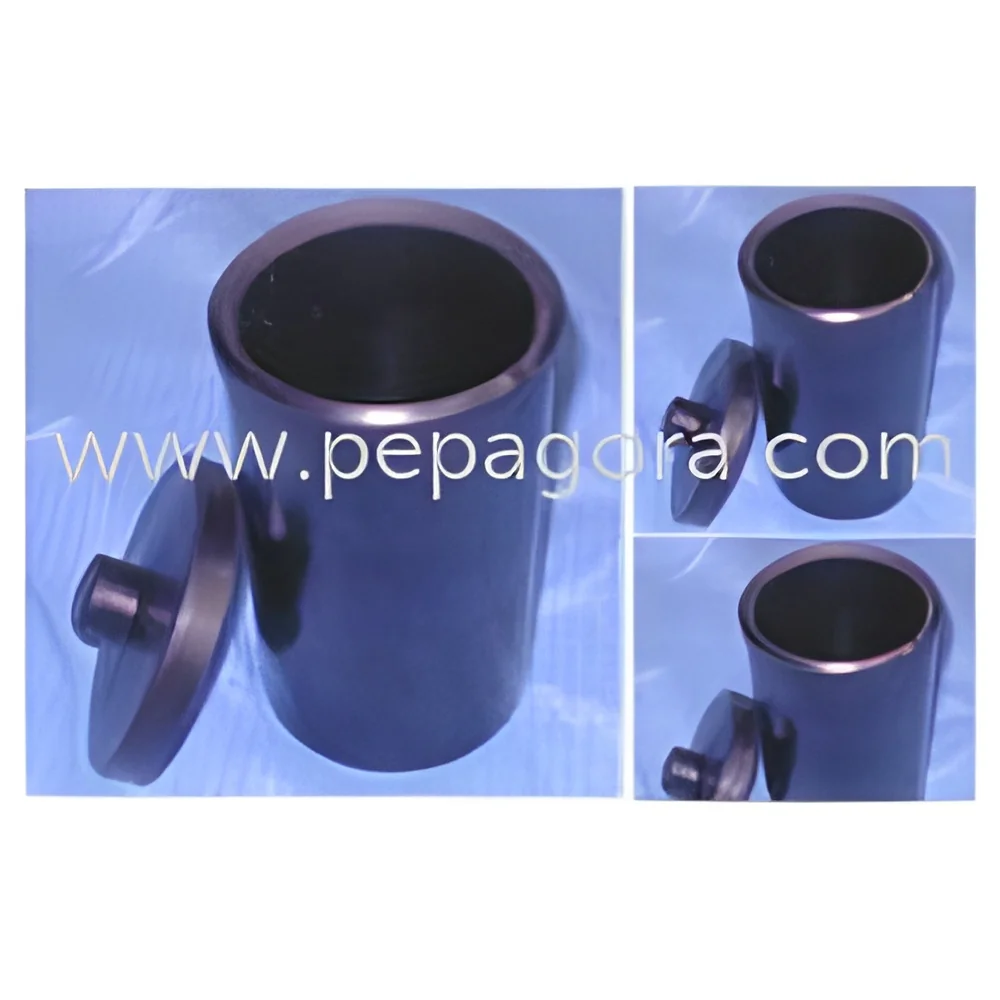
- Some variants feature lids or covers for added protection.
5. Temperature Resistance
- Suitable for a range of temperatures, though specific data not available.
- Ideal for environments with fluctuating temperatures.
6. Humidity Control
- Some containers come with humidity control features, though data not available.
- Helps maintain optimal conditions for sensitive materials.
7. Compliance Standards
- Manufactured in accordance with relevant safety and quality standards.
- Many products are CE certified for market compliance.
8. Monitoring Features
- Certain models may include monitoring features, though specific data not available.
- Enhances the ability to track environmental conditions during storage.
In summary, the key features and specifications of Anti-Static Containers highlight their importance in preventing static-related damages. The right combination of materials, design, and compliance ensures that these containers meet the diverse needs of various industries.
Common Applications and Use Cases
Anti-Static Containers serve a wide range of industries, providing essential protection for sensitive components during storage and transport.
1. Electronics Manufacturing: In this sector, Anti-Static Containers are crucial for storing circuit boards and electronic assemblies. They help prevent static discharge that can compromise the integrity of electronic components.
2. Pharmaceuticals: The pharmaceutical industry uses these containers to store components and products that are sensitive to environmental conditions. They ensure that medications and other sensitive items remain uncontaminated.
3. Automotive: In automotive manufacturing, Anti-Static Containers are employed to handle electronic parts and assemblies. They protect against static damage during production and assembly processes.
4. Aerospace: The aerospace industry relies on Anti-Static Containers to store and transport sensitive electronic systems and components used in aircraft, ensuring they remain functional and safe.
5. Telecommunications: These containers are vital in the telecommunications industry for storing and transporting sensitive electronic devices that require protection from static electricity.
6. Laboratory Research: In laboratories, Anti-Static Containers are used to protect delicate instruments and samples from static that could interfere with results.
7. Food Packaging: Some food packaging applications utilize anti-static properties to ensure that packaging materials do not attract dust or particles that could contaminate food products.
Product Variants and Subcategories
Anti-Static Containers come in various forms, catering to different industry needs and applications.
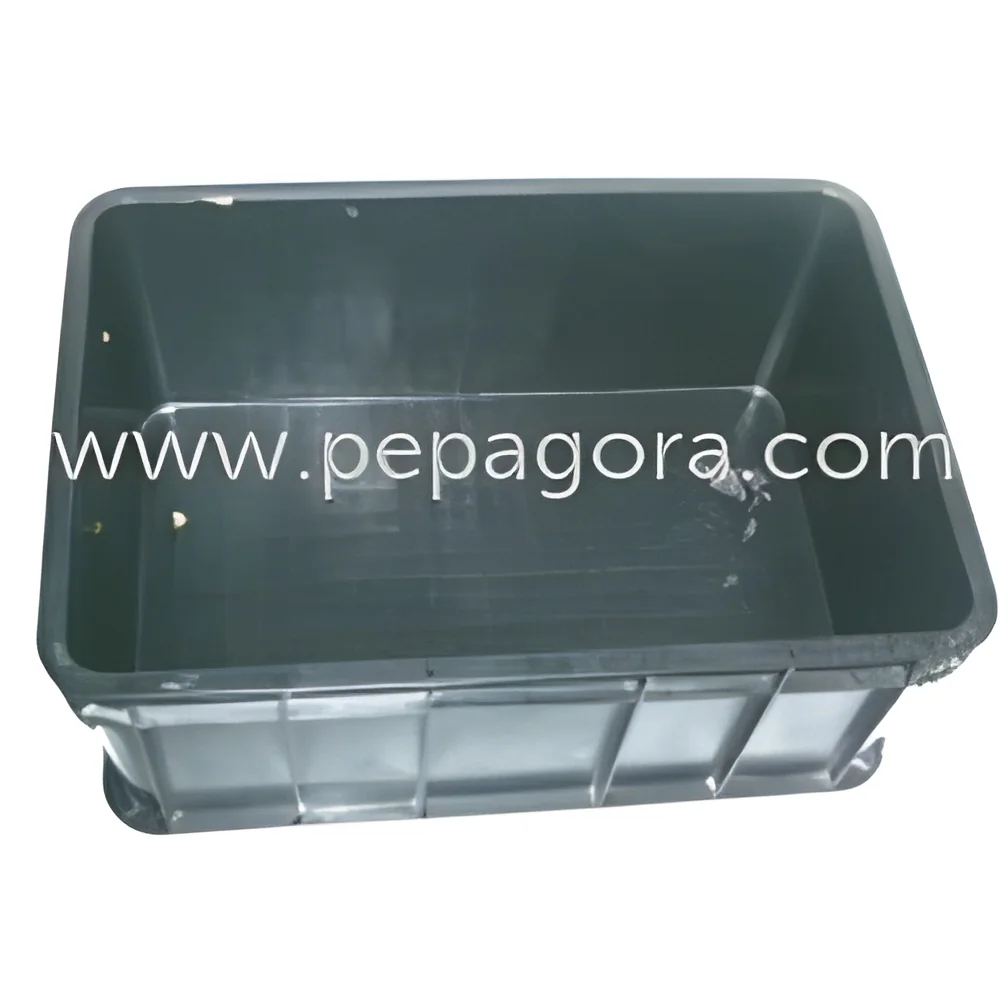
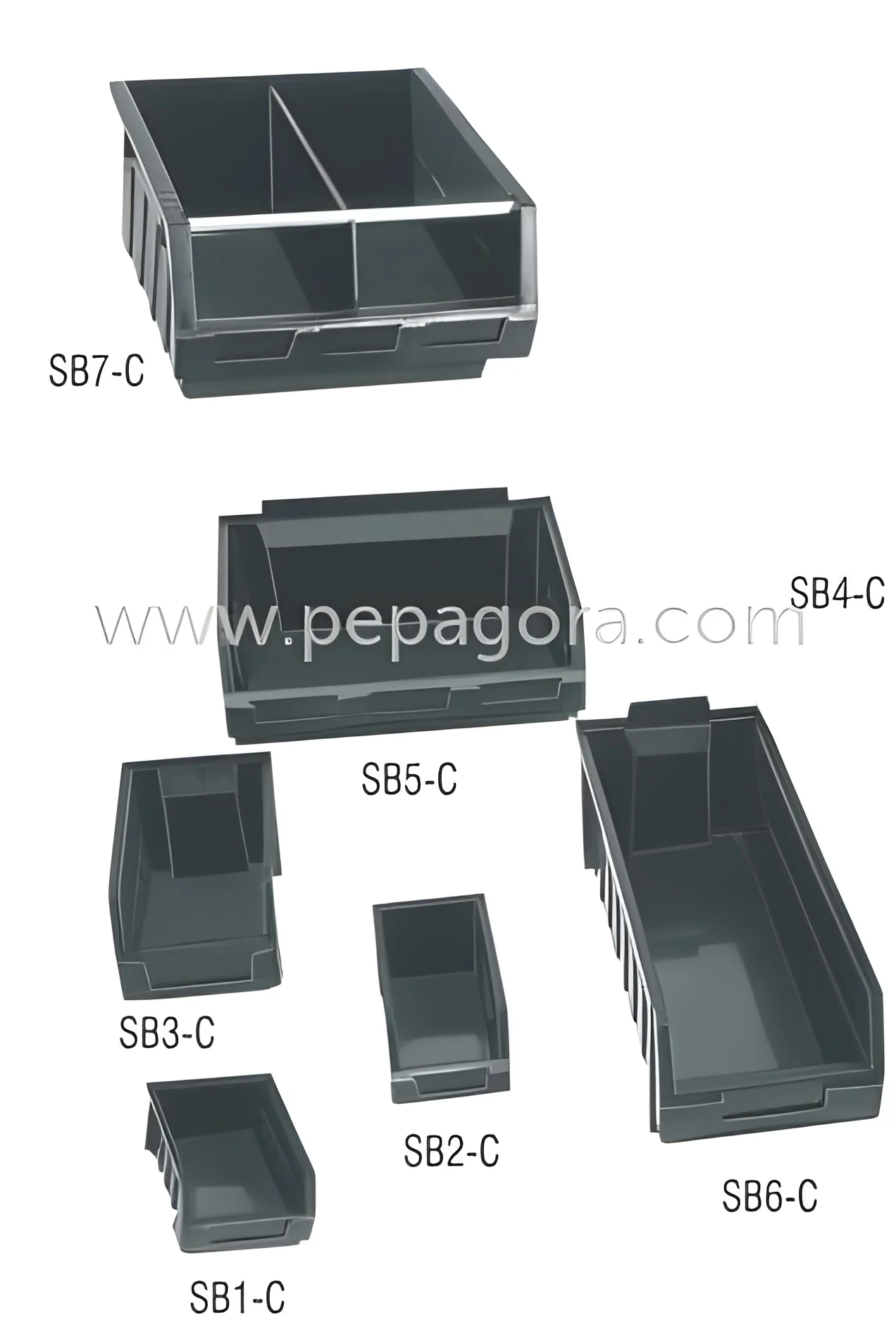
Standard Anti-Static Containers: These are the most common type, designed primarily for general use in various industries. They offer basic protection against static electricity and are available in multiple sizes.
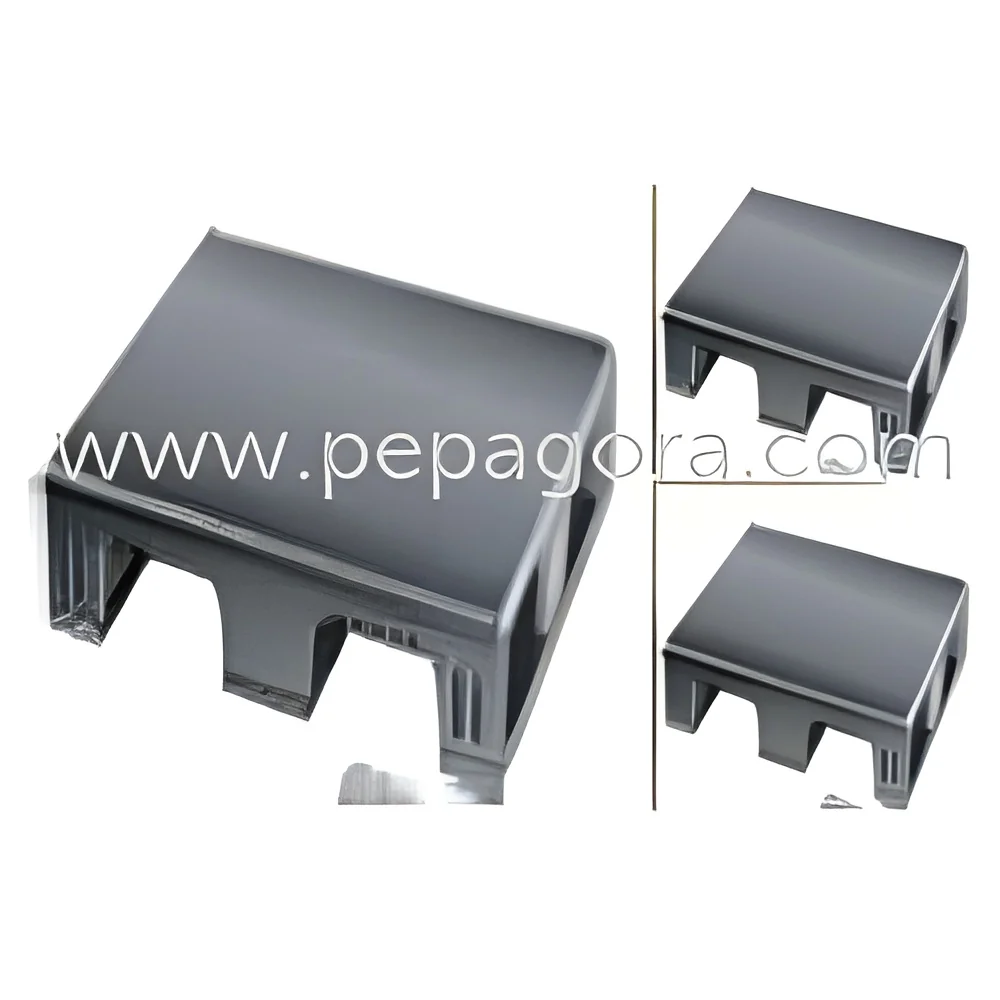
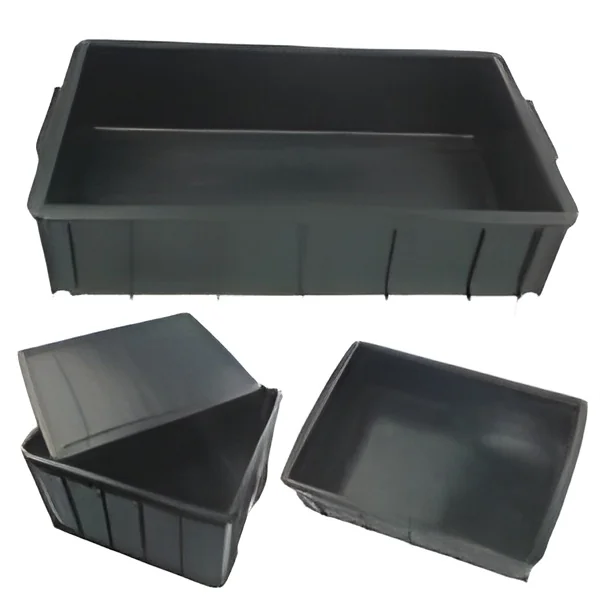
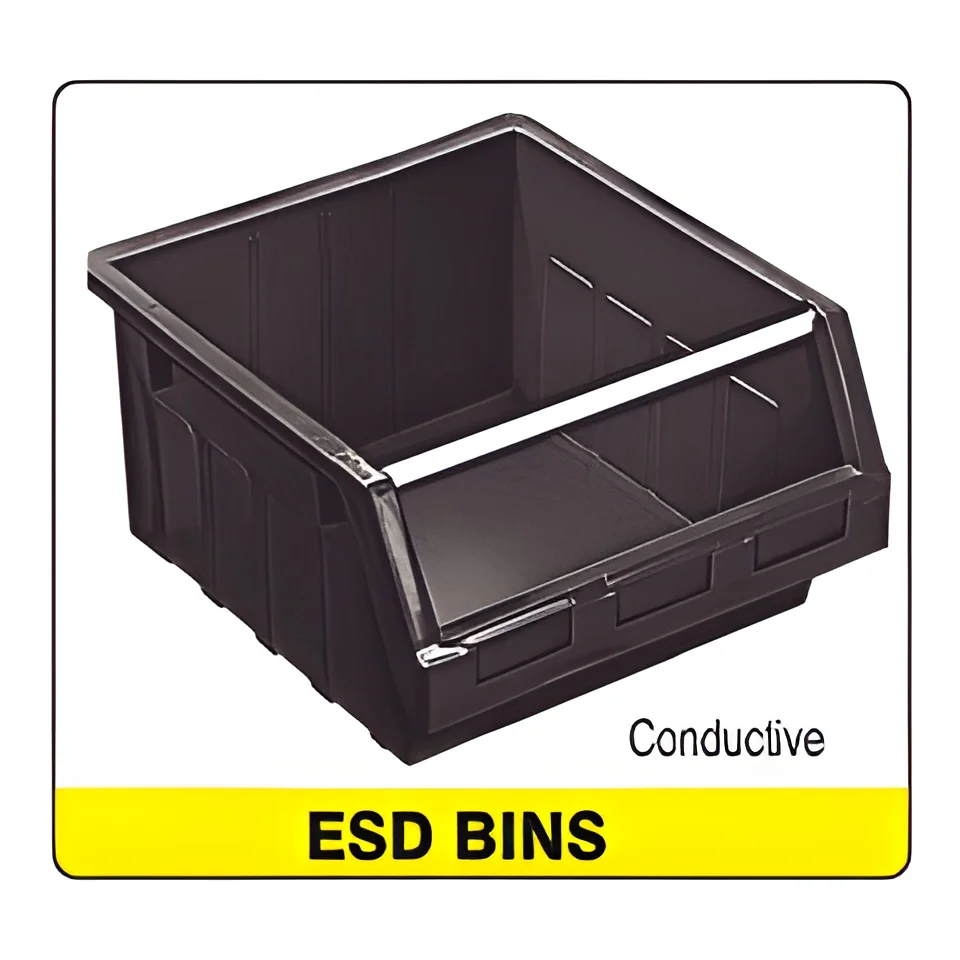
ESD Safe Bins: These bins are specifically designed for more rigorous applications. They not only prevent electrostatic discharge but also provide enhanced durability and stackability for efficient storage.
Custom Anti-Static Solutions: Some manufacturers offer customized Anti-Static Containers tailored to specific requirements. These solutions may include unique sizes, shapes, and additional features for specialized applications.
Benefits and Advantages
Using Anti-Static Containers provides several key advantages for businesses handling sensitive electronic components.
1. Enhanced Protection: These containers significantly reduce the risk of electrostatic discharge, protecting valuable components from damage.
2. Improved Efficiency: By utilizing Anti-Static Containers, businesses streamline their storage and transport processes, reducing the likelihood of errors and improving operational efficiency.
3. Compliance Assurance: These products help companies meet industry standards and regulations, ensuring they maintain quality control and safety in their operations.
4. Durability: Anti-Static Containers are made from robust materials, providing long-lasting performance even in demanding environments.
5. Versatility: Available in various sizes and designs, these containers can be used across multiple industries, making them a versatile solution for many applications.
6. Cost Savings: By preventing damage to sensitive components, businesses can save on replacement costs and maintain higher productivity levels.
Buying Guide for B2B Buyers
When sourcing Anti-Static Containers, it is essential to consider several key factors to ensure that you select the right solution for your needs.
1. Quality Assessment: Look for containers made from high-quality anti-static materials that comply with industry standards. Evaluate certifications such as CE to ensure reliability.
2. Supplier Verification: Vet potential suppliers to confirm their reputation and reliability. Check for reviews, ratings, and industry experience to ensure you are working with a trusted partner.
3. Pricing and MOQ: Understand the pricing structure and minimum order quantity (MOQ) for the containers. This helps in budgeting and ensures you have sufficient supply for your requirements.
4. Delivery and Lead Times: Inquire about delivery schedules and lead times to ensure that your orders arrive when needed. This is critical for maintaining operational continuity.
5. Compliance Requirements: Ensure that the containers meet all relevant compliance and safety regulations specific to your industry. This might include quality certifications and safety standards.
Compliance and Certifications
Anti-Static Containers must adhere to various quality standards and certifications to ensure safety and performance.
Relevant quality standards include ISO 9001, which outlines requirements for a quality management system. Compliance with HACCP (Hazard Analysis Critical Control Point) and GDP (Good Distribution Practice) may also be necessary in industries such as pharmaceuticals.
Industry certifications, particularly CE certification, indicate that the containers meet European safety standards. This is important for businesses looking to operate within or export to the European market.
Safety and testing requirements ensure that Anti-Static Containers can withstand conditions that may lead to static build-up, providing assurance to manufacturers about their effectiveness. Additionally, regional compliance considerations may vary, necessitating awareness of local regulations that govern the use of such containers.
Why Source Anti-Static Containers from Pepagora?
Pepagora offers a reliable platform for sourcing Anti-Static Containers, providing several advantages for businesses.
Verified Supplier Network: Pepagora maintains a network of verified suppliers who meet strict quality and compliance standards. This ensures that buyers have access to high-quality products from reputable sources.
Streamlined RFQ Process: The platform simplifies the request for quotation process, allowing buyers to easily compare options and receive competitive pricing from multiple suppliers.
Trade Assurance and Support: Pepagora provides trade assurance features that protect buyers throughout the purchasing process. This includes support for resolving disputes and ensuring product quality.
Regional Coverage: With a strong presence in India, the GCC, and Southeast Asia, Pepagora caters to a diverse range of businesses, ensuring that buyers can find the right Anti-Static Containers tailored to their regional needs.

Frequently Asked Questions
What are Anti-Static Containers?
Anti-Static Containers are specially designed packaging solutions that prevent the build-up of static electricity. They are commonly used for storing and transporting electronic components and sensitive materials that can be damaged by static discharge.
What are the different types of Anti-Static Containers?
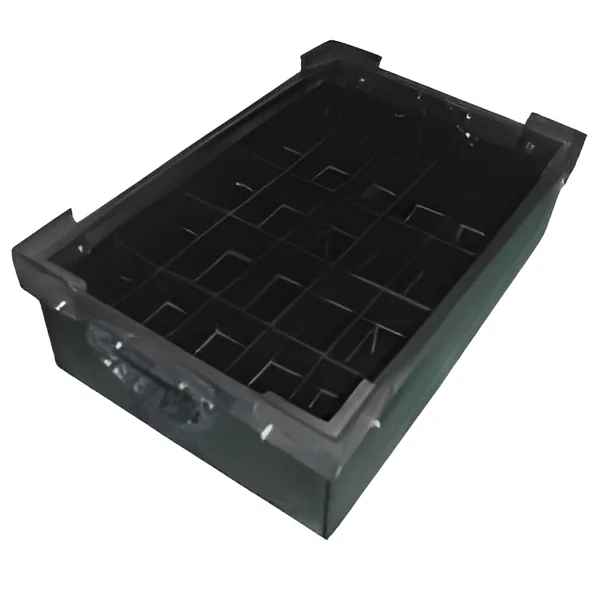
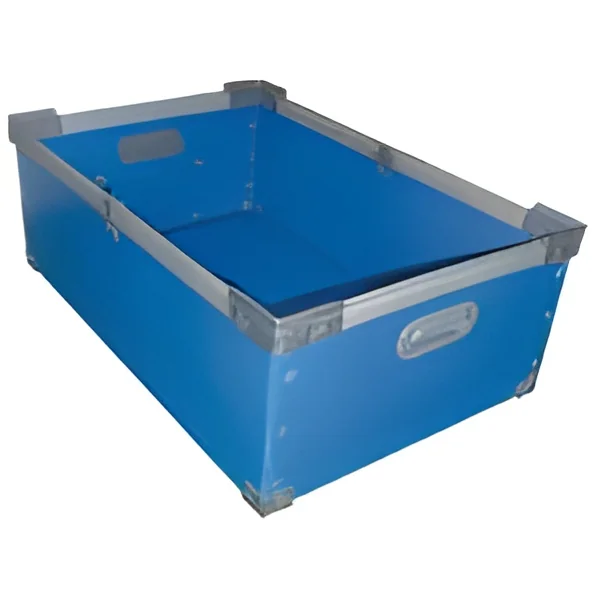
There are several types of Anti-Static Containers, including bins, totes, trays, and boxes. Each type is designed for specific applications and can vary in size, shape, and material to accommodate different needs.
How do I choose the right Anti-Static Containers?
To choose the right Anti-Static Containers, consider the type of materials you will store, the environment in which they will be used, and any specific size or shape requirements. Additionally, assess the level of static protection required based on the sensitivity of the items.
What are the standard specifications for Anti-Static Containers?
Standard specifications for Anti-Static Containers typically include material composition, electrostatic discharge (ESD) protection levels, and physical dimensions. It's important to verify that the containers meet industry standards for ESD safety.
What is the price range for Anti-Static Containers?
The price range for Anti-Static Containers can vary widely depending on the type, size, and manufacturer. Generally, prices can start from a few hundred rupees and go up to several thousand rupees for bulk orders or specialized designs.
What quality standards apply to Anti-Static Containers?
Anti-Static Containers must adhere to quality standards such as ASTM D257 for electrical resistivity and IEC 61340 for ESD control. Manufacturers often comply with international standards to ensure product reliability and safety.
Where can I find Anti-Static Containers suppliers in India?
You can find Anti-Static Containers suppliers in India through B2B marketplaces like Pepagora.com, trade shows, and industry-specific directories. It's advisable to compare multiple suppliers to find the best options.
Can Anti-Static Containers be customized?
Yes, many manufacturers offer customization options for Anti-Static Containers. Customizations can include size, color, and additional features such as labeling or specific designs to meet particular industry needs.
What is the typical minimum order quantity for Anti-Static Containers?
The typical minimum order quantity (MOQ) for Anti-Static Containers varies by supplier and can range from a few units to several hundred. It's best to check with specific suppliers for their MOQ policies.
What is the typical lead time for Anti-Static Containers?
The typical lead time for Anti-Static Containers can vary based on the order size and customization requirements. Generally, lead times can range from a few days to several weeks, depending on supplier capabilities.
Why Businesses Trust Pepagora
Thousands of companies trust Pepagora to source smarter and sell faster
Expand Your Sales Globally

Source Smarter,Grow Faster
