
 IN
Air Dryers (Refrigerated, Desiccant)
99 products available
Key Features and Specifications
Air dryers come equipped with several key features that enhance their performance and reliability. Understanding these specifications is vital for selecting the right model for specific industrial needs.
Key specifications include:
1. Drying Technology
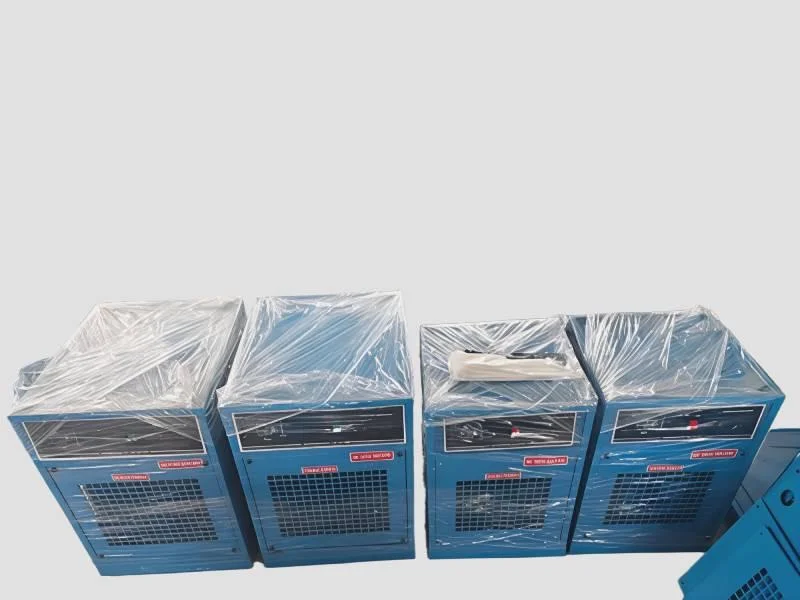
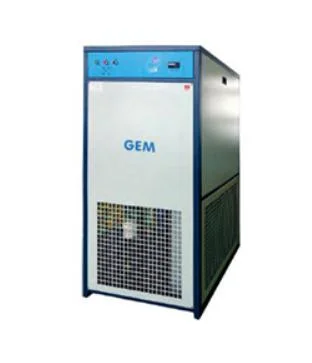
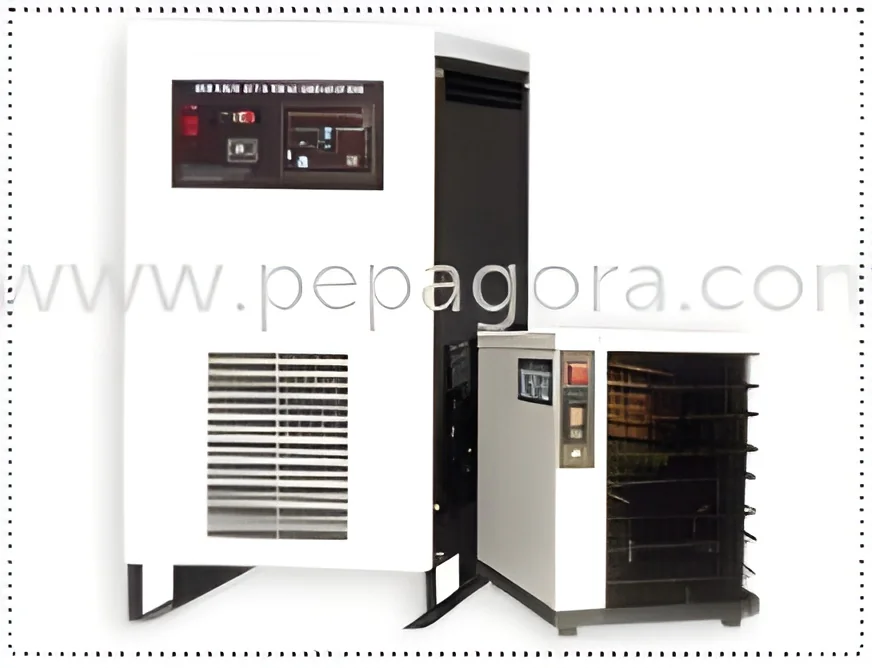
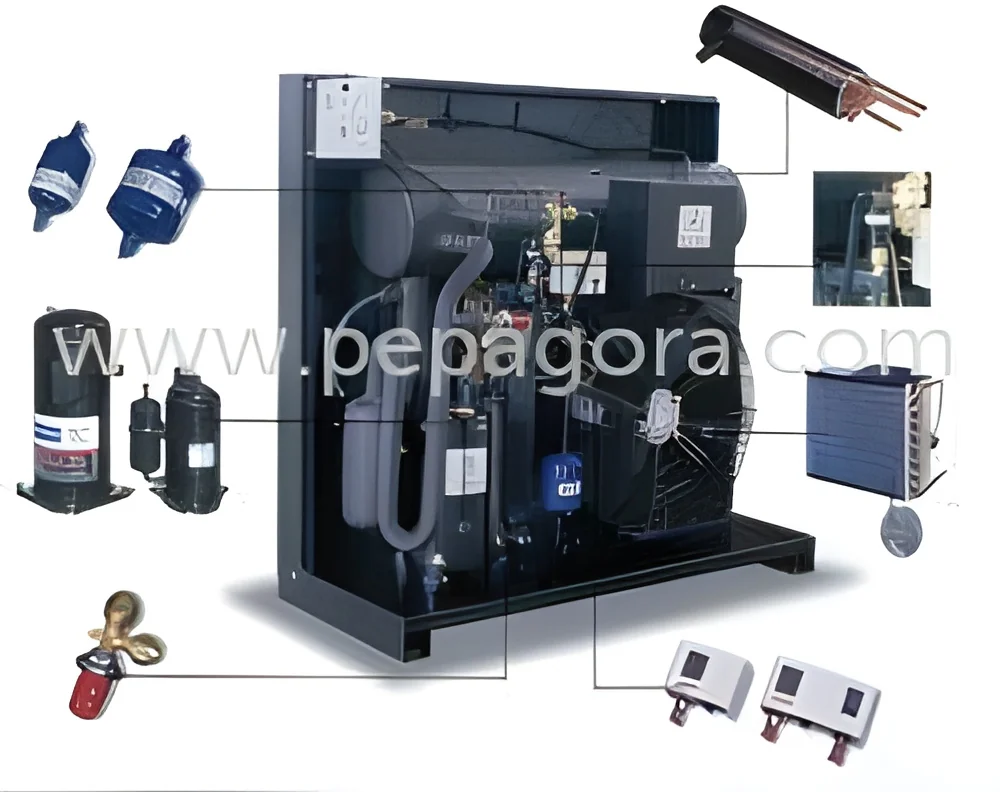
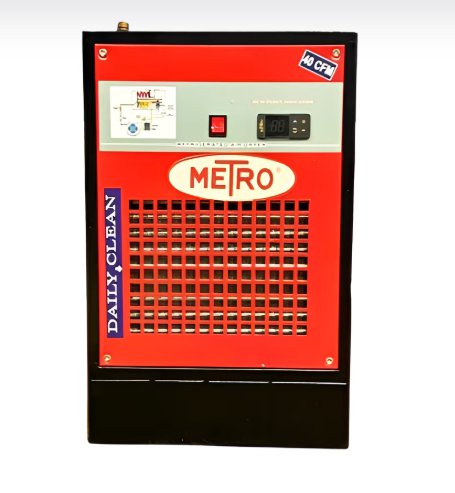
- Refrigerated air dryers use cooling to condense moisture.
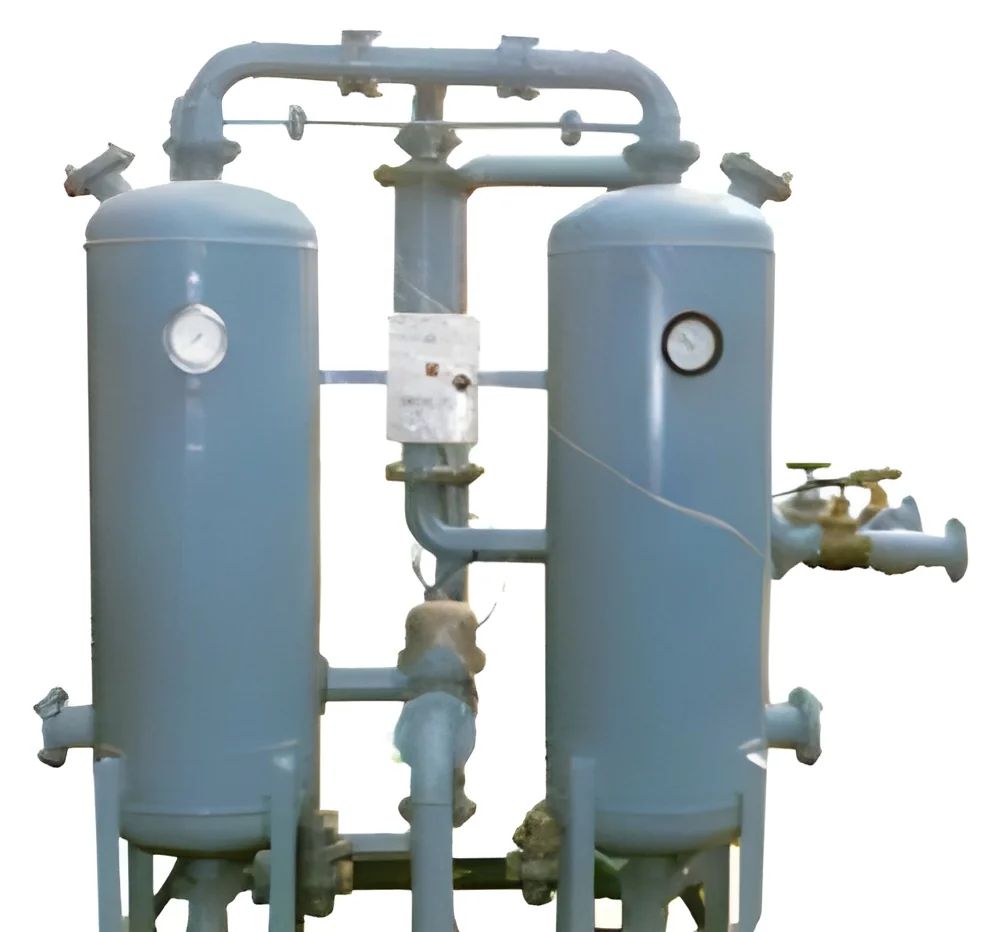
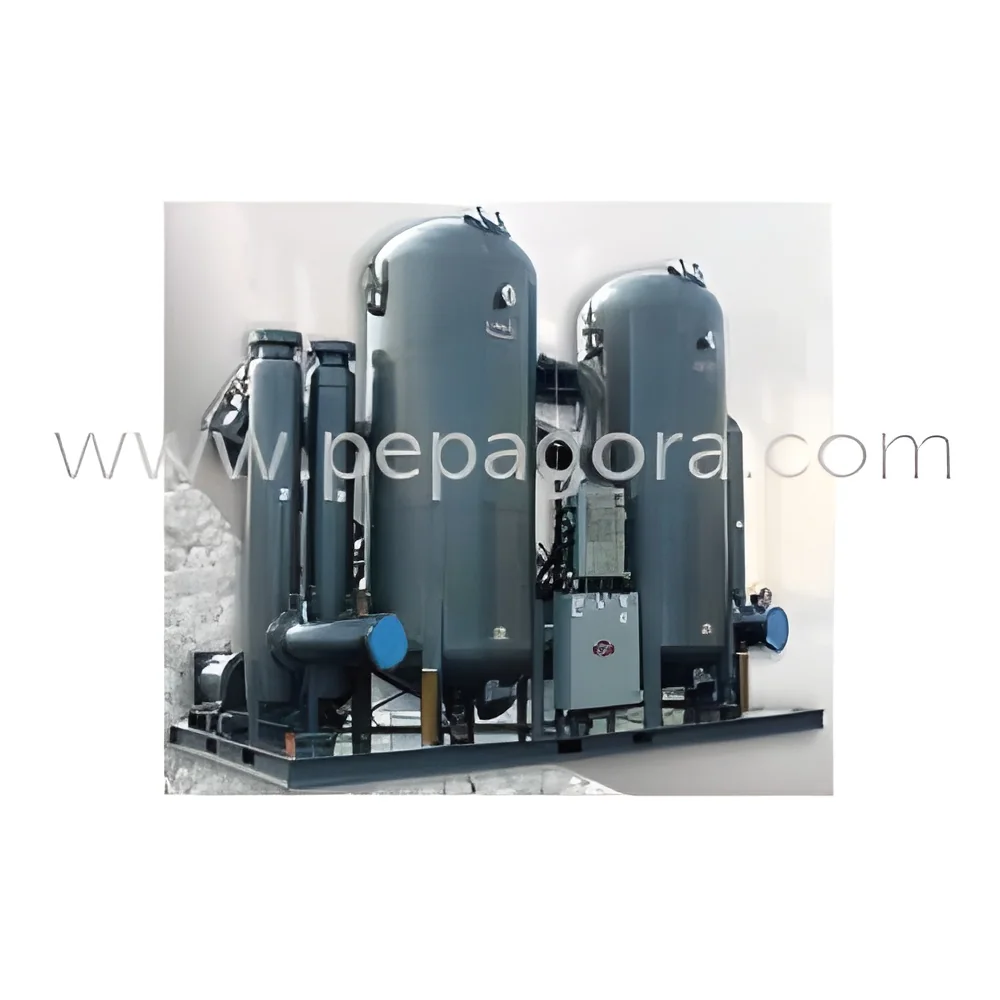
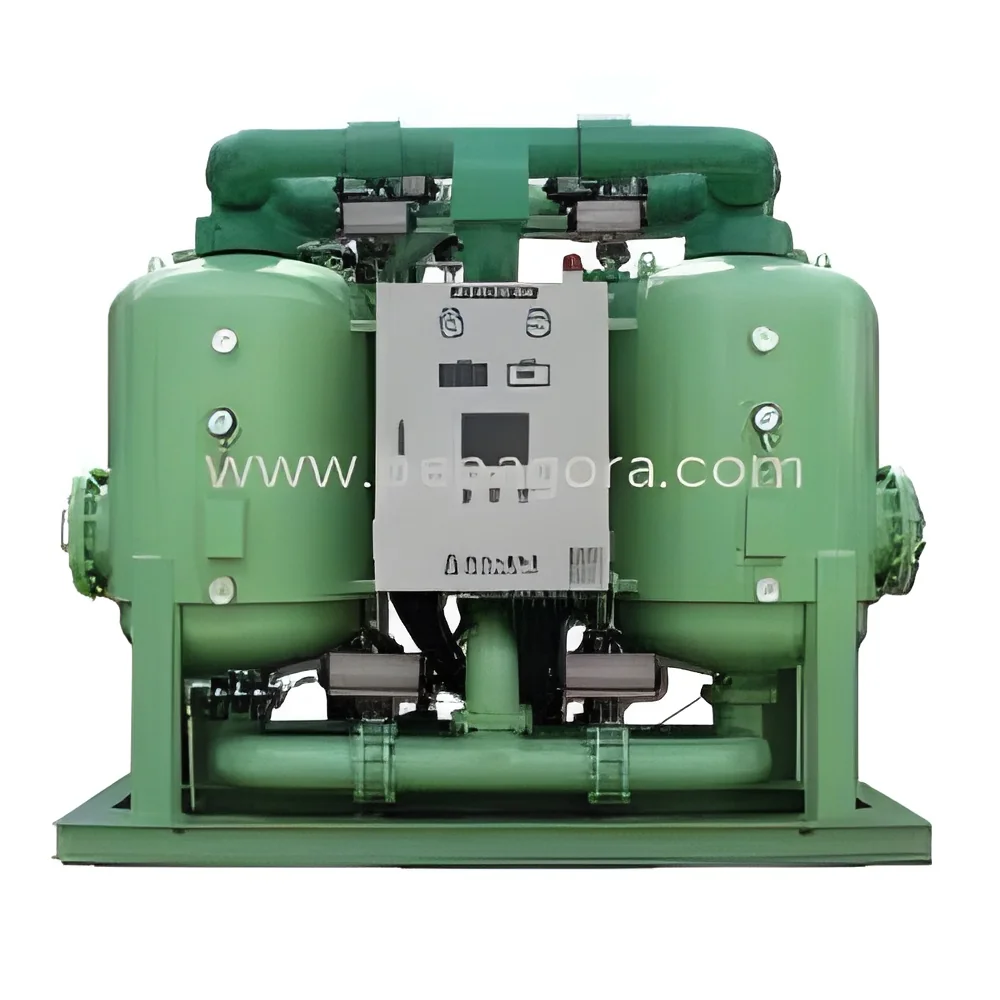
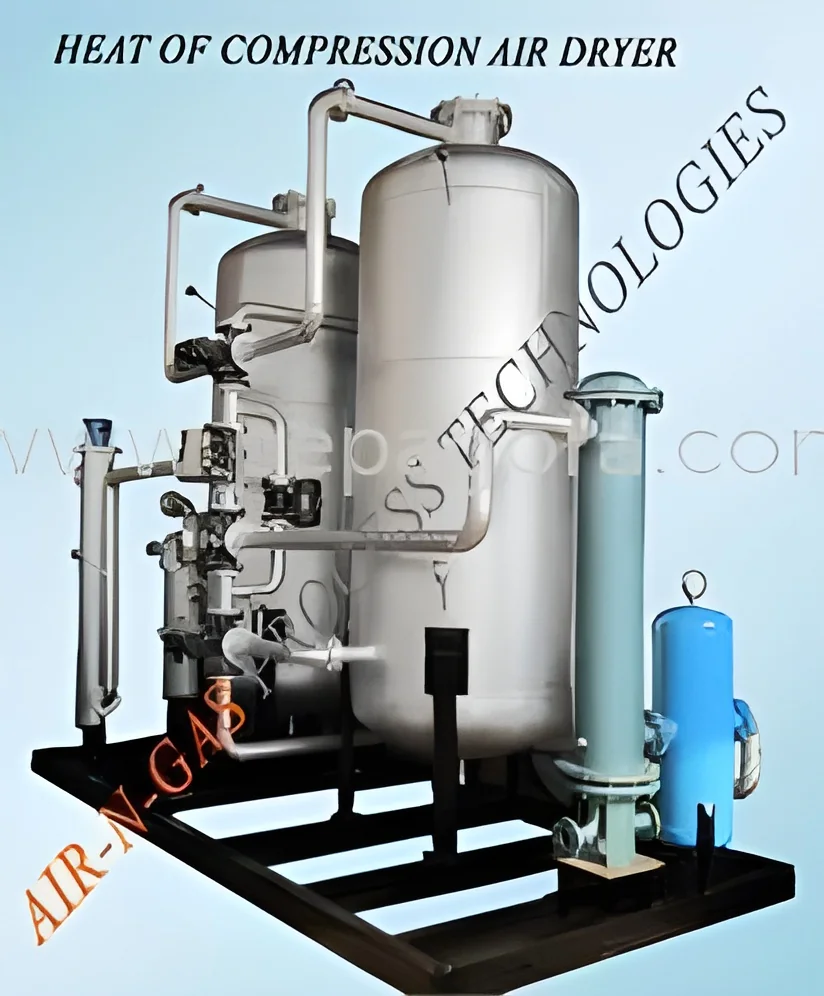
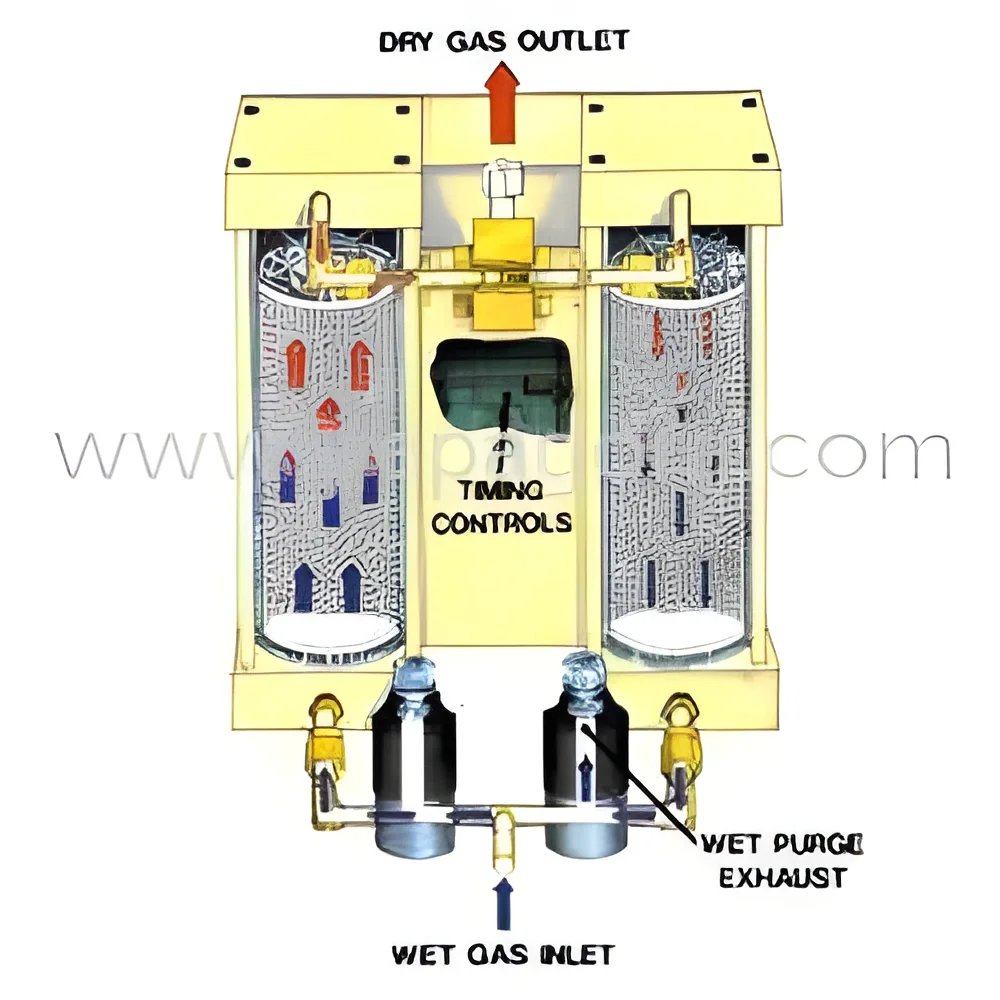
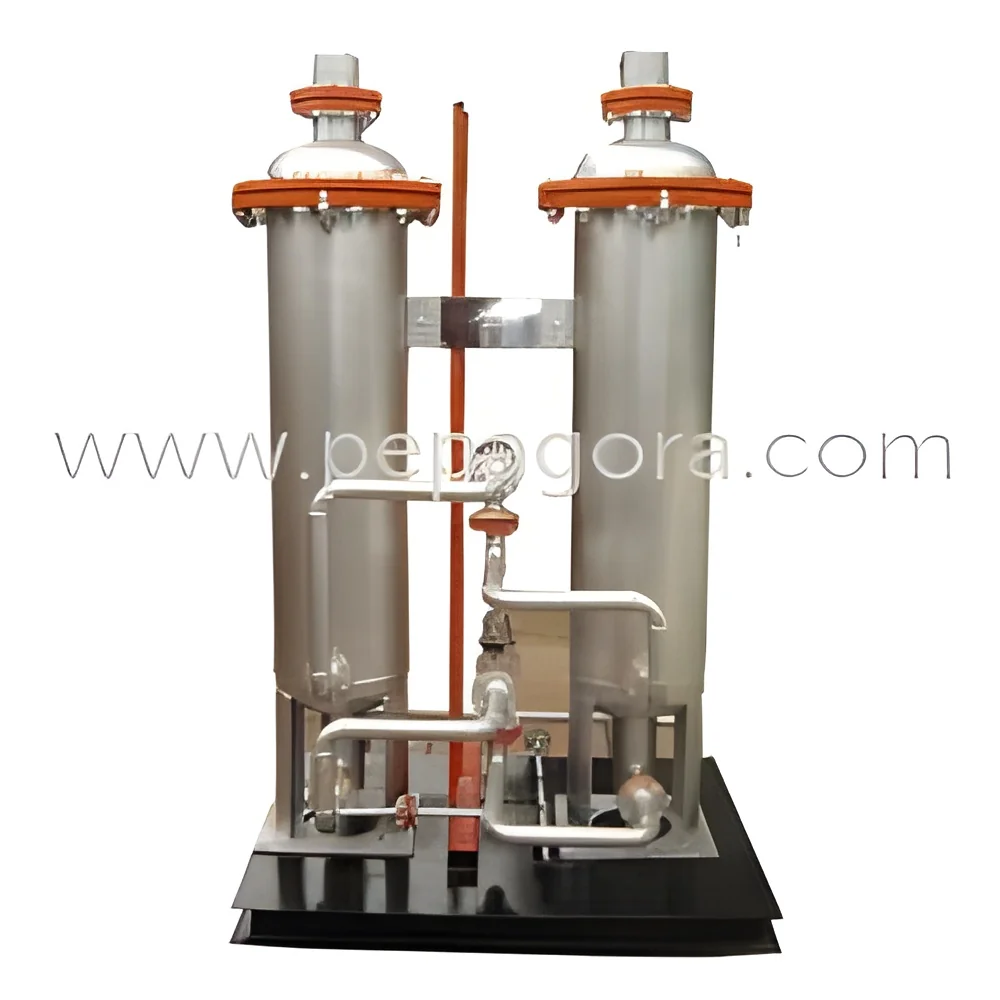
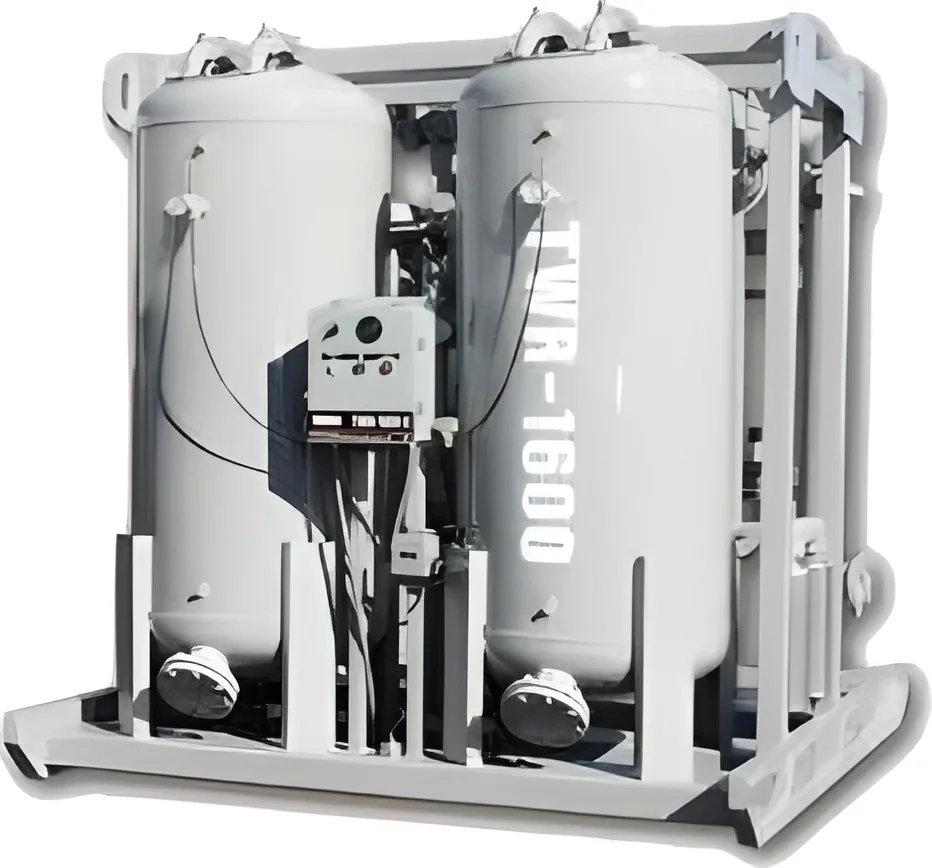
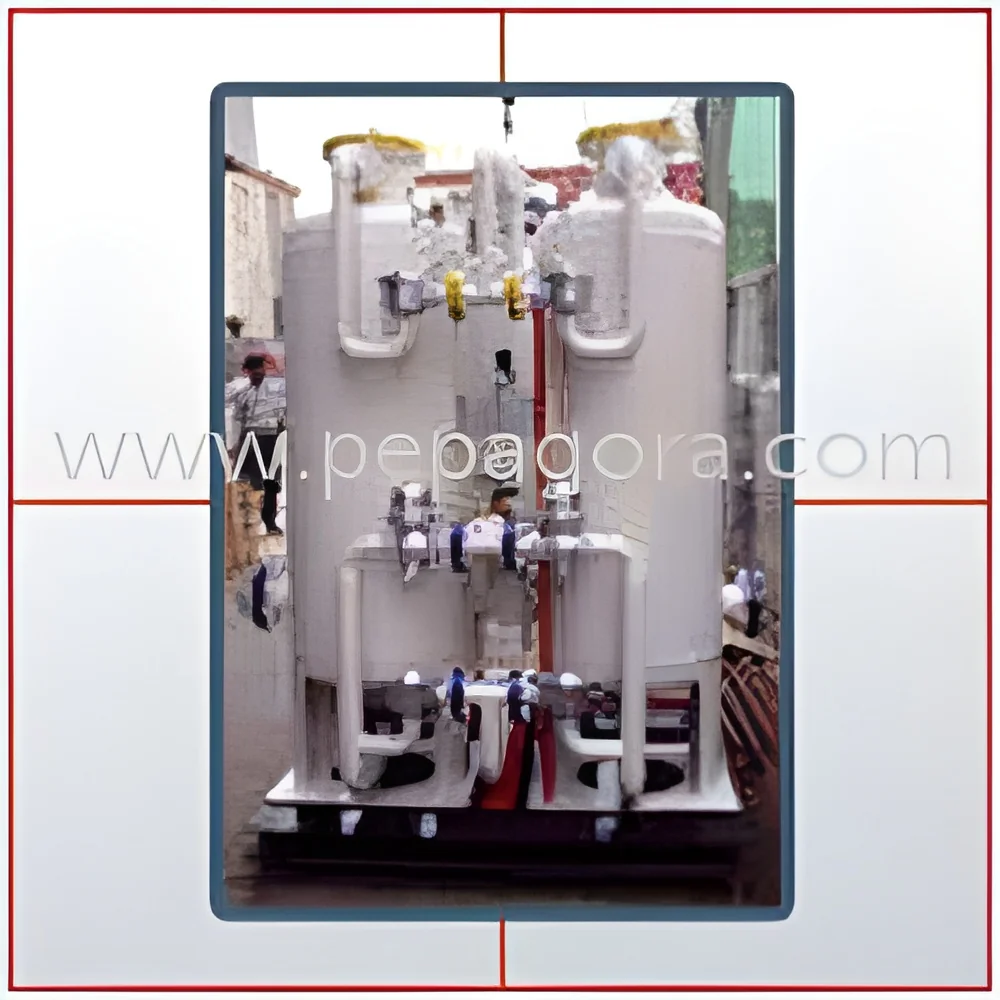
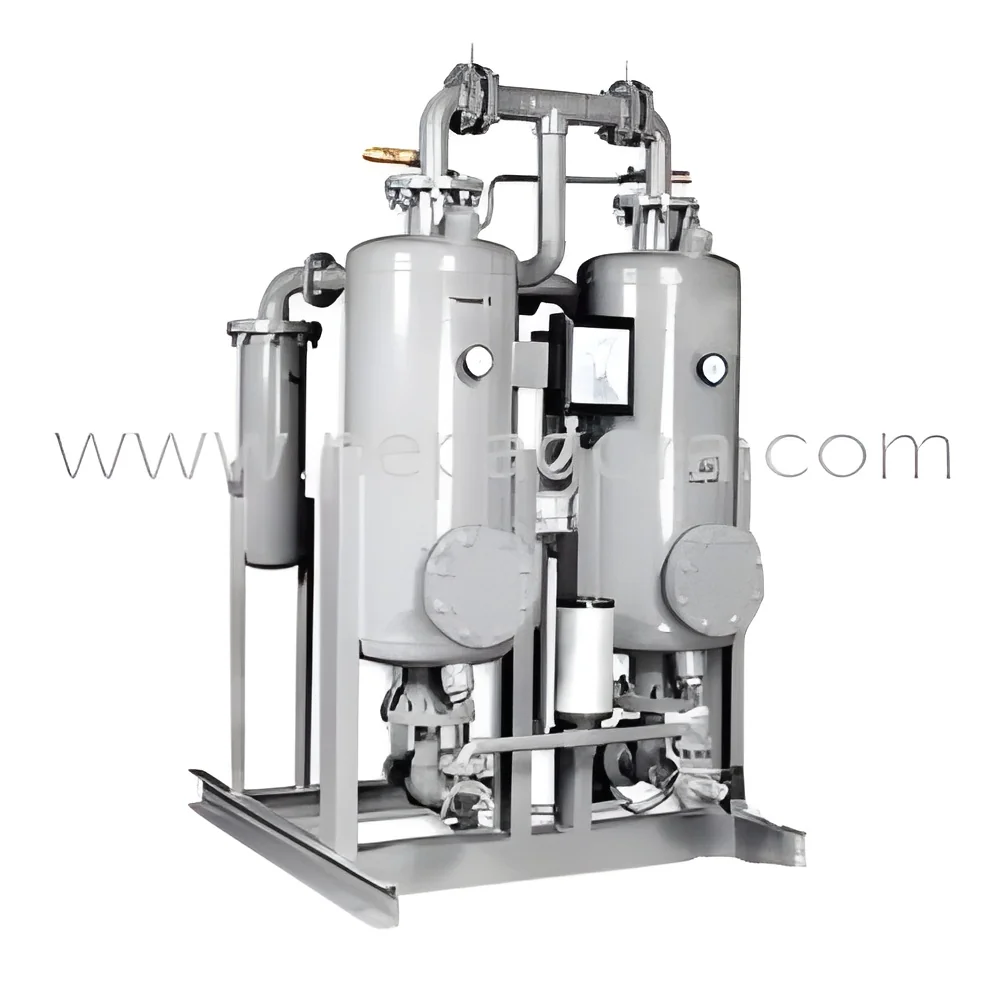
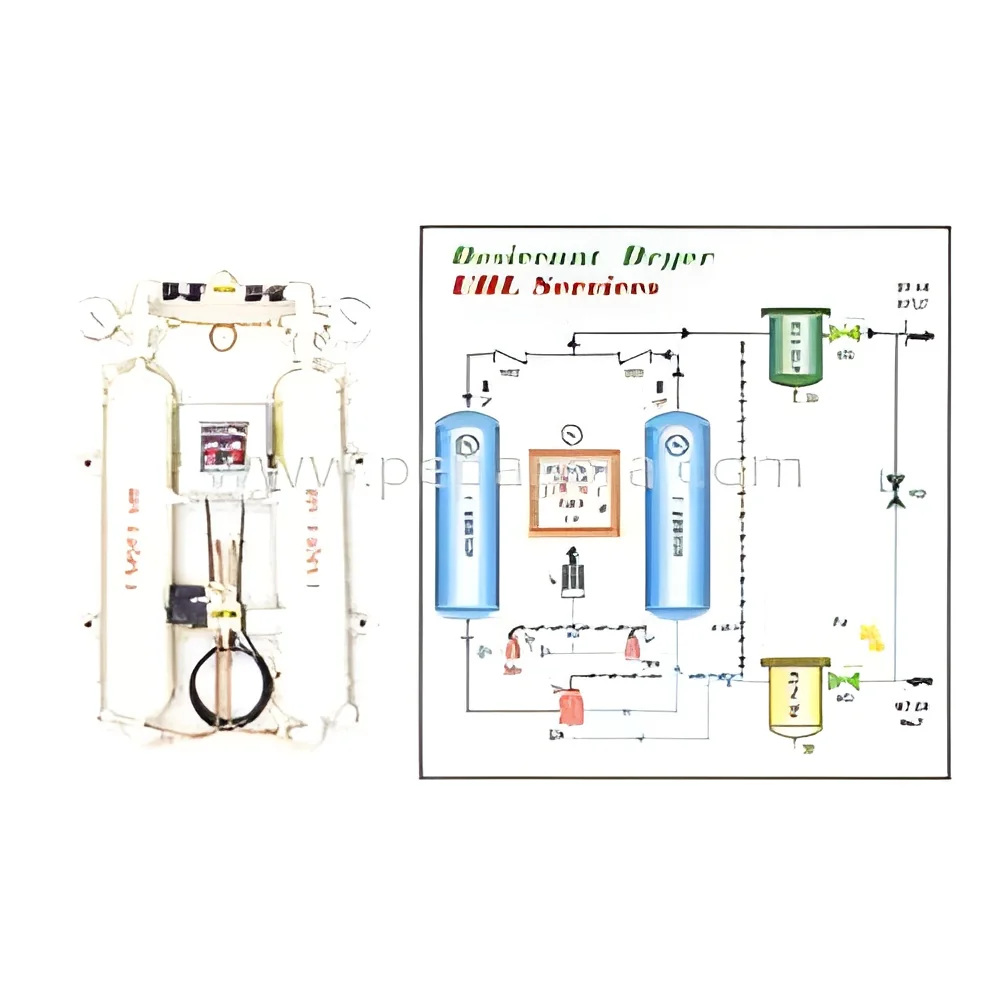
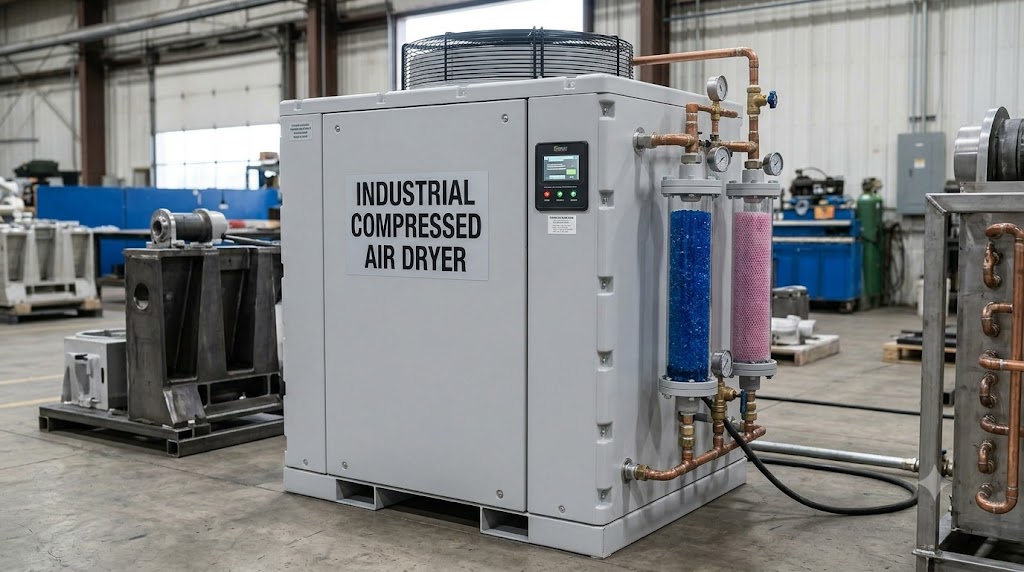
- Desiccant air dryers utilize a moisture-absorbing medium for lower humidity.
2. Dew Point Control
- Refrigerated models typically provide a dew point of 35°F to 50°F.
- Desiccant models can achieve dew points as low as -40°F.
3. Air Flow Capacity
- Flow rates can range from small units handling 5 SCFM to larger systems exceeding 1000 SCFM.
4. Operating Pressure Range
- Most air dryers operate effectively within 80 to 120 psi.
5. Power Consumption
- Refrigerated models generally require more energy due to cooling mechanisms.
- Desiccant dryers may vary based on regeneration cycles.
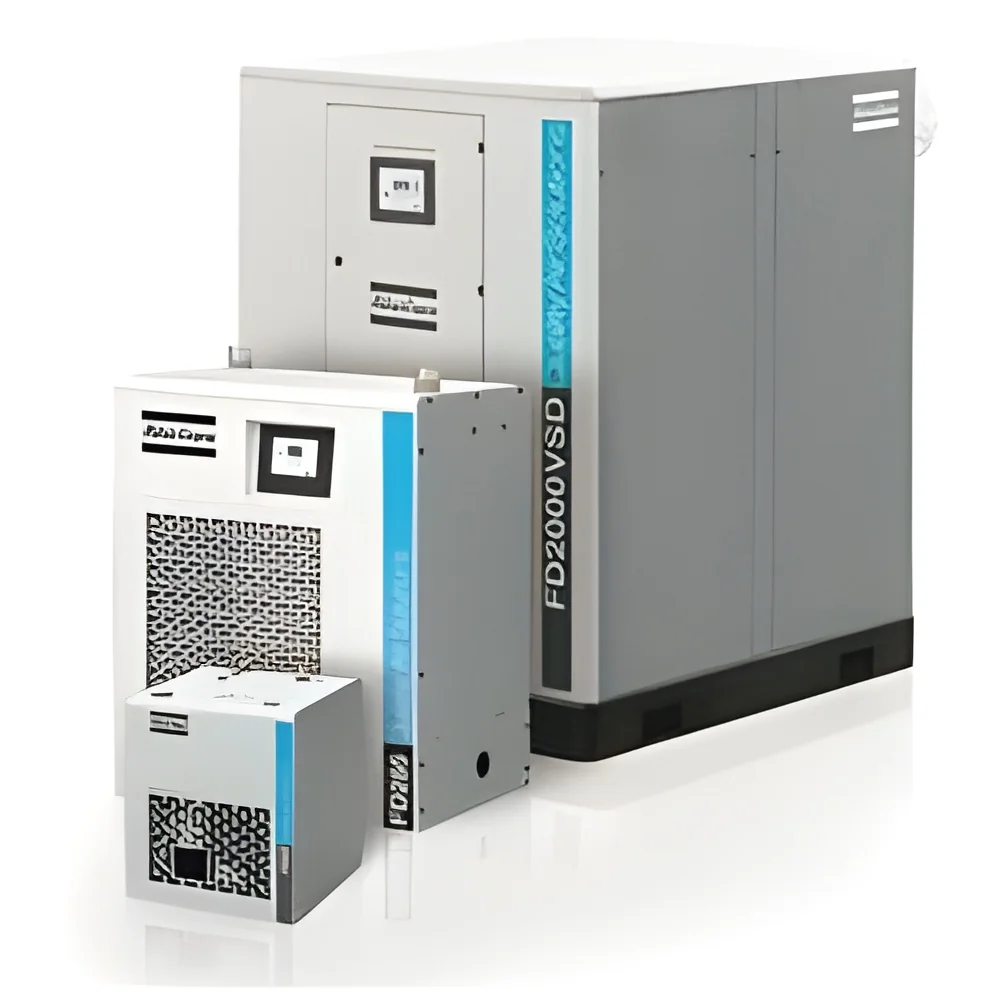
6. Size and Portability
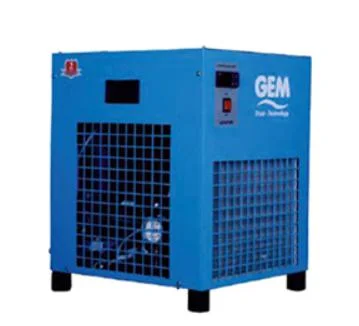
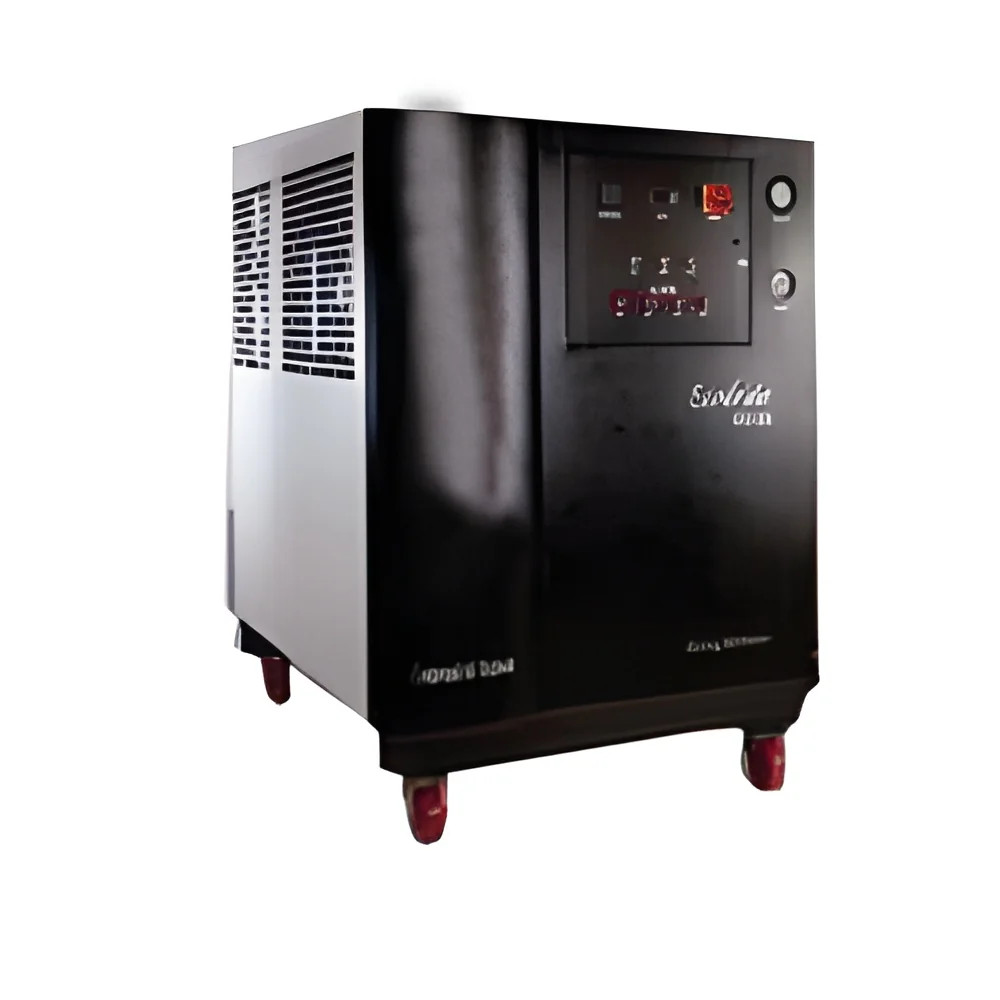
- Available in compact designs for limited spaces and larger units for industrial applications.
7. Maintenance Requirements
- Refrigerated units often require less maintenance compared to desiccant models, which need periodic media replacement.
8. Monitoring Features
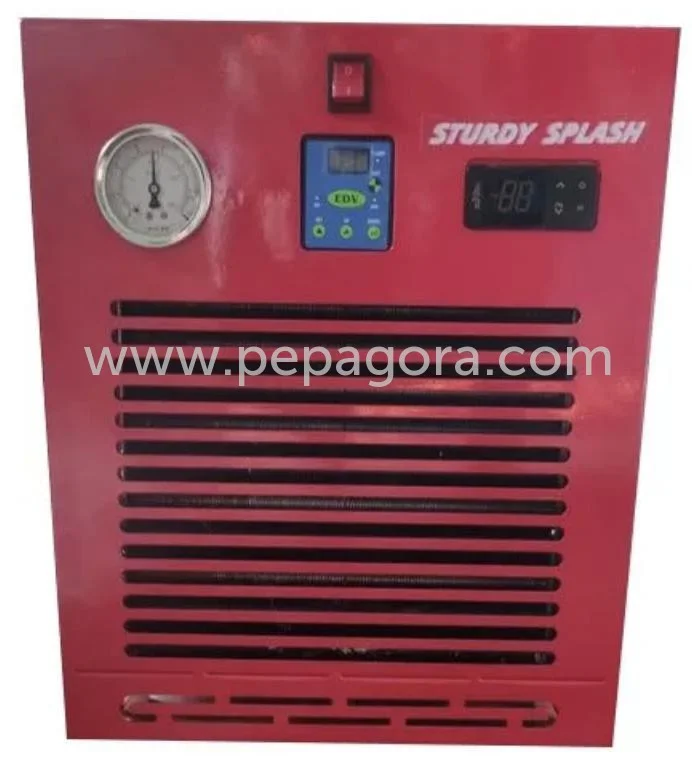
- Some models include digital displays for monitoring pressure and temperature.
In summary, understanding these features and specifications can aid in selecting the most suitable air dryer for specific industrial applications.
Common Applications and Use Cases
Air dryers serve various industries by ensuring the quality and effectiveness of compressed air systems.
1. Manufacturing: Air dryers are crucial in manufacturing processes where moisture can cause defects in products or equipment failures.
2. Pharmaceuticals: In this sector, maintaining low humidity levels is essential for product integrity and compliance with strict regulatory standards.
3. Food and Beverage: Air dryers prevent moisture-related issues in packaging and processing, ensuring product freshness and safety.
4. Automotive: In automotive applications, dry air is necessary for painting and assembly processes to achieve high-quality finishes.
5. Electronics: Air drying is vital in electronics manufacturing to avoid damage to sensitive components.
6. Textile: In textile production, air dryers help maintain the quality of fibers and prevent mildew.
7. Construction: Air dryers are used to ensure the efficiency of pneumatic tools and equipment in construction projects.
Product Variants and Subcategories
Air dryers are available in various configurations to meet different industrial needs.
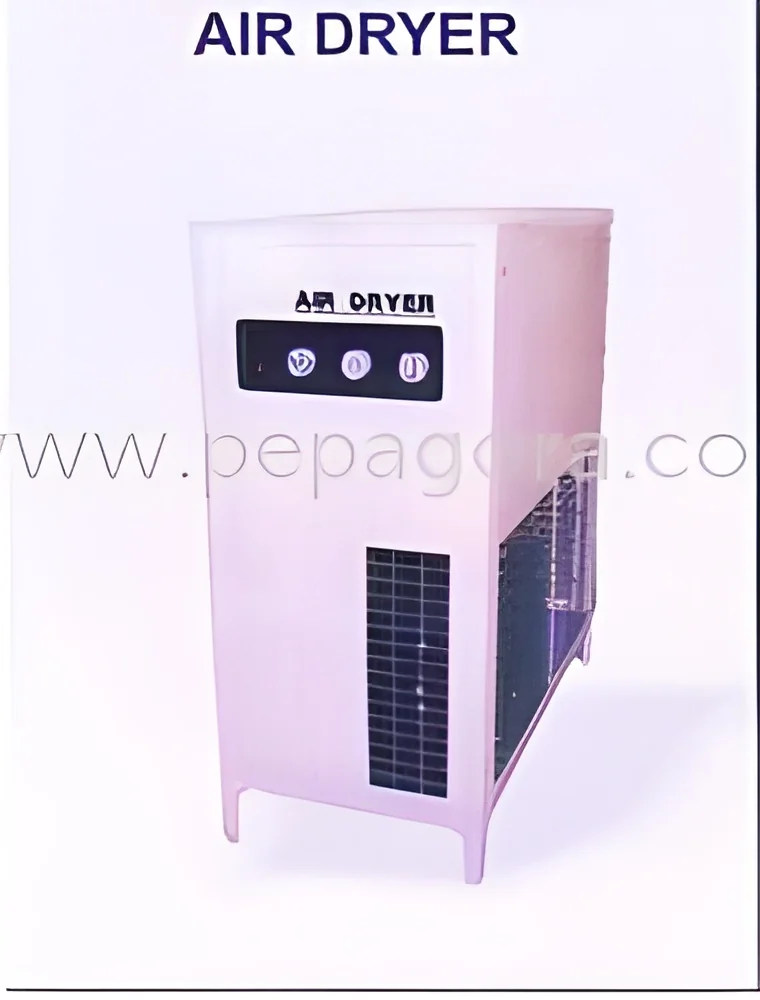
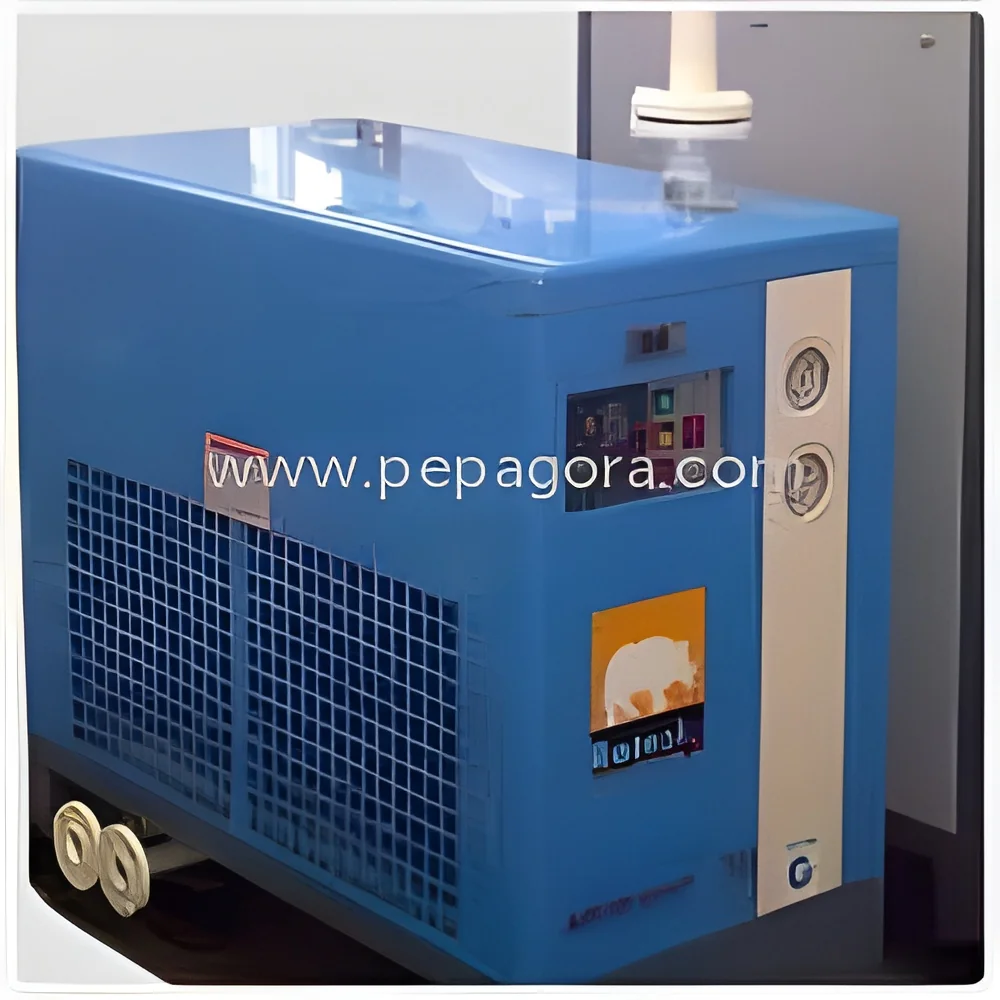
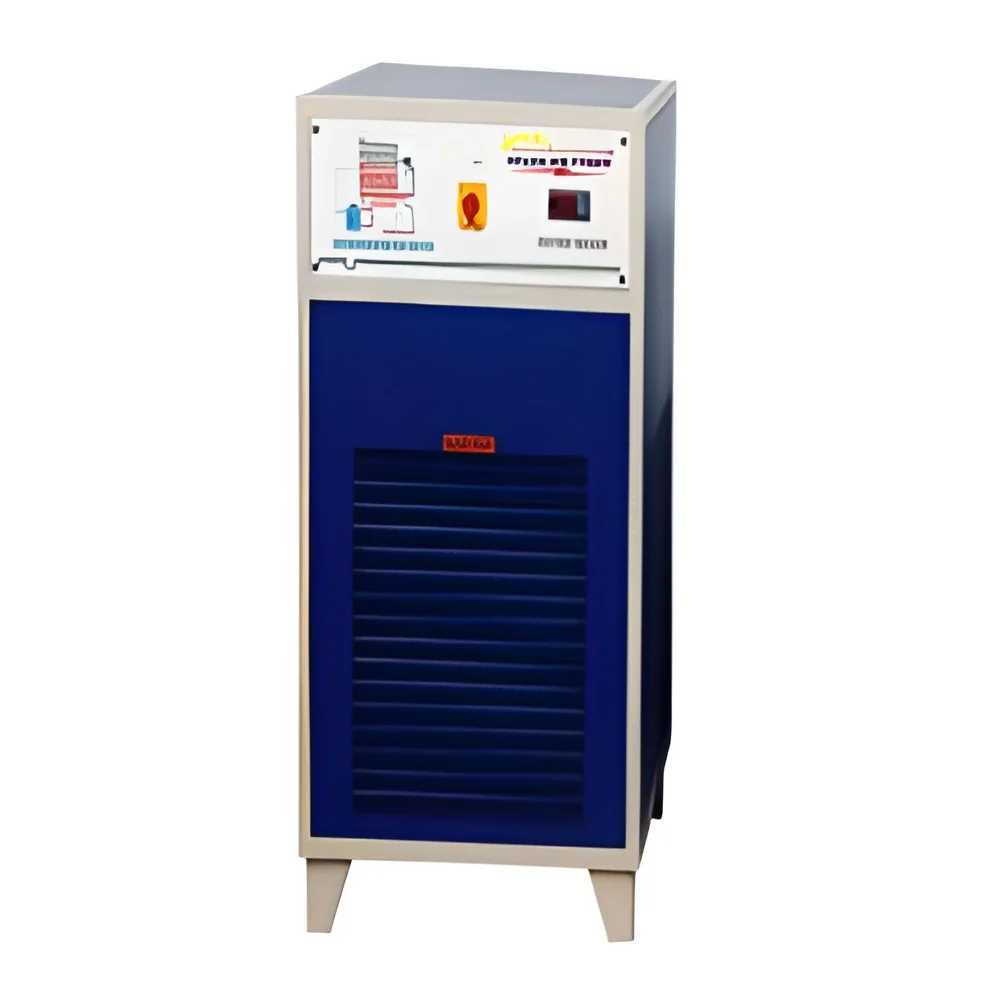
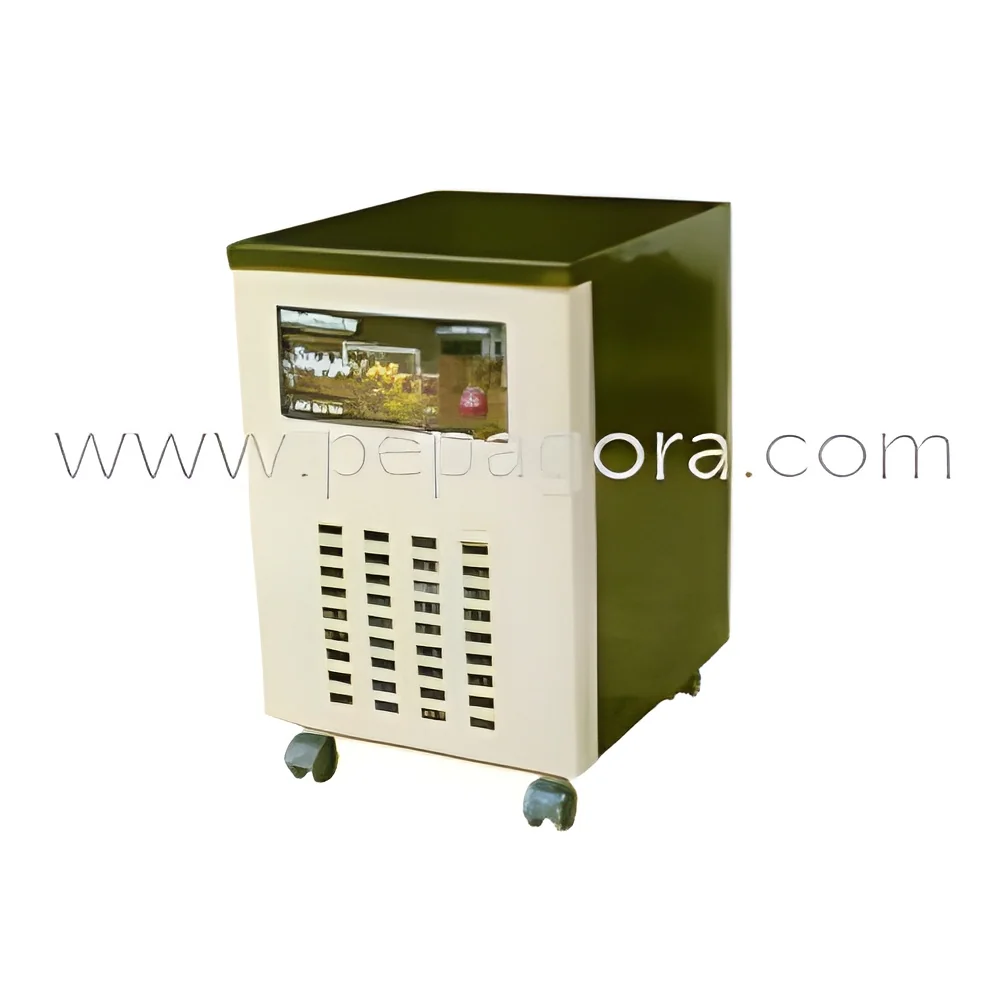
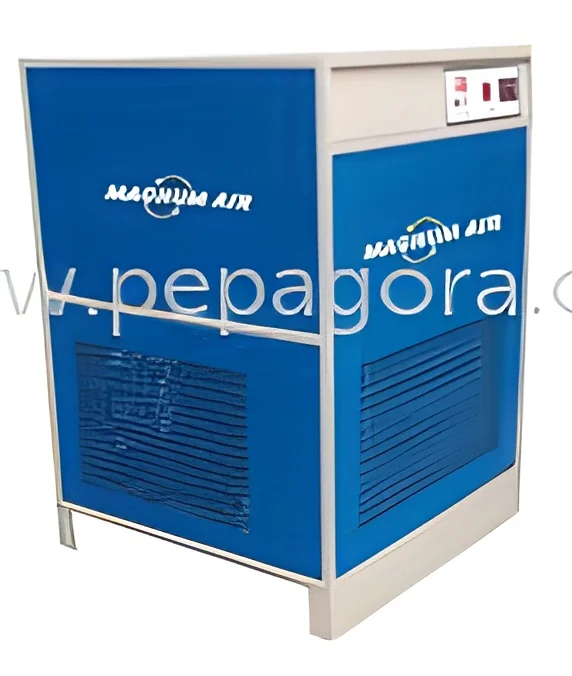
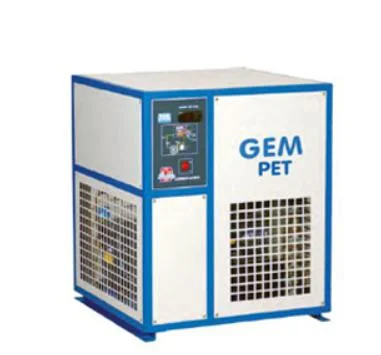
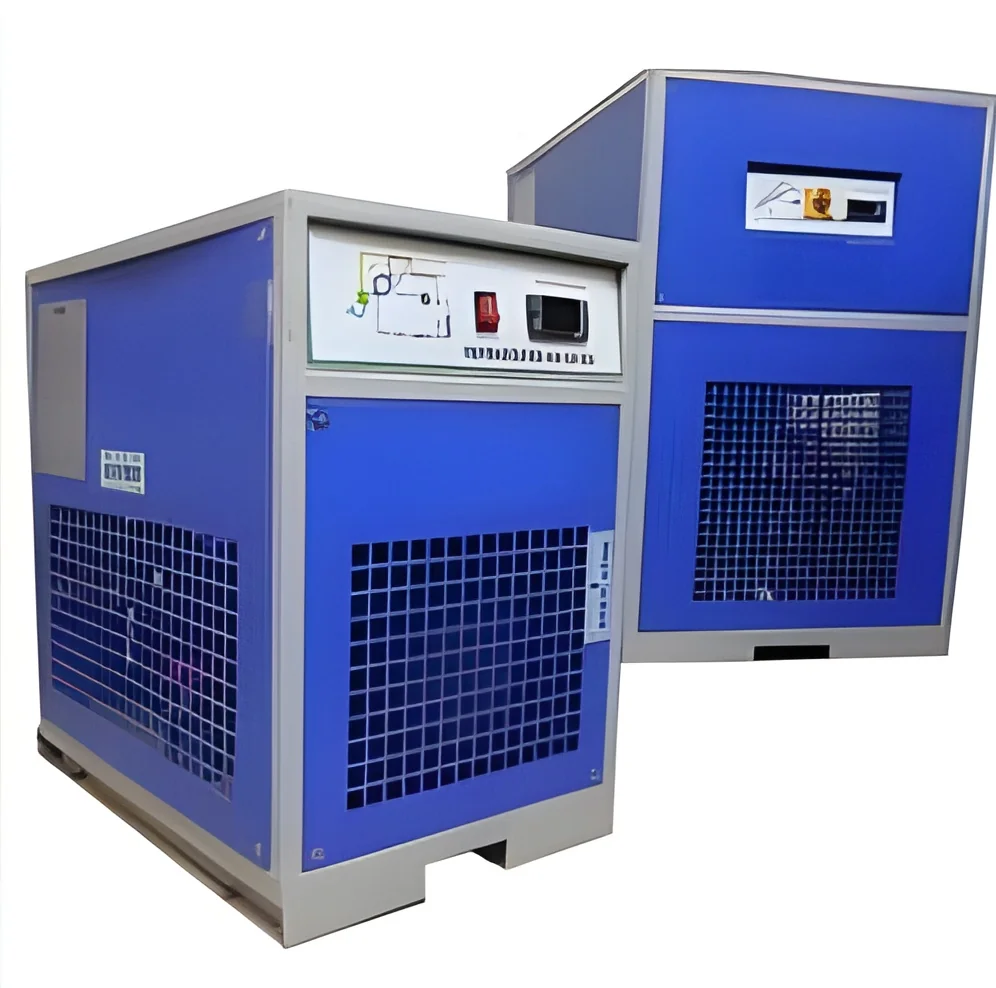
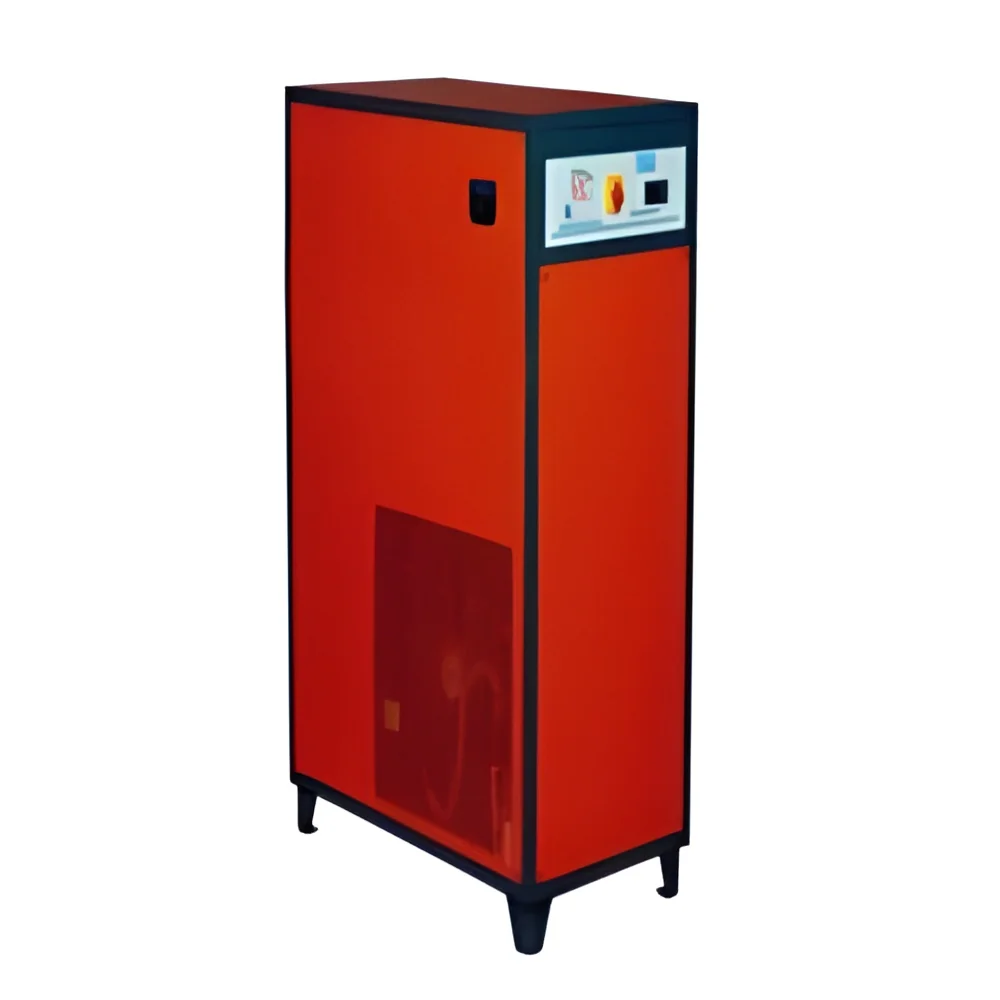
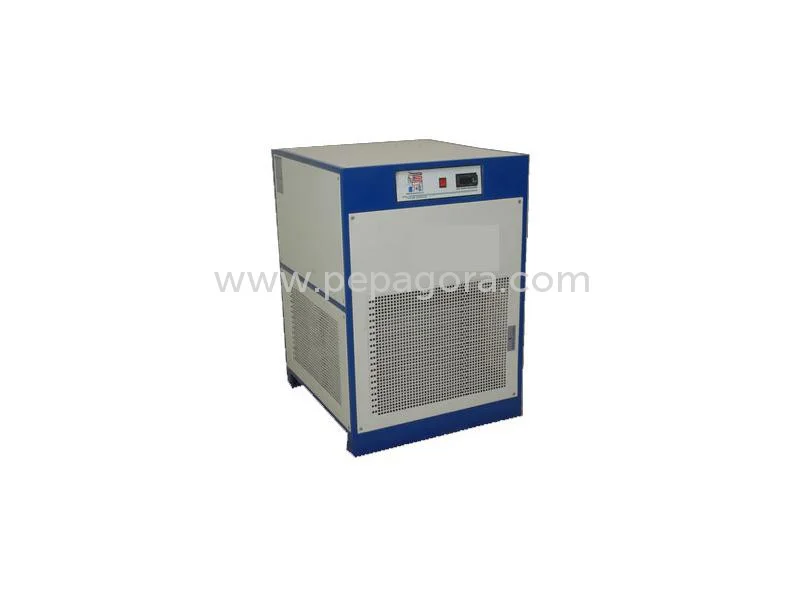
Refrigerated Air Dryers: These dryers cool compressed air to remove moisture, making them ideal for applications where moderate dryness is acceptable. They are energy-efficient and require less maintenance.
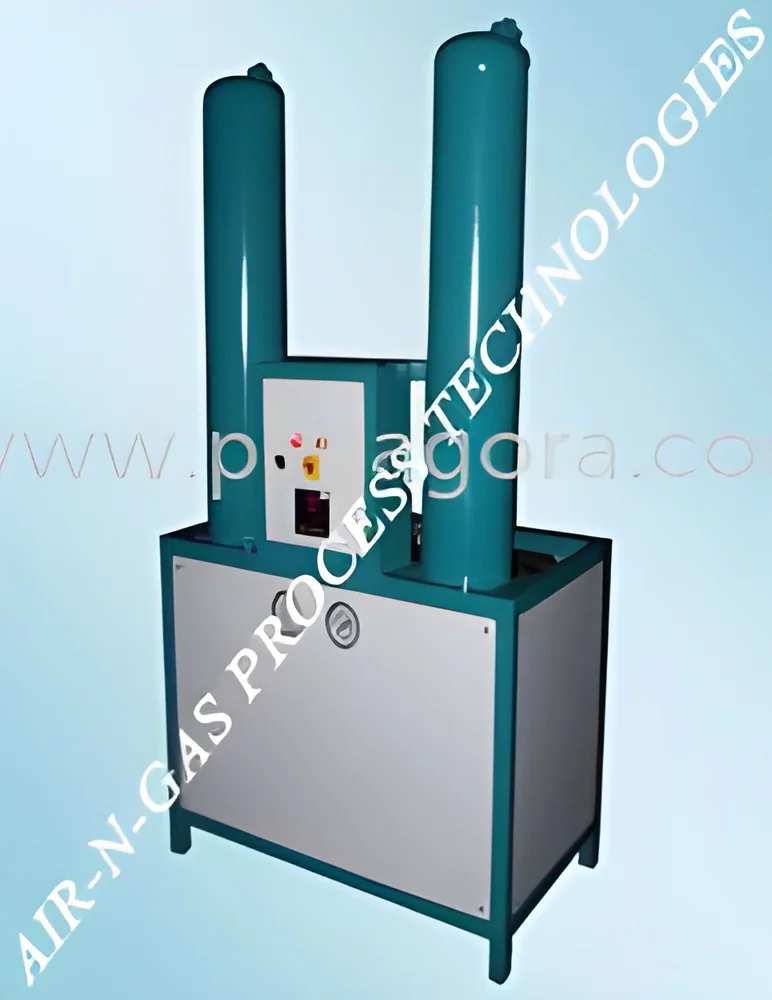
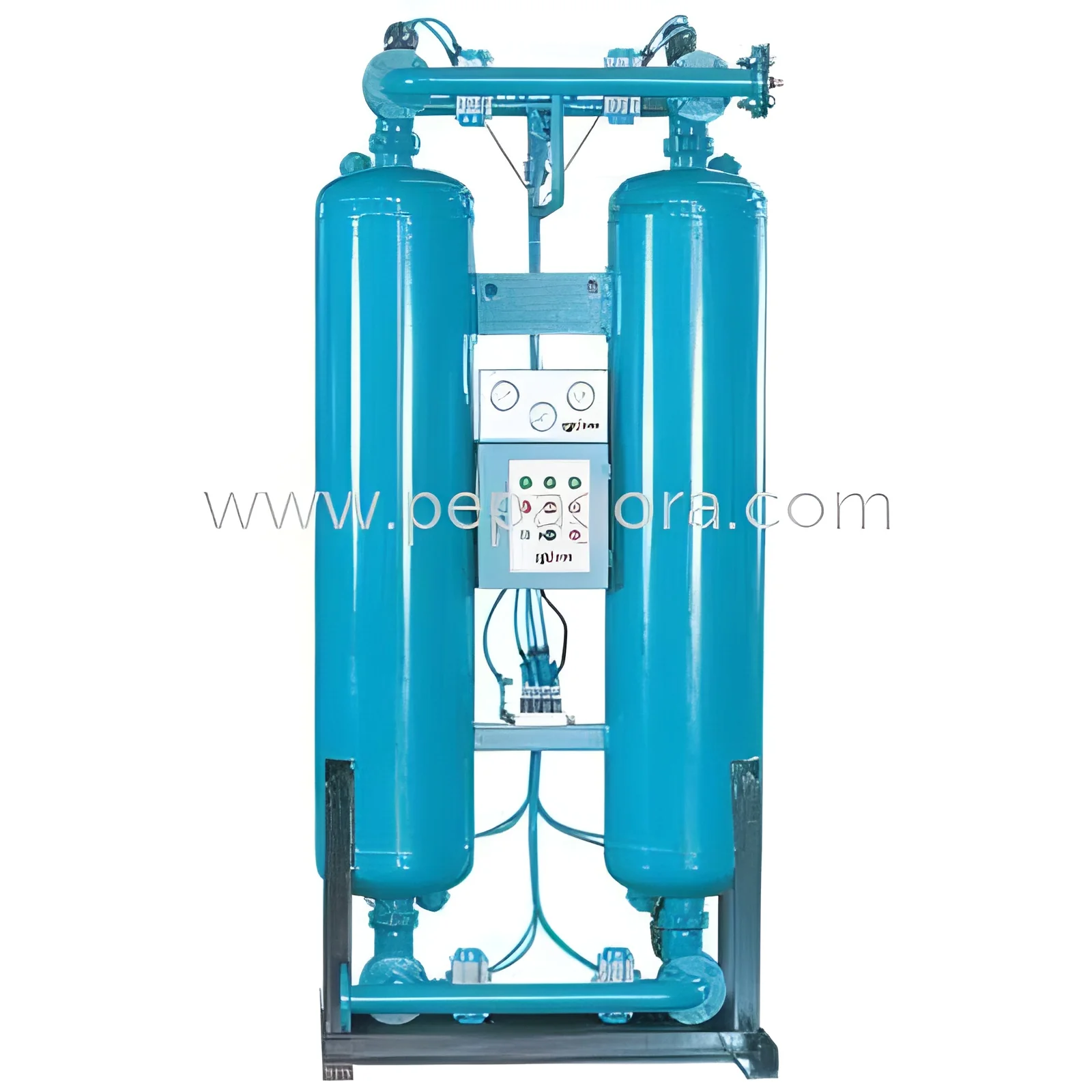
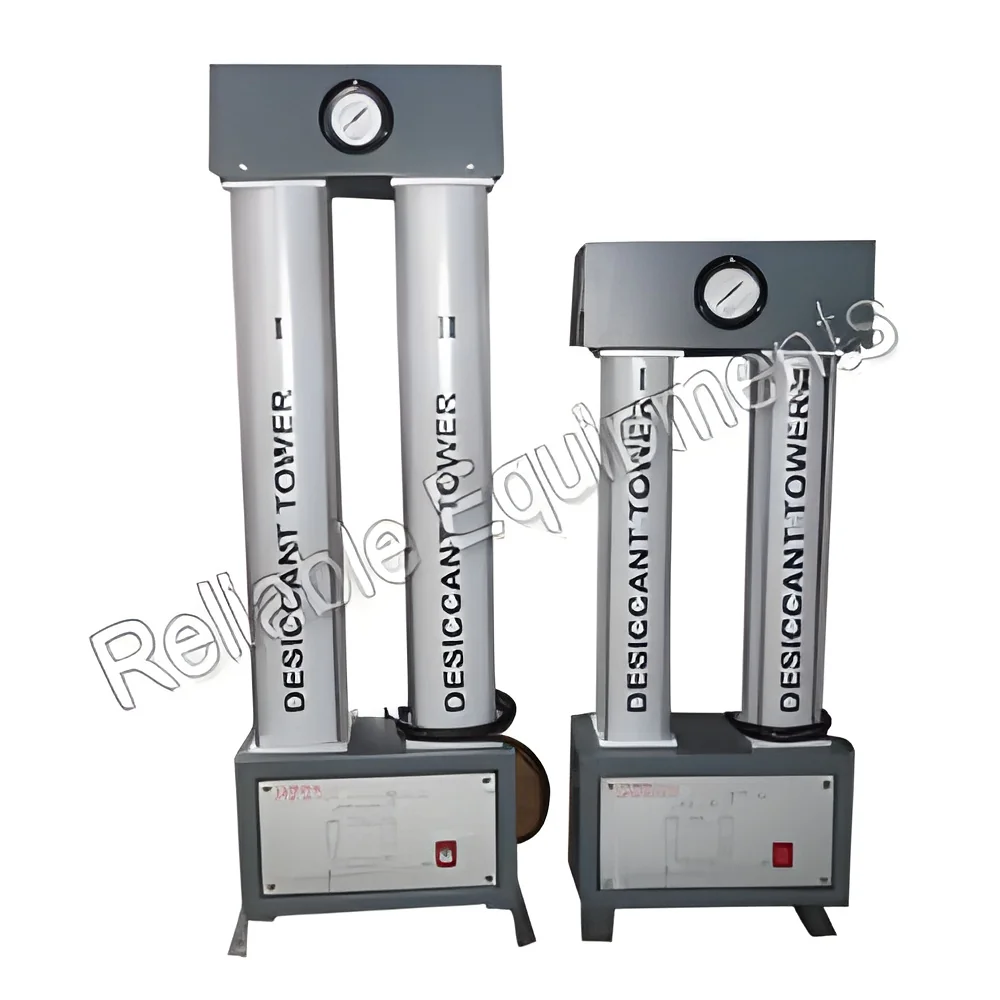
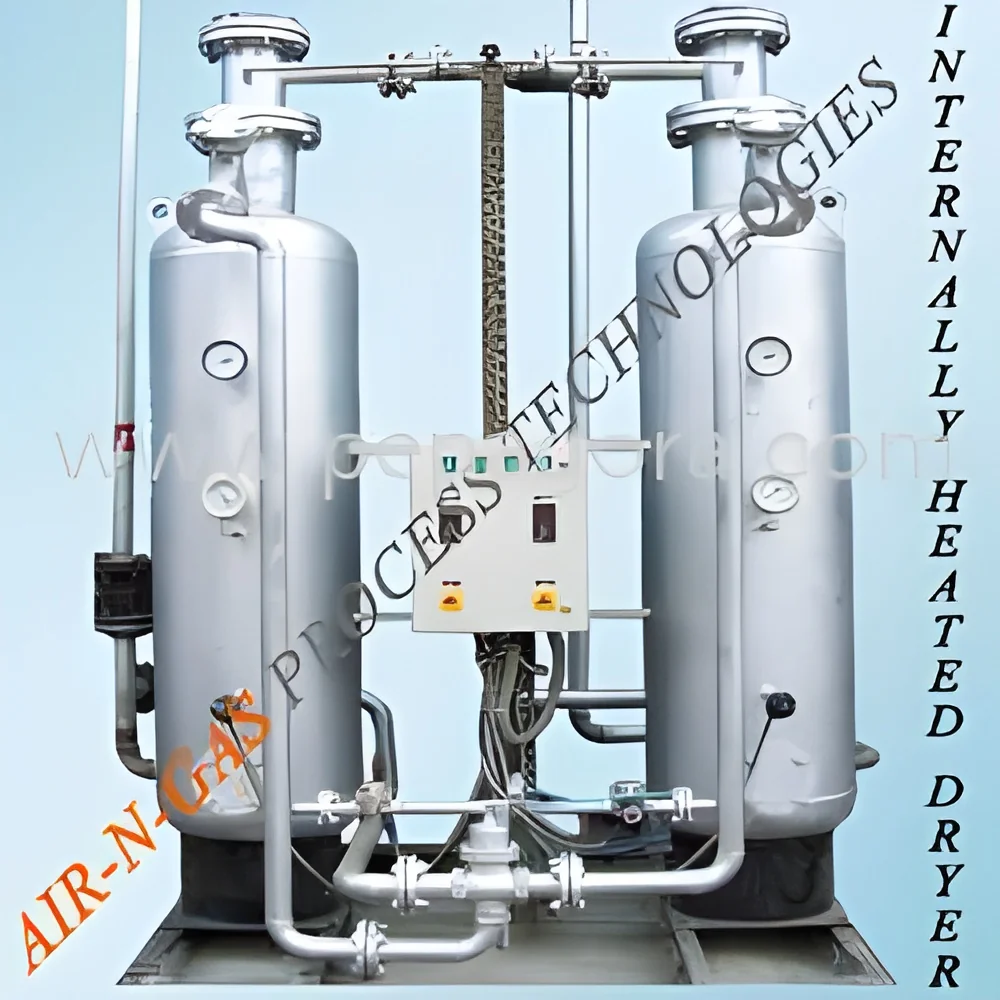
Desiccant Air Dryers: These dryers use desiccant materials to absorb moisture, achieving lower dew points. They are suited for applications requiring extremely dry air, such as pharmaceuticals and electronics manufacturing.
Benefits and Advantages
Investing in air dryers offers numerous benefits for industrial operations.
1. Improved Equipment Longevity: By removing moisture, air dryers prevent corrosion and damage to pneumatic tools and machinery.
2. Enhanced Product Quality: Dry air ensures that products are manufactured without defects caused by moisture.
3. Energy Efficiency: Modern air dryers are designed to minimize power consumption while maintaining performance.
4. Compliance with Standards: Air dryers help industries meet regulatory requirements for air quality.
5. Reduced Downtime: Reliable air drying systems contribute to fewer breakdowns and operational interruptions.
6. Customized Solutions: Various models and configurations allow businesses to find the right solution for their specific needs.
Buying Guide for B2B Buyers
When sourcing air dryers, several factors should be considered to ensure a suitable purchase.
1. Quality Assessment: Evaluate the quality of air dryers based on performance, durability, and user reviews. Look for models that adhere to industry standards.
2. Supplier Verification: Vet suppliers by checking their reputation, certifications, and history of customer service. Reliable suppliers will provide transparent information about their products.
3. Pricing and MOQ: Understand the pricing structure and minimum order quantities. Consider bulk purchasing options for cost savings.
4. Delivery and Lead Times: Confirm delivery schedules and lead times to align with production needs. Timely delivery is crucial for maintaining operational efficiency.
5. Compliance Requirements: Ensure that the air dryers meet any relevant compliance and regulatory standards to avoid future issues.
Compliance and Certifications
Air dryers must adhere to specific quality and safety standards to ensure reliability and performance. ISO 9001 is a common quality management standard that applies to manufacturing processes, ensuring consistent quality in products.
The CE marking indicates compliance with European health, safety, and environmental protection standards, making it essential for products sold within the European market.
Safety and testing requirements are crucial for air dryers, as they must operate effectively without posing risks to operators or equipment. Manufacturers must also consider regional compliance requirements, which may vary based on local regulations and market demands.
Why Source Air Dryers (Refrigerated, Desiccant) from Pepagora?
Pepagora provides a trusted platform for sourcing air dryers with several key advantages.
Verified Supplier Network: Pepagora connects buyers with verified suppliers, ensuring that customers receive high-quality products from reputable manufacturers. This reduces the risk of purchasing substandard equipment.
Streamlined RFQ Process: The request for quotation system simplifies the procurement process, allowing buyers to easily compare offers and select the best option based on their needs.
Trade Assurance and Support: Pepagora offers buyer protection through trade assurance, ensuring transactions are secure and that customers can seek support if issues arise.
Regional Coverage: With a broad geographic reach across India, the GCC, and Southeast Asia, Pepagora facilitates access to a diverse range of air dryer suppliers, enabling buyers to find the right solutions for their specific market needs.

Frequently Asked Questions
What are Air Dryers (Refrigerated, Desiccant)?
Air Dryers (Refrigerated, Desiccant) are devices used to remove moisture from compressed air. Refrigerated air dryers cool the air to condense moisture, while desiccant air dryers use moisture-absorbing materials to capture humidity, ensuring dry air output for various applications.
What are the different types of Air Dryers (Refrigerated, Desiccant)?
The two main types of air dryers are refrigerated air dryers and desiccant air dryers. Refrigerated air dryers are more common and suitable for many applications, while desiccant air dryers are preferred for processes requiring extremely low humidity levels.
How do I choose the right Air Dryers (Refrigerated, Desiccant)?
To choose the right air dryer, consider factors such as the application requirements, desired dew point, and airflow capacity. Additionally, evaluate energy efficiency, maintenance needs, and the specific environment where the dryer will be used.
What are the standard specifications for Air Dryers (Refrigerated, Desiccant)?
Standard specifications for air dryers typically include airflow capacity (measured in CFM), maximum working pressure, and dew point temperature. Other specifications may involve energy consumption, physical dimensions, and weight.
What is the price range for Air Dryers (Refrigerated, Desiccant)?
The price range for air dryers can vary widely based on type, capacity, and features, typically ranging from INR 20,000 to INR 5,00,000. Higher-end models with advanced features and larger capacities may exceed this range.
What quality standards apply to Air Dryers (Refrigerated, Desiccant)?
Air dryers should comply with international quality standards such as ISO 8573 for air quality and ASME standards for pressure vessels. Manufacturers may also adhere to regional standards to ensure safety and performance.
Where can I find Air Dryers (Refrigerated, Desiccant) suppliers in India?
You can find suppliers of air dryers in India through online B2B marketplaces, industry trade shows, and manufacturer directories. Websites like Pepagora.com provide a platform to connect with reputable suppliers and manufacturers.
Can Air Dryers (Refrigerated, Desiccant) be customized?
Yes, many manufacturers offer customization options for air dryers to meet specific requirements, including modifications in size, capacity, and features. It is advisable to discuss customization needs with the supplier beforehand.
What is the typical minimum order quantity for Air Dryers (Refrigerated, Desiccant)?
The typical minimum order quantity (MOQ) for air dryers can vary by supplier but is often set at one unit for standard models. Bulk orders may be required for customized units or specific configurations.
What is the typical lead time for Air Dryers (Refrigerated, Desiccant)?
The typical lead time for air dryers ranges from 2 to 6 weeks, depending on the type, customization, and supplier's inventory. It's essential to confirm the lead time when placing an order.
Why Businesses Trust Pepagora
Thousands of companies trust Pepagora to source smarter and sell faster
Expand Your Sales Globally

Source Smarter,Grow Faster
