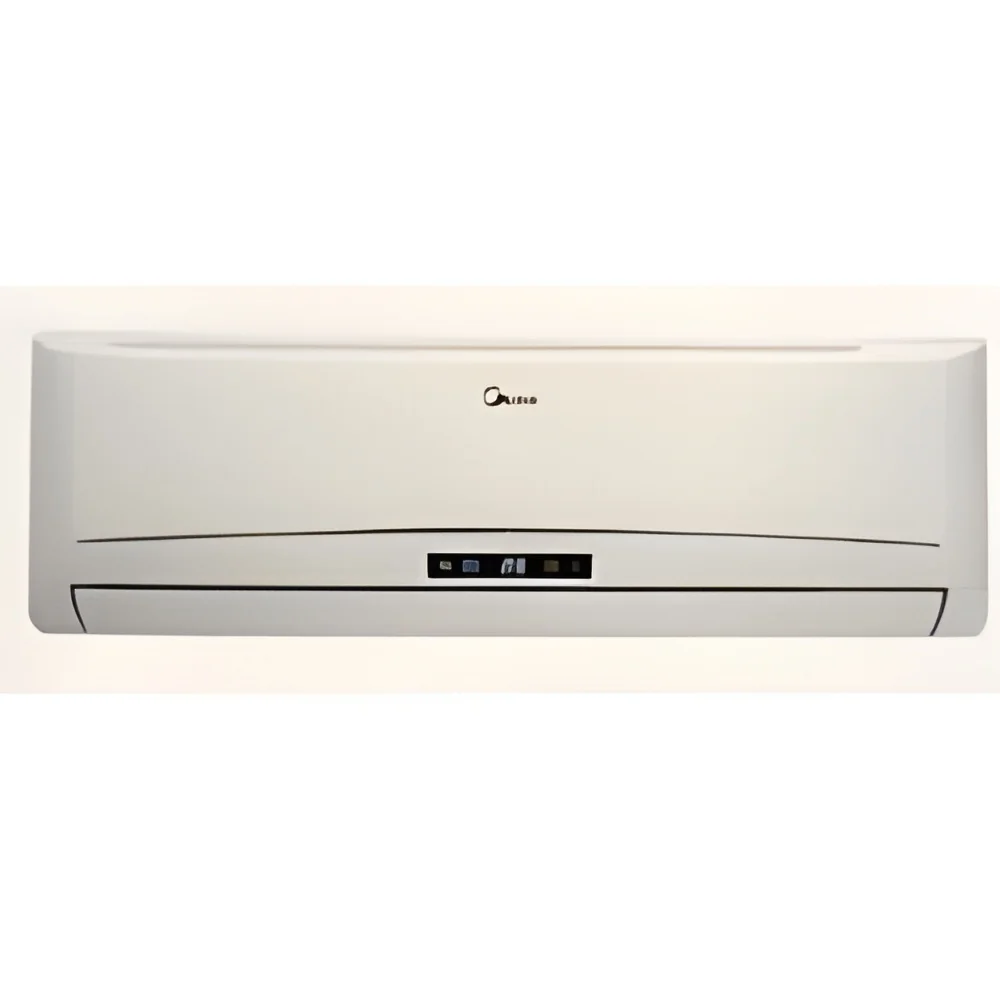
What are Air Cooled Heat Exchangers?
Air Cooled Heat Exchangers (ACHEs) are critical components used in various industrial processes to transfer heat between two or more fluids without the need for a cooling water source. They utilize ambient air to cool fluids, which makes them a popular choice for facilities where water is scarce or expensive. The design typically consists of a series of finned tubes through which the hot fluid flows, while air flows over the tubes to absorb heat.
These heat exchangers are widely used across several industries, including oil and gas, power generation, and chemical processing. They are particularly valuable in applications where traditional water-cooled systems are impractical. The ability to operate efficiently in a variety of environments, along with their lower operational costs, makes ACHEs an essential solution for many businesses. The market for air cooled heat exchangers has been growing due to the increasing demand for energy-efficient and environmentally friendly cooling solutions.
Key Features and Specifications
Air Cooled Heat Exchangers are designed with a variety of features that enhance their efficiency and performance. These features are crucial for ensuring that they meet specific industrial requirements. The specifications of ACHEs can vary based on design and application needs.
Key specifications include:
1. Material Construction
- Typically constructed from aluminum or carbon steel
- Corrosion-resistant coatings available for harsh environments
2. Heat Transfer Area
- Varies based on design, typically ranging from 10 to 1000 square meters
- Custom configurations available for specific applications
3. Airflow Capacity
- Designed to handle airflow from 500 to 50,000 cubic meters per hour
- Variable speed fans for energy efficiency
4. Operating Temperature Range
- Generally suitable for temperatures up to 200 degrees Celsius
- Customized solutions available for higher temperatures
5. Design Configuration
- Available in vertical and horizontal designs
- Modular designs for easy maintenance and scalability
6. Fin Type
- Finned tubes available in various designs to enhance heat transfer
- Options include plain, serrated, or louvered fins
7. Noise Levels
- Designed to minimize operational noise, typically below 85 dB(A)
- Sound-dampening options available
8. Certifications
- Compliant with CE standards for safety and quality assurance
These specifications ensure that Air Cooled Heat Exchangers can be tailored to meet the diverse needs of industrial applications.
Common Applications and Use Cases
Air Cooled Heat Exchangers serve a wide range of industries by providing efficient cooling solutions.
1. Oil and Gas: In this sector, ACHEs are used to cool the process fluids in refineries and petrochemical plants, enhancing energy efficiency and reducing water usage.
2. Power Generation: Power plants utilize air cooled heat exchangers to dissipate waste heat from turbines and generators, improving overall operational efficiency.
3. Chemical Processing: ACHEs are utilized in chemical plants to maintain optimal temperatures during reactions, ensuring safety and product quality.
4. HVAC Systems: In large commercial buildings, air cooled heat exchangers are used to provide cooling for air conditioning systems, reducing reliance on water resources.
5. Food and Beverage: ACHEs are employed in food processing plants to maintain safe temperatures for various products, ensuring compliance with health regulations.
6. Pharmaceutical Manufacturing: These heat exchangers help control temperatures in sensitive processes, which is vital for maintaining product integrity.
7. Mining and Metals: In the mining industry, ACHEs are used to cool equipment and processes, preventing overheating and prolonging machinery lifespan.
Product Variants and Subcategories
Air Cooled Heat Exchangers come in various designs and configurations to meet specific industrial needs, allowing for customization and flexibility.
Standard ACHE Models
These models are designed for general industrial applications, offering a balance of efficiency and cost-effectiveness. They are suitable for a wide range of environments and can be tailored to specific cooling requirements.
Heavy-Duty ACHE Models
These models are built for extreme conditions, such as high temperatures and corrosive environments. They are typically used in industries like oil and gas and chemical processing, where reliability and durability are critical.
Compact ACHE Models
Designed for limited space applications, these models provide efficient cooling in a smaller footprint. They are ideal for urban settings or facilities where space is a premium.
Benefits and Advantages
Air Cooled Heat Exchangers offer numerous advantages that make them an attractive choice for various applications.
1. Water Conservation: ACHEs eliminate the need for cooling water, making them a sustainable option in water-scarce areas.
2. Lower Operating Costs: By utilizing ambient air, these heat exchangers reduce the costs associated with water treatment and supply.
3. Reduced Maintenance: Air cooled systems typically require less maintenance compared to water-cooled systems, leading to lower downtime and operational costs.
4. Flexible Installation: They can be installed in various locations without the need for extensive plumbing, making them versatile for different applications.
5. Environmental Benefits: ACHEs contribute to reducing water pollution and conserving natural resources, aligning with environmental regulations.
6. Long Lifespan: With proper maintenance, air cooled heat exchangers can last for many years, providing a solid return on investment.
Buying Guide for B2B Buyers
When sourcing Air Cooled Heat Exchangers, there are several key factors to consider to ensure you make the right choice.
1. Quality Assessment: Evaluate the materials and construction standards of the heat exchangers. Look for products that conform to industry standards to ensure durability and efficiency.
2. Supplier Verification: Conduct thorough research on potential suppliers. Check their credentials, customer reviews, and industry reputation to find reliable partners.
3. Pricing and MOQ: Understand the pricing structure and minimum order quantities. Request quotes from multiple suppliers to compare costs and ensure you are getting a fair deal.
4. Delivery and Lead Times: Inquire about the lead times for delivery. Ensure that suppliers can meet your project's timeline to avoid delays in production or operations.
5. Compliance Requirements: Verify that the products comply with relevant safety and quality regulations, such as CE certification, to ensure they meet industry standards.
Compliance and Certifications
Compliance with industry standards and certifications is vital for Air Cooled Heat Exchangers to ensure safety and efficiency.
Air Cooled Heat Exchangers must adhere to quality standards such as ISO 9001, which ensures that manufacturers maintain effective quality management systems. This certification is crucial for ensuring consistent product quality.
CE certification demonstrates that the products meet European safety standards, providing assurance to buyers regarding the reliability and safety of the heat exchangers.
Additionally, safety and testing requirements should be followed during the manufacturing process to ensure that the units can withstand operational stresses. Regional compliance considerations may vary, so it is essential for manufacturers to stay updated on local regulations.
Why Source Air Cooled Heat Exchangers from Pepagora?
Pepagora offers a trusted platform for sourcing Air Cooled Heat Exchangers, providing numerous advantages that benefit B2B buyers.
The verified supplier network ensures that all listed suppliers are thoroughly vetted, giving buyers confidence in the quality and reliability of their products. This network establishes a level of trust that is essential in industrial procurement.
Pepagora's streamlined RFQ process simplifies the quotation and procurement process. Buyers can easily request quotes from multiple suppliers, making it easier to compare options and make informed decisions.
Trade assurance and support provided by Pepagora protect buyers throughout the transaction process. This added layer of security ensures that buyers can confidently invest in their purchases.
With a wide geographic reach that includes India, the GCC, and Southeast Asia, Pepagora connects buyers with suppliers across multiple regions. This broad coverage facilitates sourcing from qualified suppliers, catering to diverse industrial needs.

 IN
IN
 India
India