
 IN
Agar Agar
2 products available
What are Agar Agar?
Agar Agar is a gelatinous substance derived from red algae, specifically from the species Gelidium and Gracilaria. This natural thickening agent is widely recognized for its ability to form a gel at room temperature, making it an effective alternative to animal-derived gelatins. Agar Agar is composed primarily of agarose and agaropectin, which are polysaccharides that provide its gelling capabilities. It is colorless, odorless, and tasteless, which makes it versatile for various applications in the food and pharmaceutical industries.
In the business sector, Agar Agar serves multiple purposes. It is commonly used in food manufacturing for desserts, jellies, and as a stabilizer in various products. Furthermore, it finds significant applications in microbiology for culture media, where it acts as a solidifying agent. The market for Agar Agar is expanding as the demand for plant-based and vegetarian alternatives continues to rise, reflecting a broader trend towards sustainability in food production and health-related products.
Key Features and Specifications
Agar Agar possesses several notable features that make it a sought-after ingredient across various industries. Its unique gelling properties allow it to maintain its structure at higher temperatures compared to traditional gelatin. Additionally, it is compatible with a wide range of ingredients, making it suitable for diverse formulations.
Key specifications include:
1. Gel Strength
- Gel strength typically ranges between 800 to 1200 grams.
- A higher gel strength indicates a firmer gel.
2. Viscosity
- Viscosity levels vary based on concentration, usually between 1.5 to 2.5% w/v.
- Higher viscosity enhances stability in products.
3. Melting Point
- Agar Agar melts at approximately 85 degrees Celsius.
- This property allows it to be used in a variety of temperature-sensitive applications.
4. Setting Temperature
- The setting temperature is around 32 to 40 degrees Celsius.
- Quick setting makes it ideal for efficient production processes.
5. pH Stability
- Optimal pH range for performance is between 5.5 to 7.0.
- Maintaining pH levels ensures gel integrity.
6. Purity Level
- Typically available in food-grade and pharmaceutical-grade varieties.
- Food-grade Agar Agar must adhere to safety and quality standards.
7. Solubility
- Highly soluble in boiling water.
- Forms a gel upon cooling, which is essential for its applications.
8. Shelf Life
- Generally has a shelf life of 2 to 3 years when stored properly.
- Proper storage conditions extend usability.
These specifications contribute to Agar Agar's effectiveness as a versatile ingredient in numerous applications.
Common Applications and Use Cases
Agar Agar is utilized across various industries due to its unique properties and benefits.
1. Food Industry: Agar Agar is widely used in desserts, jellies, and confectioneries as a vegetarian substitute for gelatin. It provides texture and stability, enhancing the overall quality of food products.
2. Pharmaceutical Industry: In pharmaceuticals, Agar Agar is used as a medium for culturing microorganisms. Its gel-forming ability supports bacterial growth for research and development.
3. Biotechnology: Agar Agar serves as a solidifying agent in laboratory culture media. It is essential for microbiological studies, including antibiotic susceptibility testing.
4. Cosmetics: In the cosmetics industry, Agar Agar is used as a thickener and stabilizer in creams and lotions, providing a smooth texture.
5. Nutraceuticals: Agar Agar is also incorporated into dietary supplements and health products due to its high fiber content and health benefits.
6. Molecular Gastronomy: Chefs and food scientists use Agar Agar in molecular gastronomy for creating unique textures and presentations in dishes.
7. Beverage Industry: It is used in certain beverages as a thickening agent, improving mouthfeel and stability.
Product Variants and Subcategories
Agar Agar is available in several forms, catering to diverse industrial needs.
Agar Powder
Agar powder is the most common form, easily dissolving in hot liquids. It is suitable for a variety of food applications, including jellies and puddings.
Agar Flakes
Agar flakes offer convenience for users who prefer a pre-measured option. They require a longer time to dissolve compared to powder but are ideal for specific recipes.
Agar Bars
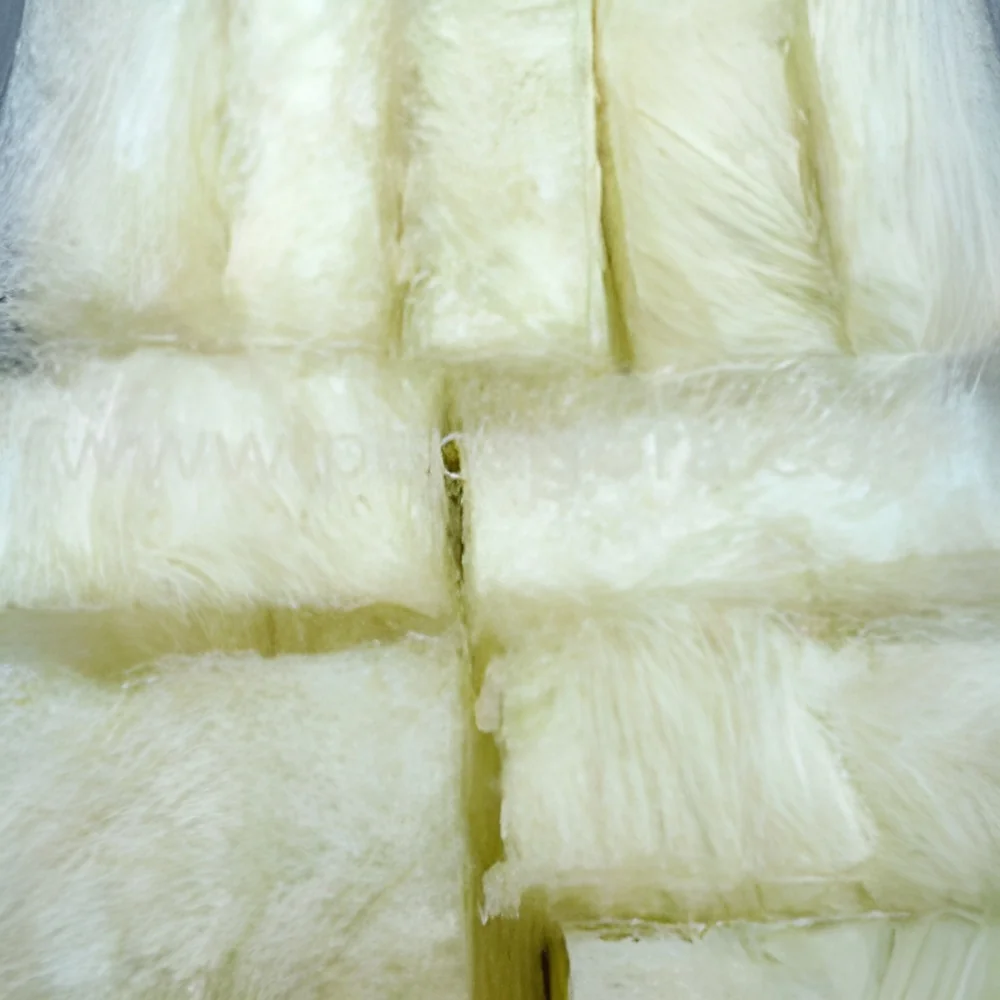
Agar bars are solid forms of Agar Agar that can be cut into desired sizes. They are often used in culinary applications for precise measurements.
Benefits and Advantages
Agar Agar offers numerous advantages, making it a valuable ingredient for B2B buyers.
1. Vegetarian and Vegan Friendly: Agar Agar is a plant-based alternative to gelatin, catering to the growing demand for vegetarian and vegan products.
2. High Gel Strength: Its superior gel strength allows for the creation of firmer gels, enhancing product quality.
3. Versatile Applications: Agar Agar can be used in various industries, from food to pharmaceuticals, offering flexibility for manufacturers.
4. Stability at High Temperatures: Unlike traditional gelatin, Agar Agar maintains its structure at higher temperatures, making it ideal for heat-sensitive applications.
5. Easy to Use: Agar Agar dissolves readily in boiling water and sets quickly, streamlining production processes.
6. Health Benefits: Agar Agar is high in fiber and low in calories, appealing to health-conscious consumers.
Buying Guide for B2B Buyers
When sourcing Agar Agar for industrial use, several factors should be considered to ensure quality and suitability.
1. Quality Assessment: Evaluate the purity and quality standards of the Agar Agar. Ensure it meets relevant food safety regulations and industry specifications for your specific application.
2. Supplier Verification: Conduct due diligence on potential suppliers. Verify their credentials, certifications, and track record in providing quality Agar Agar.
3. Pricing and MOQ: Understand the pricing structure and minimum order quantities (MOQ). Compare quotes from different suppliers to ensure competitive pricing.
4. Delivery and Lead Times: Discuss logistics with suppliers to confirm delivery schedules and lead times. Timely delivery is crucial for maintaining production timelines.
5. Compliance Requirements: Ensure that the Agar Agar complies with regional and international regulations, including food safety standards and labeling requirements.
Compliance and Certifications
Agar Agar is subject to various quality standards and certifications that ensure its safety and efficacy in industrial applications.
ISO 9001 is a widely recognized standard that outlines quality management principles. Suppliers adhering to this standard demonstrate their commitment to consistent quality in their products.
HACCP (Hazard Analysis and Critical Control Points) is essential for food safety. This certification indicates that suppliers have implemented systematic processes to identify and control potential hazards in food production.
CE certification is relevant for products used in the European market. It signifies that the Agar Agar meets safety and health requirements set by the European Union.
In addition to quality standards, safety and testing requirements must be adhered to. Regular testing for contaminants and compliance with food safety regulations is critical for ensuring product integrity.
Regional compliance considerations may vary, so buyers should be aware of local regulations that may impact the sourcing and use of Agar Agar.
Why Source Agar Agar from Pepagora?
Pepagora is a reliable platform for sourcing Agar Agar, offering several key advantages to buyers.
Verified Supplier Network: Pepagora connects buyers with verified suppliers who meet stringent quality standards. This network facilitates trust and reliability in sourcing.
Streamlined RFQ Process: The request for quotation (RFQ) process is designed to simplify sourcing. Buyers can easily submit their requirements and receive competitive quotes from multiple suppliers.
Trade Assurance and Support: Pepagora provides trade assurance, protecting buyers throughout the purchasing process. This includes support for any issues that may arise, ensuring a smooth transaction.
Regional Coverage: With a strong presence in India, the Gulf Cooperation Council (GCC), and Southeast Asia, Pepagora offers extensive regional coverage. This geographic reach enables buyers to access a diverse range of suppliers and products, facilitating efficient sourcing.


Frequently Asked Questions
What are Agar Agar?
Agar Agar is a gelatinous substance derived from red algae, primarily used as a vegetarian alternative to gelatin. It has a wide range of applications in food, pharmaceuticals, and laboratory settings due to its gelling and thickening properties.
What are the different types of Agar Agar?
There are several types of Agar Agar, including powder, flakes, and bars. Each type has its specific uses depending on the desired consistency and application, with powder being the most commonly used form in culinary and scientific applications.
How do I choose the right Agar Agar?
Choosing the right Agar Agar depends on your intended use, such as food preparation or laboratory applications. Consider factors like the form of Agar Agar (powder, flakes, bars), gelling strength, and any specific dietary requirements your product must meet.
What are the standard specifications for Agar Agar?
Standard specifications for Agar Agar include parameters such as gel strength, moisture content, and microbial limits. Quality control measures ensure that Agar Agar meets food-grade standards for consumption and is suitable for various industrial applications.
What is the price range for Agar Agar?
The price of Agar Agar can vary widely based on quality, form, and supplier. Generally, the price range in India is between INR 200 to INR 800 per kilogram, depending on the product specifications and order quantity.
What quality standards apply to Agar Agar?
Agar Agar must comply with food safety standards established by organizations such as FSSAI in India and Codex Alimentarius internationally. These standards ensure that the Agar Agar is safe for consumption and free from harmful contaminants.
Where can I find Agar Agar suppliers in India?
You can find Agar Agar suppliers in India through B2B marketplaces like Pepagora, trade shows, and local industry directories. Online platforms provide a convenient way to compare different suppliers and their offerings.
Can Agar Agar be customized?
Yes, Agar Agar can be customized in terms of gelling strength, particle size, and packaging according to specific customer requirements. It is advisable to discuss customization options directly with suppliers to meet your needs.
What is the typical minimum order quantity for Agar Agar?
The typical minimum order quantity (MOQ) for Agar Agar varies by supplier but generally ranges from 25 kg to 100 kg. It's important to check with individual suppliers for their specific MOQ policies.
What is the typical lead time for Agar Agar?
The typical lead time for Agar Agar orders can range from 5 to 15 business days, depending on the supplier's inventory and production capacity. For bulk orders, it's advisable to confirm the lead time during the ordering process.
Why Businesses Trust Pepagora
Thousands of companies trust Pepagora to source smarter and sell faster
Expand Your Sales Globally

Source Smarter,Grow Faster
