
 IN
INAcrylonitrile
5 products available
What are Acrylonitrile?
Key Features and Specifications
Common Applications and Use Cases
Product Variants and Subcategories
Benefits and Advantages
Buying Guide for B2B Buyers
Compliance and Certifications
Why Source Acrylonitrile from Pepagora?

 India
India


Frequently Asked Questions
What are Acrylonitrile?
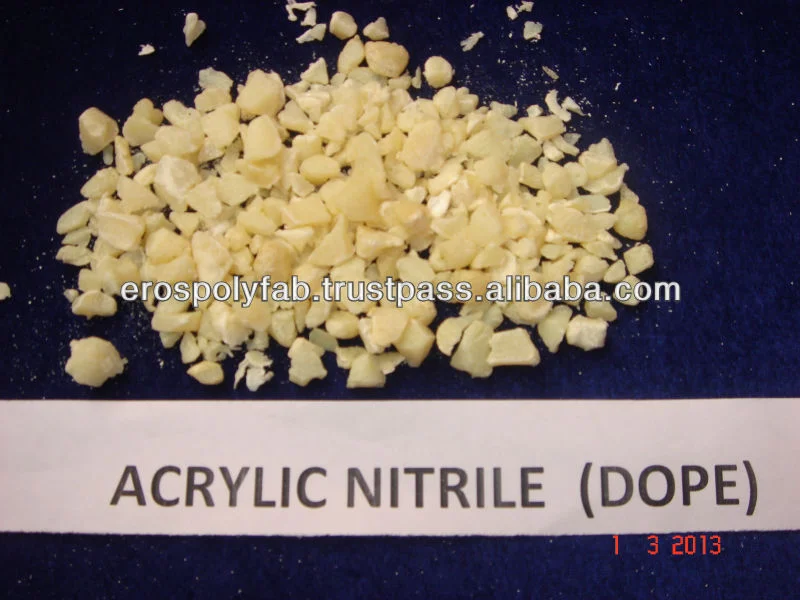
Acrylonitrile is a colorless, flammable liquid with a distinctive odor. It is primarily used in the production of plastics, synthetic fibers, and resins. Acrylonitrile is an important monomer for the synthesis of various polymers, including polyacrylonitrile, which is used in textiles and carbon fibers.
What are the different types of Acrylonitrile?
Acrylonitrile is typically categorized based on its application and form, including pure acrylonitrile and acrylonitrile copolymers. Copolymers may include combinations with other monomers like butadiene or styrene, resulting in materials with tailored properties for specific uses. Each type serves different industrial applications, from textiles to automotive parts.
How do I choose the right Acrylonitrile?
Choosing the right acrylonitrile depends on the intended application and required properties. Consider factors such as the desired polymer characteristics, compatibility with other materials, and any specific industry standards. Consulting with suppliers and industry experts can provide insights into the most suitable type for your needs.
What are the standard specifications for Acrylonitrile?
Standard specifications for acrylonitrile typically include purity levels, boiling point, and density. The purity of acrylonitrile is crucial for ensuring consistent quality in applications, often specified at 99% or higher. Additional parameters may also be detailed based on industry requirements, such as color and viscosity.
What is the price range for Acrylonitrile?
The price of acrylonitrile can vary significantly based on market conditions, supplier and quality. Generally, the price range can fall between INR 100 to INR 200 per kilogram, but fluctuations may occur due to demand and supply dynamics. For precise pricing, it is advisable to contact suppliers directly.
What quality standards apply to Acrylonitrile?
Acrylonitrile must meet various quality standards depending on its application, including ASTM and ISO specifications. These standards ensure the material's safety, performance, and environmental compliance. Manufacturers often conduct rigorous testing to adhere to these quality benchmarks before supplying.
Where can I find Acrylonitrile suppliers in India?
Acrylonitrile suppliers can be found through various online B2B marketplaces, trade directories, and industry associations in India. Platforms like Pepagora.com provide a comprehensive list of manufacturers and suppliers, allowing buyers to compare offerings and establish direct contacts. Networking within industry events can also help locate reliable suppliers.
Can Acrylonitrile be customized?
Yes, acrylonitrile can be customized to meet specific requirements by altering its formulation or blending it with other materials. Customization can enhance properties such as durability, flexibility, and heat resistance, making it suitable for specialized applications. It is essential to discuss your specific needs with manufacturers for tailored solutions.
What is the typical minimum order quantity for Acrylonitrile?
The typical minimum order quantity (MOQ) for acrylonitrile can vary by supplier, but it often starts at around 500 kilograms. Larger quantities may be necessary for customized formulations or specific applications. It is advisable to check with individual suppliers to understand their MOQ policies.
What is the typical lead time for Acrylonitrile?
The typical lead time for acrylonitrile can range from 1 to 4 weeks, depending on factors like supplier location, order size, and production schedules. Custom orders may require additional time for formulation and testing. It is recommended to confirm lead times with your supplier during the ordering process.
Why Businesses Trust Pepagora
Thousands of companies trust Pepagora to source smarter and sell faster
Expand Your Sales Globally

Source Smarter,Grow Faster
