IN
IN₹
Apparel & Fashion
Description
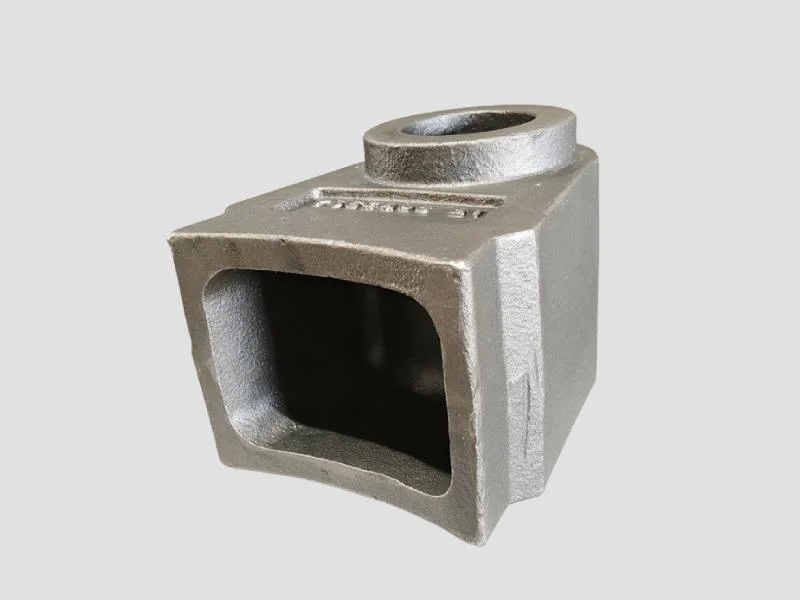
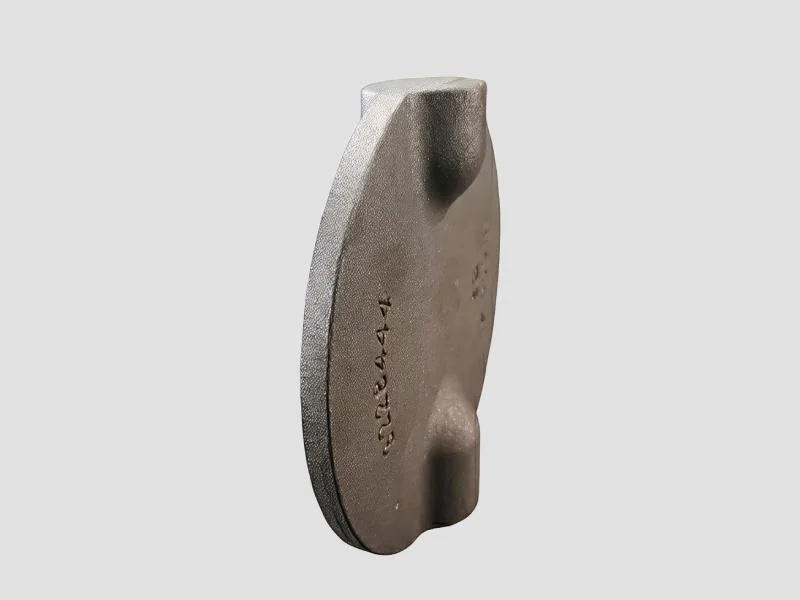
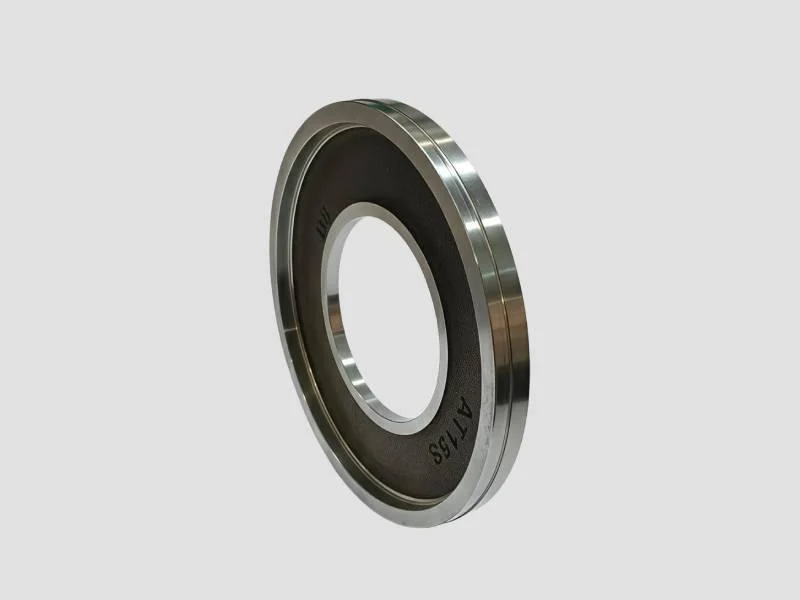
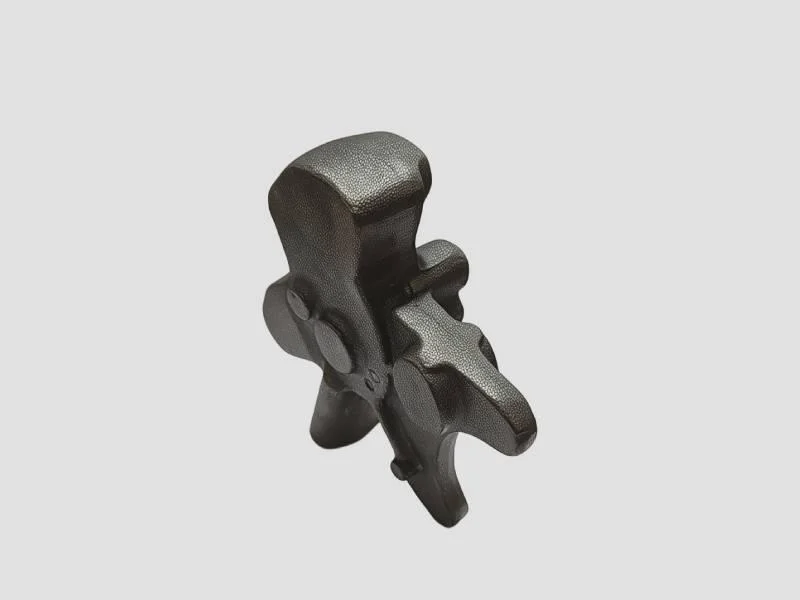
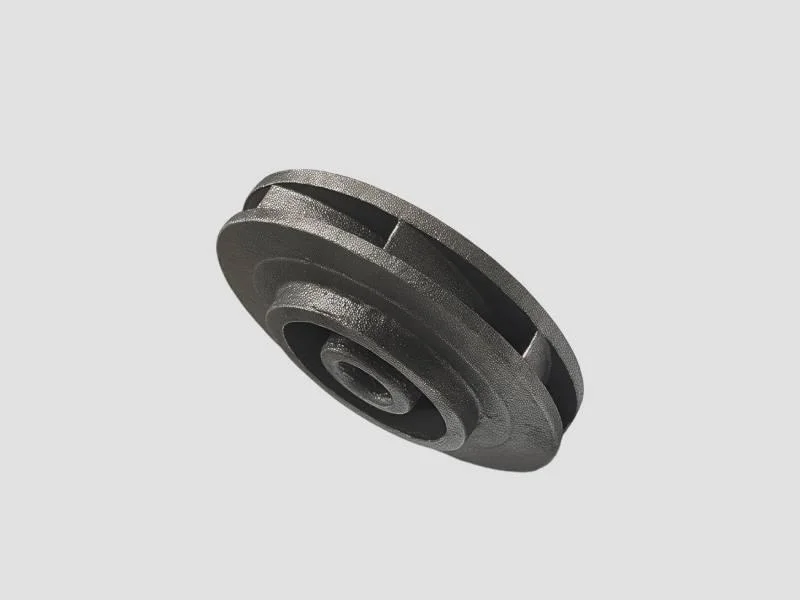
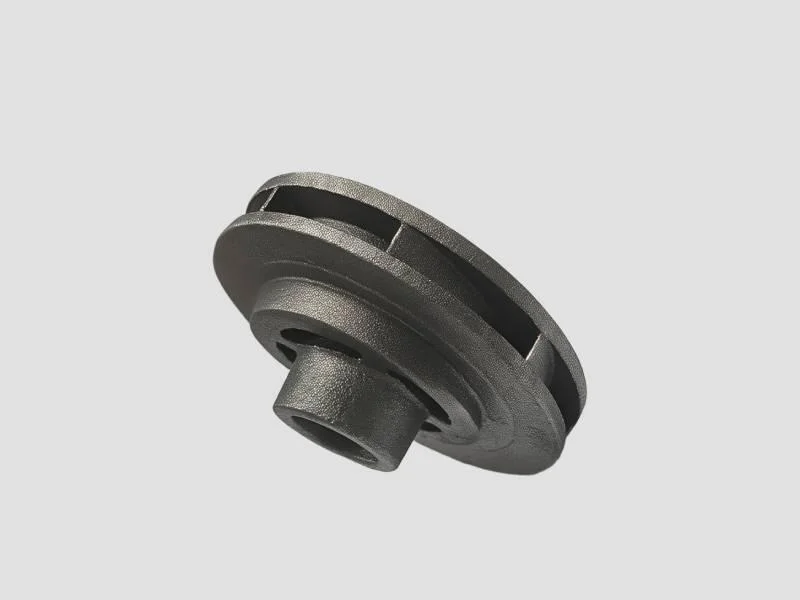
The inlet casting is a precision-engineered industrial component designed to serve as the primary entry point for fluids and gases in mechanical systems. Manufactured using robust materials like cast iron, ductile iron, mild steel, and alloy steel, it is built to deliver exceptional durability and long-term reliability. Available through various casting processes including sand casting, investment casting, and gravity die casting, it offers flexibility to meet specific design and performance requirements. The component features a smooth machined or shot blasted surface finish, ensuring optimal flow characteristics and resistance to wear. With a customizable wall thickness and adherence to standard industrial tolerances, it provides a precise fit and consistent performance, making it a fundamental part of any system where controlled fluid entry is critical for overall efficiency and safety.

This component finds extensive usage across a diverse range of industries that depend on robust ...
The inlet casting is a precision-engineered industrial component designed to serve as the primary entry point for fluids and gases in mechanical systems. Manufactured using robust materials like cast iron, ductile iron, mild steel, and alloy steel, it is built to deliver exceptional durability and long-term reliability. Available through various casting processes including sand casting, investment casting, and gravity die casting, it offers flexibility to meet specific design and performance requirements. The component features a smooth machined or shot blasted surface finish, ensuring optimal flow characteristics and resistance to wear. With a customizable wall thickness and adherence to standard industrial tolerances, it provides a precise fit and consistent performance, making it a fundamental part of any system where controlled fluid entry is critical for overall efficiency and safety.

This component finds extensive usage across a diverse range of industries that depend on robust fluid and gas handling. In the power generation sector, it is integral to turbines and generators. Manufacturing and processing industries utilize it within pumps, compressors, and hydraulic systems for material transfer and processing. The automotive and aerospace fields incorporate it into engine and propulsion systems for efficient air and fuel management. Furthermore, it is essential in water treatment, chemical processing, and HVAC systems, where reliable fluid control is paramount. Its ability to perform under moderate to high temperatures and across various pressure ranges makes it a universal solution for engineers and system designers seeking dependable inlet management.

The business value of this inlet casting lies in its direct contribution to operational uptime, system efficiency, and reduced maintenance costs. By ensuring a uniform and turbulence-free entry of media, it enhances the performance and lifespan of connected equipment like impellers and valves. Its reliable construction minimizes the risk of failure, leaks, or flow disruptions that can lead to costly downtime. The availability in multiple material grades and casting types allows for precise selection based on corrosion resistance, strength, and cost requirements, offering excellent value. For buyers, this translates into a trustworthy component that supports continuous production, meets stringent industry standards, and delivers a strong return on investment through dependable service in demanding environments.

Key Features:
- Manufactured from high-grade materials including Cast Iron, Ductile Iron, Mild Steel, and Alloy Steel for strength and durability.
- Produced via Sand Casting, Investment Casting, or Gravity Die Casting processes to suit different precision and volume needs.
- Available with a Smooth Machined Finish or Shot Blasted Finish for optimal surface quality and flow efficiency.
- Features customizable wall thickness and adheres to standard industrial tolerances for precise integration into systems.
- Engineered with optimized inlet geometry to ensure uniform fluid entry and compatibility with low, medium, and high-pressure applications.

Benefits:
- Ensures reliable and consistent performance in moderate to high-temperature operating conditions, reducing system failures.
- Enhances overall system efficiency by providing smooth, controlled fluid intake and minimizing pressure drops.
- Offers long-term durability and corrosion resistance, leading to lower replacement frequency and maintenance costs.
- Provides versatility for integration into a wide array of industrial machinery, from pumps and compressors to turbines and engines.
- Delivers a precise fit and robust construction that protects downstream components, extending the lifespan of the entire system.
Specifications
| Key Attributes | |
|---|---|
| Material Grade | Cast Iron / Ductile Iron / Mild Steel / Alloy Steel, medium, and high-pressure systems |
| Casting Type | Sand Casting / Investment Casting / Gravity Die Casting, Optimized inlet geometry for uniform fluid entry |
| Surface Finish | Smooth Machined Finish / Shot Blasted Finish |
| Wall Thickness | Customizable as per design |
| Tolerance Level | ± Standard Industrial Tolerance |
| Hardness Range | As per material specifications |
| Tensile Strength | As per grade requirement |
| Operating Temperature | Suitable for moderate to high temperature applications |
| Pressure Handling Capacity | Compatible with low |
| Additional Information | |
|---|---|
| Country of Origin | 106 |
Application
This inlet casting serves as a critical entry point component in numerous industrial fluid and gas handling systems. Its primary function is to manage the initial intake of media, ensuring smooth, controlled, and efficient flow into pumps, compressors, turbines, and engines. The optimized geometry and robust construction are designed to minimize turbulence, reduce pressure drops, and protect downstream equipment from damage, making it indispensable for maintaining system integrity and operational efficiency.
Industries rely on this component for its ability to withstand challenging operational conditions, including moderate to high temperatures and varying pressure levels. Its compatibility with low, medium, and high-pressure systems makes it a versatile solution across sectors. The precise manufacturing and material options ensure it meets the specific demands of different applications, from heavy-duty machinery to precision processing equipment, providing a reliable foundation for continuous industrial operations.
- As the intake component for industrial pumps in water treatment plants and chemical processing facilities.
- Integrated into compressor assemblies for air and gas handling in manufacturing and energy sectors.
- Serving as the inlet housing for turbines in power generation and mechanical drive applications.
- Used in engine and blower systems for uniform air or fluid entry in automotive and HVAC industries.
- Functioning within hydraulic and pneumatic systems to direct fluid flow in machinery and automation equipment.
Trade Details
| Available Stock | In Stock |
| Sample Availability | No |
Payment Terms
| Payment Terms |
|
Company Profile

Bharathi Industries, Tamil Nadu
 Tamil Nadu, India
Tamil Nadu, India28 yrs
Industrial Equipment & Machinery•Manufacturer
Turn Over
₹25 Lakhs – ₹1 Crore
Factory Details
Factory SizeAbove 5000 sqm
Industrial Inlet Casting For Fluid Systems Cast Iron, Steel Options
Inlet Casting engineered component for fluid systems, available in cast iron, ductile iron, mild steel, or alloy steel. Features sand, investment, or gravity die casting with smooth or shot blasted finish for durable, precise performance in industrial applications.
Min. Order Quantity: 1
Shipping
Shipping fee and delivery date to be negotiated. Contact supplier now for more details.
Bharathi Industries Tamil Nadu, India
Tamil Nadu, IndiaIndustrial Equipment & MachineryManufacturer