
 IN
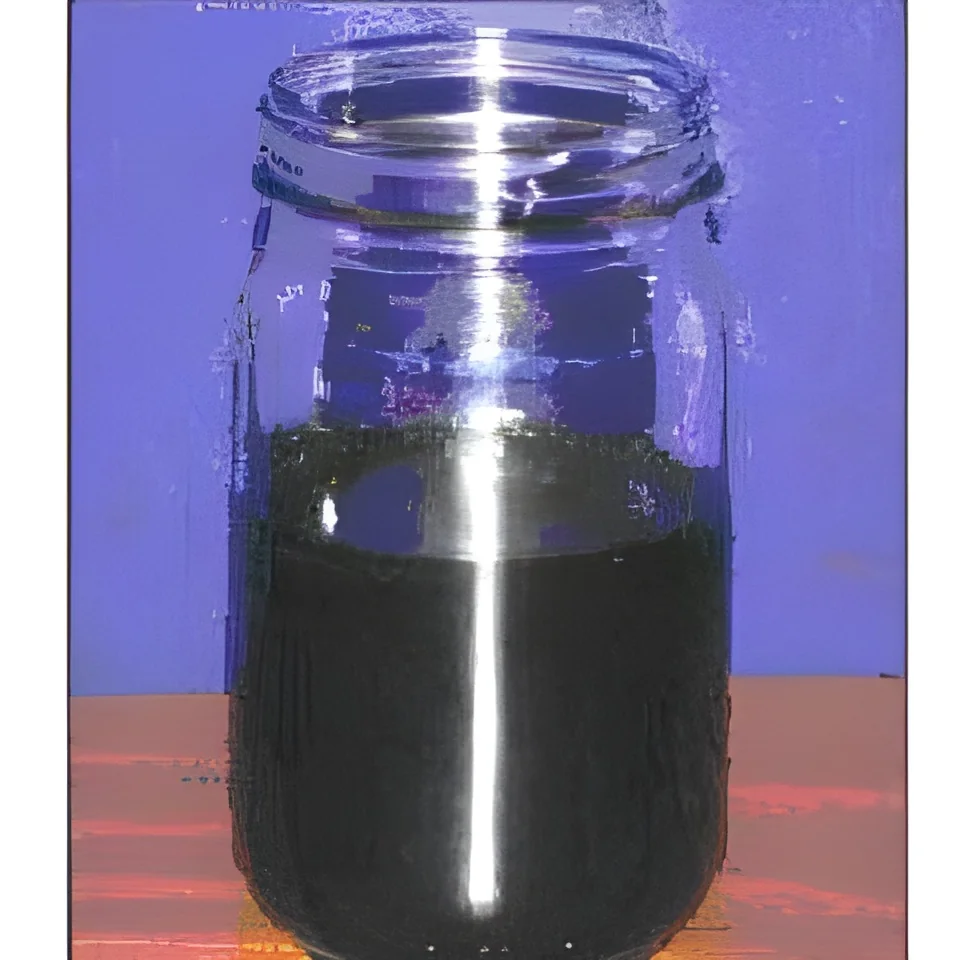
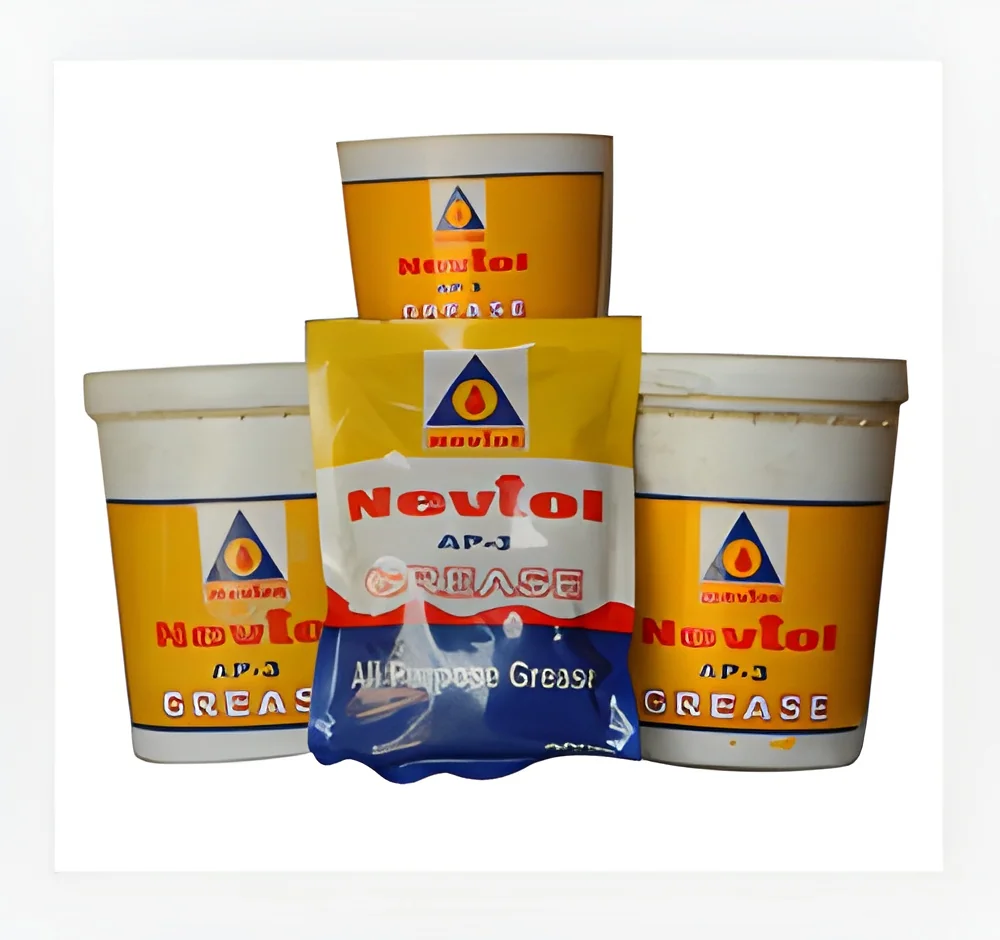
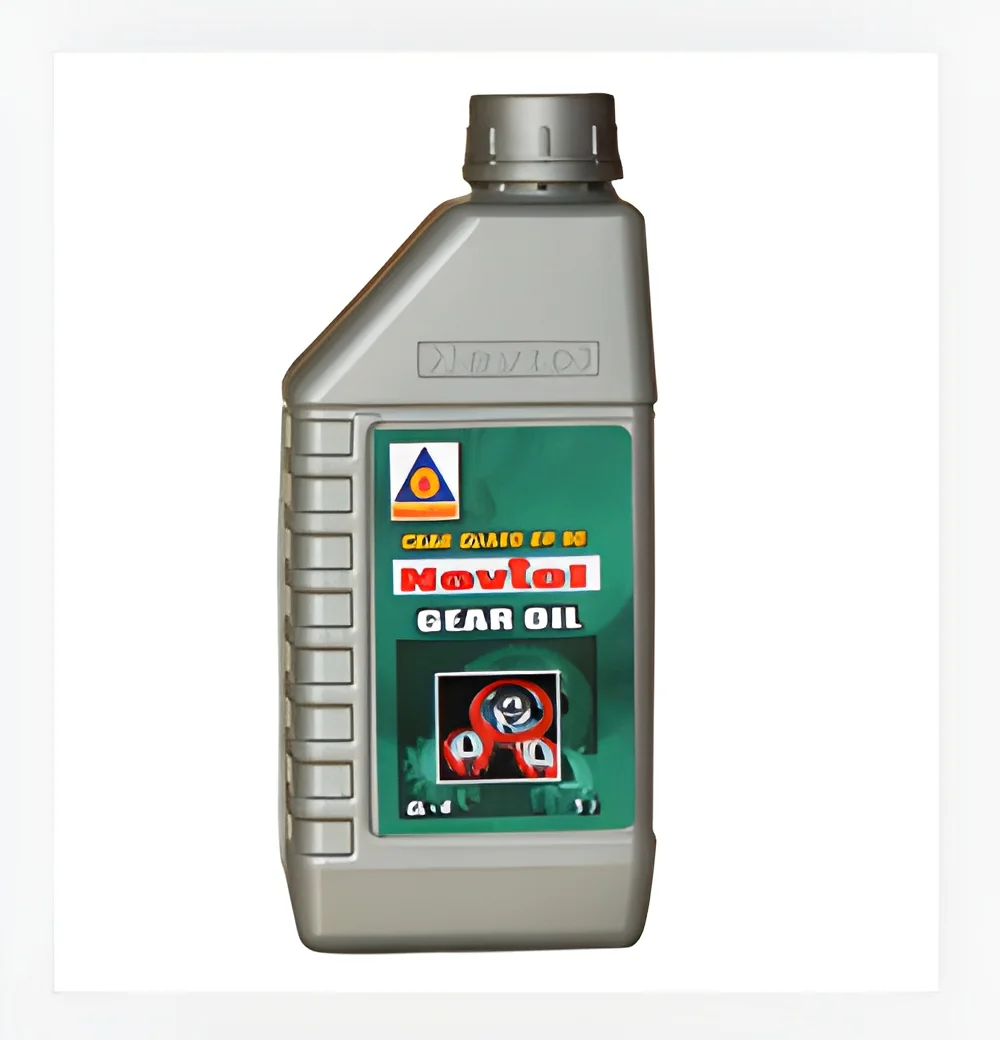
Lubricants & Greases
208 products available
𝗪𝗵𝗮𝘁 𝗮𝗿𝗲 𝗟𝘂𝗯𝗿𝗶𝗰𝗮𝗻𝘁𝘀 & 𝗚𝗿𝗲𝗮𝘀𝗲𝘀?
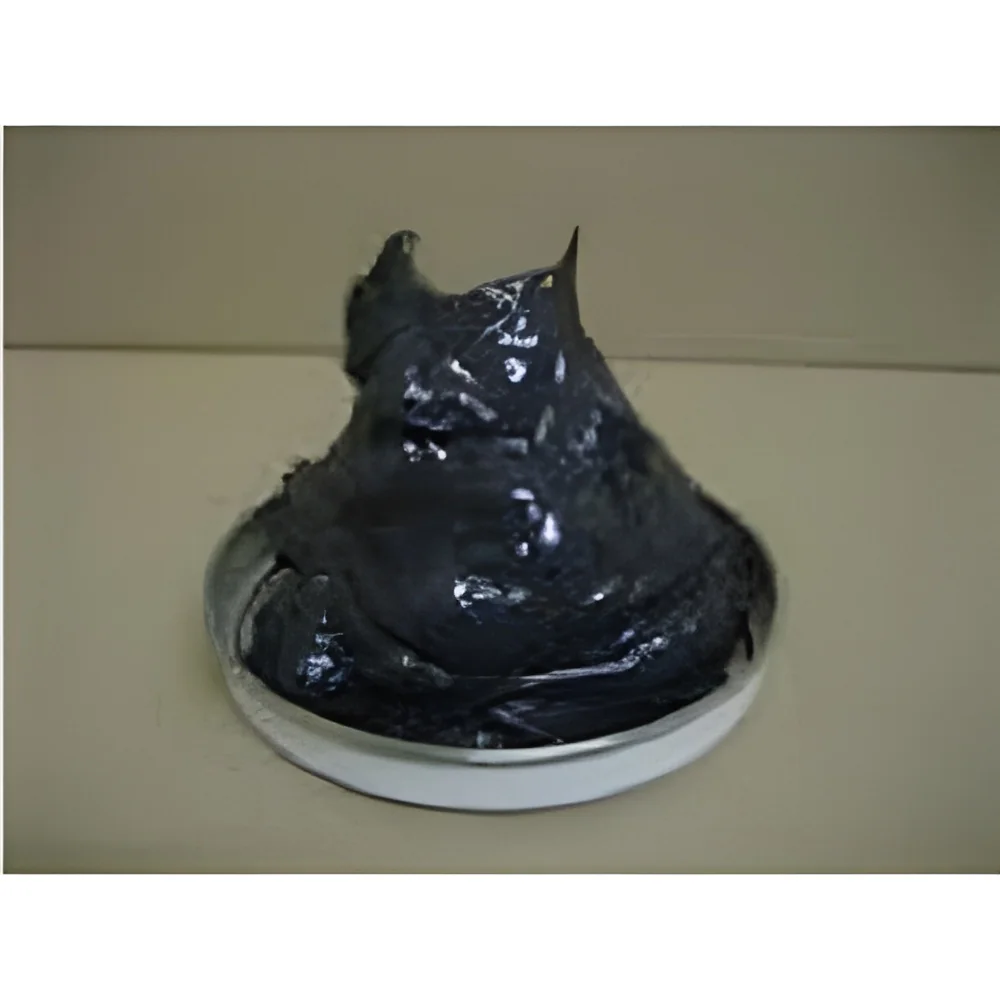
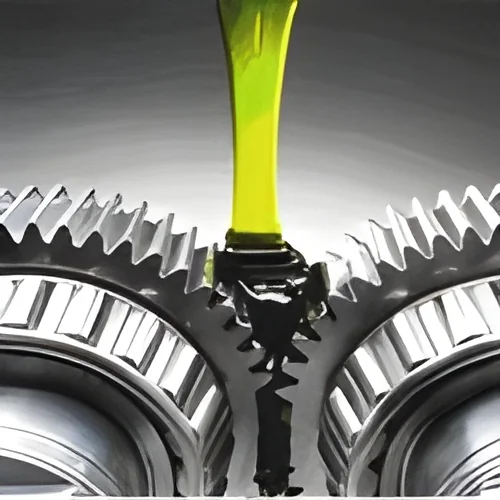
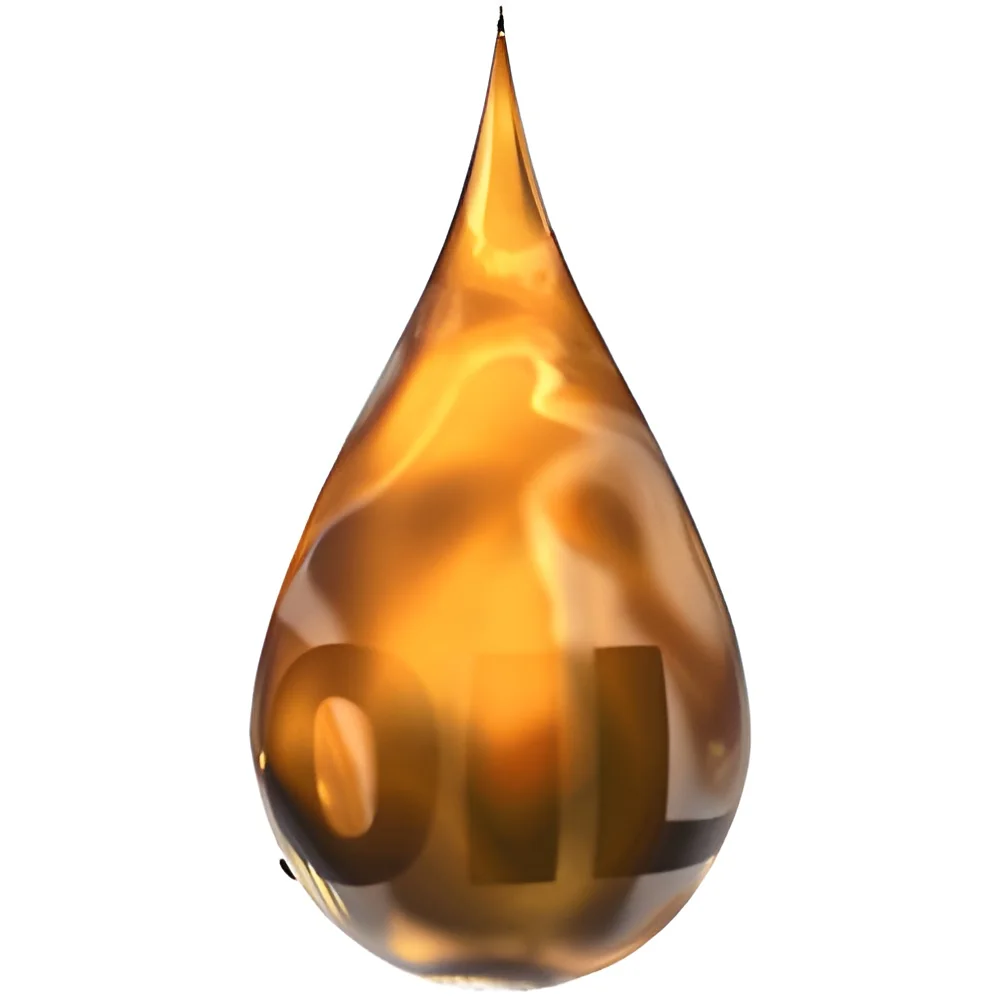
Lubricants and greases are substances designed to reduce friction between surfaces in mutual contact. They serve to protect machinery and equipment from wear and tear, ensuring smooth operation and longevity. Lubricants are typically liquid, while greases are semi-solid and contain a thickening agent. Both variants play a critical role in maintaining the efficiency of mechanical systems.
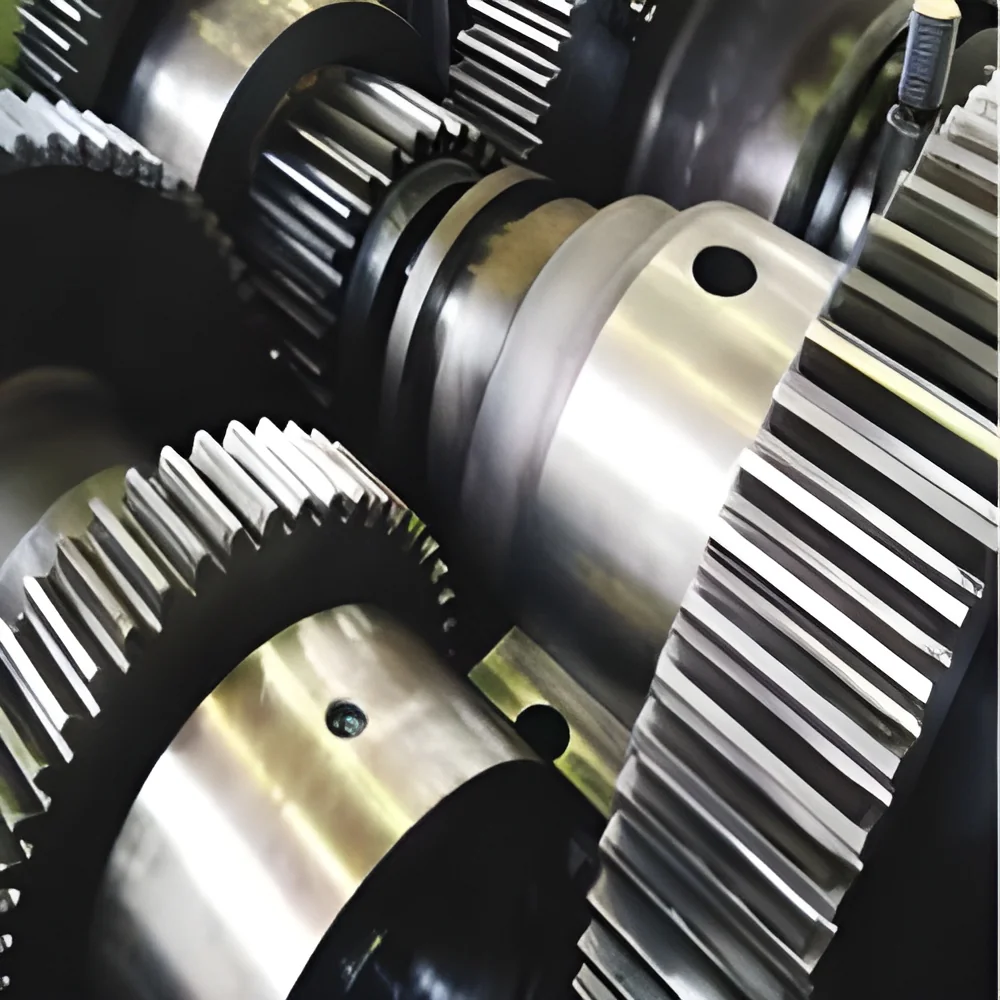
These products are widely used across various industries, including automotive, manufacturing, and construction. In each application, they help to minimize friction, prevent corrosion, and dissipate heat generated during operation. As machinery operates, the right lubricant or grease can extend service life, enhance performance, and reduce maintenance costs. The growing demand for high-performance lubricants and greases reflects their importance in today’s competitive market.
With increasing industrial activities and technological advancements, the lubricants and greases market is expected to grow significantly. Businesses are focusing on innovation and sustainability, leading to the development of eco-friendly lubricant solutions. Companies must stay informed about the latest trends and product advancements to remain competitive in the industry.
𝗞𝗲𝘆 𝗙𝗲𝗮𝘁𝘂𝗿𝗲𝘀 𝗮𝗻𝗱 𝗦𝗽𝗲𝗰𝗶𝗳𝗶𝗰𝗮𝘁𝗶𝗼𝗻𝘀
Lubricants and greases come with various features and specifications tailored to meet specific operational needs. Understanding these characteristics is essential for selecting the right product for your application.
Key specifications include:
1. Viscosity
- A measure of a fluid's resistance to flow.
- Typically expressed in centistokes (cSt) at a specified temperature.
2. NLGI Grade
- Indicates the consistency of grease.
- Ranges from 000 (very fluid) to 6 (very stiff).
3. Dropping Point
- The temperature at which grease transitions from a semi-solid to a liquid state.
- Critical for high-temperature applications.
4. Base Oil Type
- Refers to the type of oil used, such as mineral, synthetic, or biodegradable.
- Each type has different properties and applications.
5. Additives
- Chemicals added to enhance performance, such as anti-wear agents and rust inhibitors.
- Specific formulations can target particular operating conditions.
6. Operating Temperature Range
- The temperature range in which the lubricant or grease can effectively perform.
- Important for applications that involve extreme heat or cold.
7. Compatibility
- The ability of a lubricant to work effectively with different materials and seals.
- Ensures that no adverse reactions occur in mixed applications.
8. Environmental Considerations
- Assessment of biodegradability and toxicity.
- Growing importance in industries focused on sustainability.
Selecting the appropriate specifications ensures optimal performance and efficiency in your machinery.
𝗖𝗼𝗺𝗺𝗼𝗻 𝗔𝗽𝗽𝗹𝗶𝗰𝗮𝘁𝗶𝗼𝗻𝘀 𝗮𝗻𝗱 𝗨𝘀𝗲 𝗖𝗮𝘀𝗲𝘀
Lubricants and greases are integral to a range of industries, each with unique requirements.
1. Automotive: Used in engines, gearboxes, and bearings to reduce friction and prevent wear. Proper lubrication enhances vehicle performance and extends service intervals.
2. Manufacturing: Essential for machinery used in production lines. They minimize downtime and maintenance costs while improving equipment reliability.
3. Construction: Greases are applied to heavy machinery and equipment under a variety of conditions. They protect against dirt, moisture, and heavy loads.
4. Aerospace: High-performance lubricants are critical for aircraft engines and components. They must withstand extreme temperatures and pressures.
5. Marine: Lubricants are used in ships and boats to protect against corrosion and ensure smooth operation in harsh environments.
6. Chemical Processing: Used in pumps and valves to prevent corrosion and ensure safe operation in the presence of aggressive chemicals.
7. Food and Beverage: Food-grade lubricants are necessary for equipment in processing plants to prevent contamination and ensure compliance with health standards.
𝗣𝗿𝗼𝗱𝘂𝗰𝘁 𝗩𝗮𝗿𝗶𝗮𝗻𝘁𝘀 𝗮𝗻𝗱 𝗦𝘂𝗯𝗰𝗮𝘁𝗲𝗴𝗼𝗿𝗶𝗲𝘀
Lubricants and greases come in various forms to address different operational needs.
Multi-Purpose Grease
This variant is suitable for a wide range of applications, providing excellent protection against wear and corrosion. It typically contains lithium soap as a thickener, making it versatile for use in automotive and industrial settings.
High-Temperature Grease
Designed to withstand elevated temperatures, this variant ensures stable performance in extreme conditions. It is commonly used in applications such as ovens and furnaces, where conventional greases might fail.
Low-Temperature Grease
Ideal for cold environments, low-temperature greases maintain their consistency and performance even in freezing conditions. They are essential for outdoor machinery that operates in winter climates.
Synthetic Lubricants
These are engineered for high performance and offer superior protection under extreme conditions. Synthetic lubricants are often used in high-speed applications and environments with severe temperature fluctuations.
𝗕𝗲𝗻𝗲𝗳𝗶𝘁𝘀 𝗮𝗻𝗱 𝗔𝗱𝘃𝗮𝗻𝘁𝗮𝗴𝗲𝘀
Selecting the right lubricants and greases offers numerous benefits to businesses.
1. Reduced Wear and Tear: Effective lubrication minimizes friction, leading to less wear on machinery components.
2. Increased Efficiency: Proper lubrication allows machines to run more smoothly, resulting in improved energy efficiency.
3. Extended Equipment Life: Regular use of high-quality lubricants can significantly extend the lifespan of equipment, reducing replacement costs.
4. Maintenance Cost Reduction: By minimizing breakdowns and maintenance needs, businesses can lower operational costs.
5. Environmental Compliance: Many modern lubricants are designed to be environmentally friendly, helping companies meet regulatory requirements.
6. Enhanced Performance: Specialized lubricants can improve the performance characteristics of machinery, leading to better overall productivity.
𝗕𝘂𝘆𝗶𝗻𝗴 𝗚𝘂𝗶𝗱𝗲 𝗳𝗼𝗿 𝗕𝟮𝗕 𝗕𝘂𝘆𝗲𝗿𝘀
When sourcing lubricants and greases, it is crucial to consider various factors to ensure the right selection.
1. Quality Assessment: Evaluate the quality of lubricants by reviewing certifications and testing data. Look for industry standards that ensure reliability and performance.
2. Supplier Verification: Vet suppliers based on their reputation, certifications, and customer reviews. A reliable supplier will offer consistent quality and support.
3. Pricing and MOQ: Understand pricing structures and minimum order quantities. Negotiating favorable terms can lead to better cost management.
4. Delivery and Lead Times: Confirm lead times and delivery options to ensure timely supply to meet production demands. Delays can impact operations significantly.
5. Compliance Requirements: Be aware of regulatory standards and certifications applicable to your industry. Ensuring compliance can prevent legal issues and enhance product credibility.
𝗖𝗼𝗺𝗽𝗹𝗶𝗮𝗻𝗰𝗲 𝗮𝗻𝗱 𝗖𝗲𝗿𝘁𝗶𝗳𝗶𝗰𝗮𝘁𝗶𝗼𝗻𝘀
Compliance with quality standards and certifications is vital for lubricants and greases.
ISO 9001 is a widely recognized standard that ensures quality management systems are in place. This certification demonstrates a commitment to continuous improvement and customer satisfaction.
HACCP (Hazard Analysis Critical Control Point) is essential for food-grade lubricants, ensuring that products meet safety standards and minimize contamination risks in food processing.
CE marking indicates compliance with European Union safety, health, and environmental protection standards. This certification is crucial for lubricants sold within the EU market.
Safety and testing requirements are paramount, ensuring that products are safe for intended uses. Regular testing for performance, toxicity, and environmental impact is necessary.
Regional compliance considerations vary based on local regulations. Companies should stay informed about the standards applicable in their operational regions to maintain compliance.
𝗪𝗵𝘆 𝗦𝗼𝘂𝗿𝗰𝗲 𝗟𝘂𝗯𝗿𝗶𝗰𝗮𝗻𝘁𝘀 & 𝗚𝗿𝗲𝗮𝘀𝗲𝘀 𝗳𝗿𝗼𝗺 𝗣𝗲𝗽𝗮𝗴𝗼𝗿𝗮?
Pepagora provides a trusted platform for sourcing lubricants and greases with several key advantages.
Verified Supplier Network: Our platform features a network of verified suppliers who meet stringent quality and reliability standards. This ensures that buyers can trust the products they source.
Streamlined RFQ Process: The Request for Quotation (RFQ) system simplifies the procurement process, allowing buyers to quickly receive quotes from multiple suppliers. This efficiency can significantly reduce sourcing time.
Trade Assurance and Support: Pepagora offers trade assurance, providing buyers with protection throughout the purchasing process. Our support team is available to assist with any concerns or questions.
Regional Coverage: With a strong presence in India, the Gulf Cooperation Council (GCC), and Southeast Asia, Pepagora ensures that businesses can access high-quality lubricants and greases tailored to their specific regional needs. Our geographic reach allows for competitive pricing and timely delivery to various markets.




 India
 India

 India
 India
 India
 India


 India
 India
 India
 India
 India
 India
 India

 India



 India
 India


 India
 India
 India

 India

 India
 India

 India
 India

 India
 India
 India
 India


 India

 India
 India
 India
 India
 India
 India


 India
 India

 India
 India
 India
 India
 India
 India


 India
 India
 India
Frequently Asked Questions
What are Lubricants & Greases?
Lubricants & Greases are substances used to reduce friction between surfaces in mutual contact, which ultimately minimizes the wear and tear on machinery. They help in enhancing the efficiency and lifespan of mechanical components by providing a protective layer that prevents corrosion and overheating.
What are the different types of Lubricants & Greases?
The different types of Lubricants & Greases include mineral oils, synthetic oils, biodegradable lubricants, and specialty greases. Each type is formulated for specific applications, such as automotive, industrial, or marine environments, depending on factors like temperature, load, and speed.
How do I choose the right Lubricants & Greases?
Choosing the right Lubricants & Greases involves considering the specific application requirements, such as operating temperature, load conditions, and compatibility with materials. It's also important to refer to manufacturer recommendations and industry standards to ensure optimal performance.
What are the standard specifications for Lubricants & Greases?
Standard specifications for Lubricants & Greases typically include viscosity, consistency, and performance characteristics such as pour point and flash point. These specifications are often defined by organizations like ASTM, ISO, and NLGI, ensuring quality and reliability in various applications.
What is the price range for Lubricants & Greases?
The price range for Lubricants & Greases can vary widely based on factors like type, quality, and quantity purchased. Generally, prices can range from a few hundred to several thousand Indian Rupees per liter or kilogram, depending on the specific formulation and supplier.
What quality standards apply to Lubricants & Greases?
Quality standards for Lubricants & Greases include ISO 9001, SAE J300, and various API classifications. These standards ensure that the products meet specific performance criteria and are safe for use in their intended applications.
Where can I find Lubricants & Greases suppliers in India?
Lubricants & Greases suppliers in India can be found through B2B marketplaces like Pepagora, industry trade shows, and online directories. Conducting thorough research and reviewing supplier credentials can help in finding reliable manufacturers and distributors.
Can Lubricants & Greases be customized?
Yes, many manufacturers offer customization options for Lubricants & Greases to meet specific customer requirements. Customizations may include formulation adjustments, packaging sizes, and labeling to suit particular applications or industry standards.
What is the typical minimum order quantity for Lubricants & Greases?
The typical minimum order quantity (MOQ) for Lubricants & Greases can vary by supplier but often ranges from 100 liters to 1000 liters. It's advisable to check with individual suppliers for their specific MOQs and any associated pricing structures.
What is the typical lead time for Lubricants & Greases?
The typical lead time for Lubricants & Greases can range from a few days to several weeks, depending on factors such as order size, customization requirements, and supplier location. It's recommended to discuss lead times with suppliers when placing an order.
Why Businesses Trust Pepagora
Thousands of companies trust Pepagora to source smarter and sell faster
Expand Your Sales Globally

Source Smarter,Grow Faster
