What are Transformer Oils?
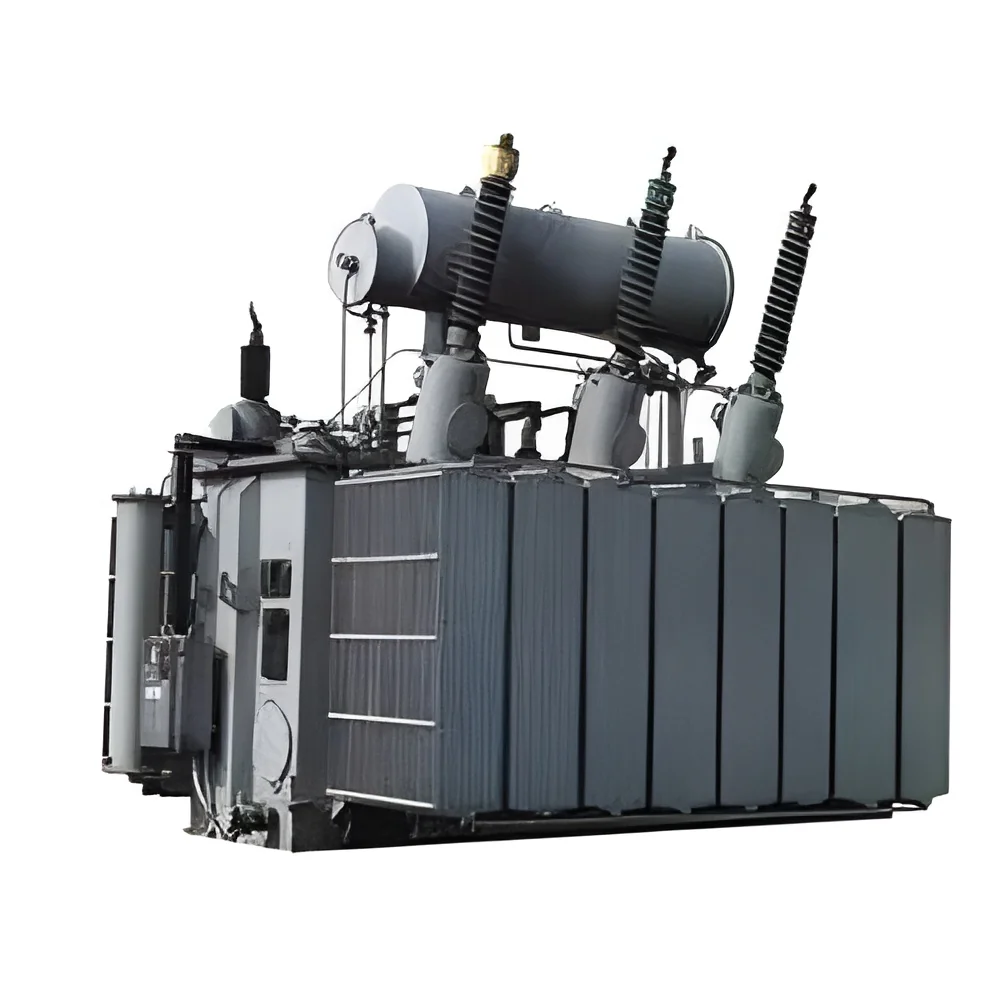
Transformer oils are specialized insulating liquids used in transformers and other electrical devices. Their primary function is to provide insulation and cooling, which is crucial for the efficient operation of transformers. These oils are typically derived from mineral oil or synthetic compounds and possess excellent dielectric properties, making them suitable for high-voltage applications.
The primary uses of transformer oils extend beyond just insulation and cooling. They are widely utilized in electrical power generation, transmission, and distribution systems. Businesses in sectors such as utilities, manufacturing, and telecommunications rely on transformer oils to ensure their equipment operates optimally. The relevance of transformer oils in the energy sector is paramount, as they contribute to the stability and safety of electrical systems, making them a critical component in today’s industrial landscape.
Key Features and Specifications
Transformer oils come with a variety of features and specifications that determine their performance and suitability for specific applications. Understanding these features is essential for selecting the right oil for your needs.
Key specifications include:
1. Dielectric Strength
- Indicates the voltage an oil can withstand without failing.
- Typically ranges from 30 kV to 70 kV.
2. Flash Point
- The temperature at which the oil can vaporize to form an ignitable mixture in air.
- Generally, the flash point is above 140 degrees Celsius.
3. Viscosity
- Measures the resistance of the oil to flow.
- Usually, the viscosity index ranges from 10 to 20 centistokes at 40 degrees Celsius.
4. Oxidation Stability
- Refers to the oil's resistance to degradation over time.
- Oils are tested to ensure they meet specific oxidation stability requirements.
5. Water Content
- Indicates the amount of water present in the oil.
- Ideally, the water content should be less than 50 parts per million (ppm).
6. Chemical Composition
- Refers to the specific hydrocarbons present in the oil.
- The composition can affect the oil's performance and compatibility with other materials.
7. Density
- The mass of the oil per unit volume.
- Normal density ranges from 0.85 to 0.90 g/cm³.
8. Interfacial Tension
- Measures the attraction between the oil and water phase.
- Higher interfacial tension indicates better performance in preventing moisture ingress.
In summary, these key specifications play a vital role in determining the effectiveness and longevity of transformer oils in various applications.
Common Applications and Use Cases
Transformer oils are integral to many industries that rely on electrical equipment. Their applications span a wide range of sectors.
1. Energy Sector: Transformer oils are used in power generation and distribution to ensure efficient transmission of electricity. They help in cooling transformers, preventing overheating, and maintaining insulation.
2. Manufacturing: In manufacturing settings, transformer oils are essential for powering machinery and equipment. They are used in electrical systems to maintain operational efficiency and safety.
3. Telecommunications: The telecommunications industry relies on transformer oils for the insulation and cooling of transformers used in telecommunication networks. This ensures consistent performance and reliability.
4. Railways: Transformer oils are used in railway systems to manage electrical systems for trains and signaling. Their insulating properties are critical for safety and operational efficacy.
5. Renewable Energy: With the rise of renewable energy sources, transformer oils are increasingly used in wind and solar power systems to manage electrical grid connections.
6. Industrial Applications: Factories often utilize transformer oils in various electrical systems, ensuring that machinery operates within safe temperature ranges.
7. Oil and Gas: Transformer oils also find applications in oil and gas facilities to power equipment and maintain safety standards.
Product Variants and Subcategories
Transformer oils come in various formulations to meet specific industry needs. Although detailed subcategories are not available, several variants can be highlighted.
Mineral-Based Transformer Oils: These are the most common type and are derived from refined petroleum. They offer excellent insulation properties and are widely used in traditional electrical applications.
Synthetic Transformer Oils: These oils are formulated from synthetic compounds and are designed to have improved thermal properties and oxidation stability. They are often used in high-performance applications and extreme conditions.
Biodegradable Transformer Oils: With an increasing focus on environmental sustainability, biodegradable transformer oils made from natural esters are gaining traction. These oils provide effective insulation while minimizing environmental impact.
High-Temperature Transformer Oils: These oils are specially formulated to withstand higher operational temperatures, making them suitable for applications where heat generation is a concern.
Benefits and Advantages
Transformer oils provide several key benefits that enhance the performance of electrical systems.
1. Efficient Insulation: Transformer oils offer excellent dielectric properties, which help in preventing electrical breakdown and ensure safe operation.
2. Effective Cooling: The thermal conductivity of transformer oils aids in dissipating heat generated during electrical operations, thus prolonging equipment life.
3. Oxidation Resistance: High-quality transformer oils resist oxidation, ensuring they maintain performance over extended periods and reducing the frequency of oil changes.
4. Environmental Safety: Biodegradable options are available, minimizing environmental impact while still providing effective insulation and cooling.
5. Versatility: Transformer oils can be used in a wide range of applications, from traditional power systems to modern renewable energy setups.
6. Cost-Effectiveness: Using transformer oils can lead to reduced maintenance costs and extended equipment lifespan, providing overall savings for businesses.
Buying Guide for B2B Buyers
When sourcing transformer oils, it is important for B2B buyers to consider several factors to ensure they make informed decisions.
1. Quality Assessment: Buyers should evaluate the quality of transformer oils by reviewing specifications and performance data. Look for oils that meet industry standards to ensure reliability.
2. Supplier Verification: It is crucial to vet suppliers for their credibility and track record. Consider suppliers with certifications and positive reviews from other clients.
3. Pricing and MOQ: Understand the pricing structure, including any minimum order quantities. Comparing prices across different suppliers can help in negotiating favorable terms.
4. Delivery and Lead Times: Consider logistics when sourcing transformer oils. Ensure that suppliers can meet your delivery requirements and provide reliable lead times.
5. Compliance Requirements: Be aware of regulatory standards that apply to transformer oils in your region. Ensure that your selected products comply with local and international regulations.
Compliance and Certifications
Compliance and certifications are crucial for ensuring the quality and safety of transformer oils. Several relevant quality standards, such as ISO 9001, are commonly associated with manufacturing processes. These standards ensure that products meet customer and regulatory requirements.
Industry certifications like CE signify that products have met European health, safety, and environmental protection standards. This is particularly important for businesses operating in multiple regions.
Safety and testing requirements are essential to ensure that transformer oils perform as expected under different conditions. Regular testing for properties such as dielectric strength and oxidation stability helps manufacturers maintain quality.
Regional compliance considerations may vary, and it is essential for buyers to understand local regulations related to transformer oils. This ensures that the products used in their operations adhere to necessary safety and environmental standards.
Why Source Transformer Oils from Pepagora?
Pepagora provides a trusted platform for sourcing transformer oils with several key advantages that benefit B2B buyers.
Verified Supplier Network: Pepagora has established a network of verified suppliers who meet strict quality standards. This ensures buyers can trust the products they purchase.
Streamlined RFQ Process: The platform offers an efficient request for quotation (RFQ) system, making it easy for buyers to compare offerings and obtain competitive pricing from multiple suppliers.
Trade Assurance and Support: Buyers benefit from trade assurance, which protects their purchases and ensures that their transactions are secure. Pepagora also provides support to help navigate any issues that may arise.
Regional Coverage: With a strong presence in markets like India, the GCC, and Southeast Asia, Pepagora offers broad geographic reach. Buyers can find local suppliers that meet their specific needs while enjoying the convenience of regional logistics.

 IN
IN