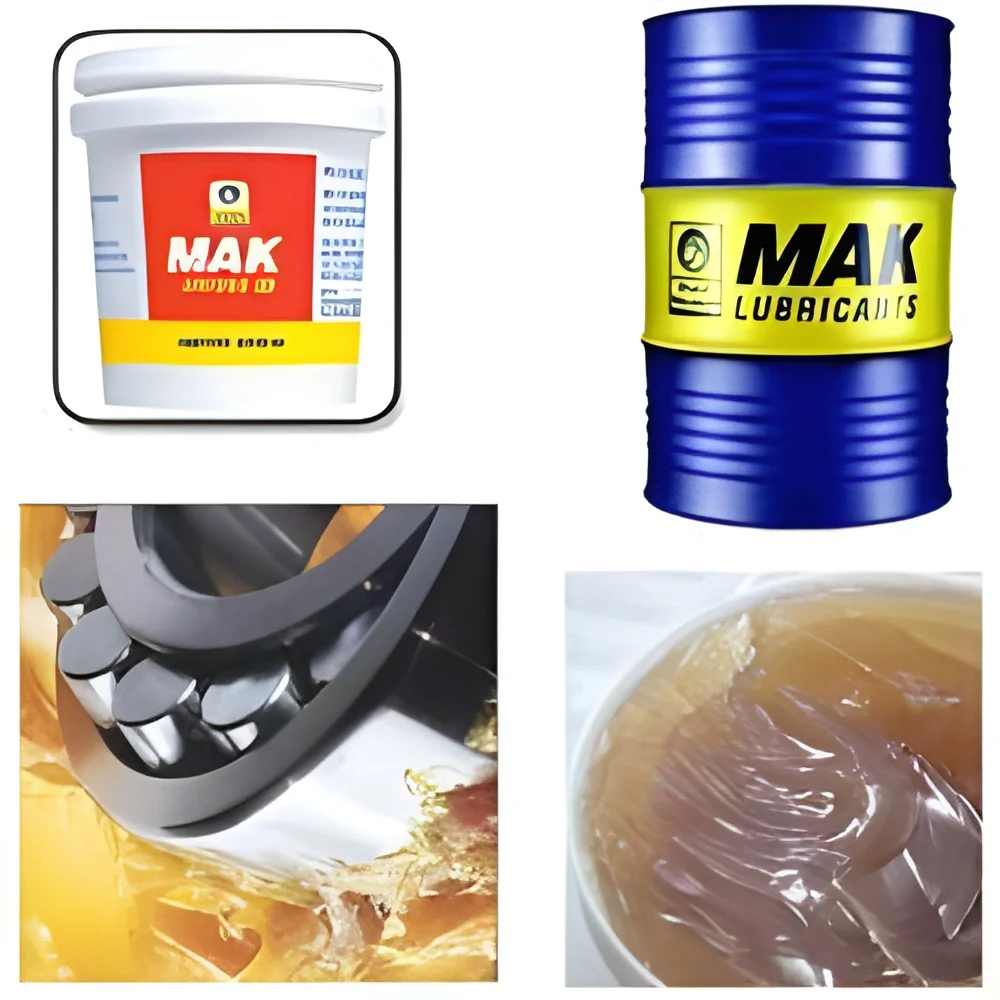
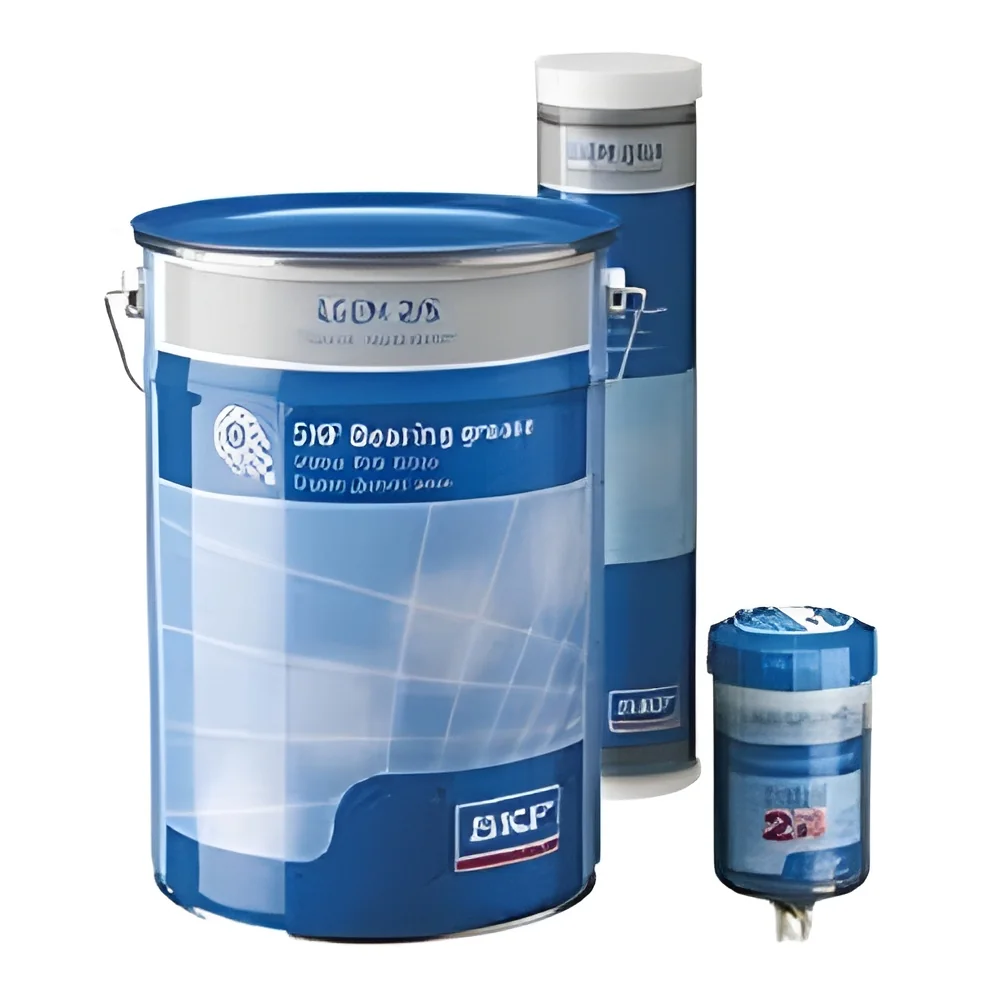
Key Features and Specifications
Greases come with a variety of features and specifications tailored to meet specific industrial needs. When selecting greases, it is essential to consider their characteristics and performance metrics.
Key specifications include:
1. NLGI Grade
- Indicates the consistency of the grease
- Typical grades range from 000 (fluid) to 6 (solid)
2. Base Oil Viscosity
- Refers to the thickness of the base oil used
- Measured in centistokes (cSt) at 40 degrees Celsius
3. Dropping Point
- The temperature at which the grease transitions from a solid to a liquid
- Commonly exceeds 180 degrees Celsius for lithium greases
4. Water Resistance
- Ability to maintain performance in wet conditions
- Measured by the washout test, with values typically exceeding 10% for quality greases
5. Oxidation Stability
- Resistance to degradation under heat and oxygen exposure
- Assessed through various tests, ensuring longevity of performance
6. Additive Package
- Includes anti-wear, anti-corrosion, and extreme pressure additives
- Customizable based on application requirements
In summary, understanding these specifications is crucial for selecting the right grease for specific applications, ensuring optimal performance and equipment protection.
Common Applications and Use Cases
Greases serve a multitude of industries, each with unique lubrication needs.
1. Automotive: Greases are essential for lubricating chassis components, wheel bearings, and steering mechanisms, ensuring smooth operation and prolonging vehicle life.
2. Industrial Manufacturing: In factories, greases are used in machinery like conveyor belts, pumps, and motors, reducing friction and wear during operation.
3. Aerospace: High-performance greases are critical in aircraft components, providing lubrication in extreme conditions and ensuring safety and reliability.
4. Marine: Water-resistant calcium greases are utilized in boats and ships to protect components from corrosion and ensure reliability in wet environments.
5. Construction: Greases are used in heavy machinery, such as excavators and bulldozers, to enhance performance and decrease maintenance needs.
6. Agriculture: Greases are vital for agricultural equipment, providing the necessary lubrication to withstand harsh conditions and heavy loads.
7. Mining: Specialized greases are employed to protect equipment in harsh environments, ensuring continuous operation and minimizing downtime.
Product Variants and Subcategories
Greases exhibit considerable diversity to meet the needs of different applications and industries.
Lithium Grease: This variant offers excellent mechanical stability and water resistance, making it suitable for a wide range of applications from automotive to industrial machinery. Its versatility and high dropping point make it a popular choice among manufacturers.
Calcium Grease: Known for its water resistance, calcium grease is ideal for marine applications. It provides reliable lubrication in wet conditions and protects against corrosion, ensuring the longevity of equipment used in harsh environments.
Synthetic Grease: This type is formulated for extreme performance, providing superior lubrication in high-temperature or low-temperature environments. Synthetic greases are often used in specialized applications such as aerospace and high-speed machinery.
Benefits and Advantages
Greases provide numerous benefits that enhance machinery performance and reliability.
1. Extended Equipment Life: Quality greases reduce friction and wear, prolonging the lifespan of machinery components.
2. Temperature Tolerance: Greases can operate effectively across a wide range of temperatures, ensuring consistent performance in various environments.
3. Corrosion Protection: Many greases contain additives that protect against rust and corrosion, safeguarding equipment from environmental factors.
4. Water Resistance: Certain greases are designed to withstand exposure to moisture, making them suitable for marine and outdoor applications.
5. Reduced Maintenance: Using high-quality greases decreases the frequency of lubrication, reducing overall maintenance efforts and costs.
6. Improved Efficiency: Proper lubrication leads to smoother operation, enhancing the overall efficiency of machinery.
Buying Guide for B2B Buyers
When sourcing Greases (Lithium, Calcium, Synthetic), it is essential for B2B buyers to consider several key factors.
1. Quality Assessment: Evaluate the grease's performance specifications, including NLGI grade, dropping point, and additive packages to ensure it meets operational needs.
2. Supplier Verification: Conduct thorough research on suppliers to ensure they have a reliable track record and adhere to quality standards.
3. Pricing and MOQ: Understand the pricing structures and minimum order quantities (MOQ) to align with budget constraints and project requirements.
4. Delivery and Lead Times: Discuss logistics with suppliers to ensure timely delivery and manage production schedules effectively.
5. Compliance Requirements: Verify that the greases meet industry regulations and standards, such as CE certification, to maintain compliance and safety.
Compliance and Certifications
Compliance and certifications are critical in the grease industry to ensure product quality and safety.
Relevant quality standards include ISO 9001, which focuses on quality management systems, ensuring that manufacturers meet customer and regulatory requirements. HACCP (Hazard Analysis and Critical Control Points) is also essential for food-grade greases, ensuring safety in food processing applications.
Industry certifications, such as CE marking, indicate compliance with European safety standards, providing assurance of product quality.
Safety and testing requirements ensure that greases perform reliably under specified conditions, protecting users and equipment. Regional compliance considerations may also influence sourcing decisions, as different regions may have varying regulations.
Why Source Greases (Lithium, Calcium, Synthetic) from Pepagora?
Pepagora offers a trusted platform for sourcing Greases (Lithium, Calcium, Synthetic) with several key advantages that benefit B2B buyers.
Verified Supplier Network: Pepagora connects buyers with a network of verified suppliers, ensuring that products meet quality standards and are sourced from reputable manufacturers.
Streamlined RFQ Process: The platform features an efficient Request for Quotation (RFQ) process, allowing buyers to receive competitive quotes from multiple suppliers, simplifying the procurement process.
Trade Assurance and Support: With trade assurance features, Pepagora provides buyer protection, ensuring that purchases are secure and that disputes are handled effectively, fostering trust in the transaction.
Regional Coverage: Pepagora's geographical reach extends across India, the GCC, and Southeast Asia, enabling buyers to source greases tailored to their local requirements and industry standards.

 IN
IN