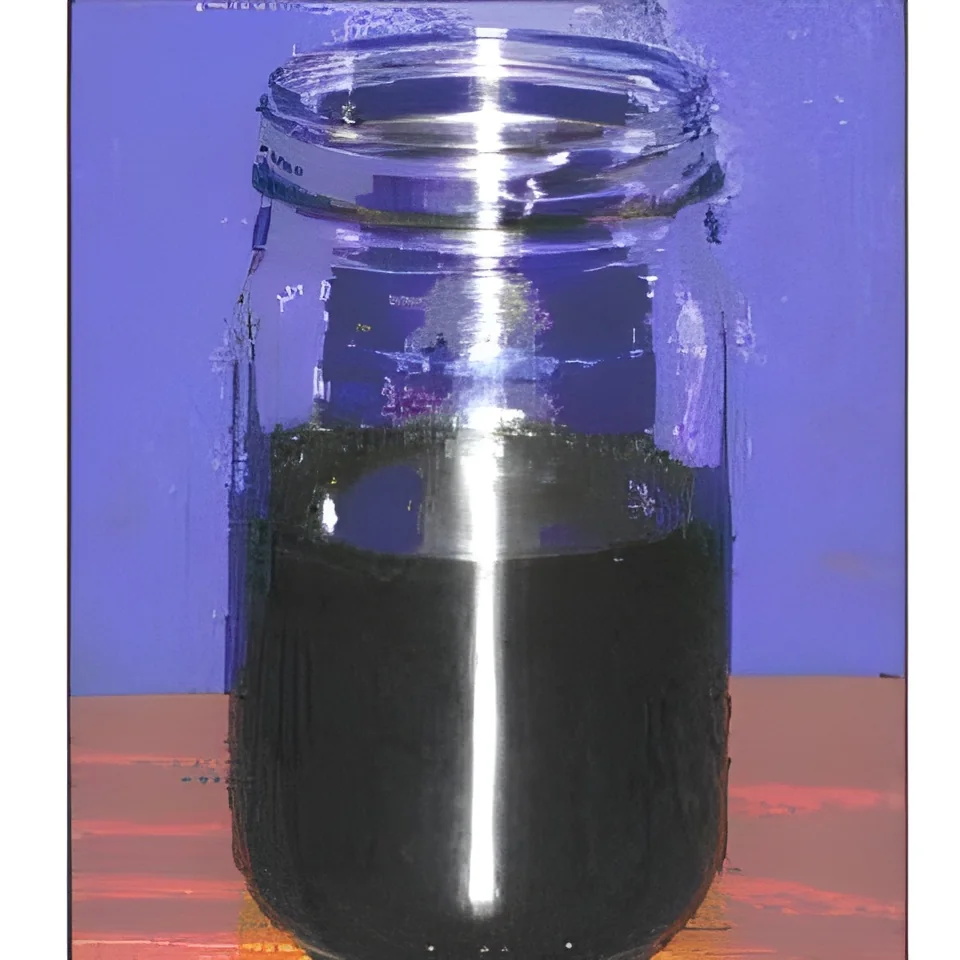
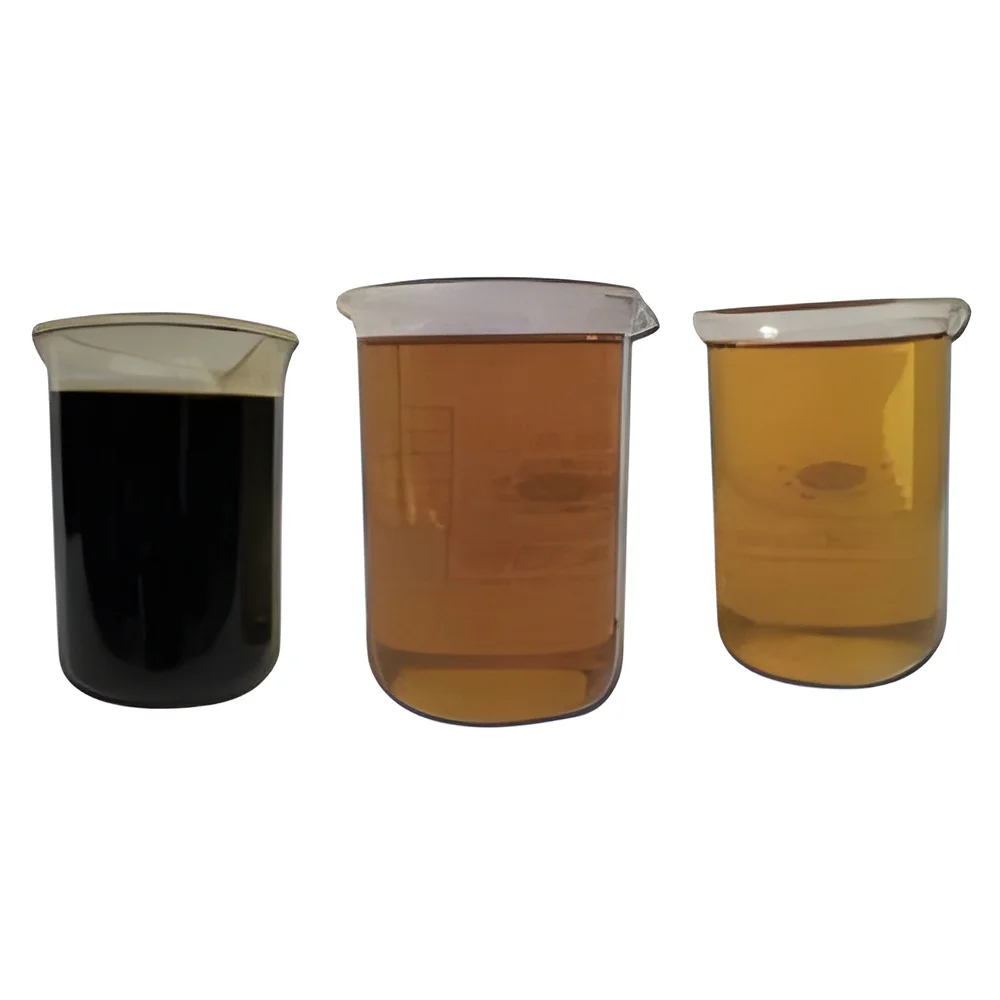
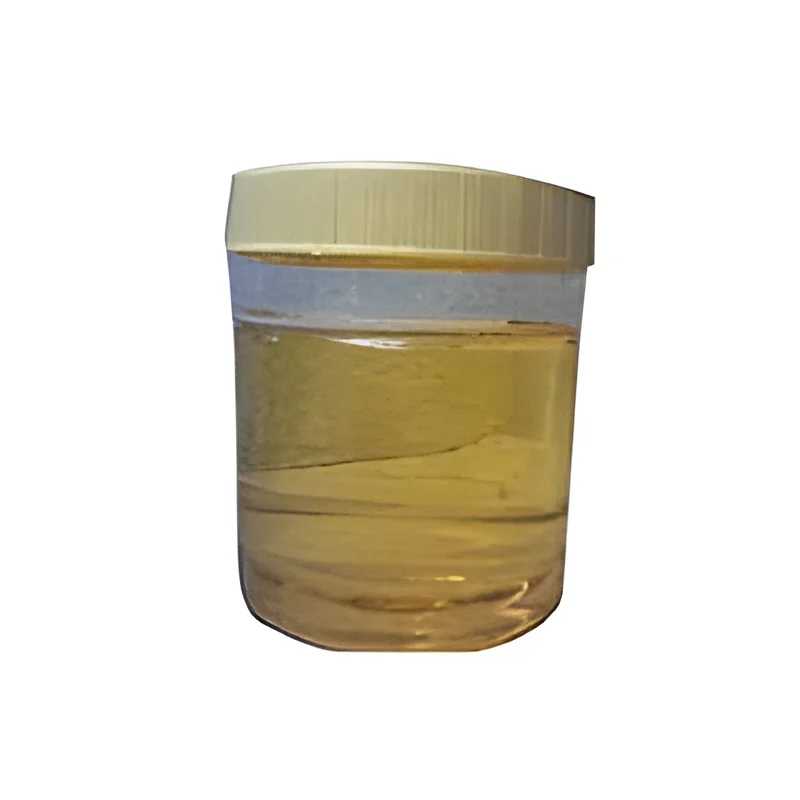
What are Textile Machinery Oils?
Textile machinery oils are specialized lubricants designed to enhance the performance and longevity of machinery used in the textile industry. These oils provide critical lubrication to various machine components, reducing friction and wear during operation. They are formulated to withstand the unique challenges faced in textile manufacturing, including high-speed operations, varying temperatures, and exposure to moisture and contaminants.
The primary use of textile machinery oils extends across multiple applications within textile production, including spinning, weaving, dyeing, and finishing processes. These oils help ensure smooth operation, minimize downtime, and maintain efficiency in production lines. With the growing demand for high-quality textiles, the relevance of these oils in maintaining machine productivity and product quality is increasingly recognized.
The textile machinery oil market is influenced by the expanding textile industry globally, particularly in regions such as Asia-Pacific and Europe. As manufacturers strive for operational excellence, the demand for reliable lubricant solutions continues to rise, driving innovation and improvement in oil formulations.
Key Features and Specifications
Textile machinery oils come with unique features tailored to the needs of the textile industry. These features enhance their performance and efficiency in various manufacturing processes. When selecting a textile machinery oil, it is essential to consider the following specifications.
Key specifications include:
1. Viscosity Index
- Indicates how the oil's viscosity changes with temperature.
- Ensures optimal lubrication under varying operating conditions.
2. Flash Point
- The temperature at which the oil can ignite.
- A higher flash point indicates safer operation under high temperatures.
3. Pour Point
- The lowest temperature at which the oil remains fluid.
- Important for performance in colder environments.
4. Anti-Wear Properties
- Reduces wear and tear on machine components.
- Prolongs equipment life and reduces maintenance costs.
5. Oxidation Stability
- Resistance to degradation over time.
- Ensures long-lasting performance and reliability.
6. Corrosion Resistance
- Protects metal surfaces from rust and corrosion.
- Essential for maintaining the integrity of machinery.
7. Emulsification Properties
- The ability to mix with water and other fluids.
- Important in processes where moisture exposure is common.
In summary, understanding the key specifications of textile machinery oils is crucial for selecting the right product that meets specific operational requirements.
Common Applications and Use Cases
Textile machinery oils are utilized across various industries to enhance machinery performance.
1. Spinning Industry: These oils lubricate spinning frames, ensuring smooth operation and reducing friction during fiber processing.
2. Weaving Industry: Used in looms, textile machinery oils help maintain efficiency and longevity, reducing downtime caused by machinery failure.
3. Dyeing Industry: These oils are essential for dyeing machines, where consistent lubrication prevents contamination and ensures uniform dye application.
4. Knitting Industry: Textile machinery oils protect knitting machines, enhancing their operational efficiency and preventing wear.
5. Nonwoven Fabric Production: In this sector, oils help machinery run smoothly, contributing to the production of high-quality nonwoven textiles.
6. Finishing Industry: Used in finishing machines, these oils ensure smooth surfaces and optimal performance during the final stages of textile production.
7. Apparel Manufacturing: Textile machinery oils are critical in sewing and assembly machines, ensuring reliability and precision in garment production.
Product Variants and Subcategories
Textile machinery oils exhibit a variety of formulations to address specific needs within the textile industry.
High-Performance Synthetic Oils: These oils are designed for high-speed machinery, offering superior lubrication and protection. They help reduce friction and wear, extending the life of equipment.
Biodegradable Oils: Focused on sustainability, these oils meet environmental regulations while providing effective lubrication. They are ideal for manufacturers looking to reduce their ecological footprint.
Standard Mineral Oils: These traditional oils provide reliable performance at a lower cost. They are suitable for various machinery applications in the textile industry.
Benefits and Advantages
Using textile machinery oils presents numerous advantages that contribute to operational efficiency and productivity.
1. Enhanced Equipment Life: Regular use of these oils reduces wear and tear on machinery, extending its operational lifespan.
2. Improved Efficiency: Optimal lubrication leads to smoother machine operation, enhancing overall productivity.
3. Reduced Maintenance Costs: By minimizing the frequency of repairs and replacements, businesses can save significantly on maintenance expenses.
4. Better Product Quality: Proper lubrication ensures smoother operations, which translates to higher quality textiles with fewer defects.
5. Environmental Compliance: Many textile machinery oils are formulated to meet regulatory standards, helping businesses adhere to environmental guidelines.
6. Versatility: These oils can be used in various applications, making them suitable for different types of textile machinery.
Buying Guide for B2B Buyers
When sourcing textile machinery oils, it is important to consider several factors to ensure you select the right product for your needs.
1. Quality Assessment: Evaluate the quality of the oil based on its specifications and performance history. Look for oils that meet industry standards and certifications.
2. Supplier Verification: Ensure that the suppliers you consider are reputable and verified. Check their credentials, customer reviews, and industry experience.
3. Pricing and MOQ: Understand the cost structure and minimum order quantities. Compare prices from different suppliers to find the best value while ensuring quality.
4. Delivery and Lead Times: Assess the logistics, including delivery schedules and lead times. Reliable suppliers should be able to meet your production timelines.
5. Compliance Requirements: Ensure that the products meet relevant regulatory and safety standards. This may include certifications such as CE to ensure quality and safety.
Compliance and Certifications
Textile machinery oils must adhere to various quality standards and industry certifications. Compliance with ISO 9001 ensures that products meet international quality management standards, providing assurance of consistent quality.
Certifications such as CE indicate that the oils meet European safety, health, and environmental protection requirements. These certifications are essential for manufacturers looking to operate in regulated markets.
Safety and testing requirements are vital to ensure that the oils do not pose hazards during use. Manufacturers must regularly test their products to meet these safety standards.
Regional compliance considerations may also influence product selection. It is essential to be aware of local regulations that govern the use of industrial lubricants in your area.
Why Source Textile Machinery Oils from Pepagora?
Pepagora provides a trusted platform for sourcing textile machinery oils, offering several key advantages to B2B buyers.
Verified Supplier Network: Pepagora connects buyers with a network of verified suppliers, ensuring reliability and quality. This helps businesses find trusted partners for their sourcing needs.
Streamlined RFQ Process: The platform features a streamlined Request for Quotation (RFQ) process, allowing buyers to easily submit inquiries and receive competitive quotes from multiple suppliers.
Trade Assurance and Support: Pepagora offers trade assurance and buyer protection, ensuring that transactions are secure and that buyers receive the products they order.
Regional Coverage: With a focus on regions such as India, GCC, and Southeast Asia, Pepagora provides extensive geographic reach, enabling buyers to connect with suppliers in their target markets.

 IN
IN