IN
IN₹
Apparel & Fashion
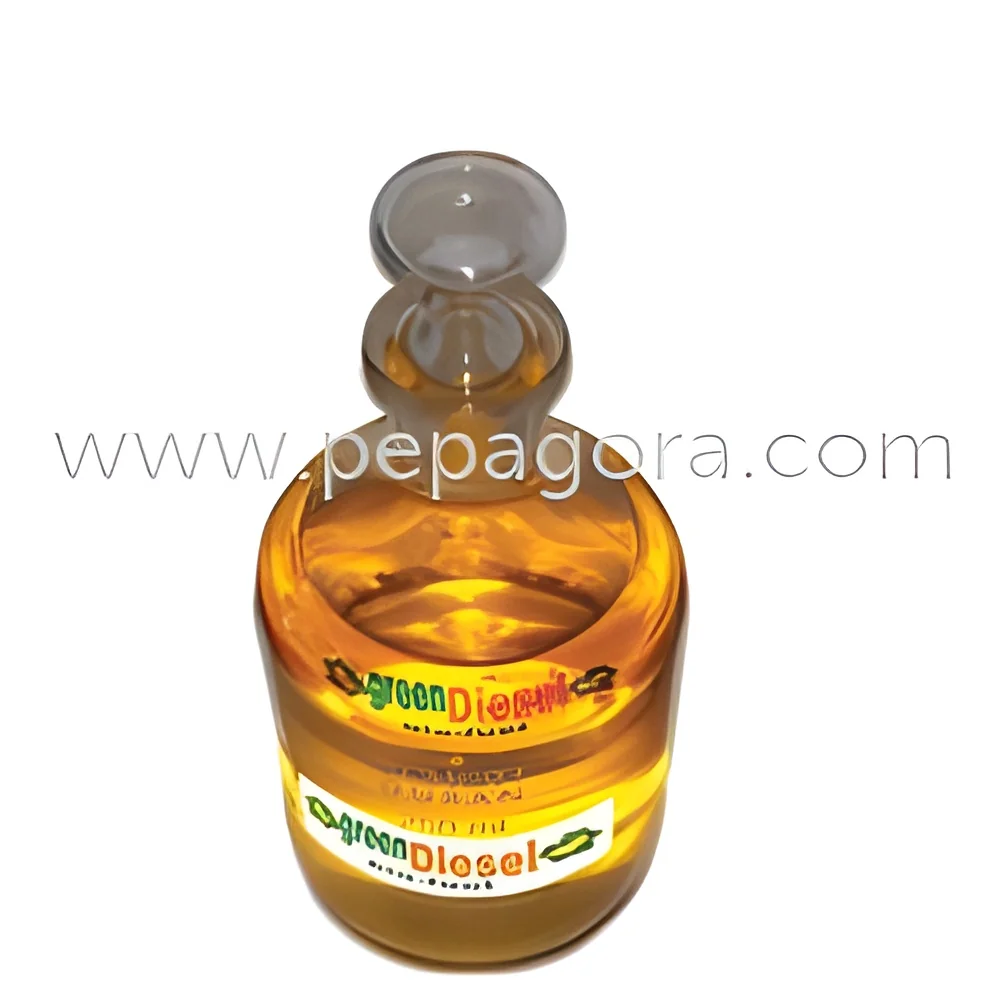
Description
Green Biodiesel is a premium renewable fuel manufactured through transesterification of plant-based oils or animal lipids, fully compliant with ASTM D6751 specifications and registered with the Environmental Protection Agency as an approved motor fuel. It contains zero petroleum content but can be blended in any proportion with conventional diesel, enabling a smooth transition to cleaner energy sources. With virtually no sulfur, minimal aromatic compounds, and inherent oxygen content, it promotes complete combustion that drastically reduces harmful emissions. This fuel directly supports global sustainability initiatives while providing a dependable alternative that enhances energy security and promotes environmental stewardship for forward-thinking organizations.

Industries including transportation, agriculture, logistics, and power generation extensively utilize Green Biodiesel for its reliable performance and engine compatibility. It efficiently powers diesel engines in heavy-duty t...
Green Biodiesel is a premium renewable fuel manufactured through transesterification of plant-based oils or animal lipids, fully compliant with ASTM D6751 specifications and registered with the Environmental Protection Agency as an approved motor fuel. It contains zero petroleum content but can be blended in any proportion with conventional diesel, enabling a smooth transition to cleaner energy sources. With virtually no sulfur, minimal aromatic compounds, and inherent oxygen content, it promotes complete combustion that drastically reduces harmful emissions. This fuel directly supports global sustainability initiatives while providing a dependable alternative that enhances energy security and promotes environmental stewardship for forward-thinking organizations.

Industries including transportation, agriculture, logistics, and power generation extensively utilize Green Biodiesel for its reliable performance and engine compatibility. It efficiently powers diesel engines in heavy-duty trucks, agricultural machinery, backup generators, and marine applications without requiring significant modifications. Businesses across these sectors achieve substantial reductions in greenhouse gas emissions, maintain compliance with evolving environmental regulations, and improve their public sustainability profile. Its adaptability makes it ideal for diverse operational requirements, helping companies achieve corporate environmental targets while maintaining high levels of operational efficiency and equipment reliability.

Green Biodiesel delivers measurable business value by reducing dependence on imported crude oil, offering long-term fuel cost savings, and providing a stable, domestically sourced energy supply. Its high cetane number enhances engine performance, resulting in improved fuel economy and extended engine lifespan. The production process contributes to rural economic development through utilization of local feedstocks and creation of employment opportunities. Valuable byproducts including glycerin and oil cakes find applications in cosmetics, soap manufacturing, and animal feed industries, creating a circular economy that boosts economic viability while maintaining strong environmental responsibility.

Key Features:
- Produced from renewable plant or animal lipid sources via transesterification process.
- Complies with ASTM D6751 standards and carries EPA registration for legal motor fuel use.
- Blends at any ratio with petroleum diesel, including popular blends like B20.
- Contains no sulfur, minimal aromatics, and approximately 10% built-in oxygen for optimal combustion.
- Sourced from sustainable feedstocks including vegetable oils, used cooking oils, and animal tallow.

Benefits:
- Significantly reduces greenhouse gas emissions and particulate matter for cleaner air quality.
- Enhances engine performance and longevity through high cetane number and superior lubricity.
- Provides immediate compliance with environmental regulations and sustainability mandates.
- Supports energy independence through domestic production and reduced fossil fuel dependence.
- Creates additional revenue streams through valuable byproducts like glycerin and oil cakes.
Specifications
| Additional Information | |
|---|---|
| Country of Origin | India |
Application
Green Biodiesel serves as a versatile, eco-friendly fuel compatible with most diesel engines without requiring major retrofitting. It blends seamlessly with conventional diesel at any ratio, providing businesses with a straightforward solution to lower carbon emissions and meet stringent environmental regulations across various sectors. This biodiesel is widely adopted in transportation, agriculture, industrial operations, and power generation due to its high cetane number and superior emissions profile. Companies choose it to enhance operational efficiency, ensure regulatory compliance, and demonstrate a firm commitment to sustainable energy practices in their core activities.
Real-world applications:
- Fueling commercial truck fleets and public transport buses to cut particulate matter and greenhouse gases.
- Powering agricultural tractors and harvesters for cleaner, more sustainable farming operations.
- Operating industrial generators and backup power systems for reliable, low-emission electricity.
- Supporting marine vessel engines and railway locomotives to comply with maritime and rail emission standards.
- Heating commercial buildings and industrial facilities with efficient, clean-burning combustion systems.
Trade Details
| Available Stock | In Stock |
| Sample Availability | No |
Payment Terms
| Payment Terms |
|
Company Profile
Airbridge Greens, West Bengal
 West Bengal, India
West Bengal, IndiaFood & Agriculture•Manufacturer•Retailer•Importer / Exporter
Factory Details
Factory SizeBelow 1000 sqm
Annual Production Capacity0
Eco Friendly Green Biodiesel Fuel For Diesel Engines Low Emissions
Eco Friendly Green Biodiesel is a clean-burning renewable fuel for diesel engines that meets ASTM D6751 standards, reduces emissions significantly, and requires minimal engine modifications for immediate sustainable use.
Min. Order Quantity: 1 unit
Shipping
Shipping fee and delivery date to be negotiated. Contact supplier now for more details.
Airbridge Greens
 West Bengal, India
West Bengal, IndiaFood & AgricultureManufacturer