What are Lubrication Equipment & Systems?
Lubrication equipment and systems are essential tools designed to deliver lubricants to machinery, ensuring optimal performance and minimizing wear and tear. These systems encompass a variety of components, including pumps, lines, reservoirs, and control systems, all working together to maintain proper lubrication across various industrial applications. The primary purpose of lubrication equipment is to reduce friction, prevent overheating, and prolong the lifespan of machinery by ensuring that the right amount of lubricant reaches the necessary components.
In business applications, lubrication equipment is critical in sectors such as manufacturing, automotive, and construction. These systems are employed in environments where heavy machinery operates under high loads and speeds, requiring precise lubrication to function efficiently. Industries rely on these systems to enhance productivity, reduce downtime, and minimize maintenance costs. As the industrial sector evolves, the demand for advanced lubrication solutions continues to grow, driven by the need for improved operational efficiencies and reduced environmental impacts.
Key Features and Specifications
Lubrication equipment and systems are characterized by several key features and specifications that ensure their effectiveness and reliability. Understanding these specifications is crucial for selecting the right system for specific industrial needs.
Key specifications include:
1. Flow Rate
- Determines the amount of lubricant delivered per unit of time
- Typically measured in liters per minute (L/min)
2. Pressure Rating
- Indicates the maximum pressure the system can handle
- Commonly ranges from 0 to 10 bars or higher
3. Reservoir Capacity
- Refers to the volume of lubricant the system can hold
- Varies based on system design, often ranging from 1 to 100 liters
4. Lubricant Compatibility
- Specifies types of lubricants suitable for use with the equipment
- Includes options for oils, greases, and specialty lubricants
5. Control Mechanisms
- Describes how the system regulates lubricant flow
- Options include manual, automatic, or electronic control
6. Temperature Range
- Indicates the operational temperature limits for the system
- Data not available
7. Material Construction
- Details the materials used in system components
- Common options include stainless steel, aluminum, and high-grade plastics
8. Safety Features
- Includes built-in safeguards to prevent leaks and system failures
- May encompass pressure relief valves and monitoring sensors
In summary, understanding the key features and specifications of lubrication equipment and systems is essential for making informed purchasing decisions. These specifications help ensure optimal performance and longevity of machinery in various industrial environments.
Common Applications and Use Cases
Lubrication equipment and systems are utilized across diverse industries, each with specific requirements and applications.
1. Manufacturing: In manufacturing facilities, lubrication systems are used to maintain CNC machines, conveyors, and robotic arms, ensuring smooth operation and preventing mechanical failure.
2. Automotive: In the automotive industry, these systems play a vital role in the lubrication of assembly lines, testing equipment, and vehicle maintenance, reducing friction and wear on components.
3. Construction: Construction machinery, such as excavators and bulldozers, requires robust lubrication solutions to operate efficiently under harsh conditions and high loads.
4. Mining: In mining operations, lubrication systems are essential for maintaining heavy equipment used in extraction processes, reducing downtime and extending equipment life.
5. Food Processing: In the food industry, specialized lubrication systems ensure that machinery operates smoothly without contaminating products, adhering to strict hygiene standards.
6. Energy: In the energy sector, lubrication plays a crucial role in wind turbines, generators, and oil rigs, ensuring optimal performance in demanding environments.
7. Aerospace: In aerospace applications, advanced lubrication systems are necessary for maintaining aircraft components, ensuring safety and reliability during flight.
Product Variants and Subcategories
Lubrication equipment and systems come in various forms to meet the diverse needs of different industries. The following are some notable variants.
Pneumatic Lubrication Systems
These systems utilize compressed air to deliver lubricants, often used in high-speed applications where precision is crucial. They are popular in manufacturing and automotive sectors for their efficiency and reliability.
Manual Lubrication Equipment
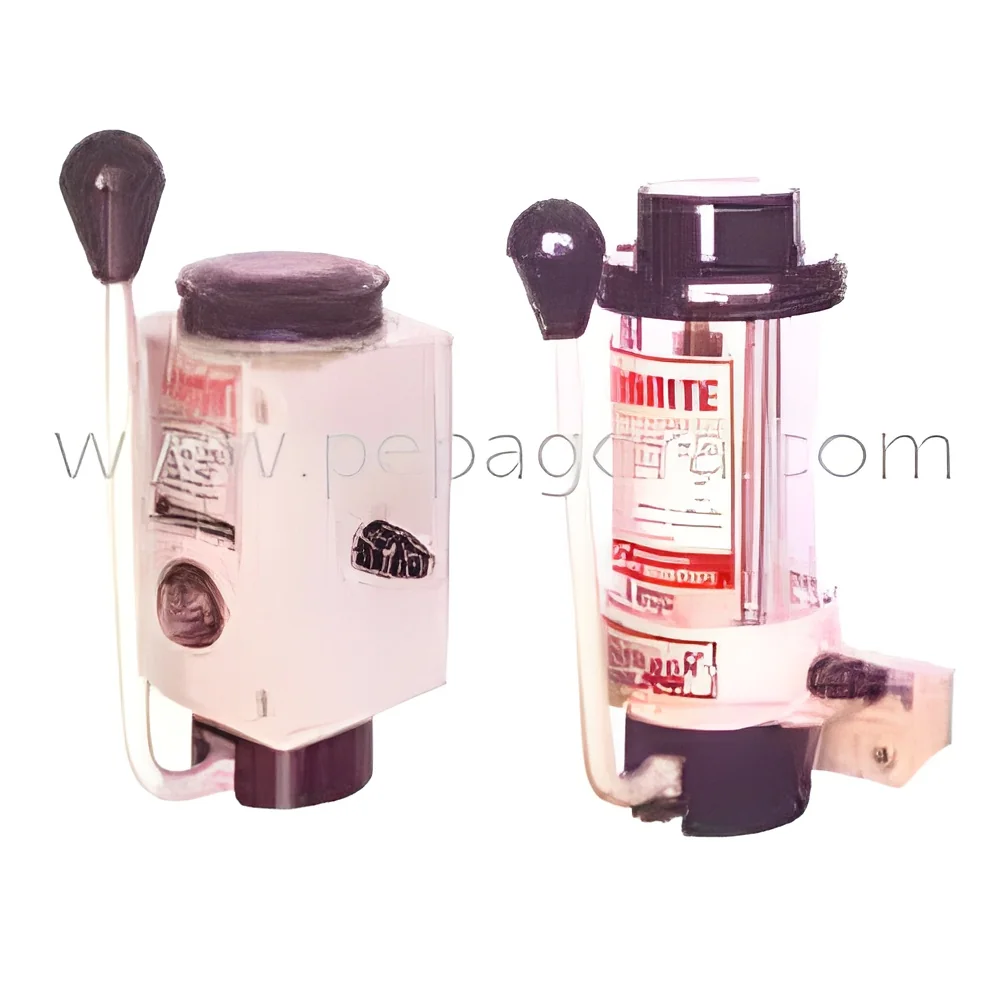
This category includes grease guns and oil cans designed for operator-controlled lubrication. They are ideal for small-scale applications or maintenance tasks where automated systems are not practical.
Centralized Lubrication Systems
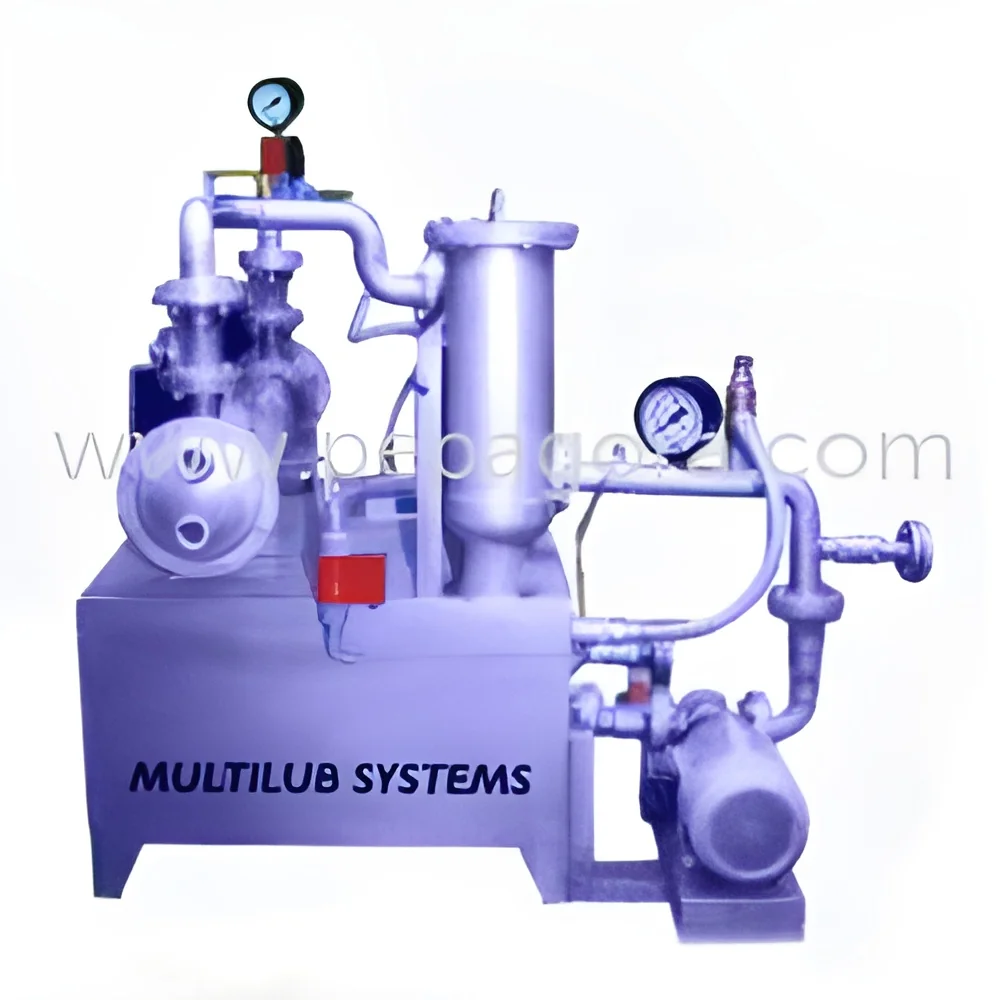
These systems distribute lubricant from a single source to multiple points in machinery. They are commonly used in large industrial settings, enhancing productivity and reducing maintenance efforts.
Automatic Lubrication Systems
These systems automatically dispense lubricants at predetermined intervals, reducing the need for manual intervention. They are widely used in various industries to ensure consistent lubrication.
Benefits and Advantages
Investing in lubrication equipment and systems offers several benefits that enhance operational efficiency and equipment longevity.
1. Reduced Wear and Tear: Proper lubrication minimizes friction between moving parts, significantly reducing wear and extending the life of machinery.
2. Increased Efficiency: Well-lubricated machines operate more smoothly and efficiently, leading to enhanced productivity and reduced energy consumption.
3. Lower Maintenance Costs: By preventing breakdowns and extending equipment life, lubrication systems help lower overall maintenance costs for businesses.
4. Improved Safety: Effective lubrication reduces the risk of equipment failure, enhancing safety for workers operating heavy machinery.
5. Environmental Compliance: Advanced lubrication systems can help reduce oil spills and waste, supporting companies in meeting environmental regulations.
6. Customization Options: Many lubrication systems can be tailored to meet specific operational needs, providing flexibility for different applications.
Buying Guide for B2B Buyers
When sourcing lubrication equipment and systems, it is important for B2B buyers to consider several key factors to ensure they select the right solutions.
1. Quality Assessment: Evaluate the quality of the equipment by looking for certifications and standards compliance. High-quality systems are critical for reliable performance and longevity.
2. Supplier Verification: Vet suppliers thoroughly to ensure they have a proven track record in delivering quality lubrication systems. Research their reputation, customer reviews, and support services.
3. Pricing and MOQ: Understand the pricing structure and minimum order quantities (MOQ) before making a purchase. This helps in budgeting and ensuring that the supplier can meet your needs.
4. Delivery and Lead Times: Ask about delivery schedules and lead times to prevent delays in production. Timely delivery is crucial for maintaining operational efficiency.
5. Compliance Requirements: Ensure that the lubrication systems meet relevant industry regulations and standards. This includes safety certifications and environmental compliance.
Compliance and Certifications
Lubrication equipment and systems must adhere to several quality standards and certifications to ensure they meet industry expectations. One of the most recognized standards is ISO 9001, which focuses on quality management systems. Compliance with this standard indicates that the manufacturer has implemented effective processes to enhance customer satisfaction.
In addition, industry-specific certifications such as CE are essential for products sold in European markets. This mark demonstrates that the equipment meets safety and performance standards set by the European Union.
Safety and testing requirements are also critical, as they ensure that lubrication systems operate reliably under various conditions. Manufacturers should conduct rigorous testing to confirm that their products can withstand operational stresses and comply with relevant safety guidelines.
Regional compliance considerations may vary, so it is important for buyers to understand local regulations governing lubrication equipment and systems. Compliance with these regulations is crucial for avoiding legal issues and ensuring safe operations.
Why Source Lubrication Equipment & Systems from Pepagora?
Pepagora offers a trusted platform for sourcing lubrication equipment and systems, providing several key advantages for B2B buyers.
Verified Supplier Network: Pepagora connects buyers with a network of verified suppliers, ensuring that all listed manufacturers meet high standards of quality and reliability. This verification process helps mitigate risks associated with sourcing.
Streamlined RFQ Process: The platform features an efficient request for quotation (RFQ) process, allowing buyers to easily compare offers from different suppliers. This transparency helps in making informed purchasing decisions.
Trade Assurance and Support: Buyers benefit from trade assurance policies that protect their investments. Pepagora provides support throughout the procurement process, ensuring a smooth experience from inquiry to delivery.
Regional Coverage: With a strong presence in India, the GCC, and Southeast Asia, Pepagora offers extensive regional coverage. This geographic reach allows buyers to access a wide range of lubrication solutions tailored to their specific market needs.

 IN
IN