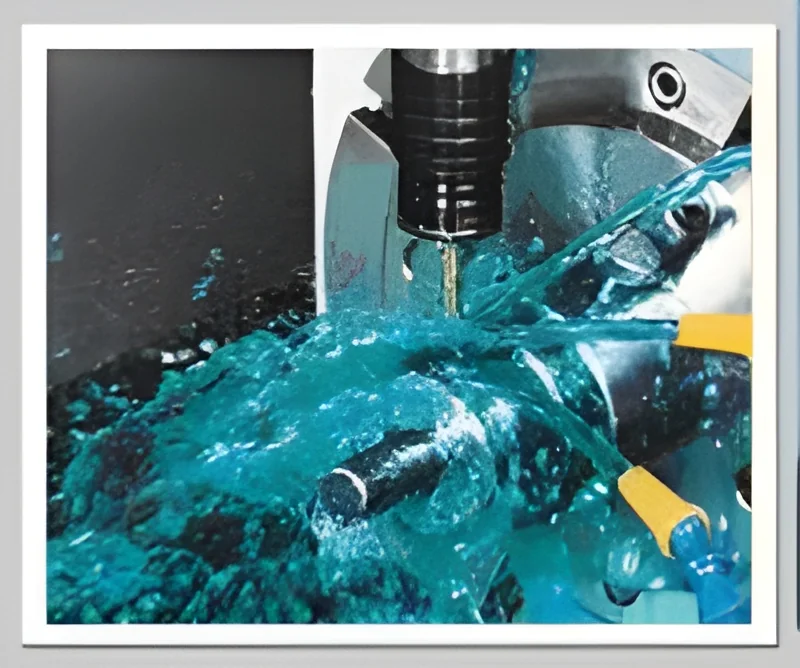
What are Cutting Oils?
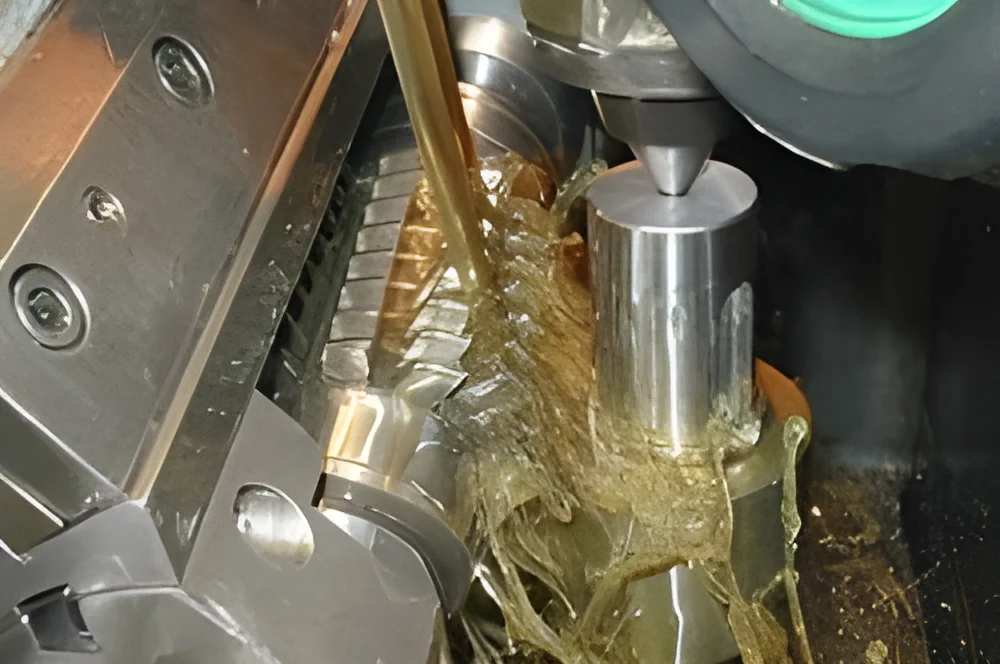
Cutting oils are specialized fluids used in machining processes to reduce friction and heat generation between cutting tools and workpieces. These oils facilitate smoother operations, enhance tool life, and improve the quality of the finished product. They serve as lubricants and coolants, thereby preventing overheating and wear during metalworking or other cutting applications.
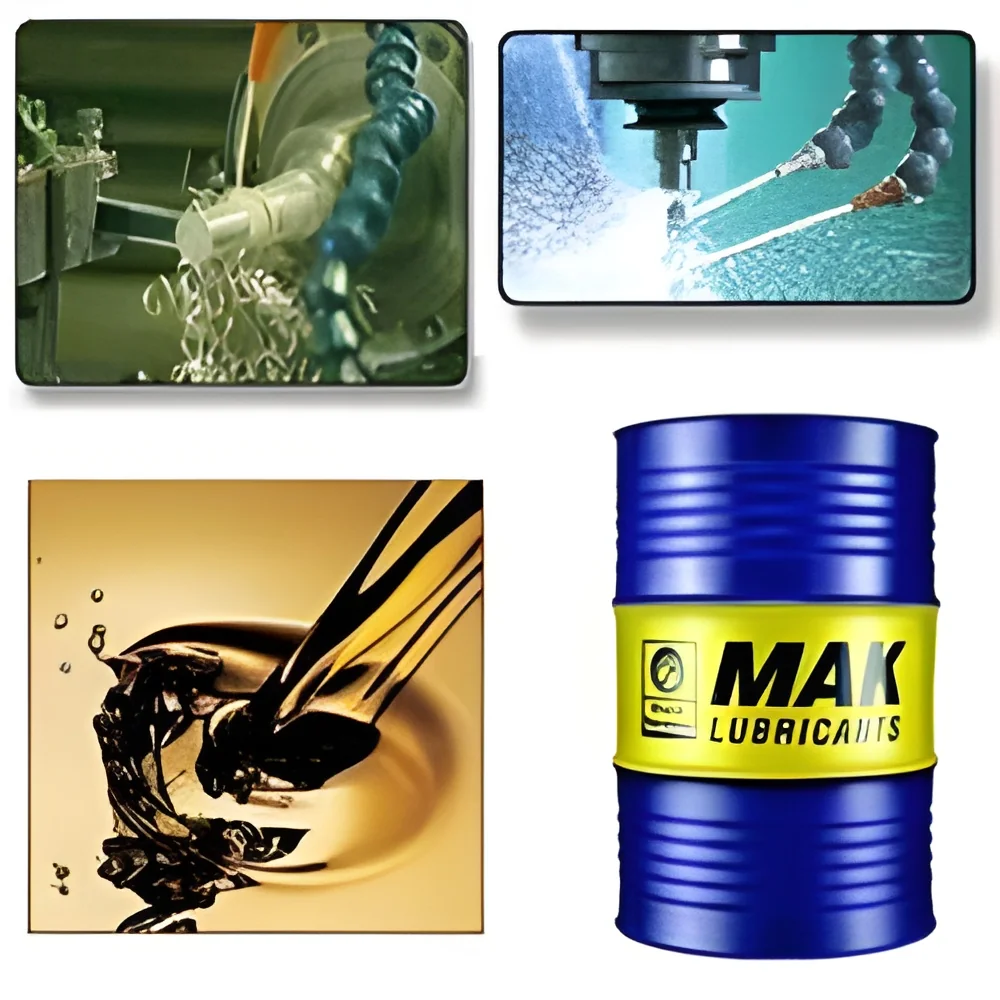
In industrial settings, cutting oils are commonly employed in various machining operations such as turning, milling, drilling, and grinding. They are essential in sectors that involve metal fabrication, automotive manufacturing, and aerospace engineering. The choice of cutting oil can significantly impact productivity, operational efficiency, and cost-effectiveness in these applications, making them a critical component of manufacturing processes.
The demand for cutting oils is influenced by the growth of the manufacturing sector, advancements in machining technologies, and increasing emphasis on sustainability. As industries seek to optimize their processes, the relevance of high-quality cutting oils becomes even more pronounced in maintaining competitive edges.
Key Features and Specifications
Cutting oils come with a range of features and specifications designed to meet the diverse needs of industrial applications. Understanding these specifications is crucial for selecting the right product.
Key specifications include:
1. Viscosity
- Refers to the thickness of the oil, influencing its ability to lubricate effectively.
- Typically measured in centistokes (cSt) at 40 degrees Celsius.
2. Flash Point
- Indicates the temperature at which the oil can vaporize to form an ignitable mixture in air.
- Higher flash points are preferred for safety reasons.
3. Additive Package
- Chemical additives enhance performance characteristics such as anti-wear, corrosion resistance, and oxidation stability.
- Common additives include sulfur, phosphorus, and chlorine.
4. Emulsification
- The ability of the oil to mix with water, forming a stable emulsion.
- Important for cooling and cleaning during machining.
5. Biodegradability
- Refers to the oil’s ability to break down naturally in the environment.
- Increasingly important for compliance with environmental regulations.
6. Density
- Measures the mass per unit volume of the oil.
- Influences storage and transportation considerations.
7. pH Level
- Indicates the acidity or alkalinity of the oil.
- Affects its performance and compatibility with various materials.
8. Compatibility
- The oil's ability to work effectively with different metals and machining processes.
- Essential for ensuring optimal performance across various applications.
In summary, understanding the key features of cutting oils helps businesses make informed choices that align with their operational needs.
Common Applications and Use Cases
Cutting oils are utilized across various industries, each with specific applications.
1. Automotive Industry: Cutting oils are used in machining engine components, such as crankshafts and camshafts, where precision and quality are paramount.
2. Aerospace Industry: These oils assist in the complex machining of aircraft parts, ensuring strict adherence to safety and quality standards.
3. Metal Fabrication: Cutting oils play a vital role in processes like bending and stamping, where durability and efficiency are critical to production.
4. Electronics Manufacturing: Used for machining circuit boards and components, cutting oils help in maintaining cleanliness and precision.
5. Construction Equipment: Cutting oils are essential in the fabrication of heavy machinery parts, where heavy-duty performance is required.
6. Tool Manufacturing: These oils are crucial in shaping and finishing tools, ensuring they meet required tolerances and surface finishes.
7. Marine Engineering: Cutting oils are used in the production of parts for ships and marine equipment, maintaining durability in harsh environments.
Product Variants and Subcategories
Cutting oils come in various formulations to cater to specific machining needs.
Mineral Cutting Oils: These oils are derived from refined petroleum and are suitable for general machining operations. They offer good lubrication and cooling properties.
Synthetic Cutting Oils: Formulated from chemical compounds, these oils provide superior lubrication and cooling, with enhanced environmental profiles. They are often used in high-performance machining applications.
Biodegradable Cutting Oils: These oils are designed to break down naturally, making them environmentally friendly. They are gaining popularity due to increasing regulatory demands.
Water-Soluble Cutting Oils: These oils mix with water to form emulsions, offering excellent cooling properties. They are often used in applications where high heat generation occurs.
Benefits and Advantages
Cutting oils offer numerous benefits that enhance operational efficiency and product quality.
1. Improved Tool Life: High-quality cutting oils reduce wear and tear on cutting tools, extending their lifespan and reducing replacement costs.
2. Enhanced Surface Finish: These oils help achieve superior surface finishes on machined parts, improving the overall quality of the final product.
3. Effective Cooling: Cutting oils dissipate heat generated during machining, preventing overheating and potential damage to components.
4. Reduced Friction: The lubricating properties of cutting oils minimize friction, resulting in smoother operations and less energy consumption.
5. Corrosion Protection: Many cutting oils provide a barrier against corrosion, protecting both tools and workpieces during storage.
6. Better Productivity: The use of cutting oils can lead to faster machining speeds, resulting in higher overall productivity for manufacturing processes.
Buying Guide for B2B Buyers
When sourcing cutting oils, several factors must be considered to ensure the right product is selected.
1. Quality Assessment: Evaluate the quality of cutting oils through certifications and performance data. Look for oils that meet industry standards for effectiveness.
2. Supplier Verification: Vet potential suppliers by checking their reputation, experience, and product offerings. Reliable suppliers should have a proven track record in the industry.
3. Pricing and MOQ: Understand pricing structures and minimum order quantities to ensure that they align with your budget and operational needs.
4. Delivery and Lead Times: Confirm the supplier's delivery capabilities and lead times to ensure that your operational schedules are met.
5. Compliance Requirements: Ensure that the cutting oils comply with relevant regulations and industry standards to avoid legal issues and maintain safety.
Compliance and Certifications
Cutting oils must adhere to various compliance and certification standards to ensure safety and effectiveness in industrial applications.
Relevant quality standards such as ISO 9001 ensure that manufacturers maintain consistent quality management systems. This standard helps in delivering reliable products that meet customer expectations.
Industry certifications, like CE, indicate compliance with European safety and health regulations. This certification is crucial for ensuring that cutting oils meet necessary safety and performance benchmarks.
Safety and testing requirements include rigorous evaluations for toxicity, flammability, and environmental impact. These measures ensure that the oils are safe for use in industrial environments.
Additionally, regional compliance considerations may vary, requiring adherence to local regulations regarding chemical substances and environmental protection.
Why Source Cutting Oils from Pepagora?
Pepagora provides a trusted platform for sourcing cutting oils, offering several key advantages to B2B buyers.
Verified Supplier Network: Pepagora connects buyers with a network of verified suppliers, ensuring that you can source high-quality cutting oils from reputable manufacturers.
Streamlined RFQ Process: The platform offers a simplified request for quotation (RFQ) process, allowing buyers to quickly obtain price quotes and product information from multiple suppliers, saving time and effort.
Trade Assurance and Support: Pepagora provides trade assurance and buyer protection, giving you peace of mind when making purchasing decisions. Their support team is available to assist with any inquiries or issues that may arise.
Regional Coverage: With a strong presence in India, the GCC, and Southeast Asia, Pepagora offers extensive geographic reach, making it easier for buyers to find suitable cutting oils tailored to their specific regional needs.

 IN
IN