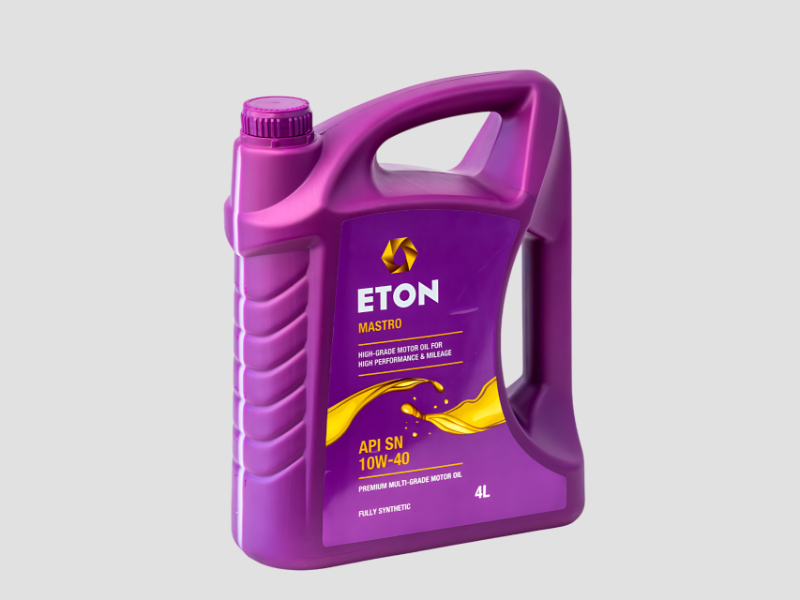
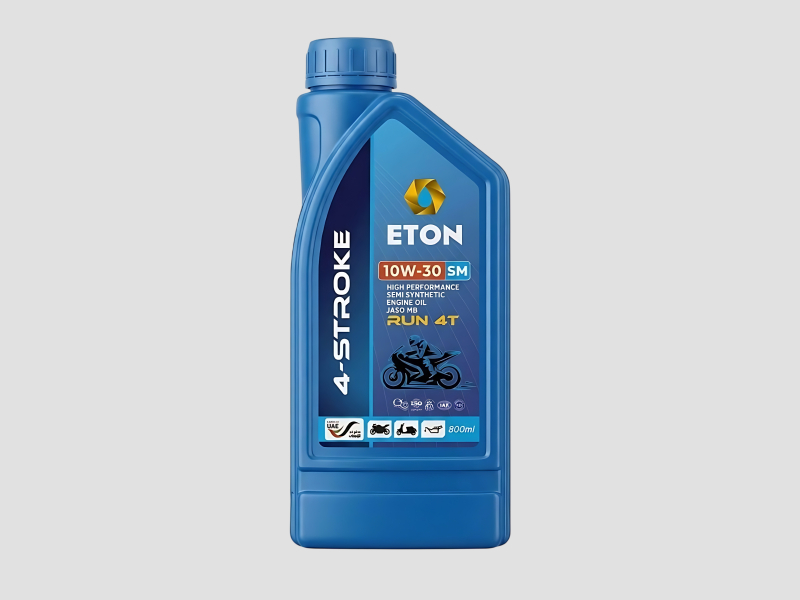
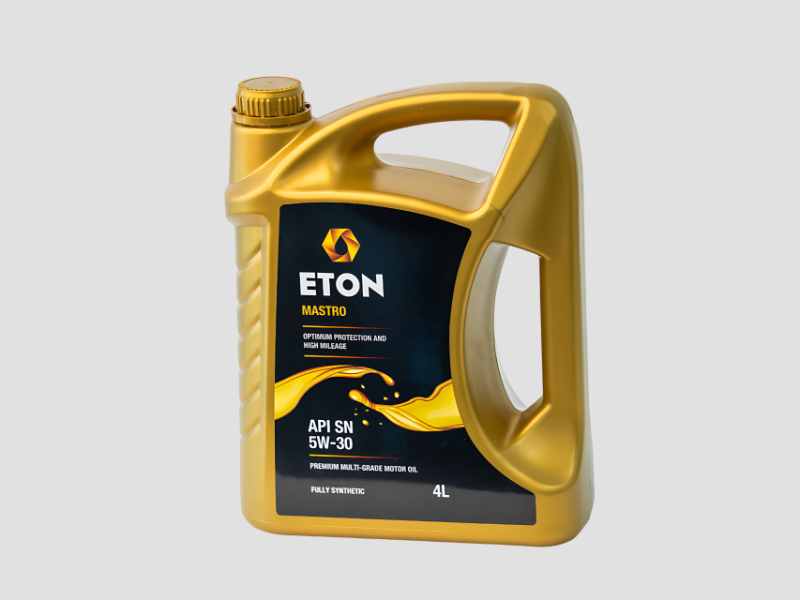
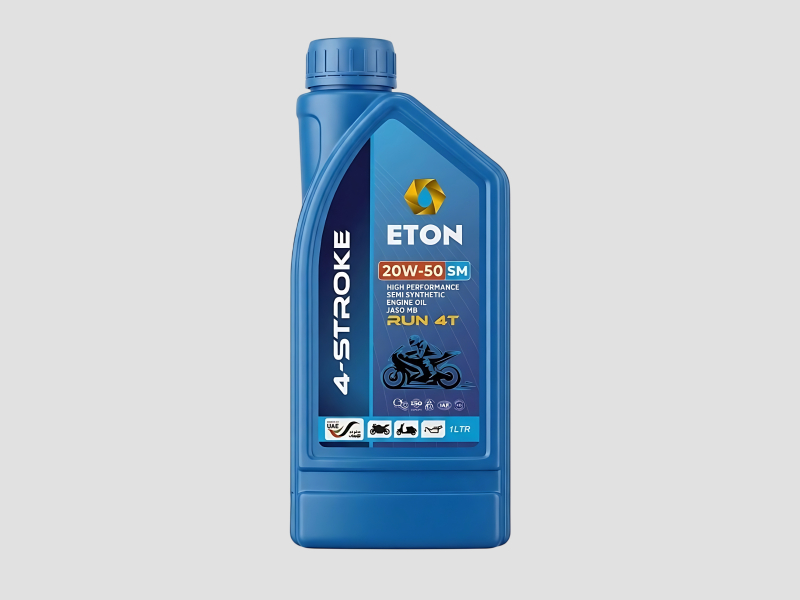
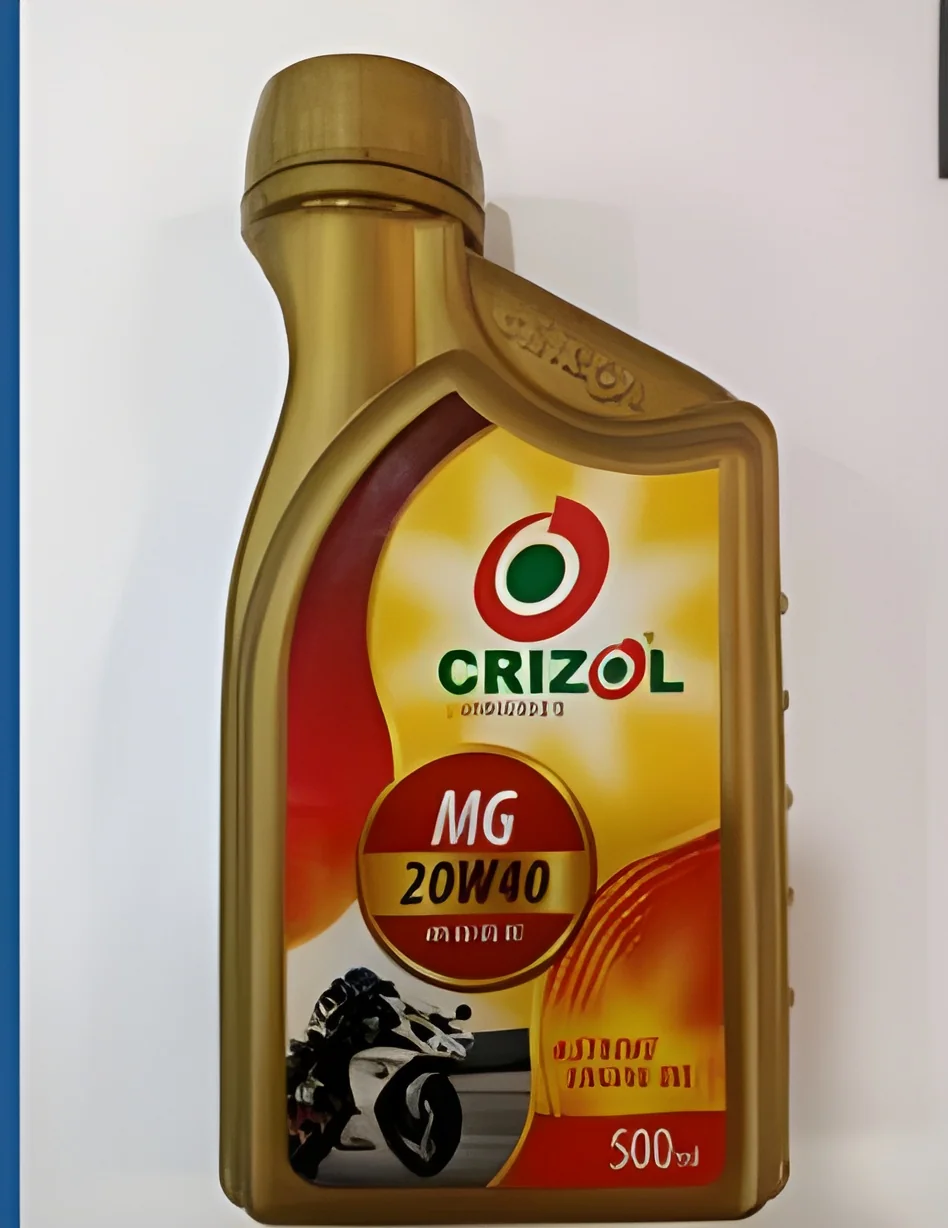
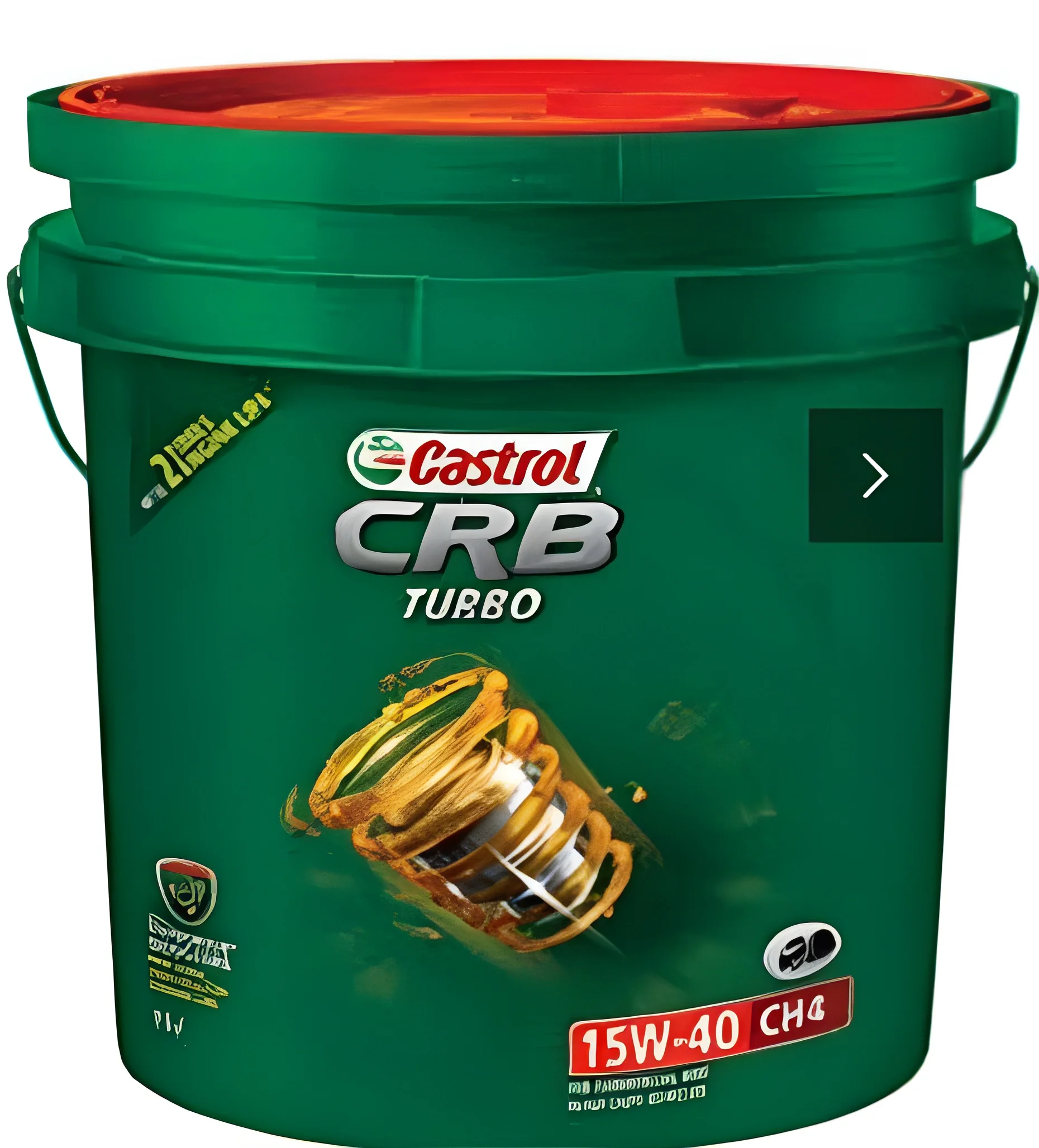
What are Motorcycle Oils?
Motorcycle oils are specialized lubricants designed to reduce friction and wear in motorcycle engines. They play a critical role in maintaining optimal engine performance, enhancing longevity, and ensuring smooth operation. Motorcycle oils are formulated with unique additives that cater to the specific requirements of motorcycle engines, which often operate under different conditions compared to car engines. These oils can be either mineral-based, synthetic, or a blend of both, providing various performance characteristics suited for different riding styles and conditions.
The primary use of motorcycle oils is to lubricate the engine components, which helps in minimizing wear and tear during operation. Additionally, these oils assist in cooling the engine, cleaning contaminants, and sealing gaps between piston rings and cylinder walls. In various businesses, such as motorcycle manufacturing, repair shops, and rental services, the quality of motorcycle oil is crucial for ensuring the reliability and performance of their fleets. The market for motorcycle oils is significant and growing, driven by increasing motorcycle ownership and a surge in adventure riding, making it an essential product in the automotive lubricants sector.
Key Features and Specifications
Motorcycle oils come with a variety of features and specifications that help in selecting the right product for specific applications. These specifications are crucial for ensuring compatibility with different engine types and performance requirements.
Key specifications include:
1. Viscosity Grade
- Indicates the thickness of the oil at different temperatures
- Common grades include 10W-40, 15W-50, etc.
2. Type of Oil
- Can be mineral, synthetic, or semi-synthetic
- Each type offers different benefits in terms of performance and protection
3. API Rating
- Refers to the American Petroleum Institute classification
- Ratings such as SL, SM, or SN indicate performance levels
4. JASO Rating
- Japanese Automotive Standards Organization rating specific to motorcycle oils
- Ratings like MA or MA2 indicate suitability for wet clutches
5. Additives
- Include detergents, anti-wear agents, and corrosion inhibitors
- Enhance performance and lifespan of the oil
6. Flash Point
- The temperature at which the oil can ignite
- Higher flash points indicate better thermal stability
7. Pour Point
- The lowest temperature at which the oil remains fluid
- Important for cold weather performance
8. Compatibility
- Must be compatible with the specific engine materials and design
- Ensures optimal performance and minimizes engine wear
In summary, understanding these key specifications helps businesses choose the right motorcycle oil that meets their operational needs while ensuring engine protection and performance.
Common Applications and Use Cases
Motorcycle oils are essential in various industry applications, providing lubrication and protection for a range of motorcycle types.
1. Motorcycle Manufacturing: In this sector, high-quality oils are used to ensure the smooth assembly and performance of engines before they reach the consumer.
2. Motorcycle Repair Shops: These establishments rely on motorcycle oils to maintain and service different models, ensuring optimal performance and reliability for customers.
3. Rental Services: Companies that rent motorcycles need dependable oils to ensure their fleets are well-maintained and ready for use by customers.
4. Racing: In competitive environments, specially formulated oils are used to enhance performance and durability under extreme conditions.
5. Off-Road Riding: Oils designed for off-road motorcycles provide better protection against dirt and debris, ensuring longevity in harsh environments.
6. Touring: Long-distance motorcycles benefit from oils that offer superior lubrication and heat resistance, enhancing comfort and performance during extended rides.
7. Electric Motorcycles: As the market grows, oils compatible with electric motorcycles may also emerge, focusing on specific cooling and lubrication needs.
Product Variants and Subcategories
Motorcycle oils come in various formulations to cater to different types of motorcycles and riding conditions.
Synthetic Motorcycle Oil: This variant offers superior performance and protection, particularly suitable for high-performance and racing motorcycles. It provides excellent thermal stability and can withstand extreme conditions.
Mineral Motorcycle Oil: A traditional option that is derived from refining crude oil. It is suitable for older motorcycle models and offers basic protection at a more economical price point.
Semi-Synthetic Motorcycle Oil: A blend of synthetic and mineral oils, this variant provides better performance than mineral oils while being more affordable than fully synthetic options. It is ideal for average riding conditions.
Benefits and Advantages
Motorcycle oils provide numerous benefits that enhance the performance and longevity of engines.
1. Engine Protection: High-quality oils create a protective barrier that reduces wear and tear on engine components, extending engine life.
2. Improved Performance: The right oil enhances engine efficiency, leading to better fuel economy and overall performance.
3. Temperature Regulation: Motorcycle oils help maintain optimal engine temperature, preventing overheating during extended use.
4. Cleaner Engines: Oils with detergents keep engines clean by preventing sludge and deposits from forming, ensuring smooth operation.
5. Enhanced Fuel Economy: Quality oils can improve combustion efficiency, leading to reduced fuel consumption and lower operating costs.
6. Reduced Emissions: Using the correct motorcycle oil can help lower exhaust emissions, contributing to better environmental compliance.
Buying Guide for B2B Buyers
When sourcing motorcycle oils, it is essential to consider several factors to ensure that you select the best products for your needs.
1. Quality Assessment: Evaluate the quality of the motorcycle oils by reviewing specifications such as viscosity, API, and JASO ratings. High-quality oils will provide better protection and performance.
2. Supplier Verification: It is crucial to vet suppliers by checking their certifications, customer reviews, and industry reputation to ensure reliability.
3. Pricing and MOQ: Consider the cost of motorcycle oils and the minimum order quantity (MOQ). Compare prices from multiple suppliers to find the best value while maintaining quality.
4. Delivery and Lead Times: Assess the logistics involved in sourcing motorcycle oils, including delivery schedules and lead times, to ensure timely availability.
5. Compliance Requirements: Make sure the motorcycle oils meet relevant industry standards and regulatory requirements to avoid potential legal issues.
Compliance and Certifications
Motorcycle oils must adhere to various compliance standards and certifications to ensure safety and performance in the industry.
Relevant quality standards such as ISO 9001 ensure that manufacturers implement effective quality management systems. This certification promotes consistent quality in products and services.
Industry certifications like CE indicate that the motorcycle oils meet European safety and environmental requirements, providing assurance to businesses regarding product reliability.
Safety and testing requirements are vital in ensuring that motorcycle oils perform as expected without compromising safety. Regular testing for performance and quality metrics is essential.
Regional compliance considerations vary by market, and suppliers must be aware of the specific requirements in different regions to ensure their products are compliant.
Why Source Motorcycle Oils from Pepagora?
Pepagora provides a trusted platform for sourcing motorcycle oils, offering several key advantages for businesses.
Verified Supplier Network: Pepagora ensures that all suppliers in its network are thoroughly vetted. This process guarantees that buyers can source high-quality products with confidence, reducing the risk of purchasing inferior oils.
Streamlined RFQ Process: The platform simplifies the request for quotation (RFQ) process, allowing buyers to receive competitive quotes from multiple suppliers quickly. This efficiency helps in making informed purchasing decisions.
Trade Assurance and Support: Pepagora offers trade assurance and support, ensuring that buyers are protected throughout the transaction process. This feature builds trust and confidence between buyers and suppliers.
Regional Coverage: With a strong presence in regions like India, the Gulf Cooperation Council (GCC), and Southeast Asia, Pepagora provides extensive coverage for businesses looking to source motorcycle oils across different markets. This regional focus enables buyers to access a diverse range of products tailored to their specific needs.

 IN
IN