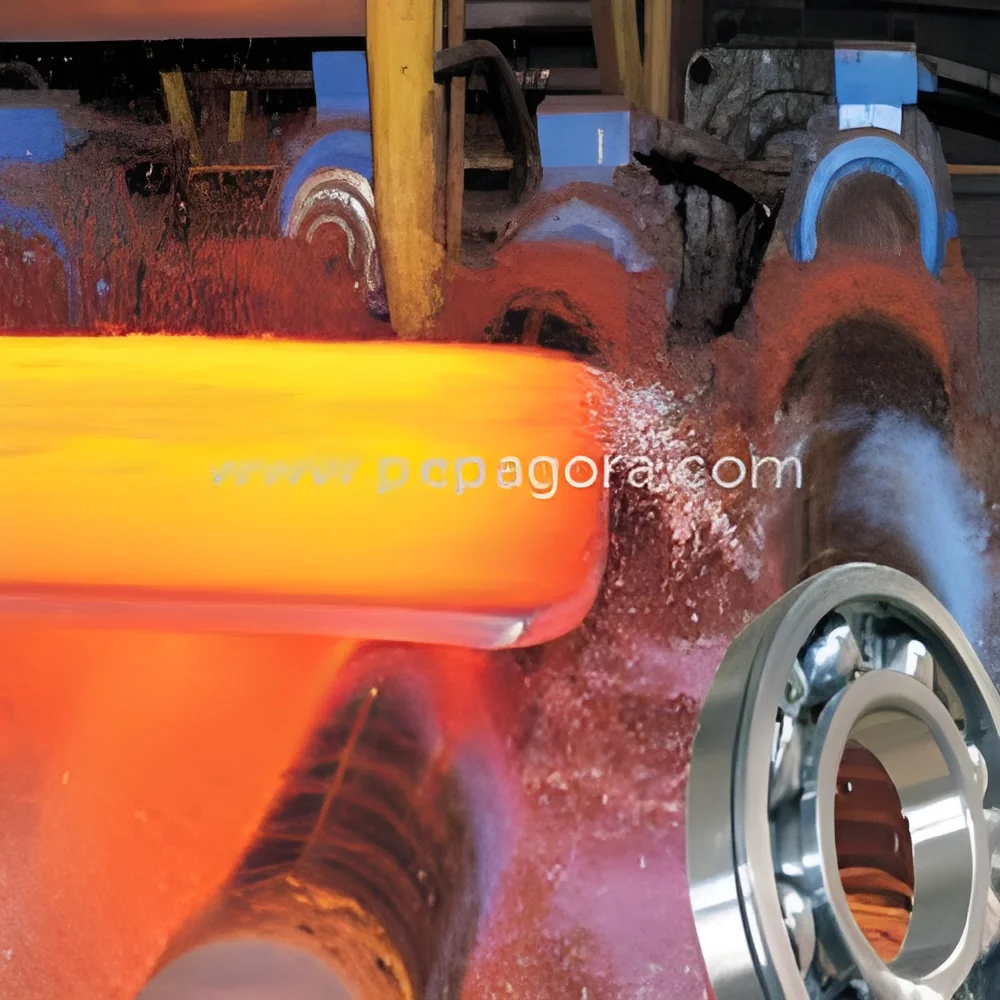
What are Automotive Greases?
Automotive greases are specialized lubricants designed to reduce friction and wear between moving parts in vehicles and machinery. These greases are composed of a base oil, usually mineral or synthetic, thickened with a soap or other thickener. The result is a semi-solid product that can adhere to surfaces even under extreme conditions, providing long-lasting lubrication.
The primary uses of automotive greases include lubrication of wheel bearings, chassis components, and other critical moving parts in vehicles. Businesses often rely on these greases to ensure optimal performance and longevity of their machinery and equipment. In industries such as automotive manufacturing, transportation, and maintenance, the use of high-quality greases is essential for minimizing downtime and reducing maintenance costs.
In the current market context, the automotive grease industry plays a vital role in supporting the overall automotive sector. As vehicles become more advanced and the demand for efficiency increases, the need for specialized greases that can withstand higher temperatures and pressures becomes more pronounced. This trend drives innovation in grease formulations and ensures that suppliers remain competitive.
Key Features and Specifications
Automotive greases come with several key features that enhance their performance and usability. These specifications are critical for ensuring that the right product is chosen for specific applications.
Key specifications include:
1. Base Oil Type
- Mineral or synthetic options available
- Provides different lubrication properties and temperature tolerances
2. Thickener Type
- Common thickeners include lithium, calcium, and aluminum
- Affects the grease's consistency and performance characteristics
3. NLGI Grade
- Indicates the grease's consistency and flow characteristics
- Common grades range from 000 (fluid) to 6 (very stiff)
4. Dropping Point
- Temperature at which the grease transitions from solid to liquid
- Important for high-temperature applications
5. Water Resistance
- Measurement of the grease's ability to repel water
- Essential for applications exposed to moisture
6. Load Carrying Capacity
- Ability to withstand pressure and load without breaking down
- Critical for high-stress applications
7. Oxidation Stability
- Resistance to degradation over time at elevated temperatures
- Important for long service intervals
8. Compatibility
- Compatibility with other lubricants and materials
- Essential for mixed fleet operations
In summary, understanding these specifications is crucial for selecting the most suitable automotive grease for specific applications.
Common Applications and Use Cases
Automotive greases are utilized across various industries for their lubricating properties.
1. Automotive Industry: Used in vehicles to lubricate wheel bearings, chassis parts, and other critical components, ensuring smooth operation and longevity.
2. Manufacturing Industry: Essential for machinery maintenance, providing lubrication for moving parts to enhance efficiency and reduce wear.
3. Construction Industry: Employed in heavy machinery and equipment to withstand harsh conditions and extend service life.
4. Agriculture: Used in tractors and farming equipment to ensure reliable operation under demanding conditions.
5. Aviation: Lubricates critical components in aircraft, providing safety and reliability during operations.
6. Marine: Protects equipment and machinery from seawater corrosion while ensuring smooth operation.
7. Rail: Used in trains for wheel bearings and other moving parts, enhancing performance and reducing maintenance needs.
Product Variants and Subcategories
Automotive greases come in various formulations to meet specific industry needs.
High-Temperature Grease: This variant is designed to perform in extreme heat conditions, making it ideal for high-speed bearings and automotive applications where overheating is a concern.
Water-Resistant Grease: Formulated to repel moisture, this grease is perfect for outdoor applications or environments where water exposure is frequent.
Multipurpose Grease: A versatile option suitable for a range of applications, providing adequate performance in various conditions, making it a common choice for general use in automotive and industrial settings.
Benefits and Advantages
Automotive greases offer numerous benefits that enhance performance and reliability.
1. Reduced Friction: They minimize friction between moving parts, leading to improved efficiency and reduced wear.
2. Extended Equipment Life: High-quality greases protect components from wear and corrosion, extending their operational lifespan.
3. Improved Performance: Specialty formulations can enhance performance under extreme conditions, ensuring reliability.
4. Versatility: Many greases can be used across multiple applications, reducing inventory complexity for businesses.
5. Cost-Effectiveness: By minimizing maintenance and downtime, automotive greases can lead to significant cost savings over time.
6. Environmental Protection: Certain formulations are designed to be environmentally friendly, reducing the ecological impact of lubricants.
Buying Guide for B2B Buyers
When sourcing automotive greases, B2B buyers should consider several crucial factors to ensure they make informed decisions.
1. Quality Assessment: Buyers should evaluate grease quality based on performance specifications, compatibility, and manufacturer reputation to ensure they select a reliable product.
2. Supplier Verification: It is essential to vet suppliers for their reliability, production standards, and ability to meet delivery timelines. This helps in establishing a trustworthy supply chain.
3. Pricing and MOQ: Understanding the pricing structure and minimum order quantities is important for budgeting and inventory management.
4. Delivery and Lead Times: Buyers should inquire about logistics to ensure timely delivery, especially if there are production schedules to meet.
5. Compliance Requirements: Buyers must ensure that the products meet relevant regulatory standards and certifications to avoid compliance issues.
Compliance and Certifications
Automotive greases must adhere to various quality standards and certifications to ensure safety and performance.
Relevant quality standards include ISO 9001, which sets the criteria for a quality management system. This certification assures customers of the consistent quality of products.
Industry certifications, such as CE marking, indicate compliance with European health, safety, and environmental protection standards. This certification is crucial for companies wishing to operate in European markets.
Safety and testing requirements involve rigorous evaluations to ensure that the grease performs effectively under specified conditions. This includes testing for load capacity, temperature resistance, and oxidation stability.
Regional compliance considerations may vary, with different countries having specific regulations governing lubricant products. Buyers should be aware of these to ensure that their chosen automotive greases meet local requirements.
Why Source Automotive Greases from Pepagora?
Pepagora offers a trusted platform for sourcing automotive greases, providing several key advantages for buyers.
Verified Supplier Network: Pepagora connects buyers with a network of verified suppliers, ensuring that businesses can find reliable sources of high-quality automotive greases.
Streamlined RFQ Process: The platform features a simplified Request for Quotation (RFQ) process, allowing buyers to efficiently compare offers and select the best options for their needs.
Trade Assurance and Support: Pepagora offers trade assurance, providing buyers with protection and support throughout the procurement process, ensuring a secure transaction.
Regional Coverage: With a focus on geographic regions such as India, the GCC, and Southeast Asia, Pepagora enables buyers to access a wide range of automotive greases tailored to their specific market needs.
By leveraging these advantages, businesses can make informed decisions and secure the right automotive greases for their applications.

 IN
IN