What are Metalworking Fluids?
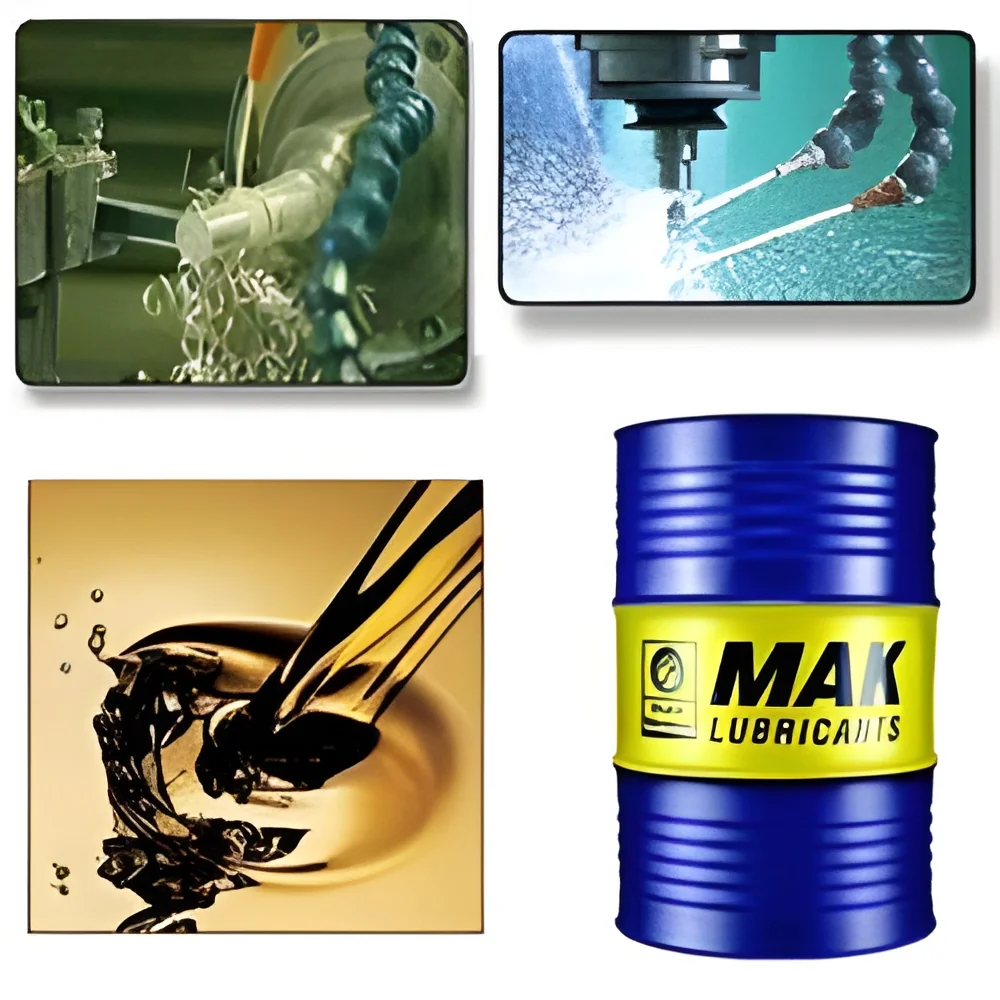
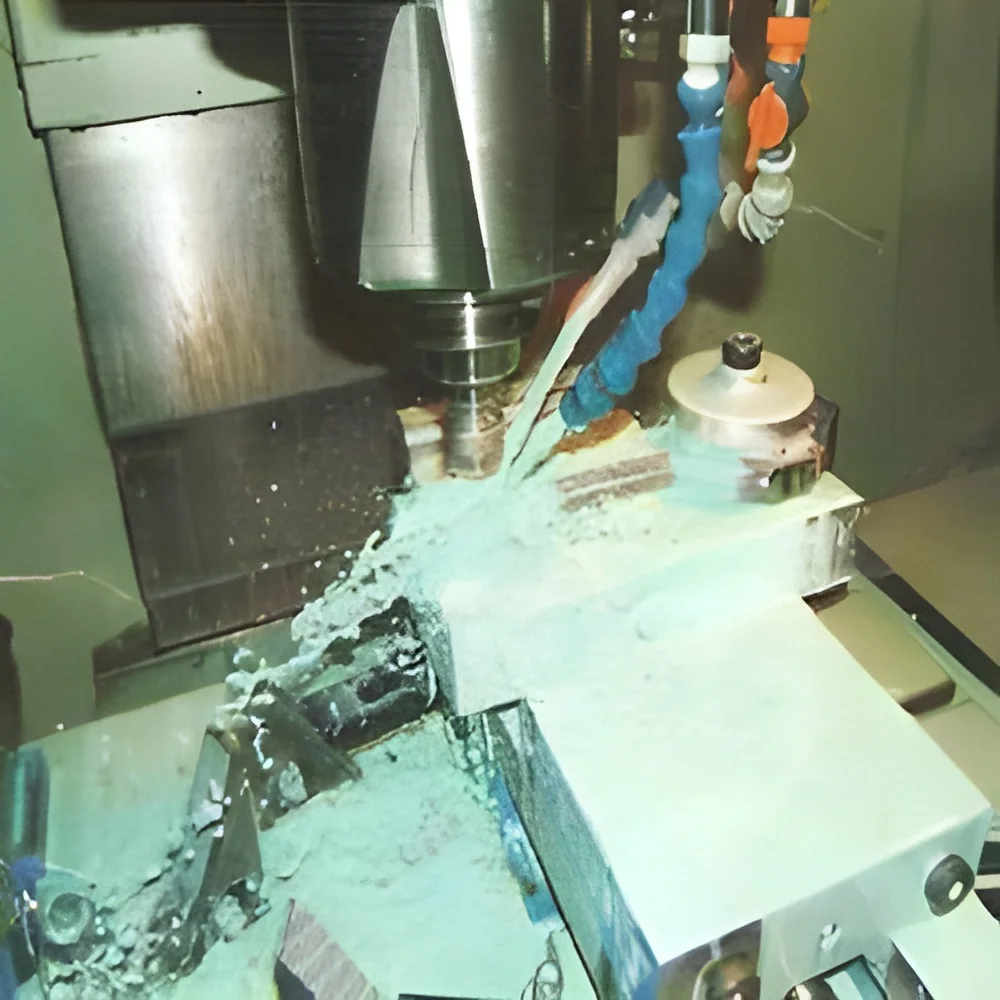
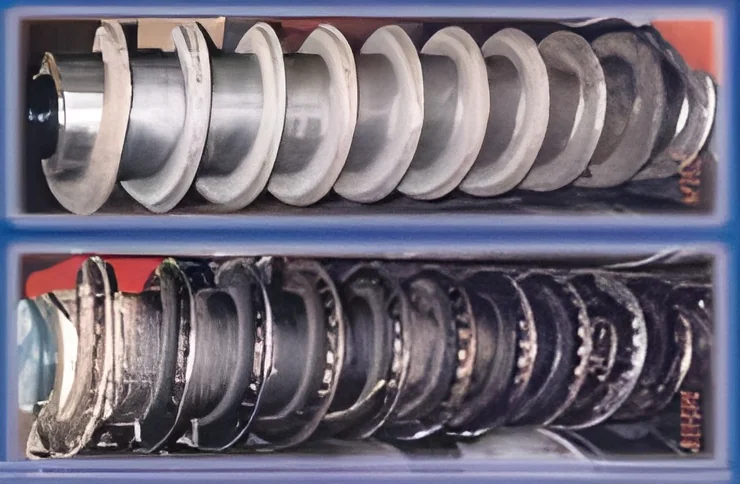
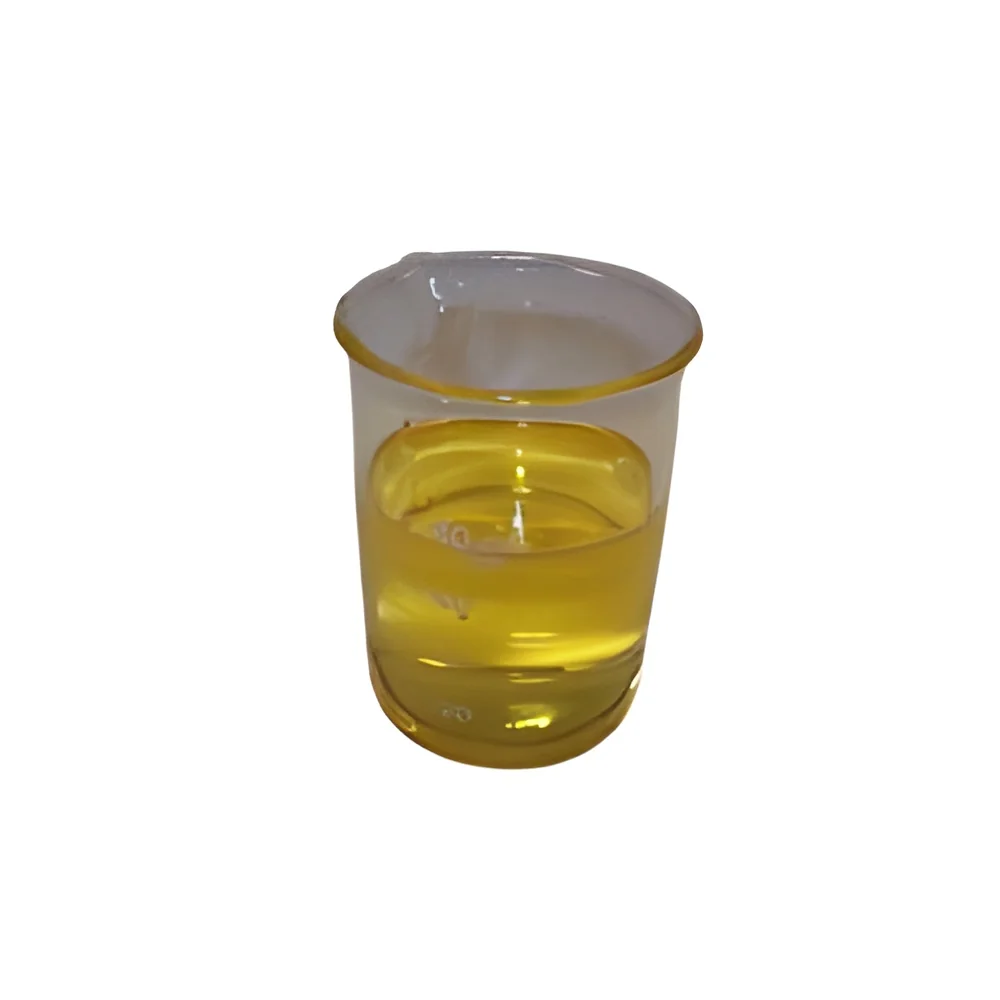
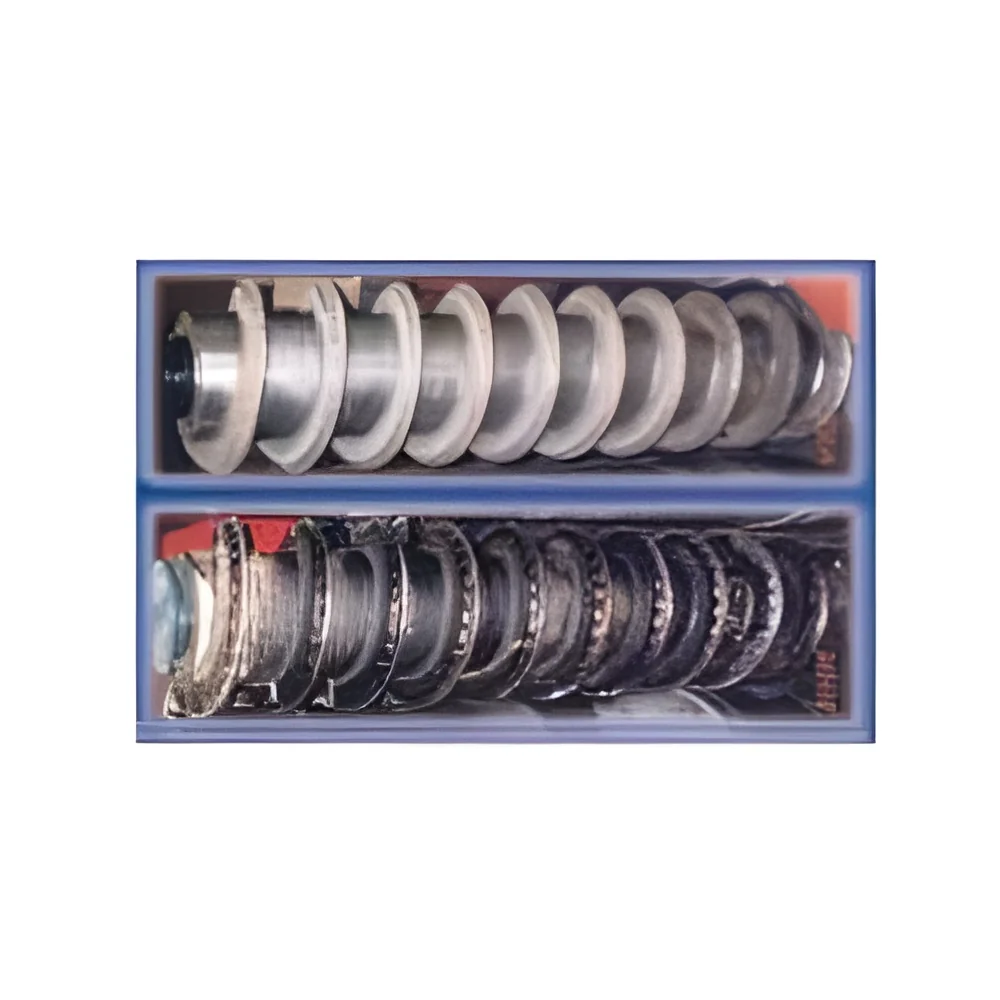
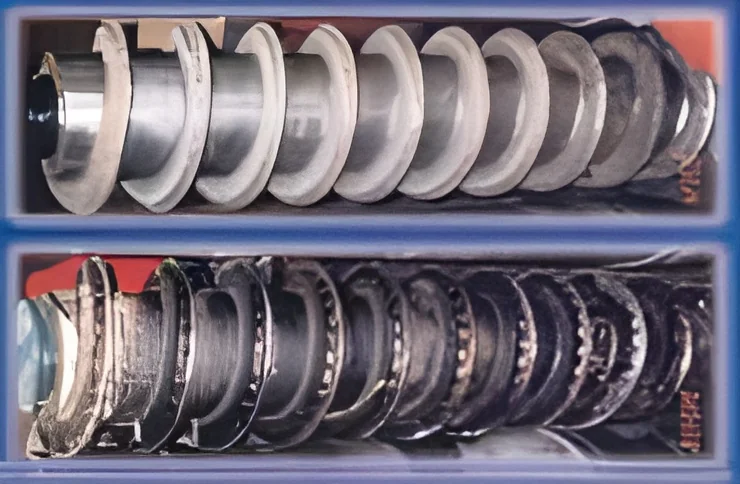
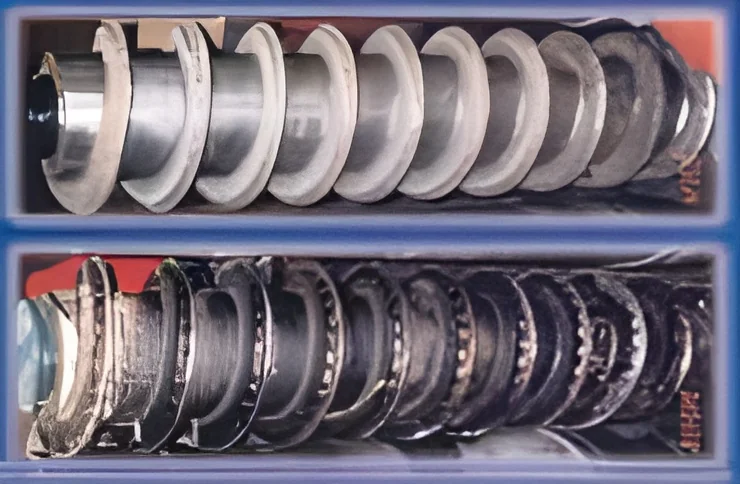
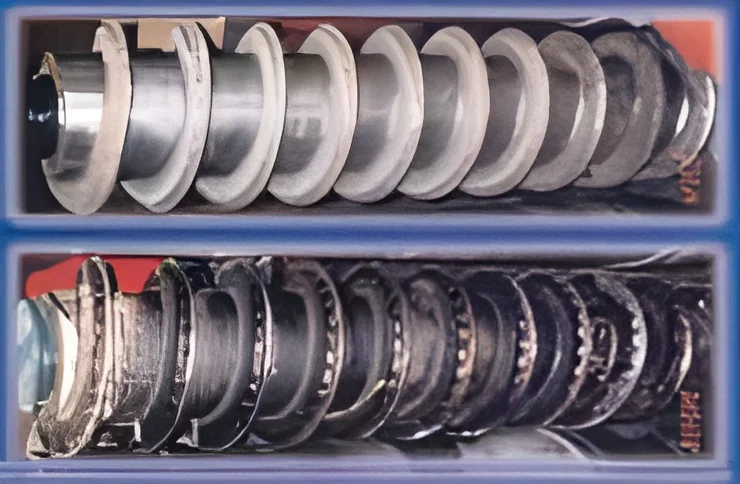
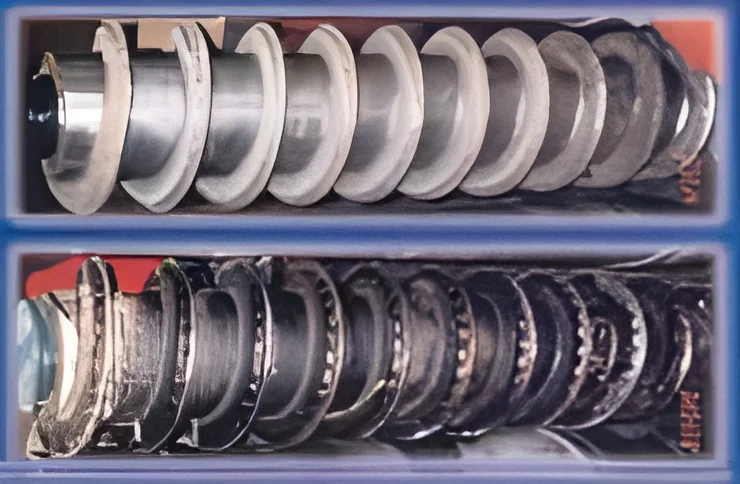
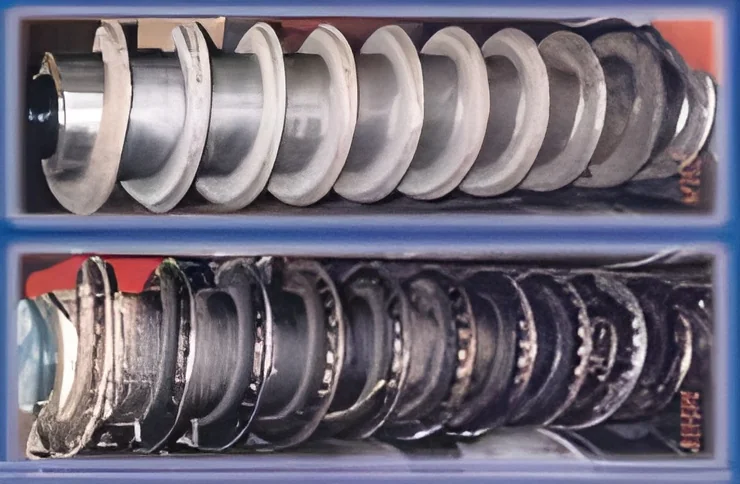
Metalworking fluids are specialized lubricants used in the metalworking industry to facilitate the machining and processing of metals. These fluids serve multiple functions, including cooling, lubrication, and the prevention of corrosion and oxidation. They help reduce wear on tools, improve surface finish, and increase the overall efficiency of machining operations.
The primary uses of metalworking fluids are in processes such as cutting, grinding, and forming. They are essential in industries like automotive, aerospace, and manufacturing, where precision is critical. These fluids enhance the performance of machinery and tools, leading to better product quality and reduced production costs. The relevance of metalworking fluids extends to various market segments, where they are a vital component for maintaining operational excellence and competitiveness.
Key Features and Specifications
Metalworking fluids come with a range of features and specifications that cater to different machining processes. The right fluid can significantly impact productivity and tool life. Here are some key specifications:
1. Viscosity
- A crucial property affecting the fluid's flow and film strength.
- Typically ranges from low viscosity (20 cSt) to high viscosity (100 cSt).
2. Flash Point
- Indicates the temperature at which the fluid can ignite.
- Generally between 100°C to 250°C for safe operation.
3. pH Level
- Affects the fluid's stability and its ability to prevent corrosion.
- Usually maintained between 7.0 to 9.5 for optimal performance.
4. Biostability
- Resistance to microbial growth to prolong the fluid's life.
- Measured by the fluid's ability to prevent bacterial contamination.
5. Lubricity
- The fluid's capability to reduce friction between metal surfaces.
- Enhanced lubricity improves tool life and surface finish.
6. Compatibility
- Compatibility with various metals and materials.
- Essential for preventing adverse reactions during machining.
7. Emulsification
- The ability to mix with water to form stable emulsions.
- Important for cooling and lubricating in wet machining processes.
8. Concentration
- Recommended dilution ratios for optimal performance.
- Common dilution ranges from 2% to 10% depending on the application.
In summary, selecting the right metalworking fluid based on these specifications can lead to improved machining efficiency and longer tool life.
Common Applications and Use Cases
Metalworking fluids serve various industries and applications, making them indispensable in manufacturing processes.
1. Automotive: Used in machining engine components, gears, and transmission parts, metalworking fluids provide cooling and lubrication during high-speed operations.
2. Aerospace: Essential for precision machining of critical components, these fluids help maintain tolerances and enhance surface finishes in aircraft manufacturing.
3. Fabrication: Metalworking fluids are used in cutting and forming operations in metal fabrication shops, ensuring smooth operation and preventing tool wear.
4. General Manufacturing: Various manufacturing sectors utilize metalworking fluids for drilling, milling, and grinding operations, optimizing productivity and tool life.
5. Marine: In shipbuilding and repair, these fluids are crucial for machining various metal parts, ensuring durability and performance.
6. Electronics: Metalworking fluids are used in the production of circuit boards and other electronic components, where precision is vital.
7. Energy: The oil and gas industry relies on metalworking fluids for machining complex components used in drilling and extraction equipment.
Product Variants and Subcategories
Metalworking fluids come in various forms to meet specific machining needs.
Synthetic Fluids
These fluids are formulated without petroleum and offer excellent cooling properties. They are ideal for high-speed machining and environments requiring minimal residue.
Emulsifiable Oils
These oils can be mixed with water to create a stable emulsion. They provide good lubrication and cooling, making them suitable for a range of cutting and grinding operations.
Straight Oils
Composed of mineral oils, these fluids are used in specific applications where high lubricity is required. They are often preferred for machining ferrous metals.
Semi-Synthetic Fluids
Combining the benefits of synthetic and mineral oils, these fluids offer versatility for various applications and are known for their balance of cooling and lubrication.
Benefits and Advantages
Choosing the right metalworking fluid offers numerous advantages to businesses in the manufacturing sector.
1. Enhanced Tool Life: Quality fluids reduce wear and tear on cutting tools, prolonging their lifespan and reducing replacement costs.
2. Improved Surface Finish: Proper lubrication and cooling lead to better surface quality, resulting in higher customer satisfaction.
3. Cost-Effective Operations: Efficient metalworking fluids reduce machining time and waste, leading to lower operational costs.
4. Reduced Heat Generation: The cooling properties of these fluids minimize heat build-up during machining, protecting both tools and workpieces.
5. Environmental Compliance: Many metalworking fluids are designed to meet environmental standards, reducing hazardous waste and improving workplace safety.
6. Versatility: The variety of formulations available allows businesses to select fluids tailored to specific applications, enhancing overall productivity.
Buying Guide for B2B Buyers
When sourcing metalworking fluids, several factors should be taken into consideration to ensure optimal performance and supplier reliability.
1. Quality Assessment: Evaluate the performance characteristics of the fluids, including viscosity, lubrication properties, and biostability. Reviews and certifications can provide insight into a fluid's reliability.
2. Supplier Verification: Vet suppliers by checking their credentials, industry reputation, and customer reviews. A reliable supplier should have a proven track record in delivering quality products.
3. Pricing and MOQ: Consider the cost of the fluids in relation to their performance benefits. Understand the minimum order quantities to ensure alignment with your purchasing needs.
4. Delivery and Lead Times: Assess suppliers based on their ability to deliver products efficiently. Timely delivery is crucial to maintaining production schedules.
5. Compliance Requirements: Ensure that the fluids meet relevant regulatory standards and certifications. This is essential for maintaining safety and quality in production processes.
Compliance and Certifications
Metalworking fluids must adhere to various quality standards and certifications to ensure safety and performance. Relevant quality standards include ISO 9001, which focuses on quality management systems, and HACCP, which is vital for ensuring food safety in applications that may involve food processing equipment.
Industry certifications like CE indicate compliance with European health, safety, and environmental protection standards. Additionally, safety and testing requirements are crucial, as they ensure that the fluids do not pose risks to workers or the environment.
Regional compliance considerations may vary, with specific regulations in place depending on the country or region of use. It is essential for businesses to remain informed about these regulations to ensure compliance and avoid potential penalties.
Why Source Metalworking Fluids from Pepagora?
Pepagora offers a trusted platform for sourcing metalworking fluids, providing several key advantages to B2B buyers.
Verified Supplier Network: Pepagora connects buyers with a network of verified suppliers. This ensures that businesses can find reliable sources of quality metalworking fluids, minimizing risks in procurement.
Streamlined RFQ Process: The platform simplifies the request for quotation process, allowing buyers to quickly compare prices and specifications from multiple suppliers. This efficiency helps in making informed purchasing decisions.
Trade Assurance and Support: Pepagora provides trade assurance to protect buyers throughout the purchasing process. This support ensures a safe transaction and builds trust between buyers and suppliers.
Regional Coverage: Pepagora has a wide geographic reach, servicing regions including India, the GCC, and Southeast Asia. This extensive coverage ensures that businesses across these areas can access quality metalworking fluids tailored to their needs.

 IN
IN