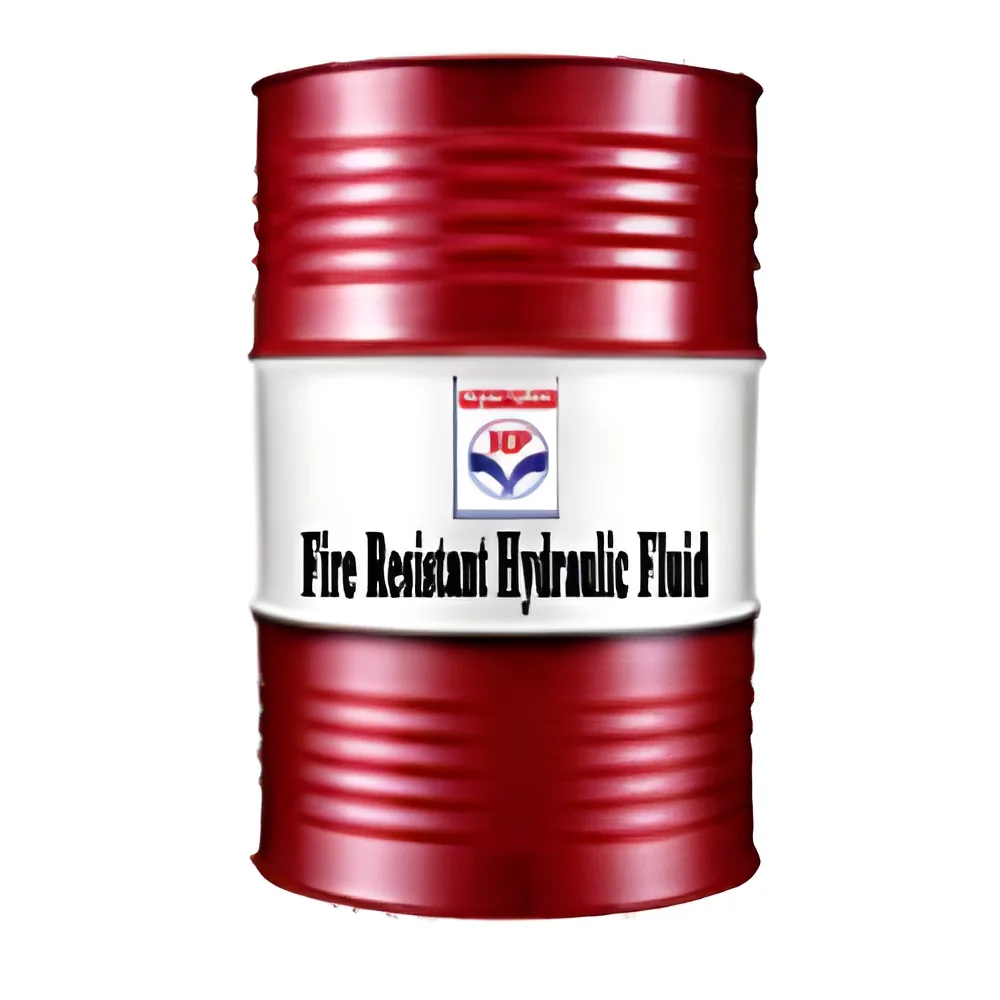
What are Hydraulic Oils?
Hydraulic oils are specialized fluids used in hydraulic systems to transmit power, lubricate components, and cool machinery. These oils are essential for the efficient operation of hydraulic equipment, which relies on the transfer of energy through pressurized fluid. Hydraulic oils must possess certain properties such as viscosity, thermal stability, and anti-wear characteristics to ensure optimal performance.
These oils are widely used in a variety of industries including manufacturing, construction, and agriculture. In manufacturing, hydraulic oils are crucial for operating machinery such as presses, lifts, and robotics. In construction, they are used in heavy equipment like excavators and loaders. The versatility of hydraulic oils makes them a critical component in systems that require reliable and consistent performance under varying conditions.
Key Features and Specifications
Hydraulic oils come with various features that enhance their performance and compatibility with different systems. Key specifications provide insight into their technical capabilities.
Key specifications include:
1. Viscosity Grade
- Measures the resistance of the fluid to flow.
- Commonly rated according to the ISO VG scale, such as VG 32, 46, or 68.
2. Anti-Wear Properties
- Protects components from wear and tear.
- Defined by tests such as the Four Ball Wear Test.
3. Thermal Stability
- Ability to maintain performance under high temperatures.
- Typically evaluated through thermal oxidation stability tests.
4. Demulsibility
- The capacity to separate water from oil.
- Important for preventing rust and corrosion in hydraulic systems.
5. Flash Point
- Indicates the temperature at which the oil can ignite.
- Higher flash points signify safer operational parameters.
6. Pour Point
- The lowest temperature at which the oil remains fluid.
- Critical for cold weather applications.
7. Additive Package
- Includes detergents, dispersants, and anti-oxidants.
- Enhances the overall performance and lifespan of the oil.
8. Biodegradability
- Environmental factor indicating how quickly the oil can decompose.
- Important for industries focused on sustainability.
In summary, understanding these specifications helps in selecting the right hydraulic oil for specific applications, ensuring efficiency and longevity of equipment.
Common Applications and Use Cases
Hydraulic oils play a vital role across multiple industries, catering to various applications.
1. Manufacturing: Hydraulic oils are used in machine tools, injection molding machines, and conveyor systems, providing the necessary power and lubrication for smooth operation.
2. Construction: Heavy machinery such as bulldozers, cranes, and hydraulic lifts rely on hydraulic oils to function effectively, especially in demanding environments.
3. Agriculture: Tractors and other agricultural equipment utilize hydraulic oils for lifting and controlling attachments, enhancing productivity in farming operations.
4. Automotive: Hydraulic systems in vehicles, including brakes and power steering, depend on high-quality hydraulic oils for reliable performance and safety.
5. Mining: Hydraulic oils are essential in operating drilling and excavation equipment, where robust performance is crucial under harsh conditions.
6. Aerospace: Hydraulic systems in aircraft require specialized oils to ensure safety and reliability during flight operations.
7. Marine: Hydraulic oils are used in ship machinery and deck equipment, where performance and resistance to harsh marine environments are critical.
Product Variants and Subcategories
Hydraulic oils are available in various formulations to meet specific requirements.
Standard Hydraulic Oil
This variant is designed for general-purpose use in most hydraulic systems, offering balanced performance across different applications.
Biodegradable Hydraulic Oil
This environmentally friendly option is formulated to break down naturally, making it suitable for use in sensitive ecological areas.
High-Temperature Hydraulic Oil
Engineered to withstand elevated temperatures, this variant is ideal for applications where heat can affect performance.
Low-Temperature Hydraulic Oil
Designed for optimal flow in cold environments, this variant ensures reliable operation even in freezing conditions.
Benefits and Advantages
Hydraulic oils offer numerous benefits that enhance equipment performance and operational efficiency.
1. Enhanced Equipment Longevity: High-quality hydraulic oils reduce wear on components, leading to a longer lifespan for machinery.
2. Improved Efficiency: Properly formulated oils ensure smooth operation, minimizing energy loss in hydraulic systems.
3. Temperature Stability: Hydraulic oils designed for thermal stability help maintain consistent performance in varying temperatures.
4. Corrosion Protection: Effective anti-corrosion properties safeguard equipment against rust and degradation.
5. Environmental Compliance: Biodegradable options allow companies to meet sustainability targets while maintaining operational effectiveness.
6. Versatility: Hydraulic oils can be utilized across a wide range of industries, simplifying procurement and inventory management.
Buying Guide for B2B Buyers
When sourcing hydraulic oils, it is important to consider several key factors to ensure the best choice for your business needs.
1. Quality Assessment: Evaluate the quality of hydraulic oils based on performance specifications and certifications. Look for products that meet recognized standards to ensure reliability.
2. Supplier Verification: Vet potential suppliers for their reputation and reliability. Check customer reviews, industry certifications, and track records to ensure they can deliver consistent quality.
3. Pricing and MOQ: Understand the pricing structure and minimum order quantities. Compare quotes from multiple suppliers to find competitive pricing that fits your budget.
4. Delivery and Lead Times: Discuss logistics with suppliers to ensure timely delivery. Consider lead times and shipping methods to avoid disruptions in your operations.
5. Compliance Requirements: Be aware of regulatory standards that may apply to hydraulic oils in your region. Ensure that the products meet necessary safety and environmental regulations.
Compliance and Certifications
Hydraulic oils are subject to various quality standards and certifications that ensure they are safe and effective for industrial use.
ISO 9001 is a widely recognized standard for quality management systems, ensuring that manufacturers maintain high-quality production processes.
Certifications such as UL and CE indicate that hydraulic oils meet safety and environmental regulations, providing assurance to buyers regarding product safety.
In addition to these standards, testing for safety and performance must also be conducted to ensure compliance with industry requirements. It is essential to stay informed about regional compliance considerations as regulations can vary significantly across different countries.
Why Source Hydraulic Oils from Pepagora?
Pepagora provides a trusted platform for sourcing hydraulic oils, offering key advantages that benefit B2B buyers.
Verified Supplier Network: Pepagora's extensive network includes verified suppliers who meet stringent quality standards. This ensures that buyers can source reliable products with confidence.
Streamlined RFQ Process: The platform facilitates a seamless request for quotation process, allowing buyers to receive competitive quotes from multiple suppliers quickly and efficiently.
Trade Assurance and Support: Pepagora offers buyer protection through trade assurance, ensuring that transactions are secure. Dedicated support teams are also available to assist with inquiries and concerns.
Regional Coverage: Operating in India, the GCC, and Southeast Asia, Pepagora provides extensive regional coverage, making it easier for businesses to access quality hydraulic oils across different markets.
By choosing Pepagora, businesses can enhance their procurement processes and ensure they are using the best hydraulic oils for their operations.

 IN
IN